
Classical Column Desk Lamp
A classical column desk lamp brings architectural order and steady illumination to a room, drawing on centuries of revival design.
Classical Column Desk Lamp
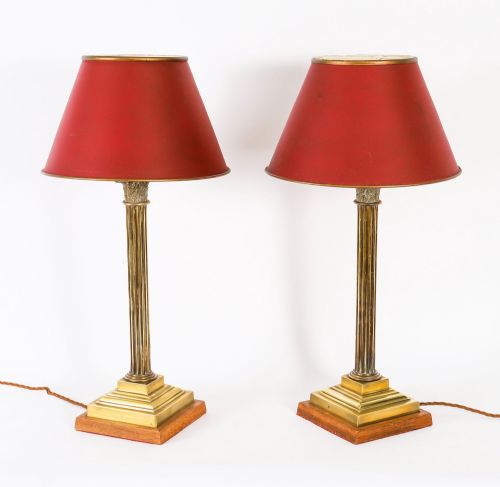
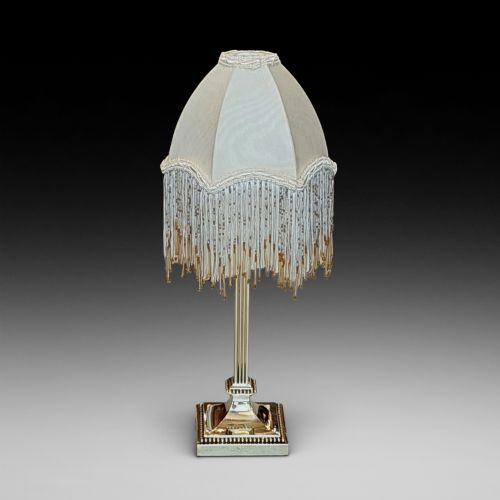
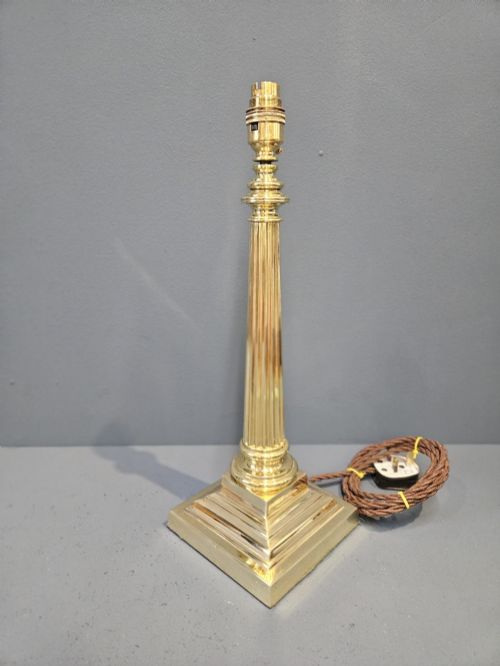
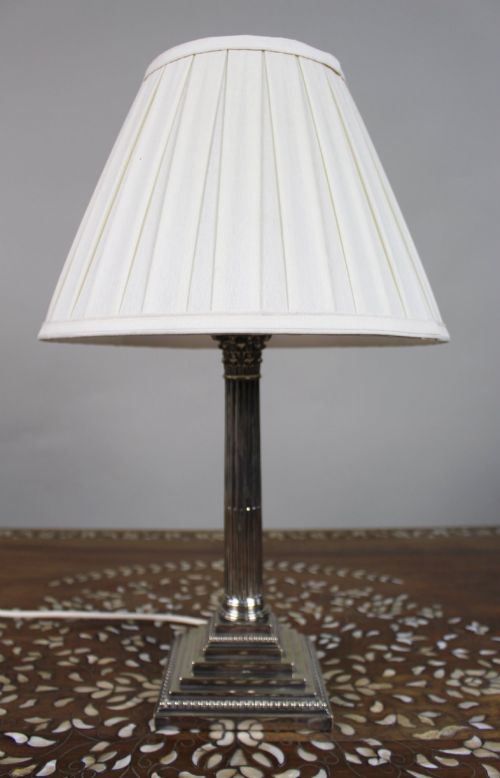
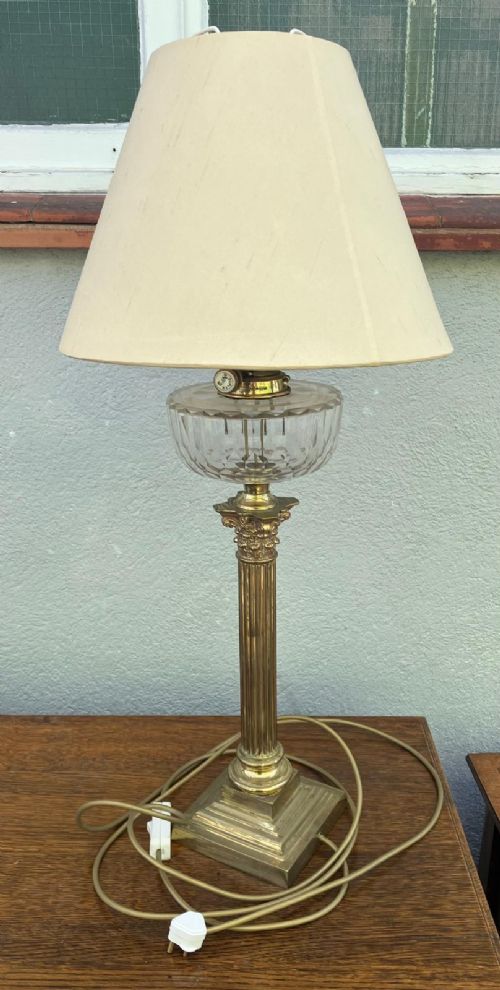
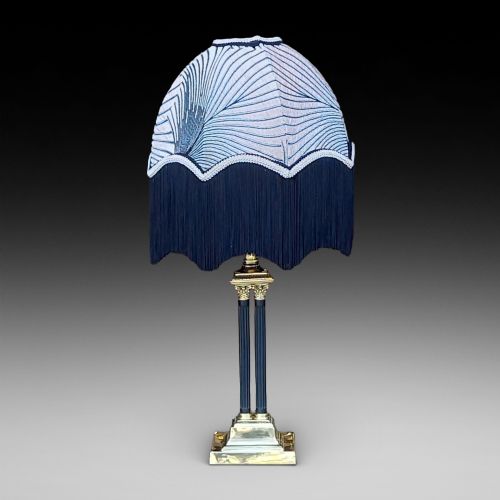
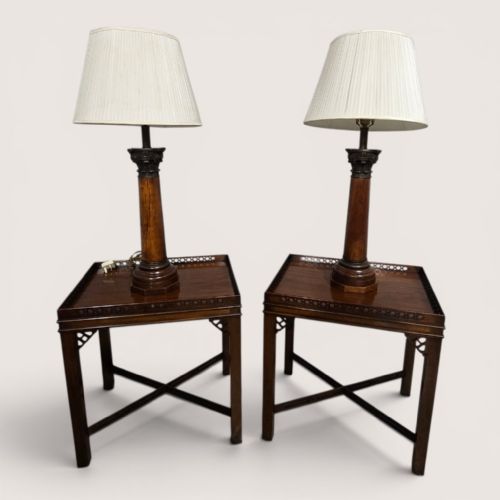
A classical column desk lamp draws on ancient architectural orders to create a grounded, upright silhouette suited to a desk or table. When searching for a classical column desk lamp, collectors primarily encounter table lamps and converted oil lamps dating from the Victorian and Edwardian periods, alongside pieces from the late nineteenth and early twentieth centuries.
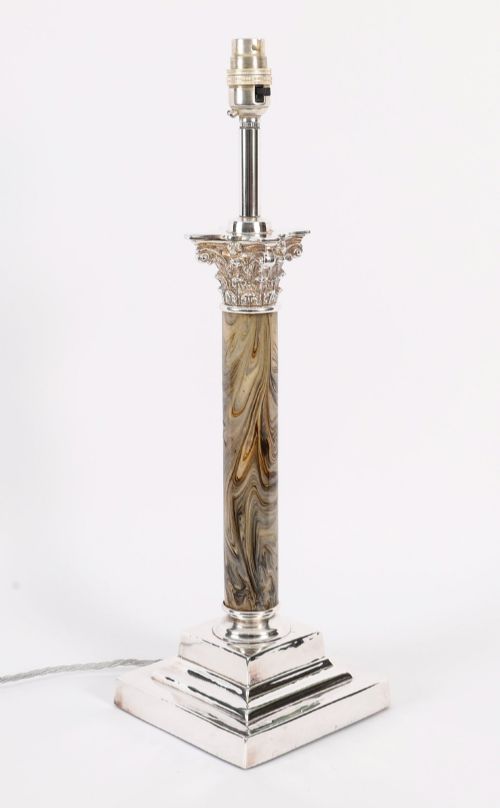
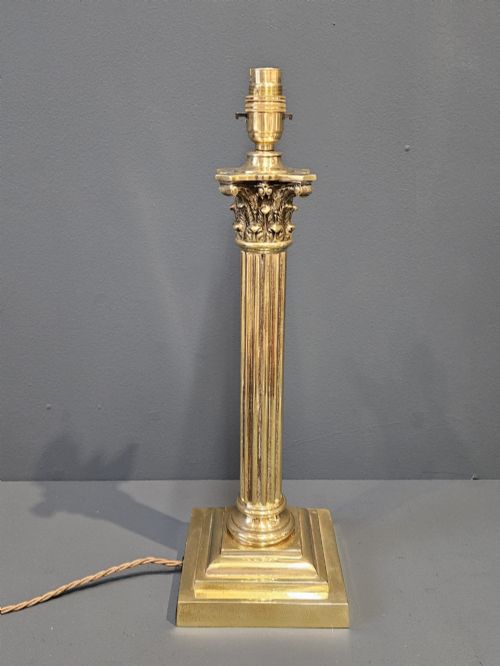
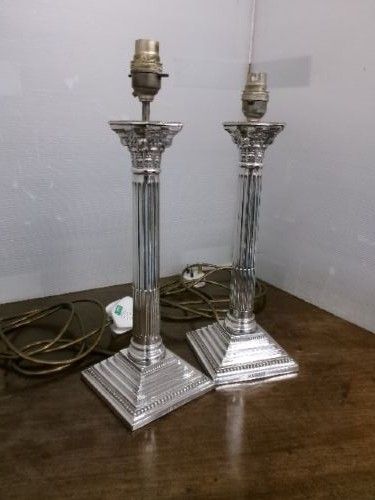
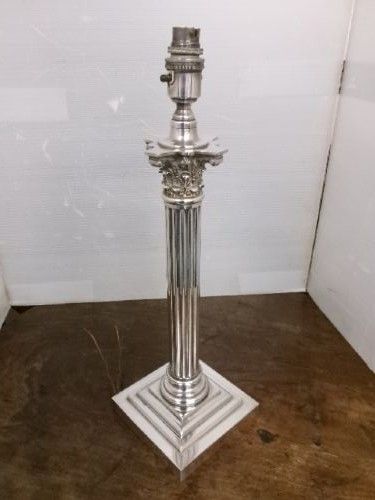
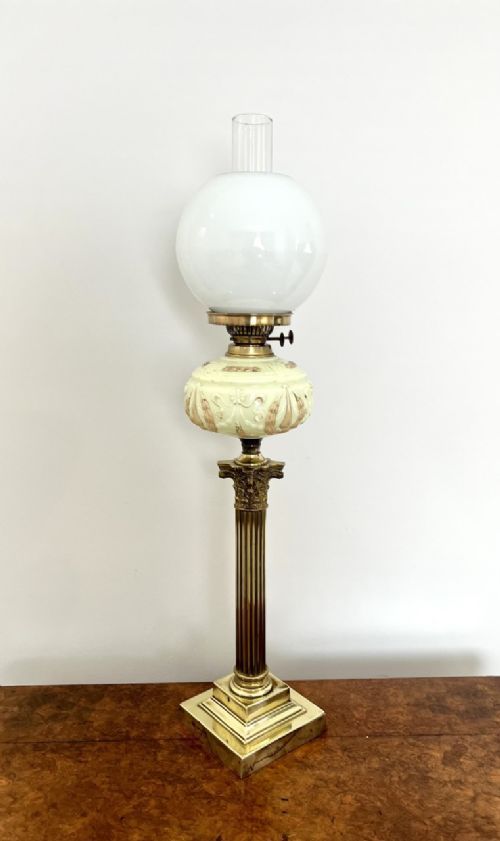
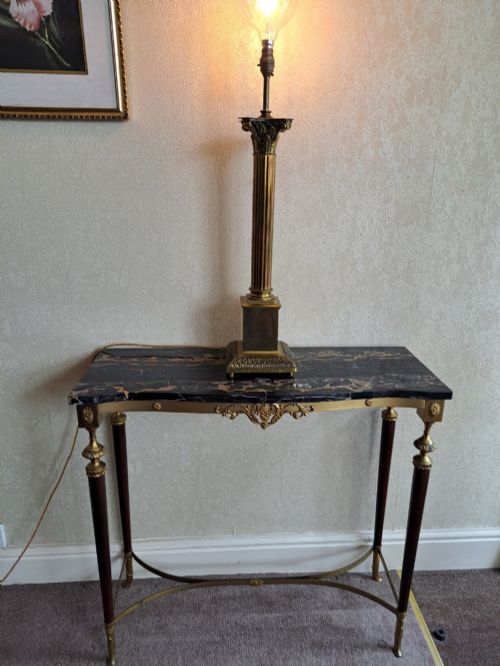
The architectural form most frequently met is the Corinthian column, followed by Ionic and Doric variations, often standing upon stepped or square bases. These pieces frequently display neoclassical, French neoclassical, or Victorian classical revival styles that reflect a sustained European interest in classical antiquity.
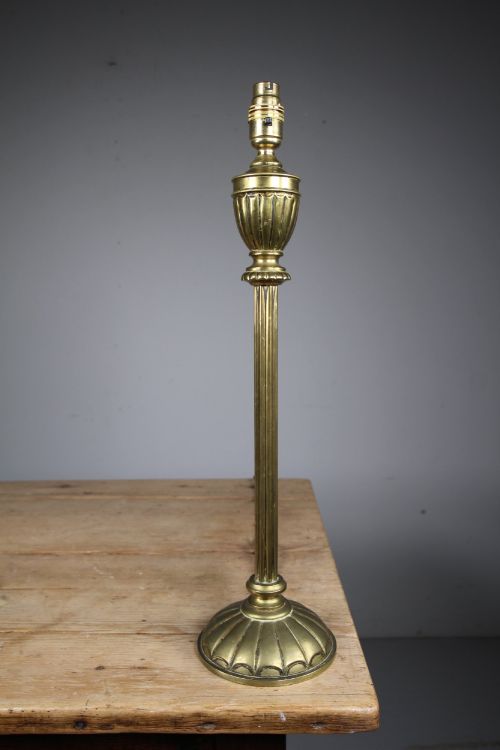
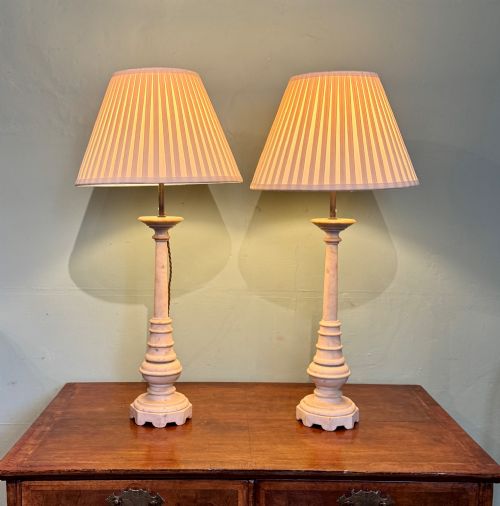
Many examples originate as single pieces or pairs, constructed as table lamps or adapted from earlier candlesticks and oil lamps. The scale ranges from standard desk heights to tall floor-standing or large table variants in brass, silver plate, bronze, and marble.
Materials and construction
The construction relies heavily on cast brass, silver plate, and bronze, often paired with contrasting plinths of white marble or oak. Metal components are cast, turned, and chased to render the intricate acanthus leaves of Corinthian capitals or the clean scrolls of Ionic capitals.
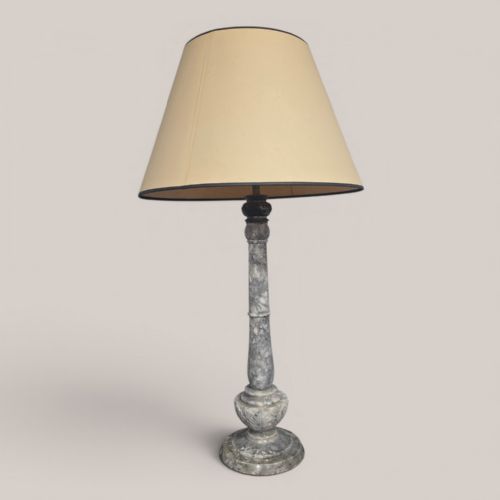
Lamps utilising marble incorporate turned stone shafts or bases secured by central threaded metal rods, while timber examples employ turned oak and gilt wood. Shade fittings and wiring are typically modern additions to accommodate contemporary electrical standards while retaining the original metalwork.
Some nineteenth-century columns stand ready with lion's paw feet to hold your desk space.
Judging quality in column lamps
Quality rests upon the crispness of the casting in the capital and base, where finely detailed acanthus leaves and fluted shafts distinguish superior work from softer, mass-produced examples. The weight and gauge of the brass, bronze, or silver plate also indicate standard, as heavier metals provide essential stability to tall vertical forms.
The integration of materials determines refinement, particularly in the precision of fit between marble plinths and metal collars or the inclusion of cast details such as lion's paw feet. Retaining an original surface patina without over-cleaning preserves the character of nineteenth and early twentieth-century metalwork.
The Classical Column Desk Lamp Glossary
- Corinthian column
- An architectural order featuring an ornate capital decorated with rows of carved acanthus leaves. This capital style appears frequently on nineteenth-century brass and silver-plated lamp shafts.
- Ionic column
- A classical column order distinguished by scroll-like ornaments known as volutes on the capital. It represents a more restrained alternative to the Corinthian order on period desk lamps.
- Doric column
- The simplest and most sturdy of the classical Greek architectural orders, characterised by a plain capital and unadorned shaft. Such examples offer a clean, robust silhouette.
- Ormolu
- Finely ground high-carat gold applied to a bronze base using a mercury amalgamation process, seen on French neoclassical pieces. It provides a bright, durable metallic finish.
- Reeded column
- A shaft decorated with parallel, convex mouldings that run vertically up the column. This technique adds texture and catches the light along the length of the lamp.
Classical Column Desk Lamp: Frequently Asked Questions
What is a classical column desk lamp?
A classical column desk lamp is a lighting fixture designed to resemble an ancient Greek or Roman architectural column, adapted for interior illumination. These pieces typically date from the Victorian and Edwardian eras.
They utilise forms derived from neoclassical architecture, bringing a formal, structural aesthetic to a study or workspace.
How do I tell Victorian from Edwardian lamps?
Victorian lamps often feature heavier cast brass or detailed silver plating with ornate Corinthian capitals and substantial stepped bases. They frequently originate from the late nineteenth century.
Edwardian examples tend toward slightly lighter construction, sometimes incorporating refined neoclassical revival styles or simplified Doric columns from the early twentieth century.
Were these always electric lamps?
Many examples began life as oil lamps or candlesticks before being converted to electricity during later rewiring. The tall, sturdy shafts made them ideal candidates for conversion.
Evidence shows that original oil lamp mechanisms and later standard electrical fittings both exist within this category, reflecting changing domestic technologies.
How do I clean brass and silver plate?
Cleaning requires a soft cloth and a gentle metal polish appropriate for either solid brass or silver plate. Care must be taken not to remove the underlying plating or soften crisp cast details.
Preserving a warm, aged patina is generally preferred over achieving a bright, mirror-like shine on antique metalwork.