


Classical Child Artwork
These pieces of classical child artwork bring together centuries of portraiture and sculpture depicting youth through traditional lenses.
Classical Child Artwork
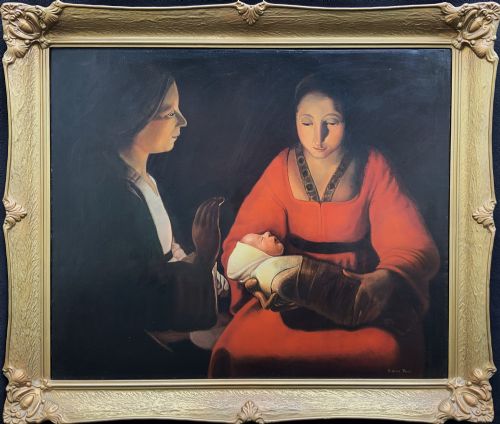
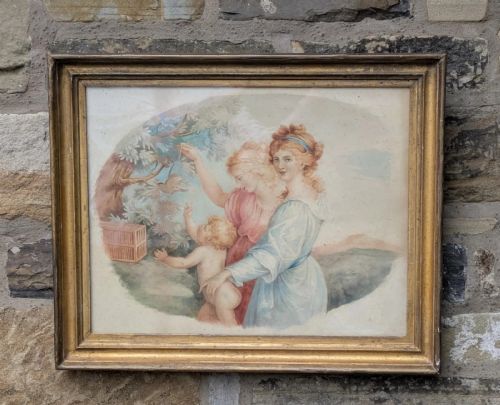
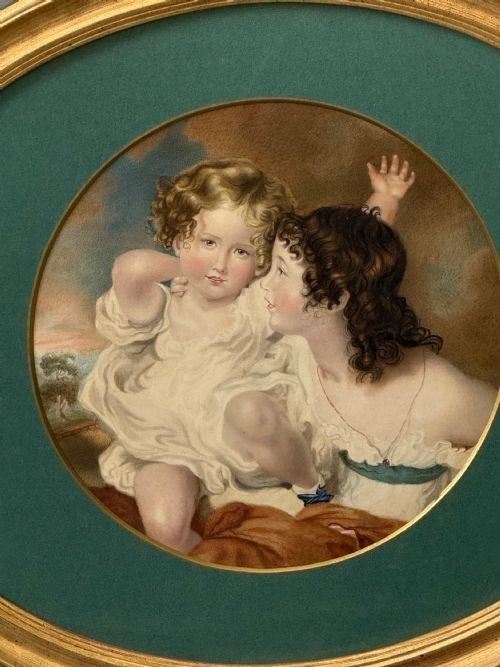
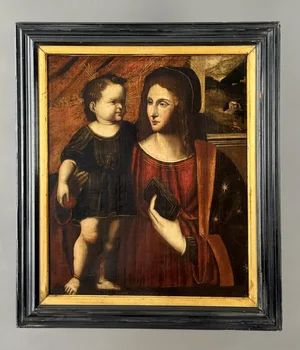
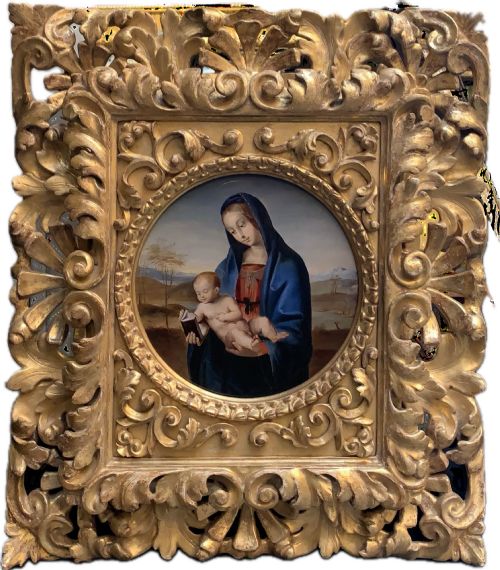
When searching for classical child artwork, buyers encounter a diverse range of depictions extending from Renaissance interpretations of the Madonna and child to nineteenth century realist portraits and engravings. These works capture youthful subjects within various historical contexts, reflecting changing aesthetic values across centuries.
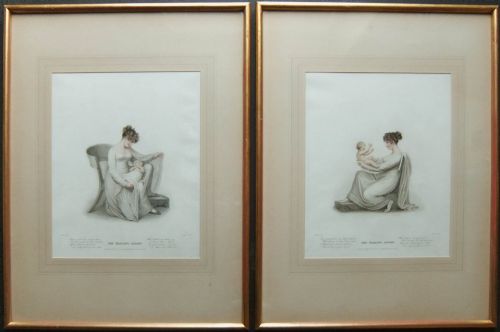
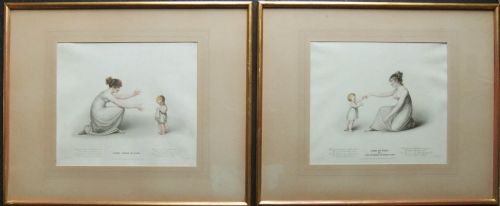
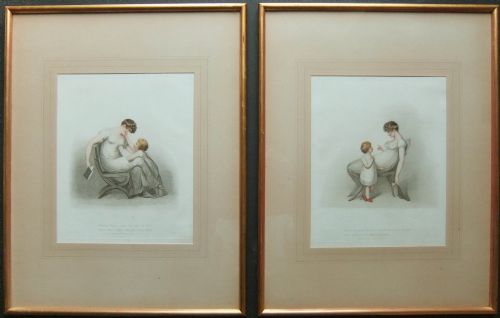
The selections available here lean heavily towards oil paintings on canvas and framed paper prints, alongside cast bronze sculptures. Examples include both original period pieces and later works executed after master painters such as Raphael and Sir Thomas Lawrence.
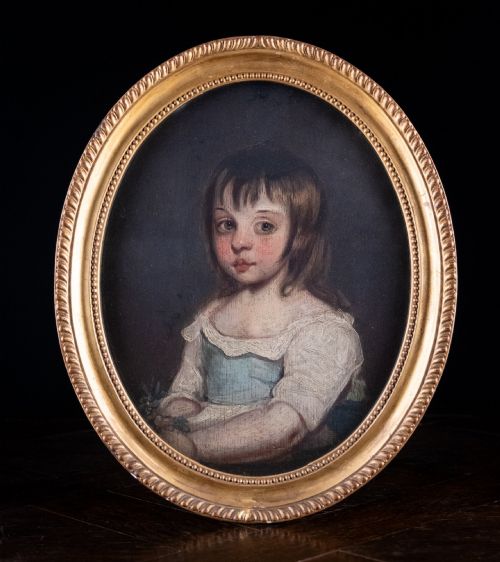
Subjects range from formal aristocratic portraits of young girls and boys to tender domestic scenes and classical mythological groupings. The historical span covers works originating from the sixteenth century up to mid twentieth century reproductions and interpretations.
Materials and Techniques
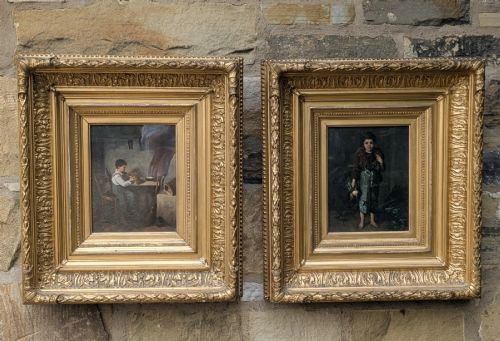
Oil paint applied to canvas serves as the primary medium for the painted works, often framed in wood or giltwood surrounds that complement the traditional composition. Artists also utilised watercolour on paper for lighter portrait studies and illustrative scenes.
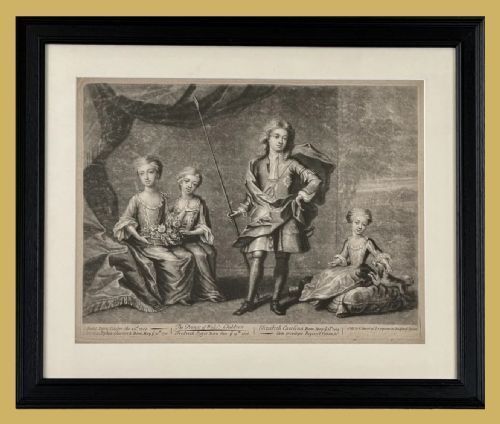
Sculptural pieces demonstrate the use of bronze metal casting to render figures in three dimensions, capturing smooth contours and detailed surface textures. Engravings and prints utilise paper mediums to reproduce famous compositions for broader distribution.
Several portraits quietly feature watchful pets, including a dedicated dog named Mr Quiz attending a formal sitting.
Assessing Quality and Execution
Quality in these artworks rests upon the fidelity of the draughtsmanship and the expressive depth captured in the subject's face and posture. Works executed by trained portraitists or accomplished copyists show superior handling of light, shadow, and anatomical proportion compared to simpler naive interpretations.
The physical materials also dictate the tier of a piece, with heavy giltwood frames, finely woven canvases, and cleanly cast patinated bronzes representing superior craftsmanship. The prestige of the original artist being referenced or the skill of the interpreting hand elevates the significance of the surviving object.
Adam Buck·Auguste Moreau·Sir Joshua Reynolds·Johann Kerseboom
The Classical Child Artwork Glossary
- Oil on Canvas
- A painting medium where pigment suspended in drying oil is applied to a stretched cloth surface. This technique allows for rich colour blending and layered depth.
- Giltwood
- Wood that has been coated with a thin layer of gold leaf or gilt powder. It is commonly found on traditional decorative picture frames.
- Engraving
- A printmaking process where an image is incised into a metal plate using a sharp tool. Ink is then pressed into the grooves to transfer the design onto paper.
- Renaissance Revival
- An artistic movement reviving the styles and forms of fifteenth and sixteenth century Europe. Works in this style emulate classical balance and humanist themes.
- Bronze
- An alloy consisting primarily of copper combined with tin. It is favoured for sculptural casting due to its durability and capacity for holding fine detail.
Classical Child Artwork: Frequently Asked Questions
What periods do these artworks represent?
The pieces span from the sixteenth century through the nineteenth century and into the mid twentieth century. They encompass distinct historical movements including the Renaissance, Baroque, and Neoclassical styles.
Later works often pay homage to these earlier periods through deliberate artistic revival and reproduction. Each era brings its own conventions regarding dress, setting, and emotional expression.
How should I display these framed prints and paintings?
Traditional oil paintings and framed prints suit classic interior settings, particularly when paired with period furniture and appropriate wall lighting. Solid wood and gilt frames look best against neutral or rich traditional wall colours.
Keep artworks away from direct sunlight and excessive moisture to protect the canvas, paper, and wooden elements over time. Proper hanging ensures the weight of heavier pieces, especially bronzes and large framed oils, is securely supported.
What is the difference between an original and an after piece?
An original period work was painted or sculpted during the lifetime of the artist or within the primary era of the school named. Pieces designated as 'after' an artist are later interpretations or copies of a famous composition.
These secondary works allowed collectors to own representations of masterworks housed in distant galleries. Many possess high artistic merit in their own right through skilled execution and age.
Are bronze sculptures heavy to move?
Solid cast bronze sculptures carry substantial weight relative to their physical size. Care must be taken when lifting or relocating them to prevent accidental drops or surface damage.
Smaller figures can be placed on stable tabletops, while larger statues require sturdy pedestals or dedicated display surfaces. The metal is durable but benefits from gentle dusting and occasional maintenance of its patina.