
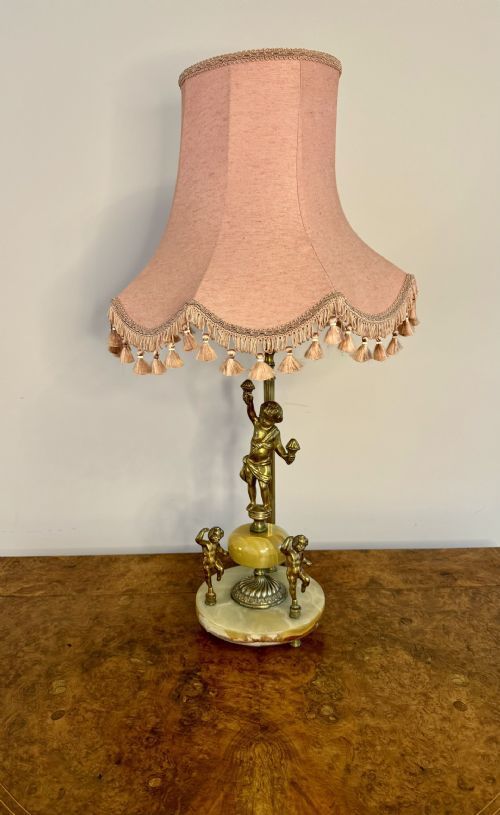


Classical Cherub Lamps
Classical cherub lamps bring figural presence and warm illumination to an interior, blending sculpted charm with period lighting.
Classical Cherub Lamps
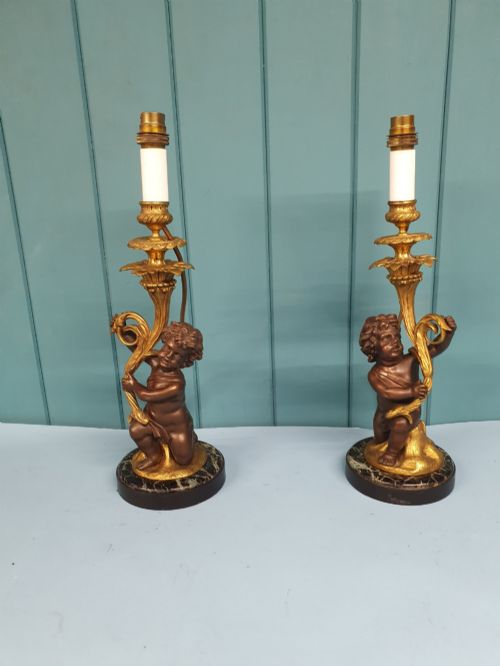
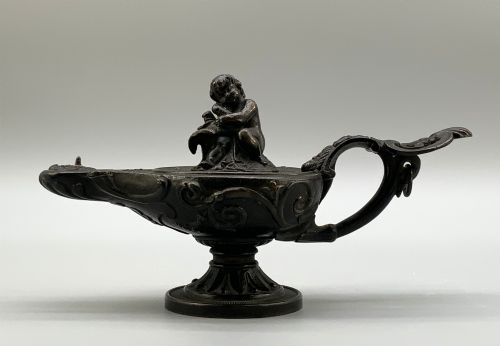
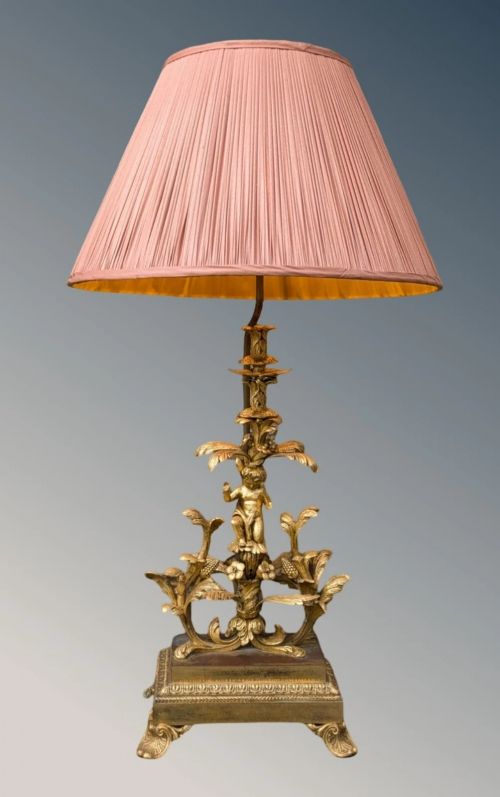
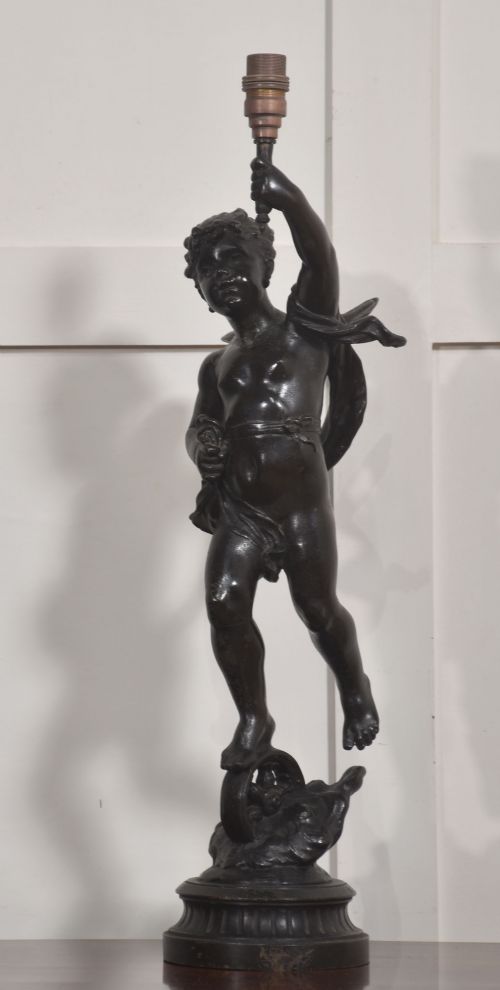
Classical cherub lamps are figural lighting pieces that incorporate winged cherub figures into forms such as table lamps, oil lamps, wall sconces, and chandeliers. Buyers seeking classical cherub lamps will encounter various configurations, from matched pairs of table lamps to single torchère and figural oil lamp bases.
The selections span periods from the Victorian era and the nineteenth century through the early decades of the twentieth century, including nineteen-ten and nineteen-twenty. Styles represented lean toward French Rococo Revival, Neoclassical, French Empire, French Chateau, and Edwardian designs.
Most examples function as table lamps or wall lights, often retaining architectural or decorative bases of marble, onyx, or brass. These pieces serve as both functional illumination and sculptural focal points within a room.
How they were made
Makers utilised cast metals such as bronze, gilt bronze, ormolu, brass, and silver plating to form the primary structures and figural cherub components. Patinated finishes and rich gilding were frequently applied to enhance the depth and texture of the cast figures.
Many designs incorporate mineral bases, pairing metal figures with sections of marble or onyx to provide stability and visual contrast. Additional materials such as glass, fabric shades, oak, moulded plaster, and painted tole peinte appear across different object types.
Object types span table lamps, oil lamps, wall sconces, chandeliers, and wall lights.
What varies in quality
Integration between the figural base and the lighting components also dictates standard, with superior examples showing considered assembly where electrical or oil-burning fittings complement rather than obscure the sculpture.
The Classical Cherub Lamps Glossary
- Ormolu
- Gilded bronze, typically produced by applying a mercury-gilding technique to cast bronze objects during the eighteenth and nineteenth centuries. This finish imparts a rich, warm golden lustre that distinguishes higher-end French metalwork.
- Tole peinte
- Painted sheet metal, often tin or steel, used historically for decorative lamp bodies and shades. It provides a smooth surface for hand-painted ornamentation.
- Torchère
- A stand or lamp modelled on a torch-holder, frequently taking the form of a classical figure holding an elevated light source. In cherub lamps, the figure often supports the torch directly.
- Grand Tour
- A cultural journey undertaken by nineteenth-century travellers who collected classical antiquities and bronzes to bring back home. Pieces from this context often display classical sculptural influences.
Classical Cherub Lamps: Frequently Asked Questions
How are classical cherub lamps powered?
Many surviving examples have been adapted for modern electrical use while retaining their original nineteenth or early twentieth-century metal bases and figural components.
Some earlier formats, such as oil lamps, require careful rewiring or conversion if used as standard table lighting in a contemporary home.
Where should I place a cherub wall light?
Wall sconces and twin-arm wall lights suit flanking positions around mirrors, fireplaces, or architectural doorways where their figural elements can be appreciated.
Ensure the mounting surface supports the combined weight of the metal casting and any associated marble or glass elements.
How do I distinguish nineteenth-century examples?
Nineteenth-century pieces typically rely on heavier cast bronze, patinated finishes, and fire-gilded ormolu rather than lighter plated brass.
Examination of the construction methods, screw threads, and the wear patterns on the metal underside often indicates the manufacturing period.
Can I use standard lamp shades?
Many table lamps accommodate standard fabric shades, provided the harp or fitting matches the proportions of the cherub figure below.
Some period designs pair with specific shade styles, such as moulded plaster or fabric designs, which complement the original aesthetic.