



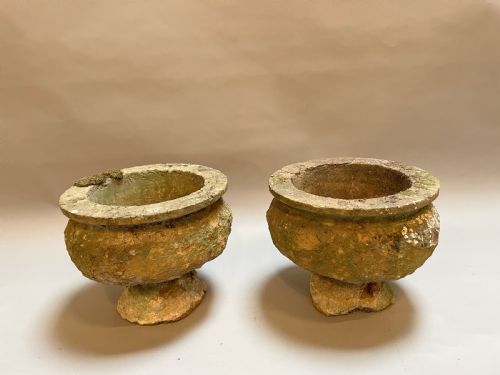
Classical Carved Urn
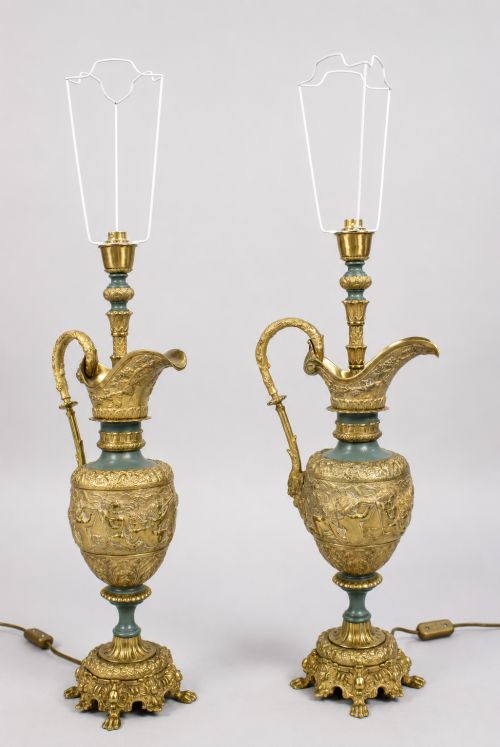
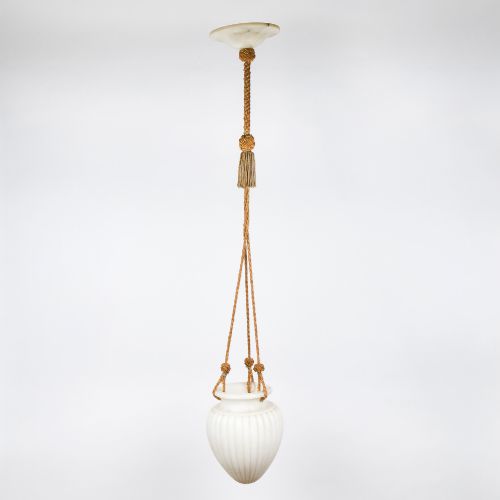
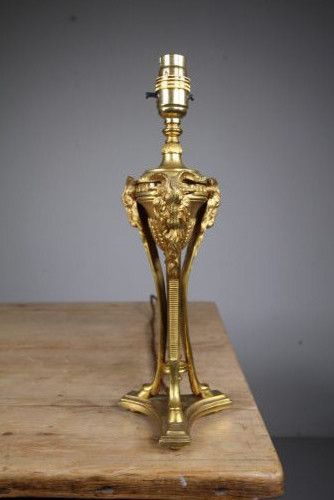
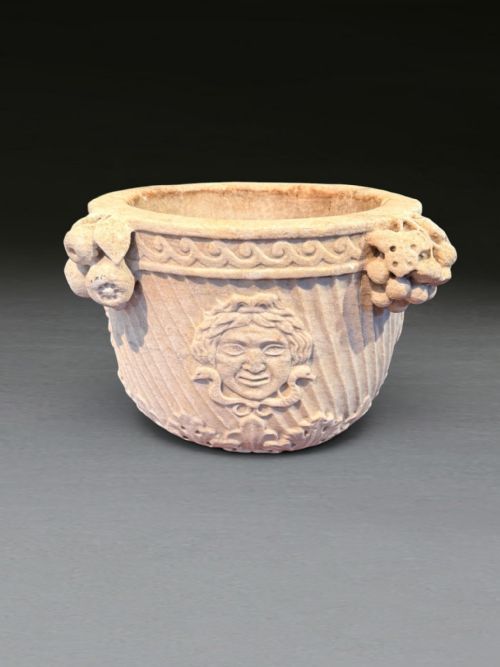
These classical carved urn pieces bring architectural dignity and enduring sculptural form to an interior.
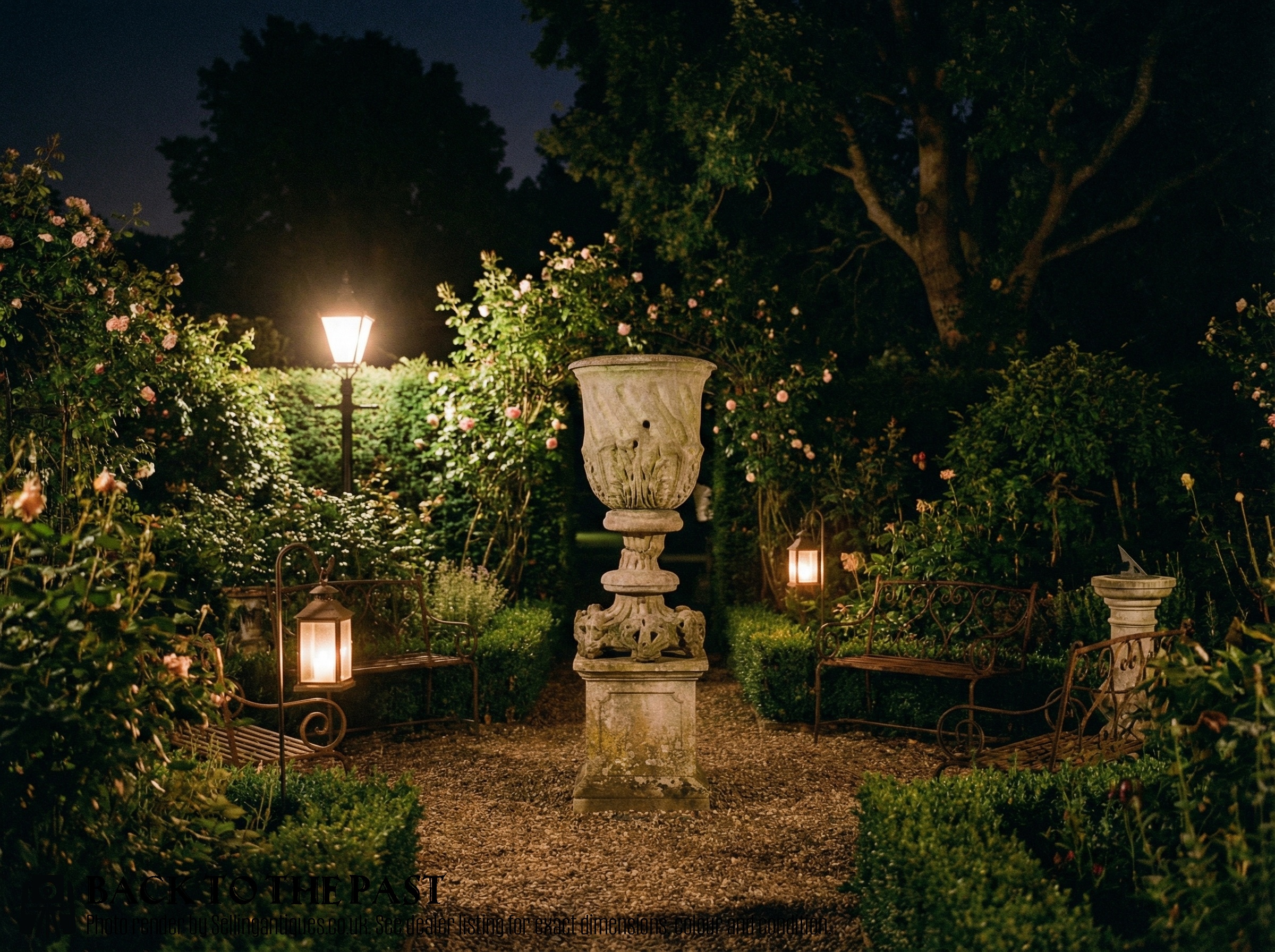
Classical Carved Urn
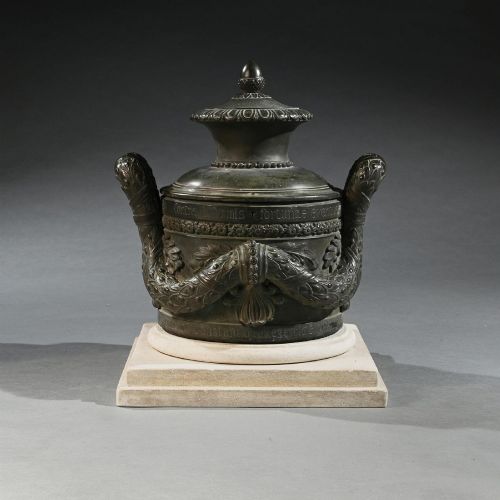
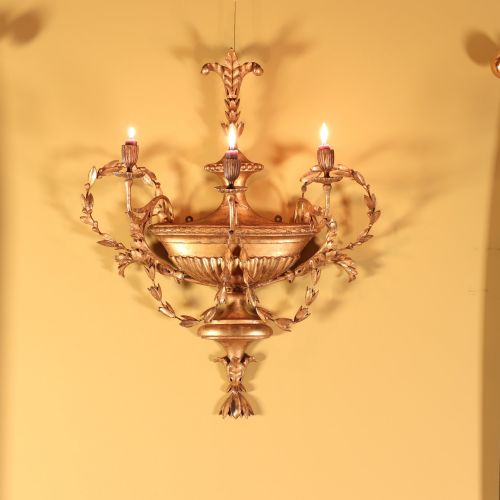
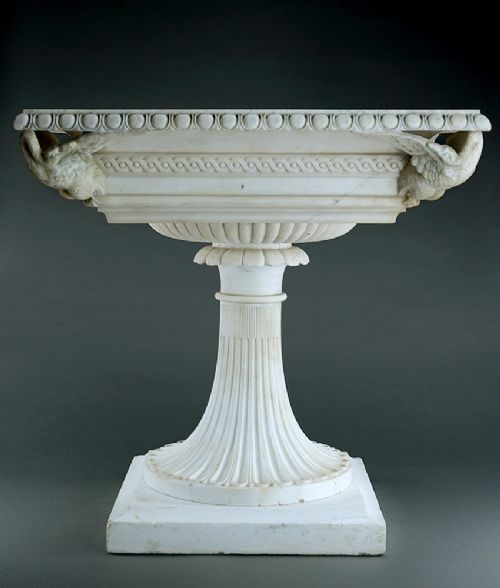
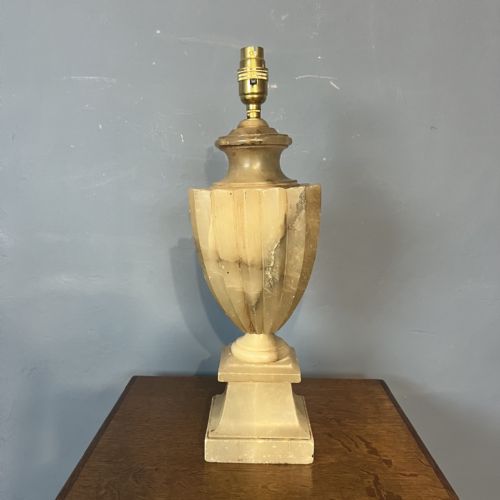
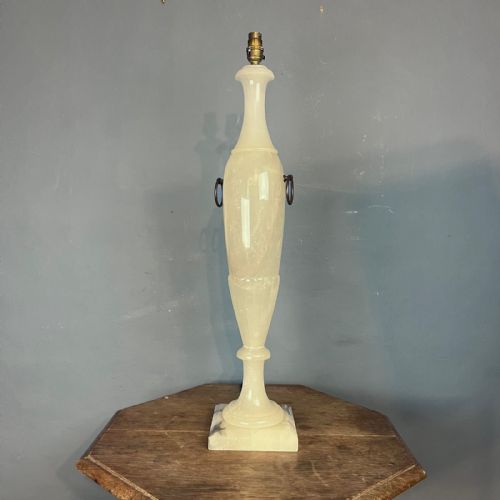
A classical carved urn draws on ancient Mediterranean shapes, appearing in varied iterations from the eighteenth century through the twentieth century. These objects function as decorative focal points, garden vessels, and occasionally adapted lighting.
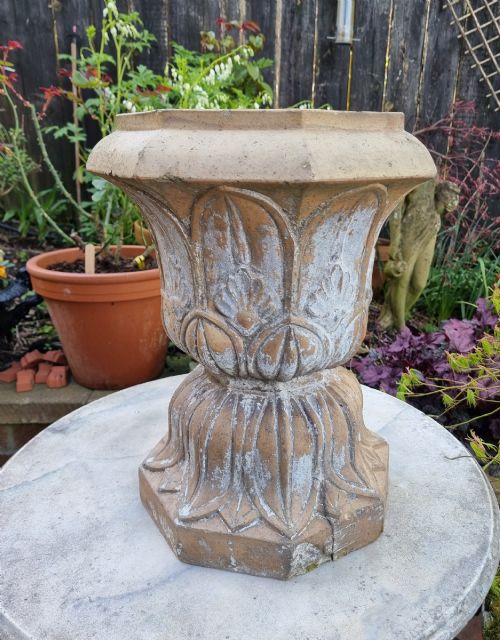
The selections available here frequently manifest as Italian marble table lamps, Grand Tour alabaster vessels, and nineteenth century terracotta garden planters. Buyers will encounter both grand architectural pieces and smaller decorative items shaped by neoclassical tastes.
Originating largely from British, French, and Italian workshops, these items reflect enduring fascination with antiquity. The periods span Georgian craftsmanship, Victorian revivalism, and early twentieth century interpretations.
Materials and construction methods
Craftsmen utilised dense stones including white alabaster, variegated marble, and soft stone, shaping them through meticulous hand carving and turning on lathes. Bronze, brass, and giltwood components often complement the stone bodies.
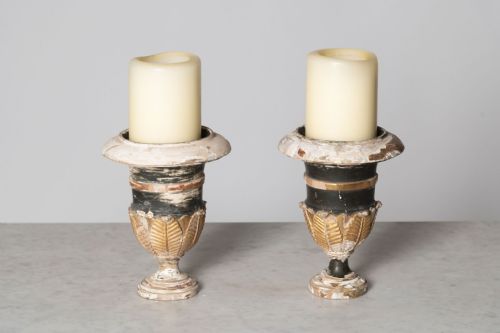
Surface treatment involves careful polishing of stone to reveal natural veining, alongside the application of gesso and gilding on wooden elements. Metal fittings are cast, chased, and patinated to achieve historical depth.
Listings span the eighteenth century to the twentieth century, featuring materials such as marble, alabaster, terracotta, and bronze.
Judging quality and craftsmanship
Superior quality rests in the crispness of the carving and the natural selection of the stone. Artisans who coax subtle depth from marble or alabaster elevate a vessel beyond mere utility.
Proportion and material integrity dictate distinction. Heavy, well-patinated terracotta and finely grained white alabaster separate exceptional sculptural output from simpler moulded pieces.
The Classical Carved Urn Glossary
- Alabaster
- A fine-grained, translucent stone utilised for carved vessels and lighting. This material catches ambient light through its natural layers.
- Campana
- A bell-shaped garden or decorative urn originating from Roman antiquity. Such vessels frequently stand upon circular bases with flared rims.
- Grand Tour
- A cultural journey undertaken by wealthy Europeans that popularized collectible antiquities and classical souvenirs. These objects often include miniature marble tazzas and architectural models.
- Ormolu
- Gilt bronze ornamentation applied to furniture, lighting, and decorative vessels. The technique involves amalgamation with mercury to achieve a durable golden finish.
- Tazza
- A shallow bowl or cup mounted upon a stem and foot. These pieces frequently appear in carved marble or stone for display.
Classical Carved Urn: Frequently Asked Questions
What defines a classical carved urn?
These decorative objects take their shape from ancient Greek and Roman vessels, adapted by later makers into ornaments, garden planters, and table lamps.
They rely on traditional materials like marble, alabaster, terracotta, and bronze, reflecting sustained periods of neoclassical revival.
How are these urns used in interiors?
Buyers typically place larger stone and terracotta urns in reception rooms, halls, or gardens as sculptural anchors.
Smaller iterations, particularly those converted into table lamps or fashioned from alabaster, sit upon side tables to provide warm ambient illumination.
How can I tell the period?
Dating relies upon material analysis, tool marks, and the specific stylistic revival present in the carving. Eighteenth century examples show hand-chiseled surfaces and particular patination.
Nineteenth and twentieth century pieces often incorporate standardised metal fittings or machine-turned elements alongside traditional hand finishing.
Are these pieces suitable for gardens?
Certain heavy terracotta and stone urns and planters withstand outdoor placement if sheltered from severe frost. Porous materials require careful winter management to prevent cracking.
Interior alabaster and giltwood items must remain inside away from moisture and direct weather exposure.