


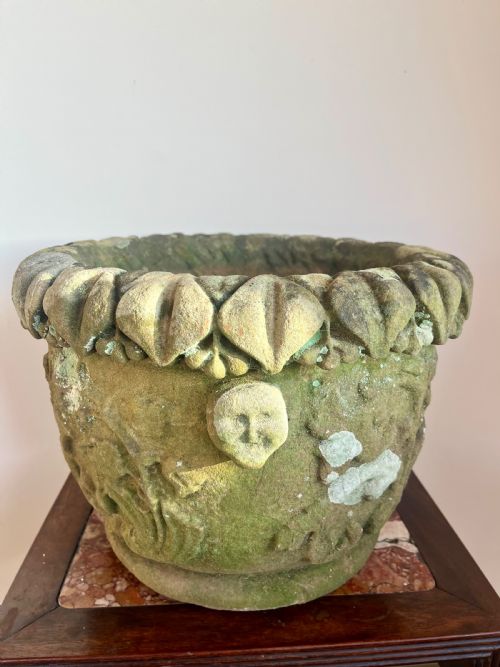


Classical Carved Planters
Classical carved planters are sculptural vessels for horticulture, bringing architectural presence and formal planting to gardens and terraces.
Classical Carved Planters
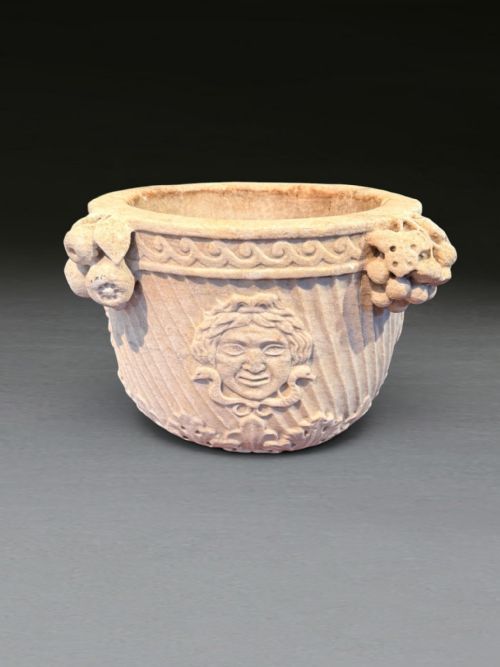
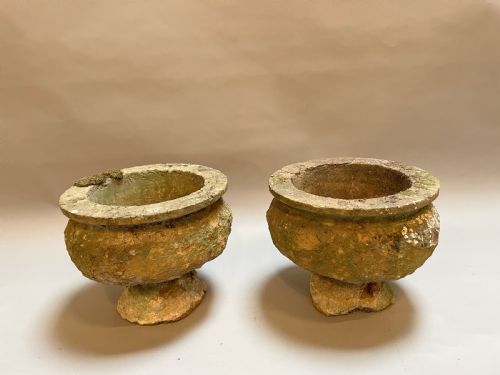
Classical carved planters encompass garden urns, cisterns, and campana shapes drawn from antique forms. When exploring classical carved planters, you encounter pieces spanning from the sixteenth century through the twentieth century, with nineteenth-century examples appearing frequently.
Forms range from Italian Renaissance marble urns and Georgian cisterns to Edwardian cast stone altars and terracotta jardinières. Makers and carvers utilised traditional silhouettes such as tazza urns, campana shapes, and carved stone baskets for garden display.
Origins vary across British, Scottish, and continental European workshops, particularly Italian sources associated with the Grand Tour. These vessels function as focal points in garden design, holding plants while displaying sculptural relief carving.
How they were made
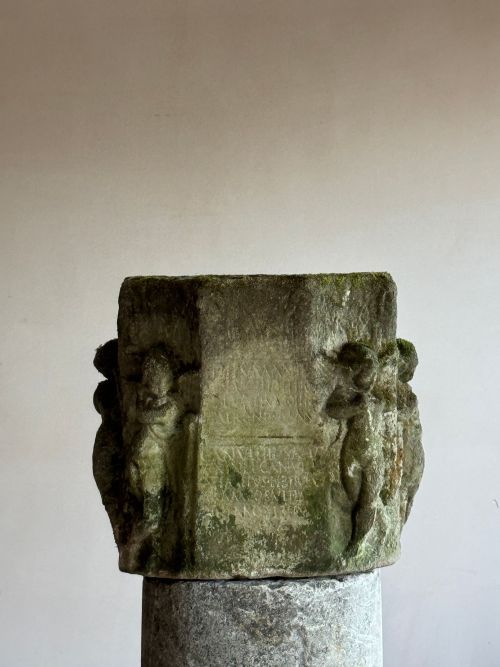
Carvers shaped these planters from natural materials including marble, limestone, alabaster, soft stone, and various stones using hand chisels and mallets. Stonemasons and sculptors worked blocks to create fluted bodies, handles with carved heads, and classical friezes.
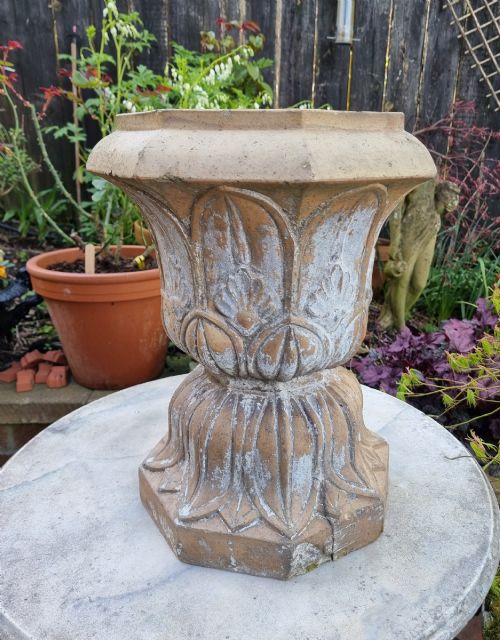
Potters moulded and fired terracotta to produce garden urns and buff terracotta planters, sometimes adding hand-finished details to the damp clay before firing. Other pieces employ cast stone or reconstituted stone, poured into moulds to replicate the appearance of carved masonry.
Materials across the listings include marble, terracotta, limestone, alabaster, bronze, and cast stone spanning the sixteenth to the twentieth century.
What varies in quality
Quality rests upon the crispness of the carving, the selection of the stone or marble, and the proportion of the classical design. Master carvers achieved depth and fluidity in acanthus leaves, handles, and sculptural details that lesser hands rendered stiffly.
The integrity of the material dictates longevity, particularly for pieces exposed to weather outdoors. Terracotta with consistent firing and stone free from structural fissures command attention for their material stability and aesthetic weight.
The Classical Carved Planters Glossary
- Campana urn
- A bell-shaped garden vessel with an everted rim, frequently mounted on a pedestal or plinth. This classical form dates back to antiquity and experienced revivals across Georgian and Victorian periods.
- Tazza urn
- A shallow bowl-shaped vessel on a high foot, resembling an ancient drinking cup. Sculptors carved these from marble and stone for ornamental garden placement.
- Grand Tour
- A traditional trip through Europe undertaken by upper-class Europeans during the eighteenth and nineteenth centuries. Travellers collected antiquities and Italian carved marble pieces to bring back to British estates.
- Terracotta
- Fired brownish-red clay utilised for garden urns and planters. Porous and durable, it acquires patination through exposure to the elements.
- Cistern
- A large rectangular or oblong vessel originally used for holding water or bathing. In garden contexts, carved stone and marble cisterns serve as substantial planters.
Classical Carved Planters: Frequently Asked Questions
Where should I place a stone urn?
Position stone and marble urns on terraces, at the ends of paths, or as focal points within formal garden beds where their weight provides stability.
Ensure the surface is level and capable of supporting heavy masonry, particularly for large nineteenth-century marble or limestone examples.
Can terracotta planters stay outside in winter?
Terracotta garden planters generally withstand outdoor conditions, but severe frost can damage damp earthenware if water freezes within the porous clay.
Elevate planters on pot feet during freezing weather to encourage drainage and prevent cracking.
How do I identify a neoclassical style?
Neoclassical pieces draw direct inspiration from ancient Greek and Roman art, featuring restrained symmetry, egg-and-dart moulding, and classical foliage.
Look for motifs such as acanthus leaves, classical figures, and campana silhouettes that reflect eighteenth and nineteenth-century revivals.
What is reconstituted stone?
Reconstituted stone is a composite material made from crushed natural stone aggregate mixed with a binder such as cement, cast into moulds.
Edwardian and later makers utilised this technique to produce architectural ornaments and planters that mimic carved stone at a different scale of production.