
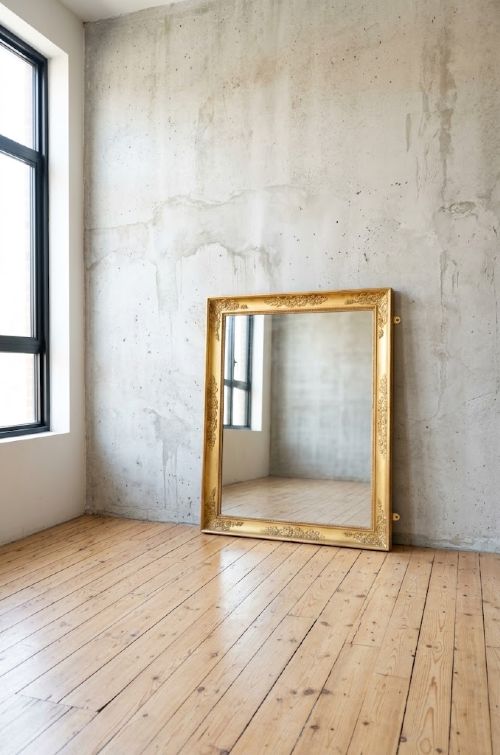
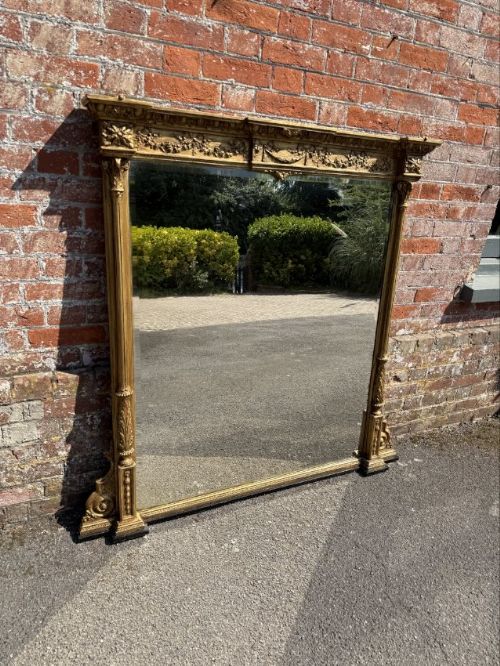
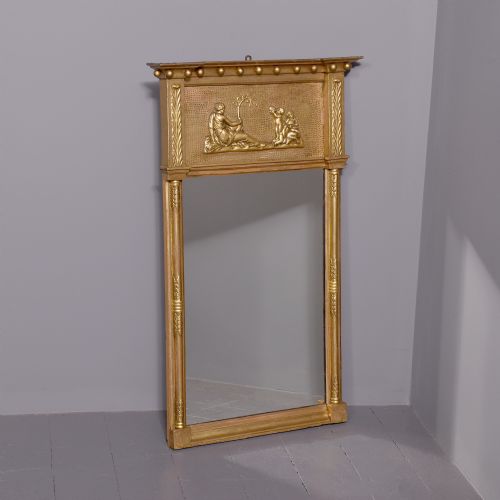
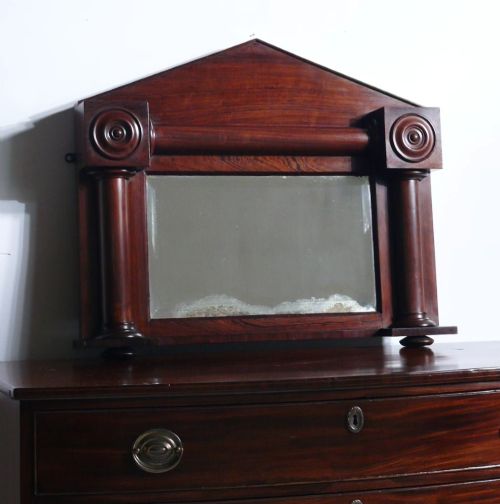
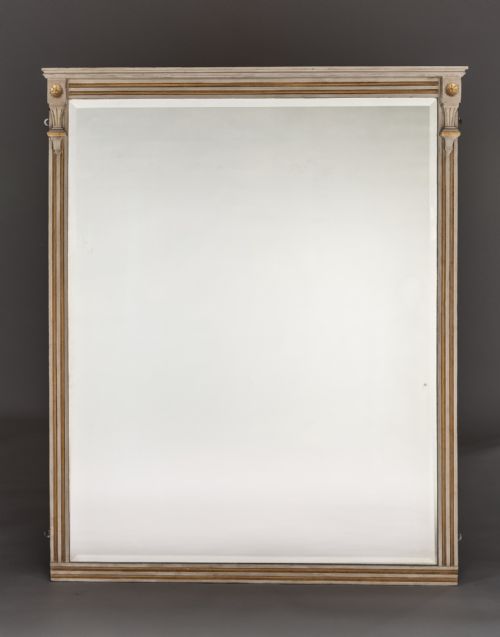
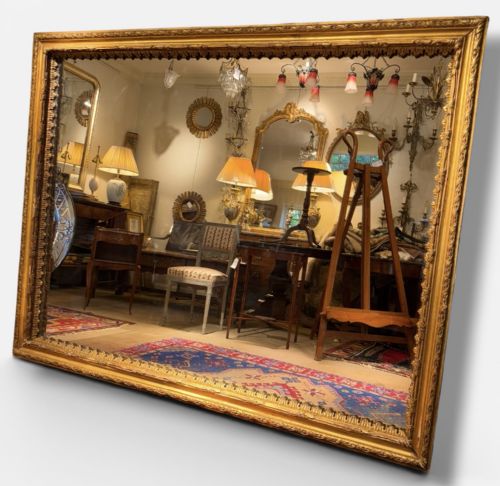
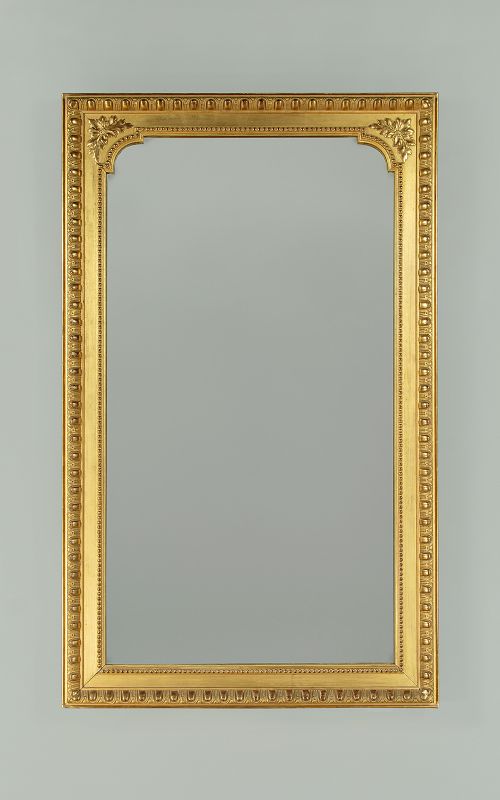

Classical Carved Overmantel Mirror
A classical carved overmantel mirror brings architectural presence and reflected light to a fireplace wall.
Classical Carved Overmantel Mirror
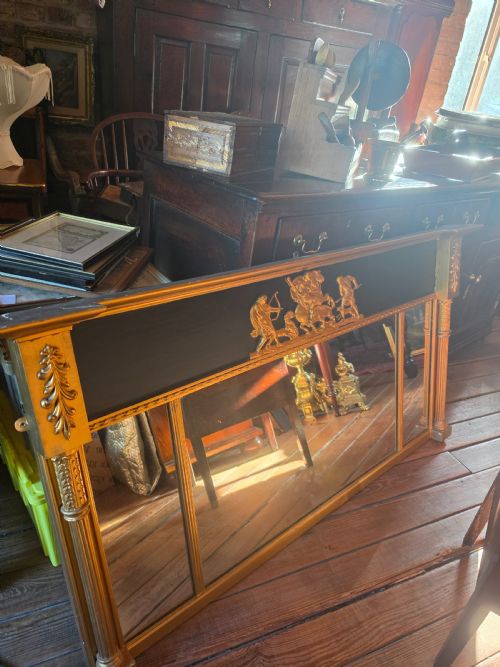
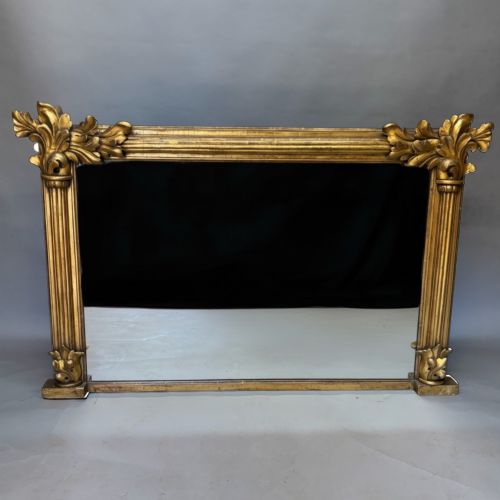
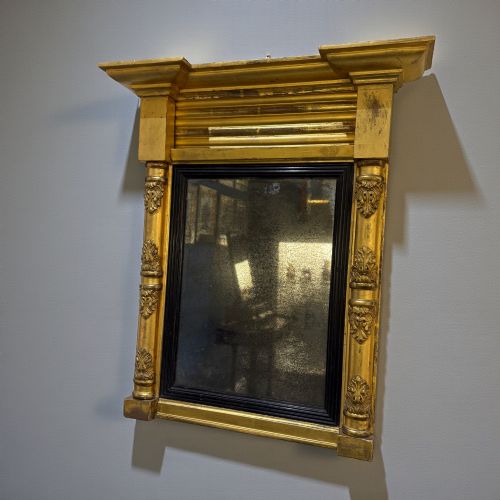
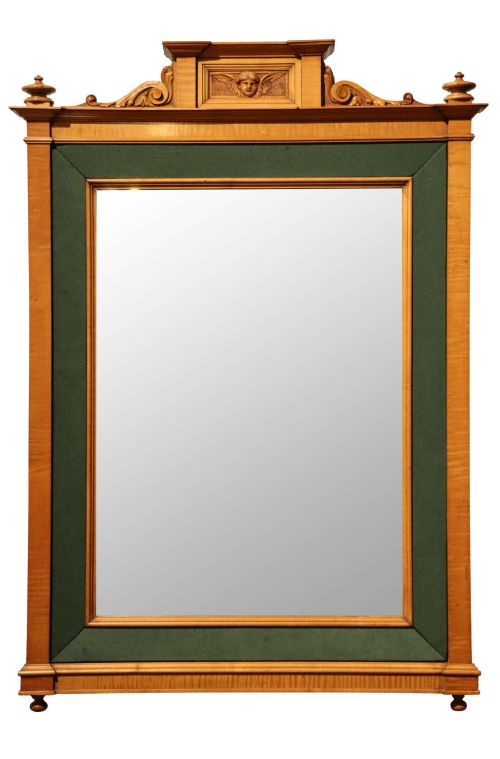
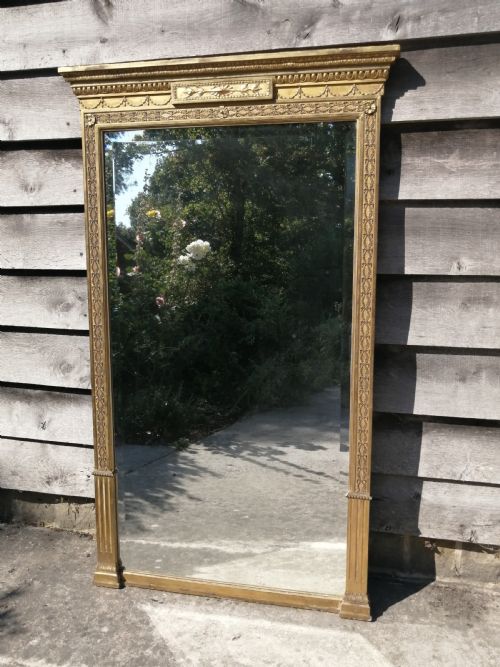
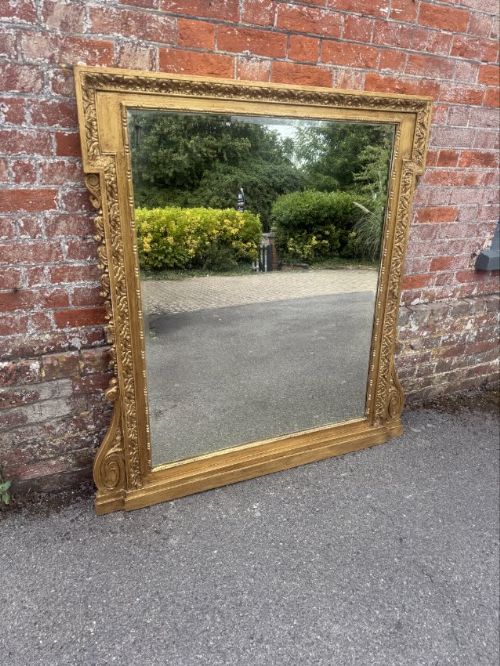
A classical carved overmantel mirror sits above a mantelpiece, drawing the eye with formal proportions and traditional motifs. When you search for a classical carved overmantel mirror, you encounter pieces spanning the Georgian, Regency, and Victorian periods, alongside French styles such as the trumeau and chateau mirror.
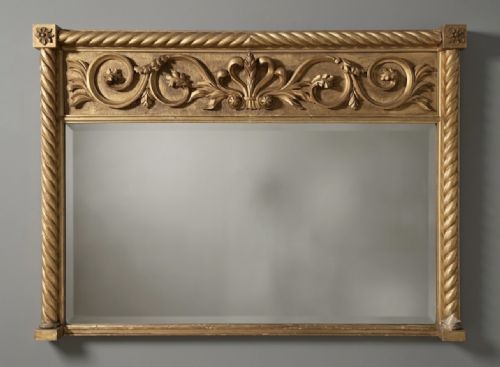
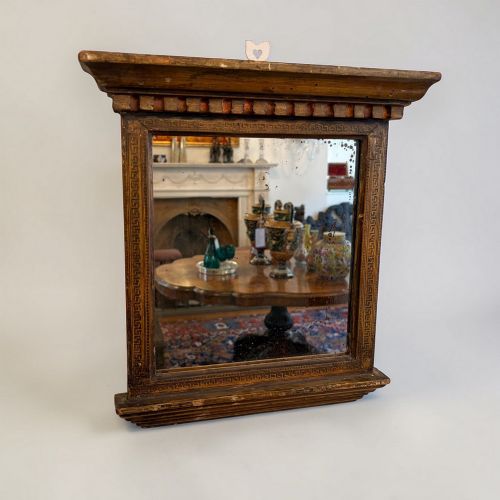
The evidence shows these mirrors take several distinct forms, from large English giltwood overmantels with column frames and triple plates to neat Regency triptychs and French marriage mirrors. Materials range from carved wood and gesso to painted and parcel-gilt surfaces, often retaining original mirror glass.
Most examples date from the nineteenth century, reflecting the tastes of English and French makers who drew heavily on neoclassical and revival designs. Whether grand in scale or restrained in dimension, each piece serves to anchor a room while bouncing daylight across the interior.
How They Were Made
The construction of these mirrors relies on timber frames built from woods such as pine, rosewood, and carved wood, providing a stable foundation for intricate ornamentation. Artisans applied layers of gesso and composition material over the wooden base to build up crisp relief details like floral carvings, rope twists, and classical motifs.
Gilding was then applied using gold leaf or gold paint, sometimes combined with black accents or parcel-gilt techniques to highlight the carved elements. Original glass plates, occasionally accompanied by painted panels or eglomise glass sections, were secured within the frame to complete the piece.
Listings feature periods from the Georgian era through the 19th century into the early 20th century.
What Varies in Quality
The distinction between ordinary and superior pieces lies in the crispness of the carving and the depth of the gilding. Hand-carved wooden details and well-modelled gesso ornamentation hold sharpness and character that moulded composition substitutes simply cannot match.
Proportion and integrity also define the better examples in the range. An overmantel mirror with its original plate glass intact, balanced framing, and harmonious secondary decoration commands attention because the artisan's original design intent remains undisturbed.
The Classical Carved Overmantel Mirror Glossary
- Overmantel mirror
- A large mirror designed specifically to hang on the wall directly above a fireplace mantel. These pieces often feature horizontal proportions to match the width of the fireplace surround below.
- Giltwood
- Timber that has been coated with a thin layer of gold leaf or gold-coloured finish. This material reflects light warmly and characterises many classical interior mirrors.
- Gesso
- A plaster-like mixture applied to wood frames and then carved or moulded into decorative relief details before gilding. It allows for intricate ornamentation such as floral and classical motifs.
- Trumeau mirror
- A decorative wall mirror incorporating a painted panel or an artwork directly above the glass plate. Originating in France, these pieces combine wall panelling aesthetics with functional reflection.
- Pier mirror
- A tall, narrow mirror designed to hang on the pier of wall space situated between two windows. Their vertical format captures and multiplies natural light in period rooms.
- Eglomise
- A technique involving gilding and painting on the reverse side of glass. It appears in classical mirrors as decorative panels alongside the main reflective plate.
Classical Carved Overmantel Mirror: Frequently Asked Questions
Where should an overmantel mirror hang?
These mirrors traditionally hang on the chimney breast directly above the fireplace mantel. Their horizontal scale balances the hearth structure while filling the vertical wall space.
Positioning the piece at this height allows it to reflect light from opposing windows across the room, brightening the entire interior space.
How do I date a nineteenth-century mirror?
Dating relies on examining the construction methods, framing materials, and stylistic details such as neoclassical motifs or Regency proportions. The backing boards, joinery, and type of gilding also provide clues to the period.
Original mirror glass with minor foxing or imperfections further supports an earlier nineteenth-century timeline.
Can these mirrors be cleaned safely?
Cleaning requires gentle dusting with a soft, dry cloth to protect fragile giltwood and gesso surfaces. Moisture should be kept away from the frame to prevent damage to the gold leaf or composition relief.
Glass plates can be cleaned using a mild glass cleaner applied directly to a cloth rather than sprayed onto the mirror, avoiding contact with the antique frame edges.