
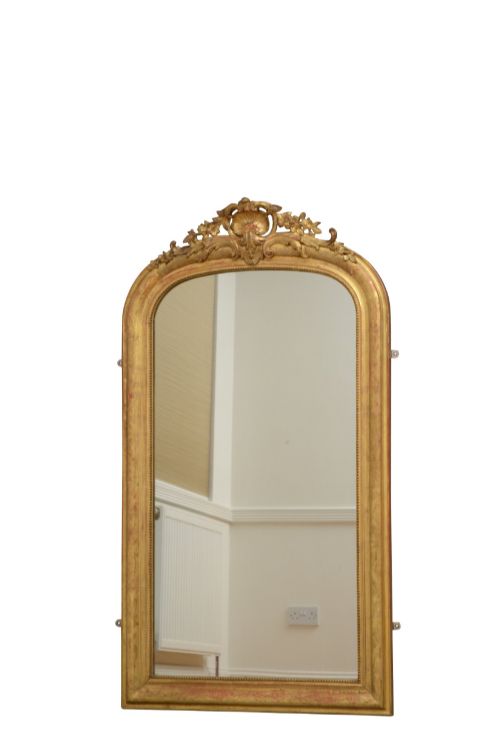
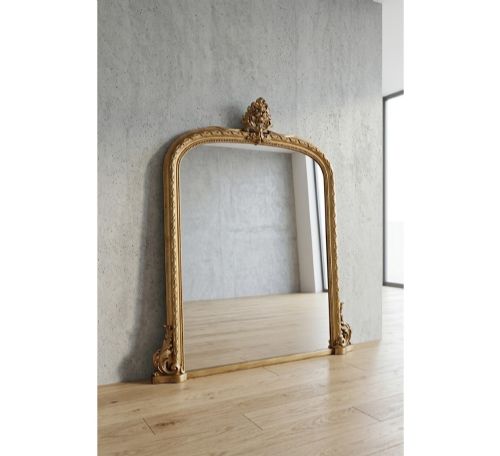
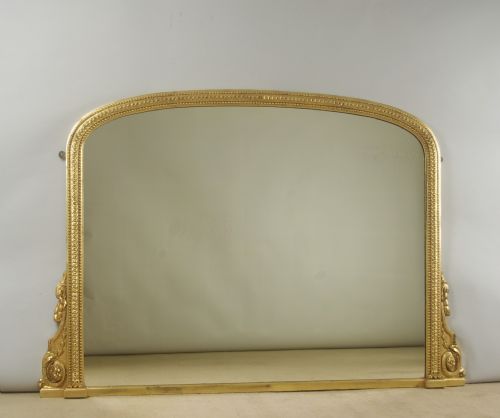
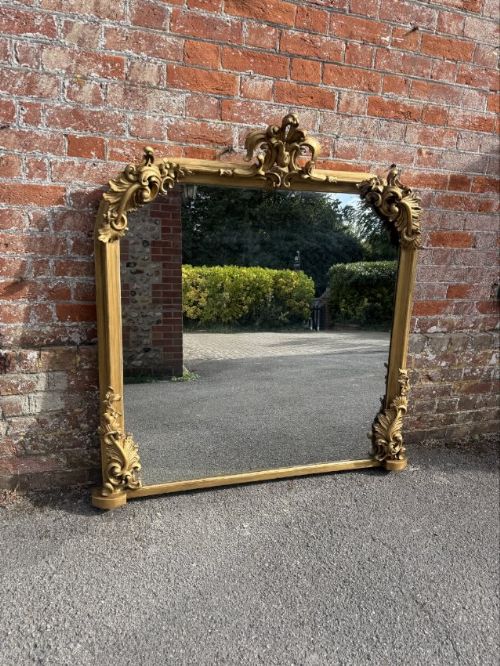


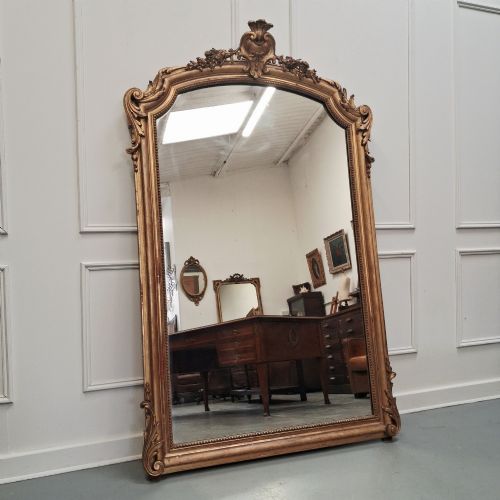
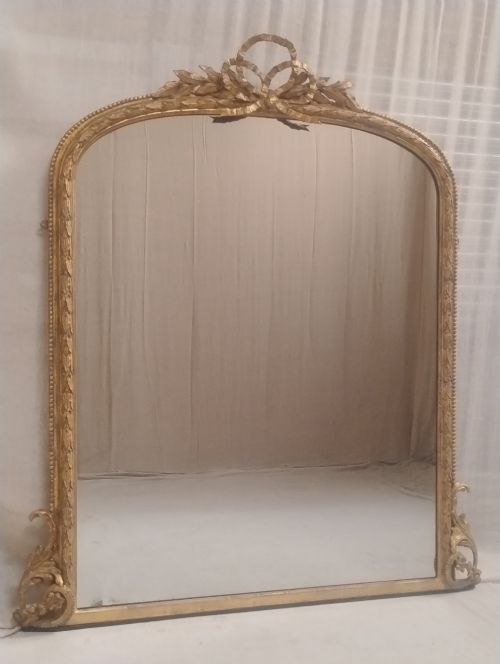
Giltwood Arched Wall Mirror
A giltwood arched wall mirror brings architectural depth and reflected light to a room, spanning 18th-century George II designs to large Victorian overmantels.
Giltwood Arched Wall Mirror
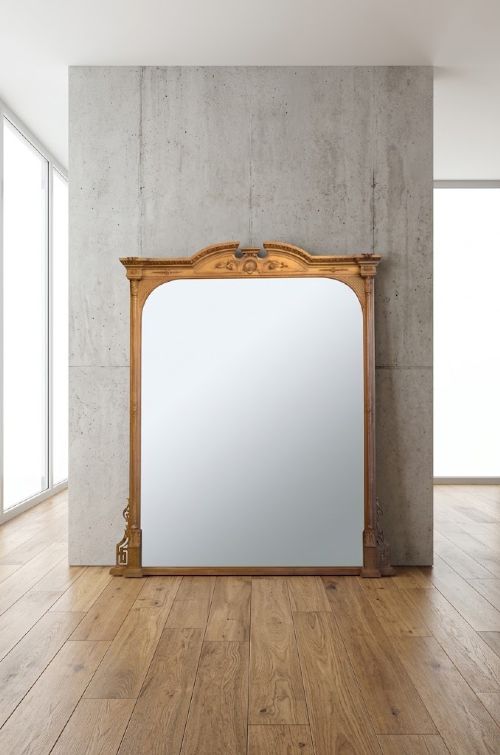
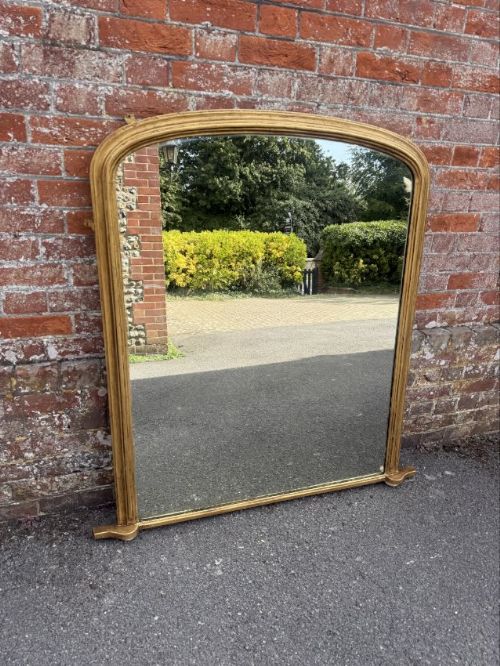
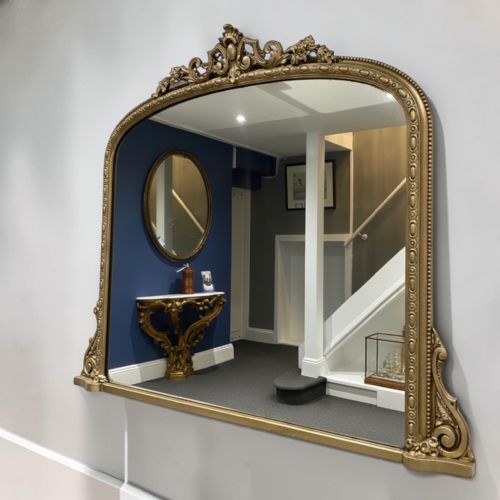
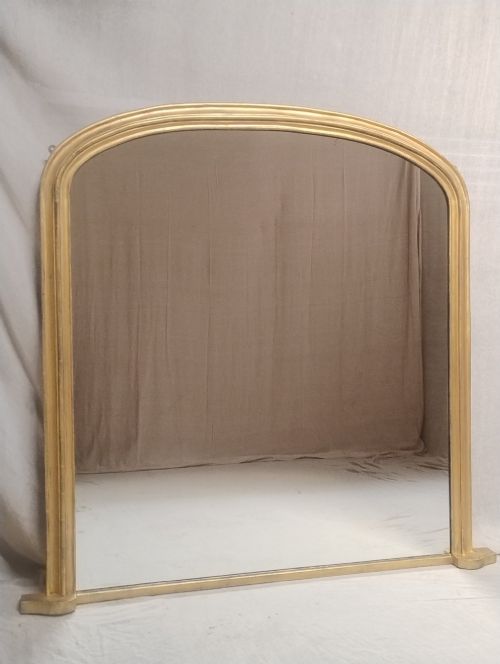
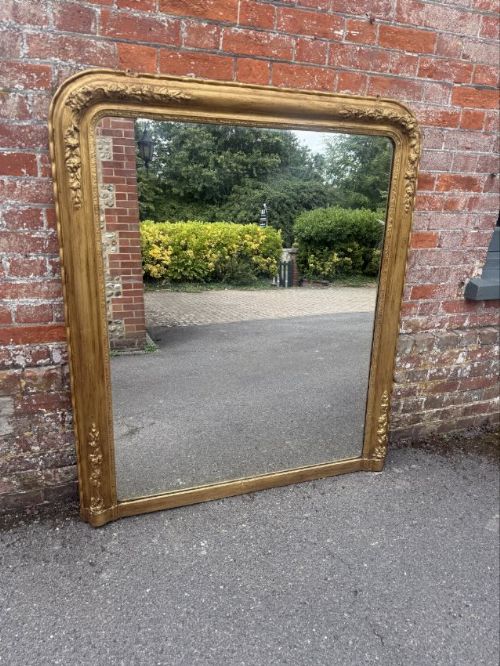
A giltwood arched wall mirror is primarily encountered in large formats designed to sit above a mantelpiece or serve as a substantial pier glass. The selection is dominated by 19th-century examples, particularly Victorian and French Louis Philippe styles, alongside earlier Georgian iterations.
Makers produced these large wall mirrors to dominate a reception room, frequently incorporating curved or arched tops to soften the scale. English and French workshops favoured architectural proportions that reflected natural light deep into Victorian and period drawing rooms.
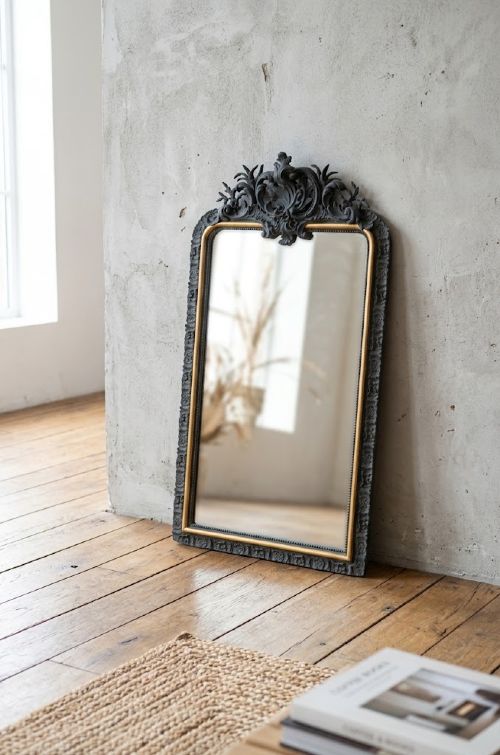
The form encompasses overmantel mirrors, pier mirrors, and arched wall variants that combine timber structures with reflective glass. These pieces function as both practical looking glasses and decorative focal points within period interiors.
How they were made
Makers constructed the core framework from timber, typically wood or carved wood, before applying layers of gesso to create a smooth surface for gilding. This composition allowed artisans to carve intricate decorative motifs such as rope twists and floral details.
Giltwood and gold leaf were applied over the prepared gesso ground, sometimes supplemented by painted wood or composition ornamentations. Many of these mirrors retain their original mercury glass plates, which often display foxing and age spots.
Listings span the 18th to 19th centuries, encompassing Victorian, Georgian, and French Louis Philippe styles.
What varies in quality
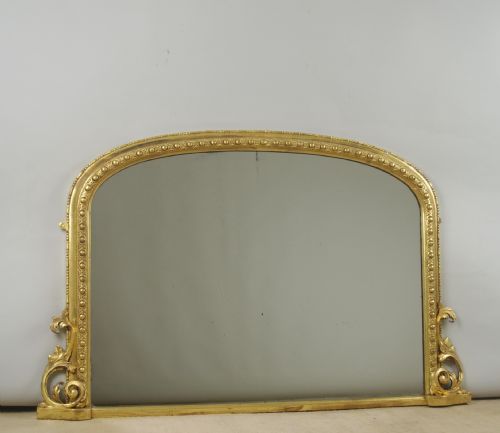
The depth and crispness of the carved wood and gesso ornamentation separate standard examples from superior pieces. Hand-carved rope twists and moulded tulip frames reflect a higher standard of workshop execution than mass-produced composition details.
Proportion and the preservation of original surfaces dictate the desirability of an arched wall mirror. Pieces retaining untouched gold leaf alongside aged mercury glass carry greater integrity than those with later re-gilding or replacement plates.
The Giltwood Arched Wall Mirror Glossary
- Giltwood
- Wood that has been coated with gold leaf or a gold-coloured finish. This material defines the warm metallic aesthetic characteristic of period wall mirrors.
- Gesso
- A plaster-like mixture applied to a wooden base to create a smooth surface for carving and gilding. It allows for sharp relief work on decorative frames.
- Overmantel mirror
- A large mirror specifically designed to hang above a fireplace mantel. These pieces often feature an arched top to match architectural fireplace surrounds.
- Mercury glass
- A type of mirrored glass produced by coating the back with a silver and mercury amalgam. It is known for a characteristic mottled ageing effect known as foxing.
- Pier mirror
- A tall mirror designed to hang on the pier or wall space between windows. They frequently match the vertical proportions of 19th-century domestic architecture.
- Louis Philippe
- A French style spanning the 19th century characterised by understated elegance and softened rectangular or arched outlines. These mirrors often feature gentle curves without heavy ornamentation.
Giltwood Arched Wall Mirror: Frequently Asked Questions
Where should I hang an arched wall mirror?
An arched wall mirror is traditionally positioned above a fireplace mantelpiece as an overmantel, where its height draws the eye upward. Alternatively, place it on a blank wall opposite a window to maximise reflected light and create a sense of extended space.
Ensure the wall construction can support substantial weight, particularly with large 19th-century timber and gesso frames. Heavy mirrors require secure fixings anchored directly into wall studs or masonry.
How do I identify a Victorian giltwood mirror?
Victorian examples frequently display robust proportions, distinct arched tops, and decorative elements such as rope twists or tulip motifs. They are typically constructed from a heavy wooden carcass coated in gesso and gilt.
Compare the framing style and backing boards to period conventions. Mid to late 19th-century pieces often utilise heavier composition ornamentation compared to lighter 18th-century equivalents.
What is foxed glass on an antique mirror?
Foxing refers to the dark spots, speckles, and mottled patches that develop within the reflective backing of older mirrors over time. This chemical ageing process occurs as air interacts with the silvering or mercury behind the glass.
Many collectors prize genuine foxed mercury glass because it confirms the age of a 19th-century piece. It provides a soft, atmospheric reflection rather than the harsh clarity of modern glass.
How do French and English mirrors differ?
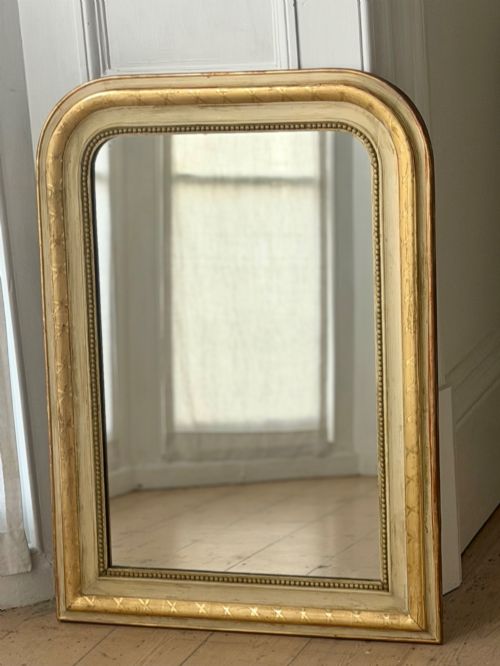
French mirrors from the 19th century, such as Louis Philippe or Rococo styles, often feature subtle curves, painted wood elements, and refined frames. English overmantel mirrors tend to be heavier, incorporating architectural gesso carvings and rope twist details.
Both regional traditions utilised similar gilding techniques on wood substrates. Examining the joinery and framing proportions usually reveals the country of origin.