


Classical Bust Sculptures
Classical bust sculptures bring ancient mythology and historical figures into interior spaces through carved stone and cast metal.
Classical Bust Sculptures
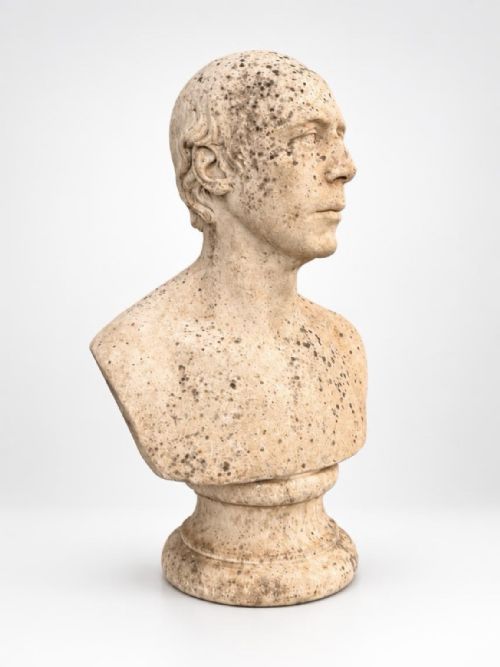
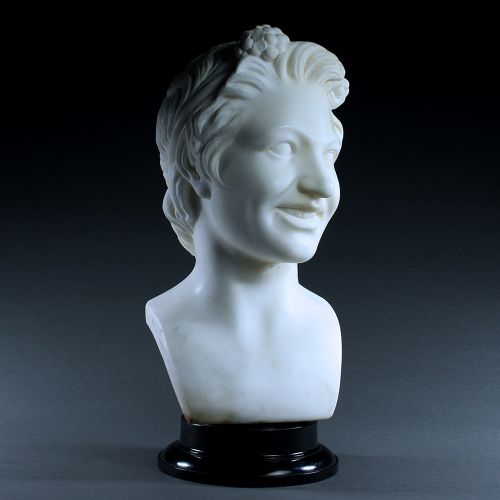
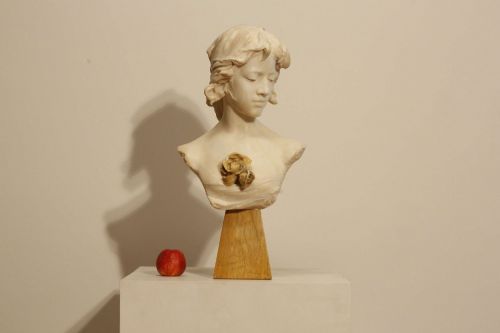
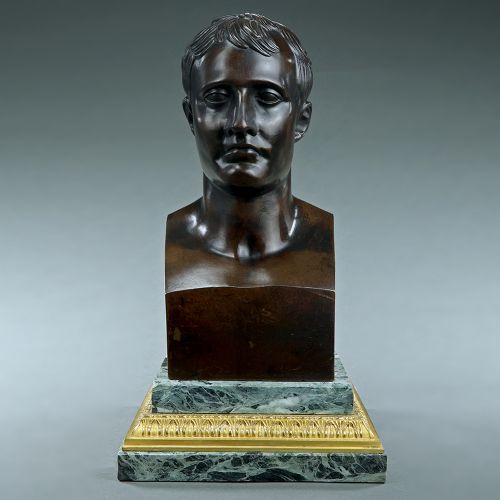
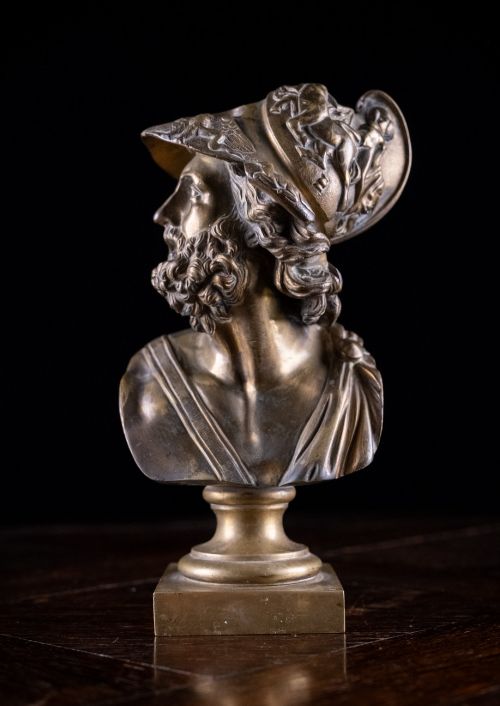
Classical bust sculptures depict figures from mythology, history and literature, ranging from Greek deities and Roman emperors to composers and noblemen. When searching for classical bust sculptures, buyers encounter works executed in materials like statuary marble, alabaster and bronze.
The objects on this page originate predominantly from the nineteenth century, including Grand Tour pieces brought back by travellers from Italy, alongside Victorian interpretations and twentieth-century examples. Forms include standalone portrait heads on socles, works mounted on display columns, and carved wall plaques.
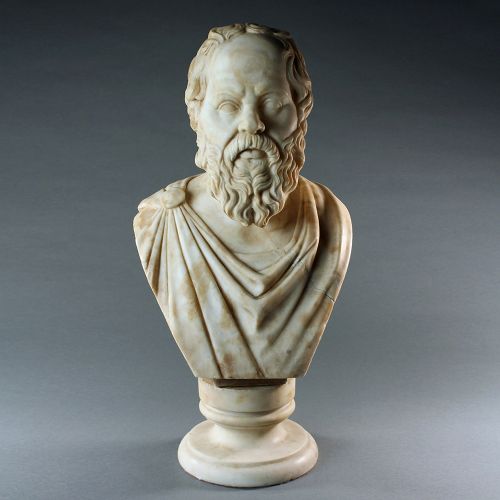
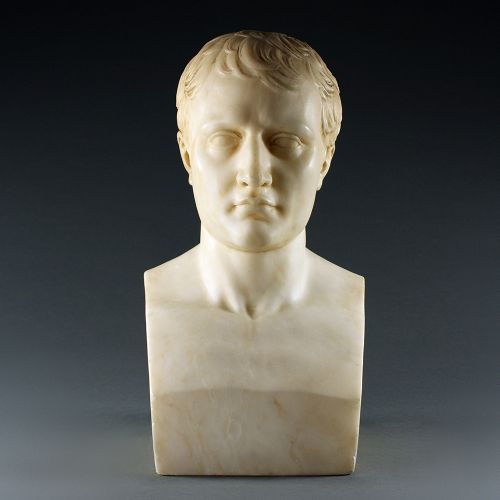
Subjects span ancient philosophers like Socrates, mythological figures such as Hermes and Zeus, and literary or historical personalities including Napoleon and Beethoven. These pieces reflect Neoclassical, Baroque and Art Nouveau stylistic influences across different European workshops.
How they were made
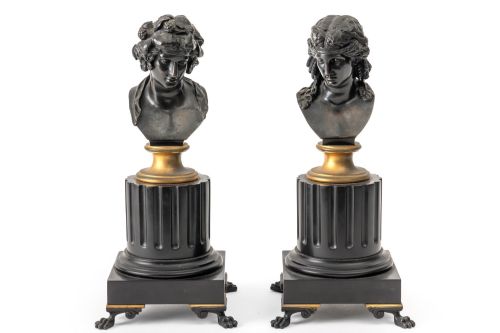
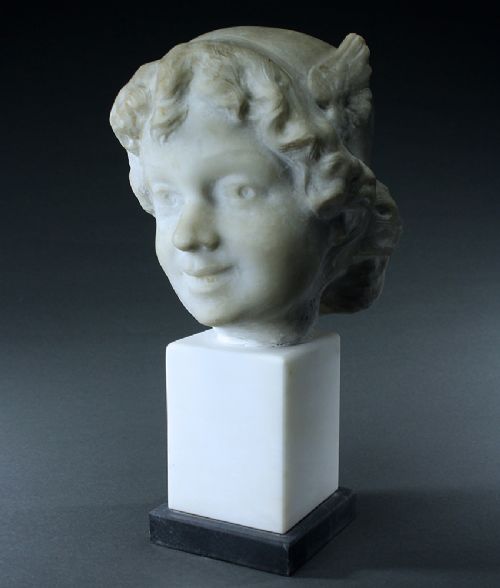
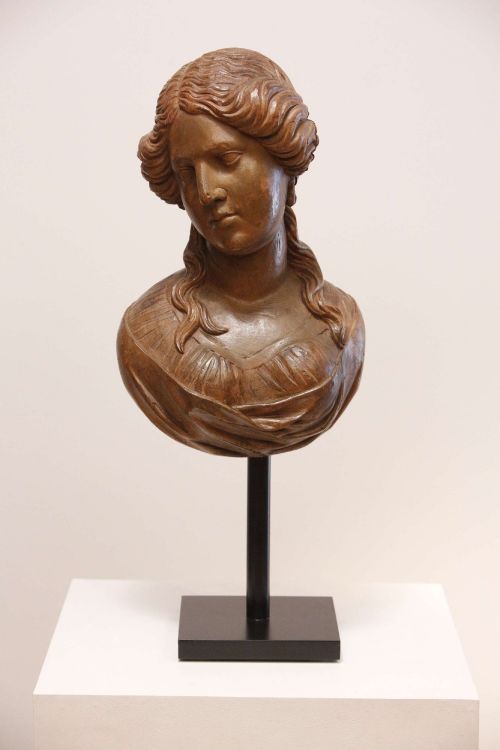
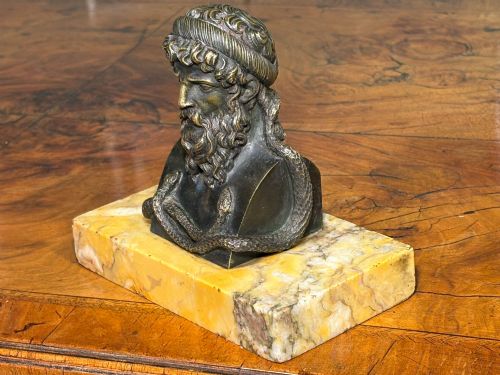
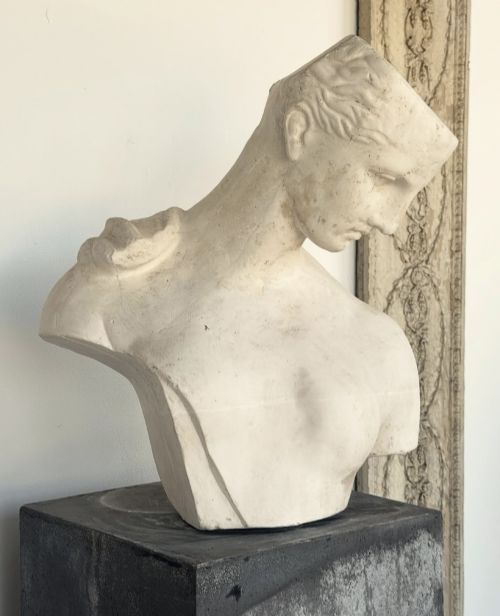
Sculptors utilised natural media such as Carrara and prato verde marble, alabaster and carved wood, shaping the material with chisels and rasps to achieve detailed facial expressions and drapery. Bronze and gilt bronze versions were produced through metal casting techniques, often finished with patination.
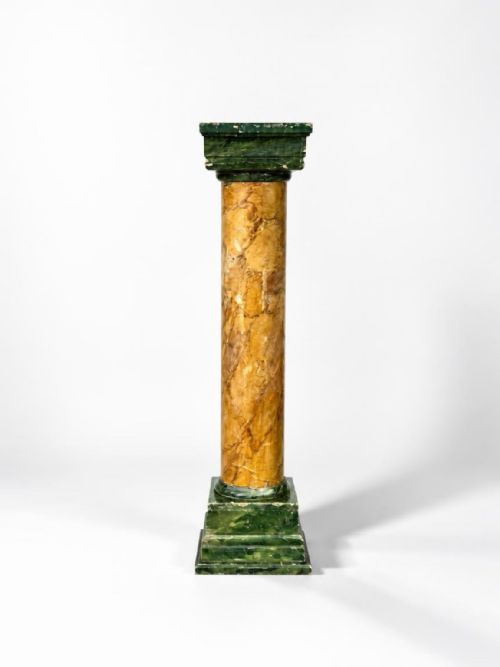
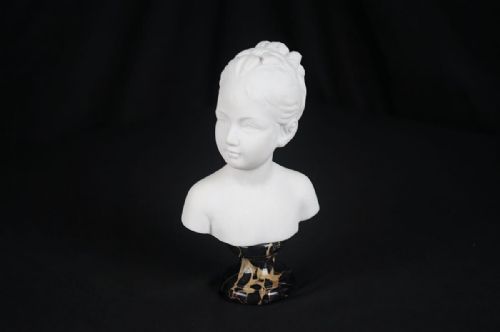
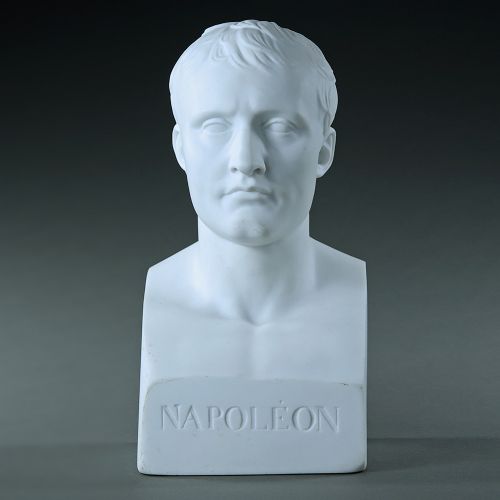
Plaster and parian ware served as alternative moulding materials for portrait busts, allowing reproducible forms derived from original sculptural studies. Socles and display pedestals incorporated contrasting marbles, inlaid stones and faux finishes to support the main sculpture.
Classical Bust Sculptures Retail Price Guide 2026
Typical asking prices for classical bust sculptures among the pieces listed under this phrase on Sellingantiques today, from the lower quarter to the upper quarter. They describe what is for sale here now, not the wider market.
Materials span marble, bronze, alabaster, plaster, terracotta and parian ware, with the nineteenth century dominating the chronological spread.
What varies in quality
The distinction between standard and superior pieces rests on the finesse of the carving and the fidelity of the casting. Finer marble examples display subtle modulation in the musculature and fabric, whereas lesser items rely on simpler, blocky execution.
Signature markings from documented makers or sculptors elevate an object, as do well-proportioned socles and high-grade materials like statuary marble instead of standard plaster.
Corio·Jean-Antoine Houdon·Chaudet·Affortunato Gory·J Francis·Thomas Hope
The Classical Bust Sculptures Glossary
- Socle
- A short plinth or pedestal supporting a bust. It provides a stable base and lifts the sculptural portrait visually.
- Grand Tour
- A cultural journey of Europe undertaken by wealthy young men in the eighteenth and nineteenth centuries. Travellers acquired small-scale bronzes and marble busts as souvenirs.
- Parian ware
- A type of fine biscuit porcelain resembling white marble. It was frequently utilised in the nineteenth century for portrait busts of literary and historical figures.
- Alabaster
- A soft, fine-grained stone used for carving decorative objects and busts. Its translucency gives carved surfaces a warm, glowing quality.
Classical Bust Sculptures: Frequently Asked Questions
What materials are used for classical bust sculptures?
Makers produced these sculptures in marble, alabaster, bronze, gilt bronze, terracotta and plaster. Some nineteenth-century examples also utilise parian ware or carved wood.
Material choice often dictates the weight and appearance of the piece, with white marble and patinated bronze being particularly common.
How do you display a bust sculpture?
Busts are traditionally placed on sturdy surfaces such as sideboards, tables or dedicated display pedestals and columns. Matching the scale of the sculpture to its support ensures visual balance in a room.
Many pieces come integrated with marble socles designed to elevate the portrait.
Who do these busts typically depict?
Subjects include figures from Greek and Roman mythology, philosophers, Roman emperors, historical rulers and nineteenth-century cultural icons. Depicted individuals range from Zeus and Socrates to Napoleon and Beethoven.
Inscriptions or titles carved onto the base or socle often identify the portrayed figure.