




Classical Bust on Pedestal
A classical bust on pedestal brings architectural poise and sculpted gravity to an interior, pairing antiquity's favourite subjects with supporting columns.
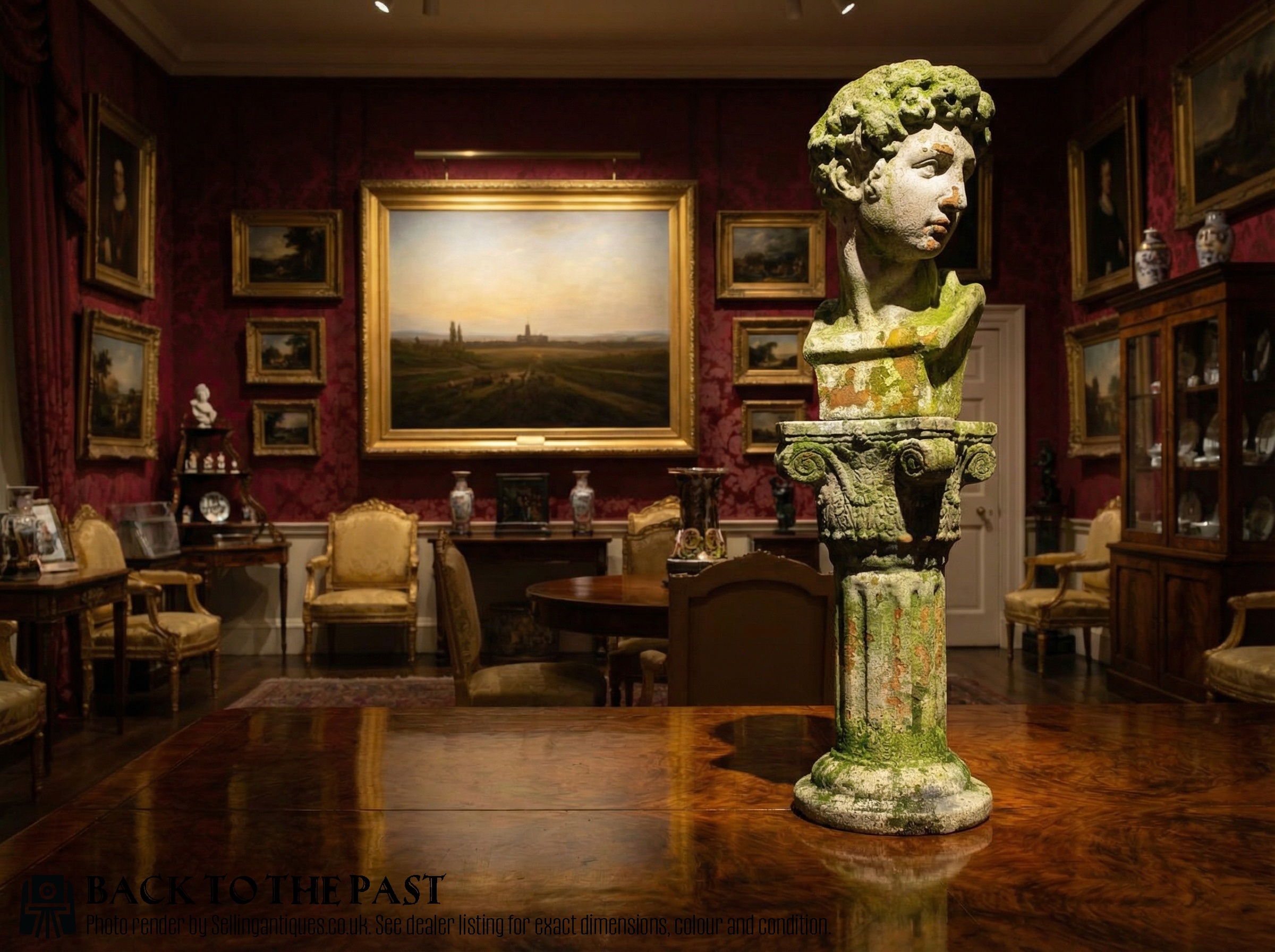
Classical Bust on Pedestal
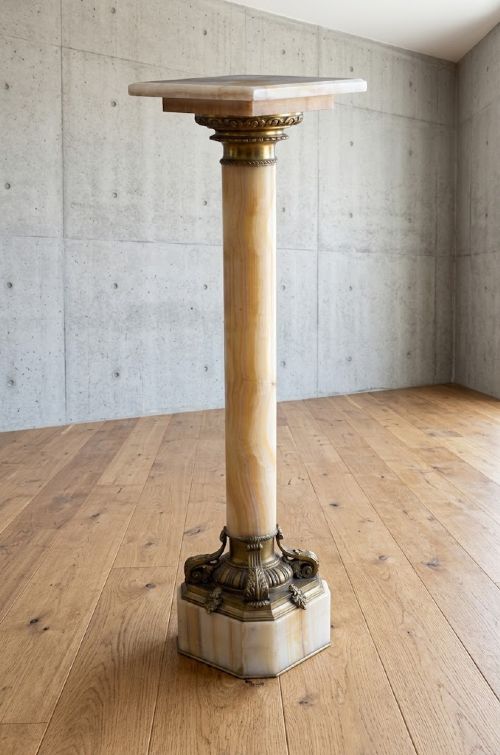
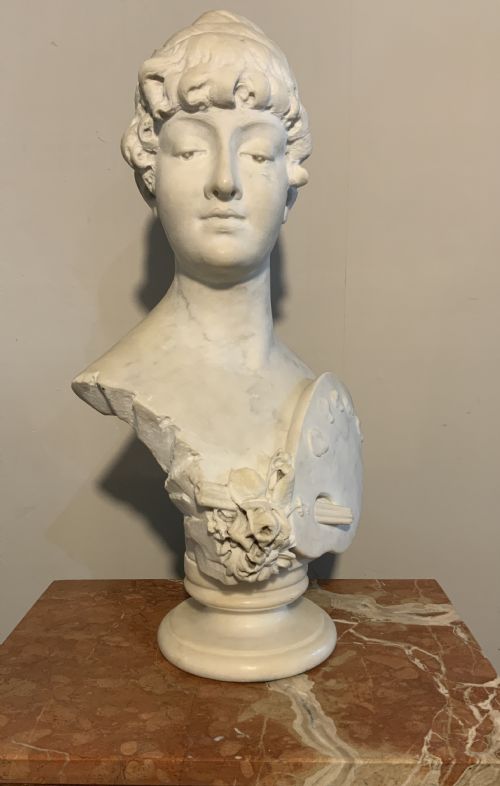
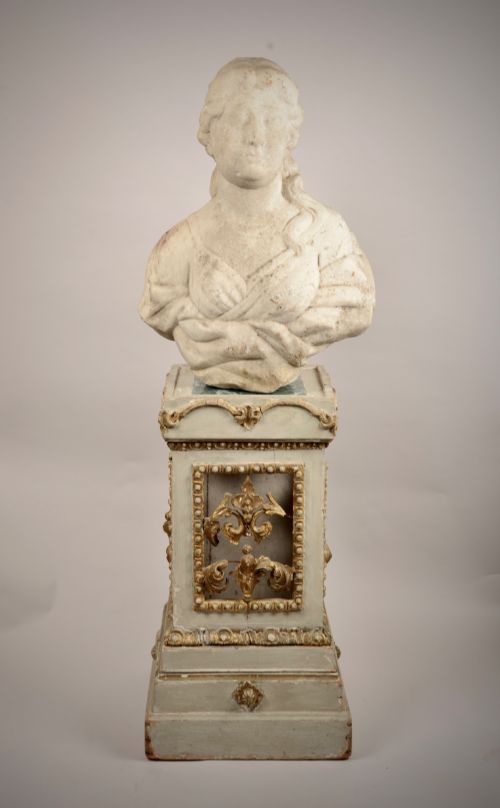
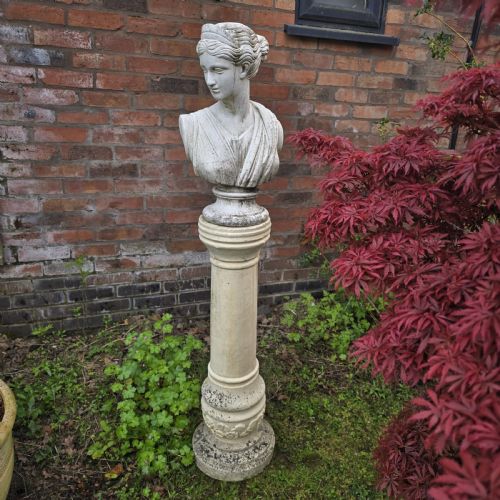
A classical bust on pedestal combines a carved or cast portrait with a matching display column, drawing directly from Neoclassical, Victorian, and Georgian traditions. These assemblies range from diminutive library ornaments to monumental garden statuary designed to anchor a room or courtyard.
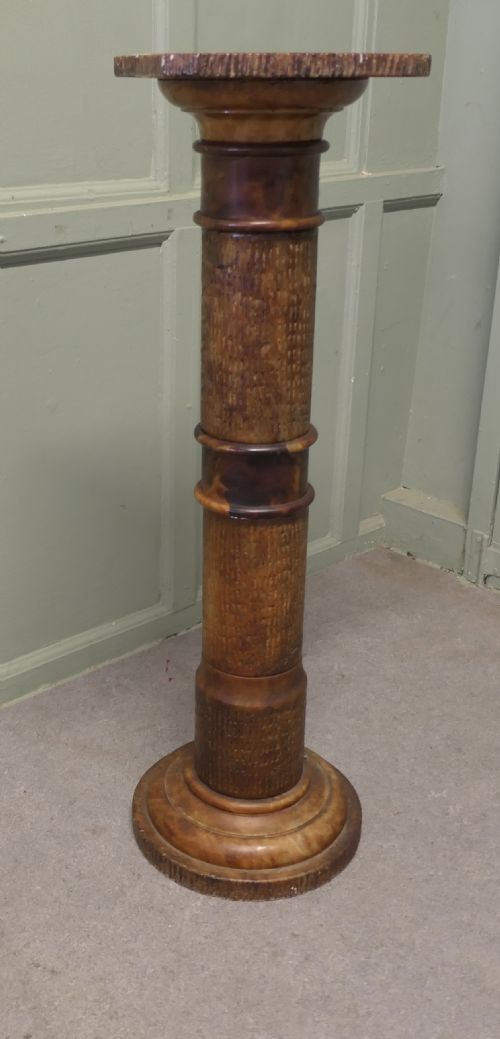
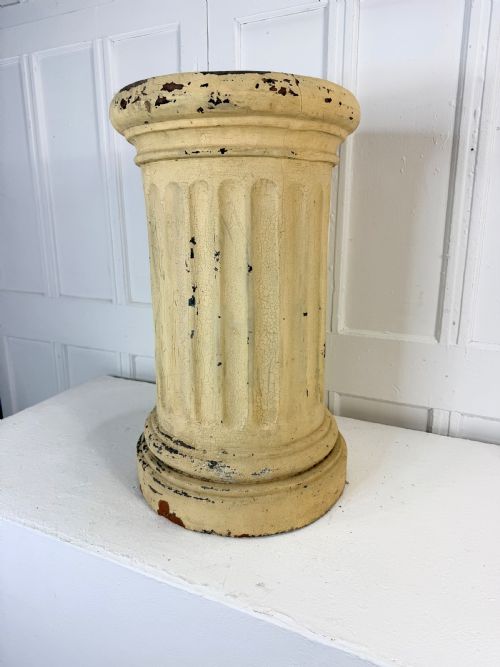
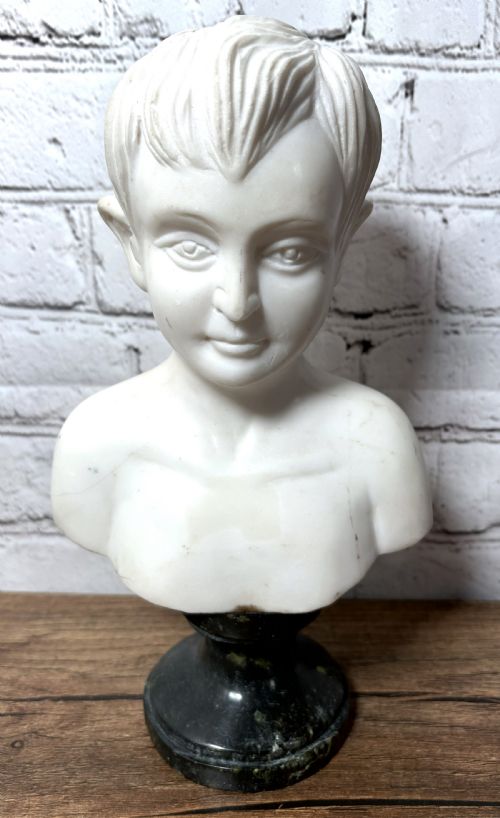
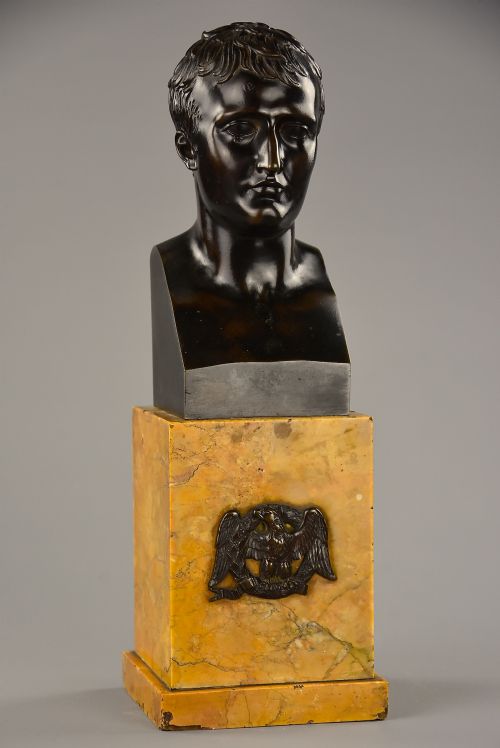
The sculptural subjects vary from historical figures like Napoleon and literary deities such as Athena and Juno to anonymous gentlemen, youths, and allegorical figures. Pedestals take the form of fluted marble columns, square scagliola plinths, and mahogany display stands.
Originating across centuries from seventeenth-century fragments to twentieth-century garden pieces, these combinations rely on the juxtaposition of a textured portrait against a disciplined vertical support.
Materials and construction
Carved marble and cast bronze form the backbone of the sculptural elements, complemented by patinated plaster, terracotta, bisque porcelain, and carved wood. Pedestals utilise dense stones like onyx and variegated green marble alongside turned mahogany, birch, and cast stone.
Ormolu collars and mounts frequently accent marble columns and stands, introducing polished gilt bronze details. Surfaces receive careful finishes, from the original faux paint on simulated marble pedestals to the weathered patinas of outdoor garden statuary.
Listings feature portrait subjects spanning classical deities, literary figures, historical generals, and young boys.
Distinctions in quality
Quality rests in the anatomical precision of the carving, where fine chisel work defines hair, drapery, and facial expression with lifelike subtlety. Cast bronzes and plasters achieve distinction through crisp detail and thoughtful patination that respects the subject.
The integrity of the supporting pedestal dictates the overall success of the piece, with matched stone veining, solid timber construction, and well-cast ormolu mounts elevating the ensemble. Maker attribution, such as signed bronzes or documented studios, further separates standard decorative items from collectible works.
John Wenlock Rollins·Sir Thomas Brock·Antonio Merente·E. Villanis·Achille Mollica
The Classical Bust on Pedestal Glossary
- Neoclassical
- A style spanning the eighteenth and nineteenth centuries that revived the aesthetic and motifs of ancient Greece and Rome. This revival heavily influences the proportion and subject matter of these busts and columns.
- Ormolu
- Gilt bronze mounts applied to furniture, pedestals, and stands for decorative accent. The technique involves applying a mercury and gold amalgam to bronze before firing.
- Scagliola
- A composite material made from selenite, glue, and pigments, pressed and polished to imitate marble and other fine stones. It allows for large, seamless pedestals with elaborate coloration.
- Torcherere
- A tall stand or pedestal originally designed to hold a light, torch, or candelabrum. In later usage, it frequently serves as a display column for sculpture.
- Bisque
- Unglazed porcelain with a matte, white texture resembling marble. It became popular for delicate portrait busts and neoclassical figurines.
Classical Bust on Pedestal: Frequently Asked Questions
Where should I place a heavy marble column?
Heavy stone columns require stable, level flooring, preferably over joists that can bear concentrated weight without shifting.
Position them away from high-traffic household paths to prevent accidental impacts against the projecting corners of the plinth or base.
How do I clean a plaster bust?
Plaster is porous and water-sensitive, meaning liquid cleaners will quickly stain or dissolve the delicate surface finish. Use a soft, dry brush or a gentle feather duster to remove accumulated dust without rubbing the material.
For stubborn grime, consult a professional conservator rather than attempting DIY chemical treatments that alter the patination.
Can garden pedestals stay outside year-round?
Cast stone and reconstituted stone pedestals endure outdoor conditions, but freezing water trapped in micro-fissures can cause cracking during harsh winters. Elevate the base slightly off bare earth to stop moisture rising through the stone.
Covering or moving vulnerable marble or plaster elements indoors during freezing months preserves the surface detail.
How do I match a bust to a pedestal?
Look for a visual balance where the weight of the sculpture corresponds to the girth and height of the supporting column. Colour harmony between the bust's material and the pedestal's veining or paint finish unifies the pair.
Historical period matters less than visual proportion and shared formality between the two individual objects.