


Classical Bronze Urn Lighting
Classical bronze urn lighting brings sculptural dignity to a room, drawing on ancient forms shaped into heavy table lamps and wall sconces.
Classical Bronze Urn Lighting
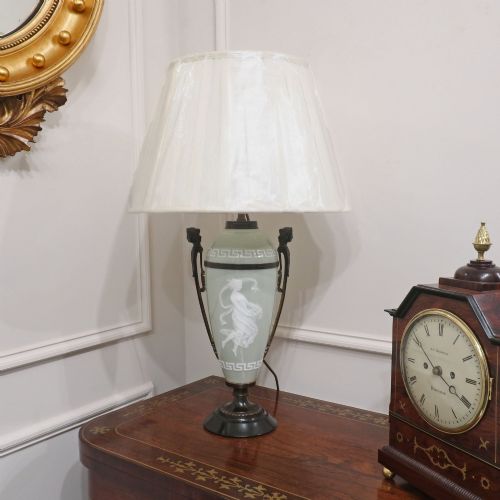
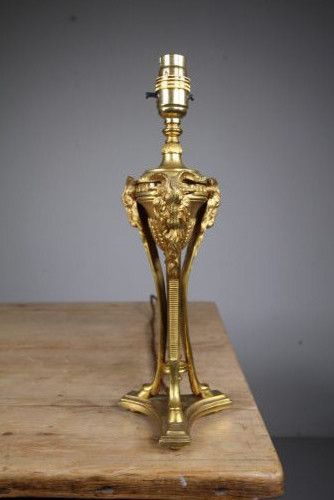
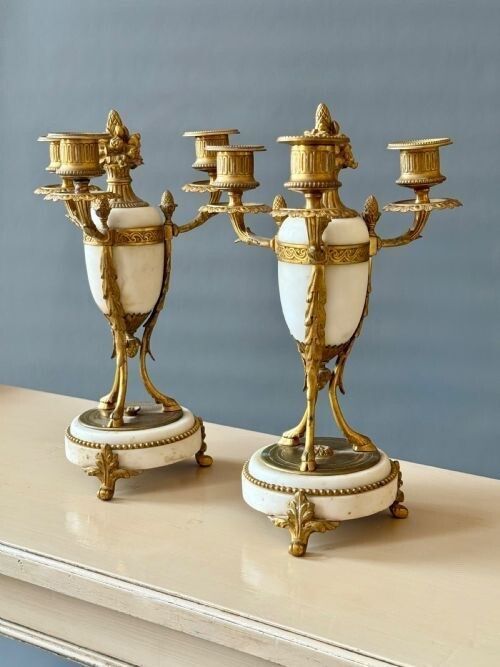
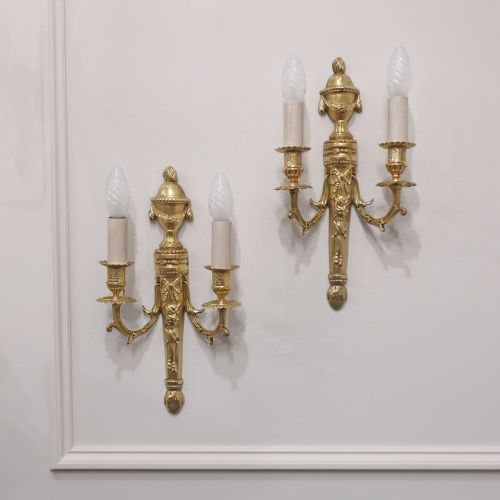
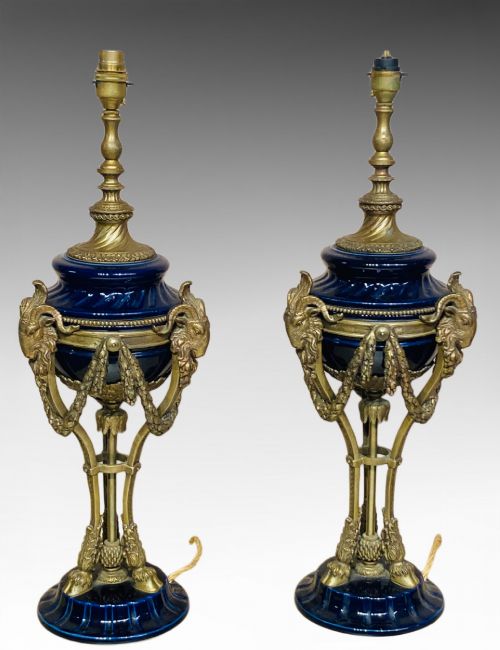
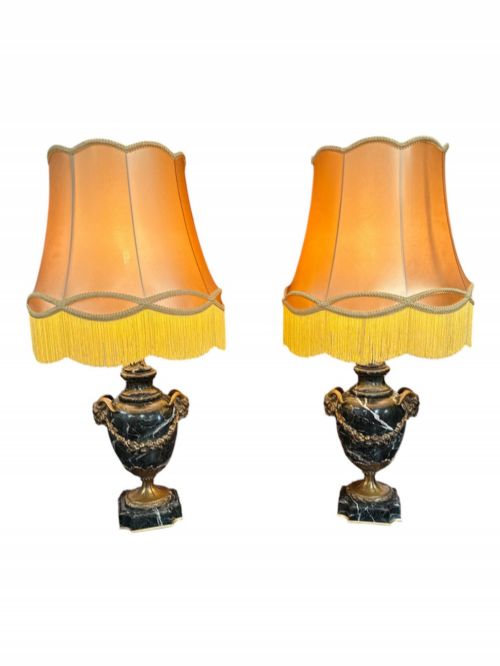
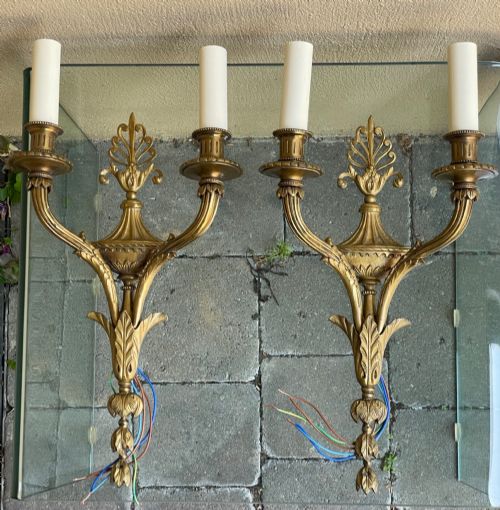
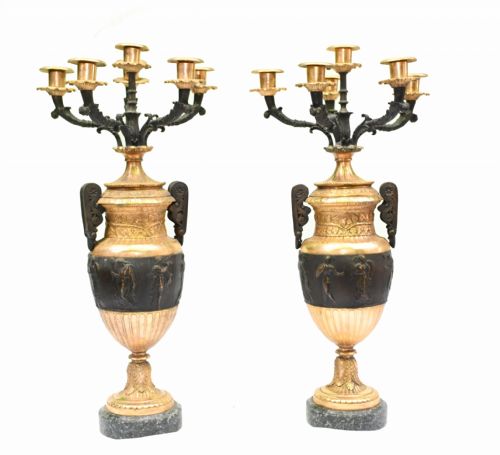
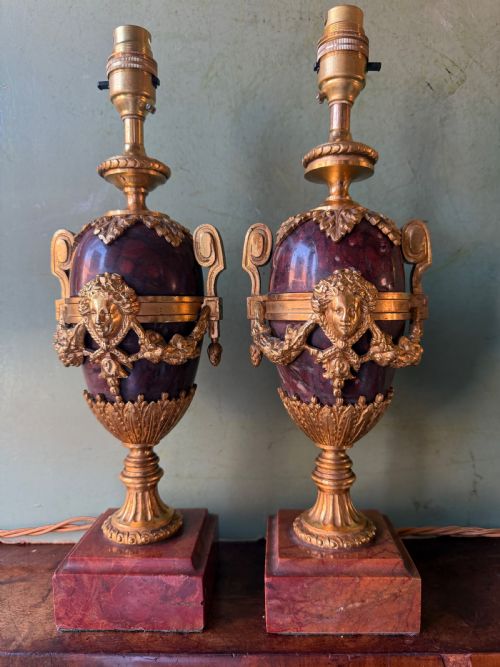
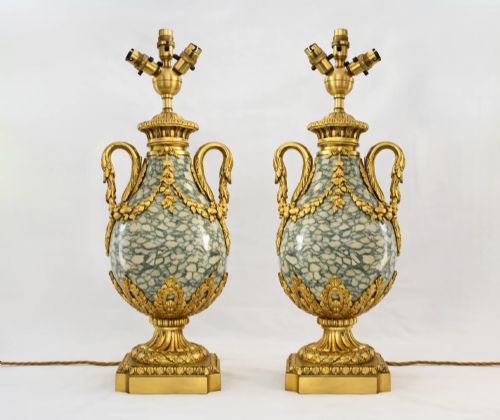
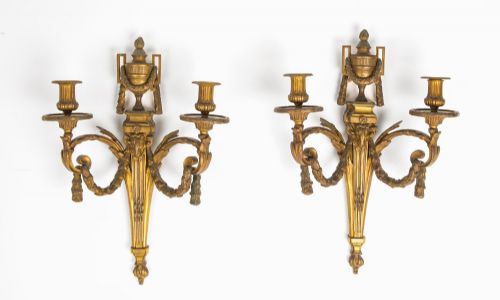
Classical bronze urn lighting comprises table lamps, wall sconces and candelabras modelled upon ancient vessels and architectural mounts. These pieces draw heavily on Neoclassical, Louis XVI and French Empire styles, often incorporating distinct decorative elements like ram heads, maiden figures and classical vases.
The objects seen here are largely nineteenth-century French creations, alongside English interpretations and later twentieth-century pieces. Buyers frequently encounter urn-shaped forms converted into lamps, paired with marble bases or mounted with twin arms for candles and bulbs.
Materials and construction
Maker workshops cast bronze, ormolu and gilded brass into intricate shapes, frequently combining metalwork with white, rouge or Siena marble. Gilt bronze and ormolu provide a rich surface finish, while porcelain elements like Sèvres-style panels or pate sur pate add colour and texture.
Many of these items began life as decorative cassolettes, ewers or vases before being adapted for electricity or fitted with fabric shades. Structural assembly relies on heavy stone plinths and metal mounts held by threaded rods and screws.
Listings span the nineteenth century into the twentieth century, combining French Neoclassical, Louis XVI revival and Victorian aesthetics.
Distinctions in quality
The standard of chasing and chiselling on the bronze or ormolu separates finer examples from simpler production. Crisp detail in the casting of foliage, animal masks and drapery marks the work of skilled founders rather than mass output.
The choice and integration of materials also define the piece, such as the weight and grain of the marble base or the precision of the fit between metal mounts and stone bodies. Heavier, deeply patinated castings demonstrate greater substance.
Casier·Thomas Hope
The Classical Bronze Urn Lighting Glossary
- Ormolu
- Gilded bronze produced by applying a mercury and gold amalgam to a bronze object and heating it. This technique gives a warm, enduring golden surface found on many French mounts.
- Cassolette
- A decorative vase or urn with a reversible lid that functions either as a closed vessel or a candleholder. These often form the body of converted nineteenth-century lamps.
- Pate sur pate
- A ceramic decorating method where wet white porcelain slip is painted layer by layer onto a darker tinted clay body. It creates a low relief cameo effect on porcelain lamps.
- Grand Tour
- The nineteenth-century practice of wealthy travellers collecting classical antiquities, bronzes and architectural models across Europe. Souvenirs from these journeys heavily influenced later revival designs.
- Siena marble
- A distinctive yellow Italian marble with dark grey or brown veining. It provides a rich, colourful plinth for bronze mounts and urns.
Classical Bronze Urn Lighting: Frequently Asked Questions
Are these lamps originally wired for electricity?
Most nineteenth-century pieces started as oil lamps, candelabras, cassolettes or decorative vases before receiving electrical wiring later in life. Conversions often happened during the twentieth century to suit modern domestic requirements.
Original oil fittings or candle sockets are frequently adapted or replaced, though the primary bronze and marble bodies retain their antique integrity.
How do I identify a Louis XVI style lamp?
Louis XVI style pieces display strict symmetry, classical architectural proportions and ornamental motifs like fluted columns, laurel wreaths and ram heads. The metalwork relies heavily on fire-gilded ormolu mounted upon contrasting marble blocks.
These designs look back to excavations at Pompeii and Herculaneum, favouring restrained geometry over the flowing curves of earlier rococo work.
What marble types appear on these bases?
White marble, rouge marble and yellow Siena marble occur frequently on these pieces, serving as heavy plinths to ground the metal urns. The stone is shaped into square blocks, columns or stepped pedestals.
Natural veining and colour variation in the marble help date the object and indicate its regional workshop origin.
Can I use standard fabric shades?
Standard slip or spider fitter shades work well provided the harp or carrier matches the height of the urn and stem. Proportion remains key when balancing a tall bronze body with a fabric covering.
Many pieces accommodate traditional pleated or lined shades that complement the classical silhouette without overwhelming the detailed metalwork.