

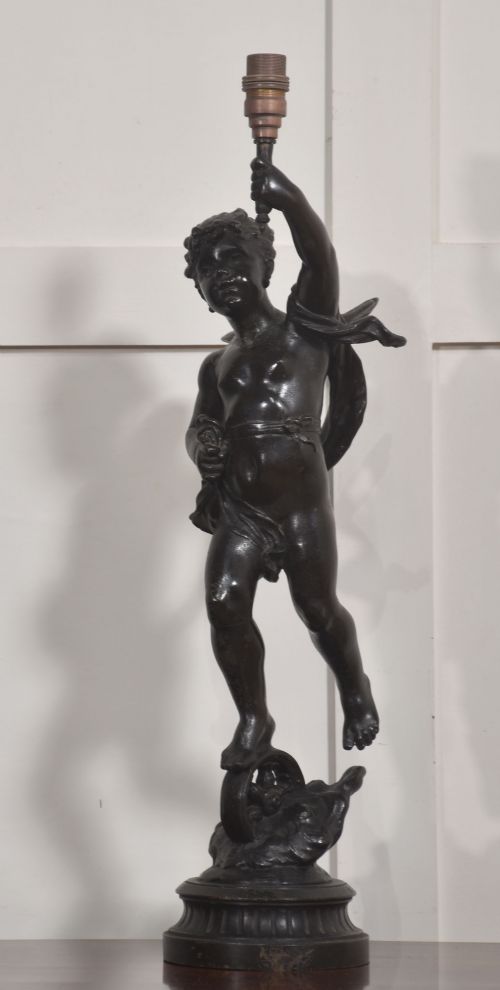
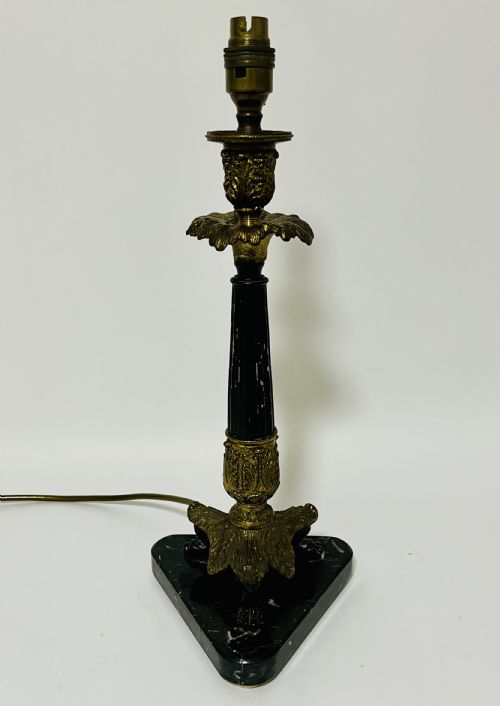
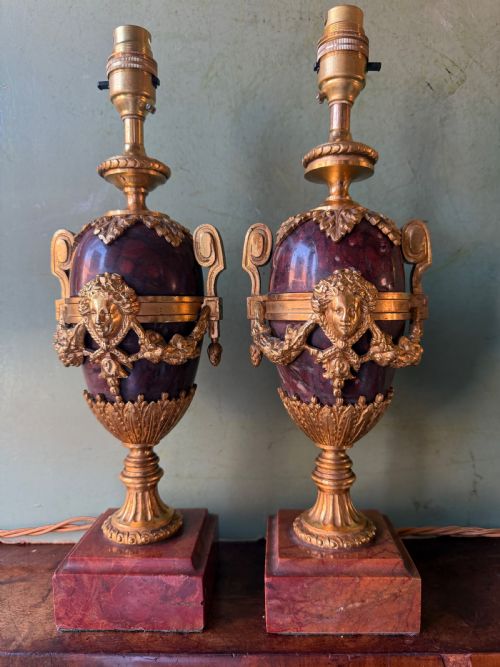
Classical Bronze Table Lamp
A classical bronze table lamp brings weight and ancient proportion to a room, cast from metal and stone to illuminate an interior.
Classical Bronze Table Lamp
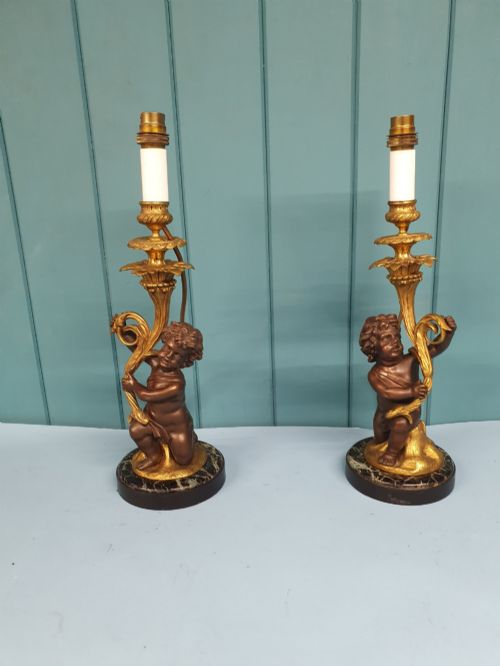
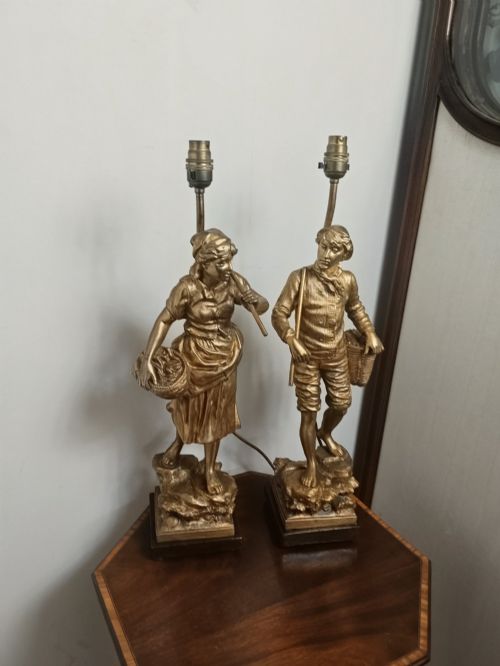
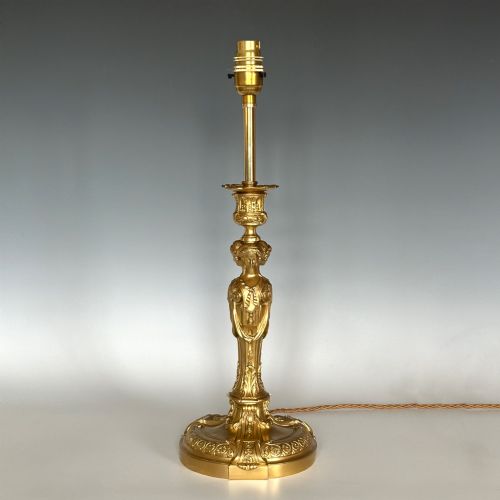
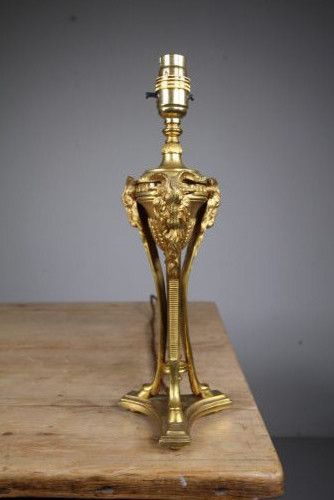
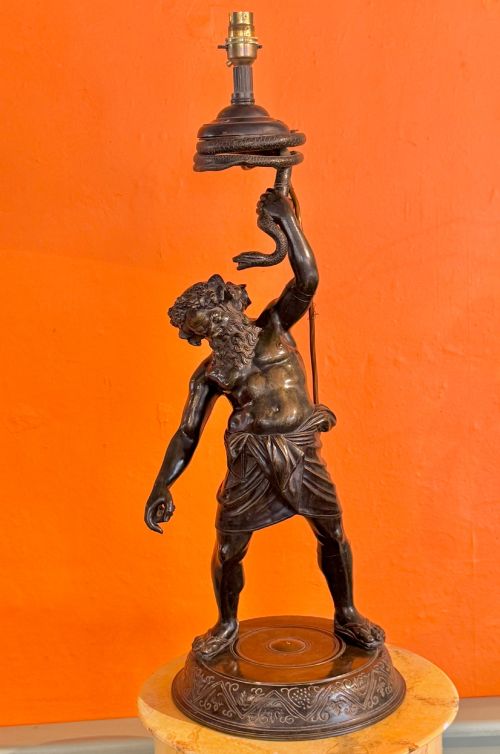
A classical bronze table lamp draws upon antique forms, architectural columns and mythological figures to create a substantial light source. These pieces emerge from the nineteenth century and early twentieth century, reflecting enduring revivals of Greek, Roman, Regency and French imperial design.
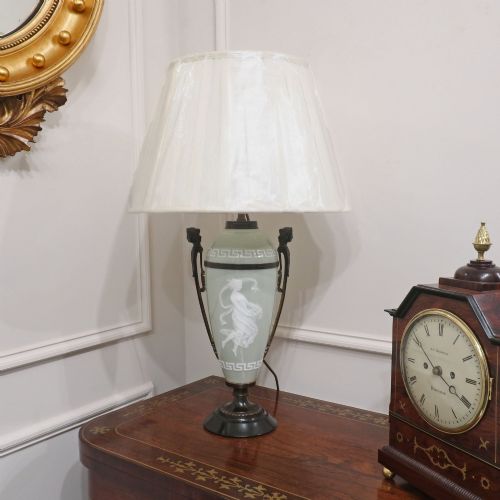
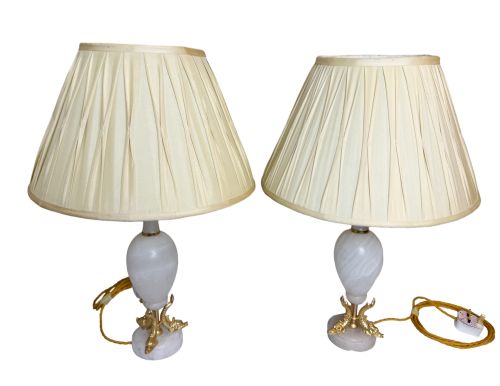
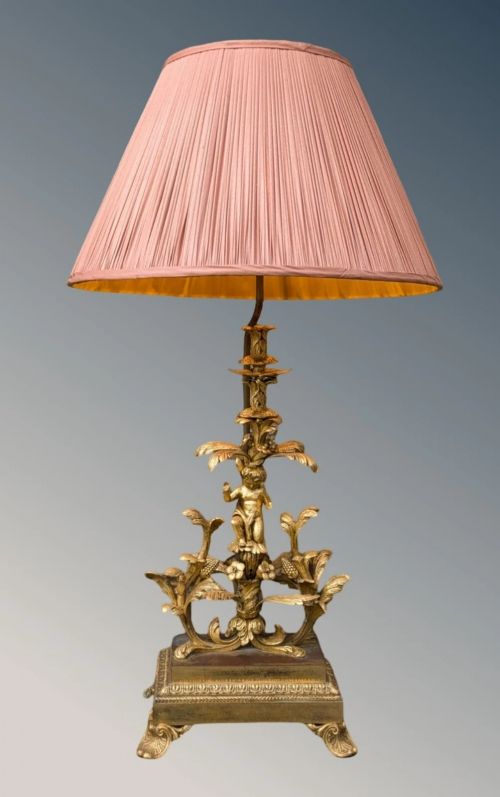
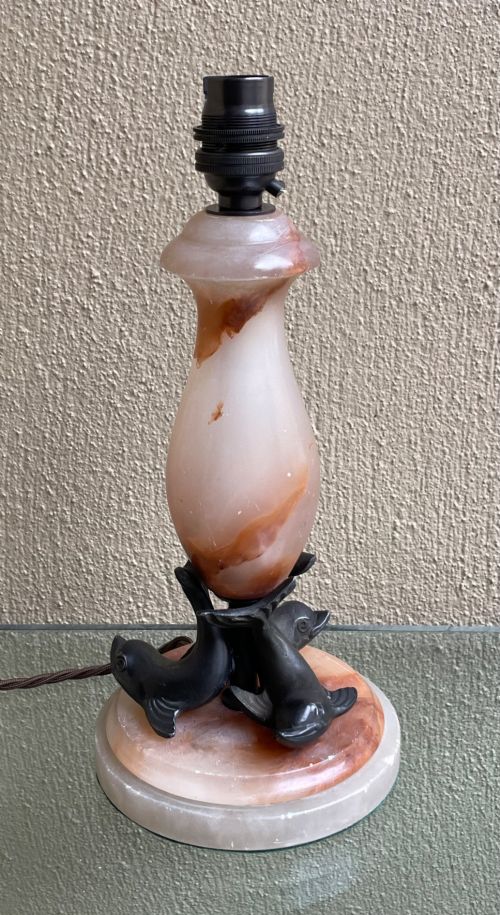
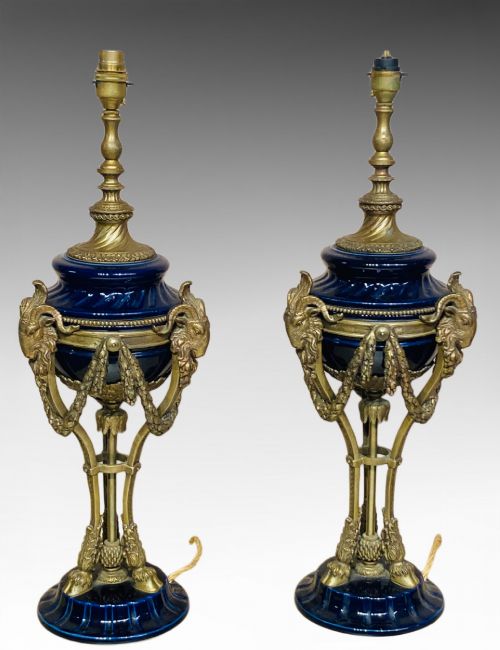
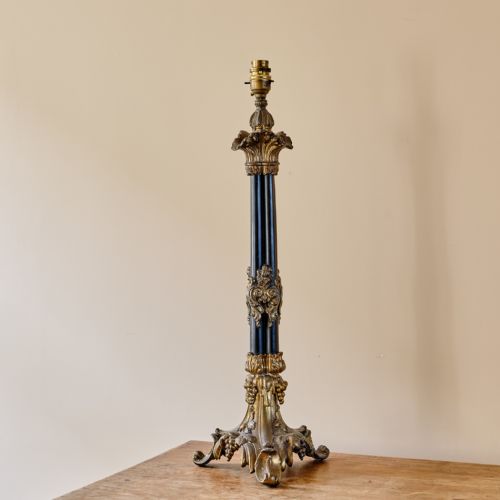
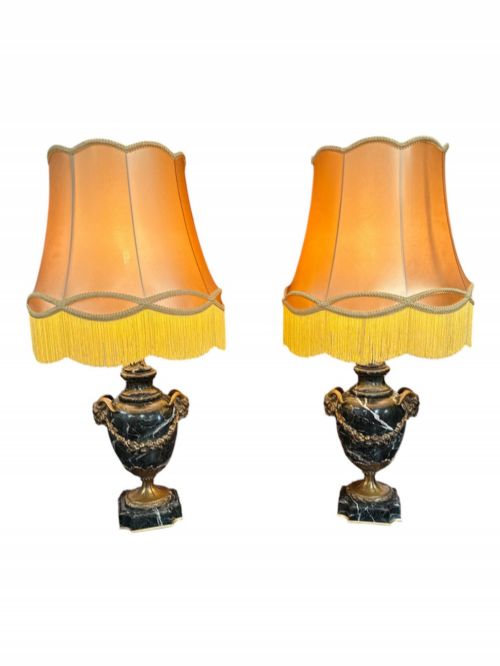
The versions most commonly met here take the form of patinated or gilt bronze figures, classical urns, ewers and fluted columns. Many examples incorporate pedestals of white or rouge marble, onyx and alabaster, frequently paired with fabric shades.
How They Were Made
Stonemasons shaped supportive bases and columns from solid marble, onyx and alabaster, turning them on lathes and mounting them with cast metal collars and socles. Many nineteenth-century items began life as oil lamps, urns or cassolettes before receiving electrical fittings in later decades.
Listings feature nineteen-century Neoclassical, Regency, and Victorian periods alongside materials including bronze, ormolu, marble, and silk.
What Varies in Quality
The crispness of the metal chasing dictates the initial grade of a piece, separating sharp, deeply undercut bronze castings from soft, rounded commercial copies. Substantial weight in the bronze and genuine density in the underlying marble plinths indicate higher standards of nineteenth-century workshop production.
Gilding technique divides standard work from superior examples, with fire-gilded ormolu retaining a deep, warm lustre that plated alternatives lack. The sophistication of the sculptural model, often signed by known foundries or artists, determines the upper tiers of the market.
E Rousseau·G. Amodio Naples·L & F Moreau·Emile Picault
The Classical Bronze Table Lamp Glossary
- Ormolu
- Gilded bronze produced by applying a mercury and gold amalgam to a bronze base and heating it until the mercury vapourises. This technique creates a durable, golden surface seen on French Empire and Louis XVI style mounts.
- Cassolette
- A decorative vessel shaped like a vase or urn, often featuring a reversible lid that functions as a burner or candleholder. In lighting, these vessels are frequently mounted on marble bases and converted into lamp bodies.
- Pate Sur Pate
- A ceramic decoration technique where liquid white clay is painted in successive layers upon a darker background body. Pieces incorporating this method appear within nineteenth-century neoclassical lighting designs.
- Torchere
- A stand or tall ornamental lamp modelled after a torch-bearer or classical column designed to hold a light source. French examples often depict figures holding aloft illumination.
- Patination
- The surface coloration achieved naturally through age or artificially through chemical treatment on bronze and brass. This finish enhances sculptural depth and protects the underlying metal.
Classical Bronze Table Lamp: Frequently Asked Questions
Were these always electric lamps?
Most pieces originate from the nineteenth century or early twentieth century as oil lamps, decorative urns, or candelabra before later conversion to electricity.
Conversion work often occurred decades after initial manufacture to adapt the antique objects for modern domestic use.
How do I identify French Empire style?
French Empire style relies on strict classical symmetry, military trophies, sphinxes, and rich ormolu mounts set against dark patinated bronze.
This aesthetic draws directly from ancient Roman and Greek visual vocabulary popularised during the early nineteenth century.
What is the difference between bronze and ormolu?
Bronze is an alloy of copper and tin used to cast the primary structural and figural elements of the lamp.
Ormolu refers specifically to the gilded surface treatment applied to portions of that bronze to create striking tonal contrast.
How should I clean a marble base?
Marble requires gentle dusting with a dry microfibre cloth to prevent accumulation of grit within the stone's natural pores.
Water and chemical solvents should be avoided to protect both the porous mineral structure and adjacent metal mounts.