
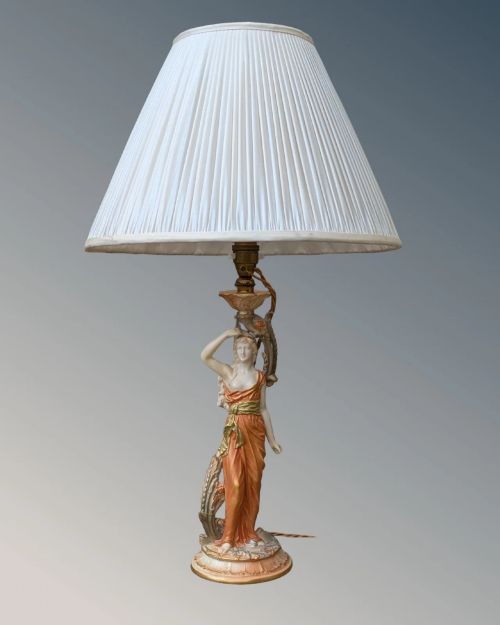


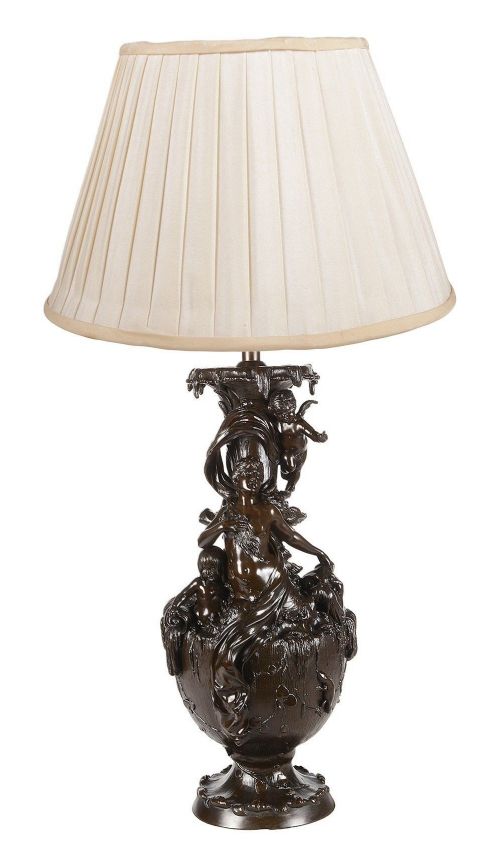


Classical Figure Bedside Lamp
A classical figure bedside lamp brings mythological presence and sculptural form to a room, cast in bronze, porcelain or brass.
Classical Figure Bedside Lamp
When buyers search for a classical figure bedside lamp, they encounter decorative lighting formed around human and mythological figures. These pieces originate primarily from the nineteenth century and the early decades of the twentieth century, reflecting enduring antique styles.
The most common versions on this page draw upon French Neoclassical, Edwardian and revival aesthetics. Makers incorporated materials such as gilt bronze, porcelain, marble and brass to create substantial table lamps for domestic interiors.
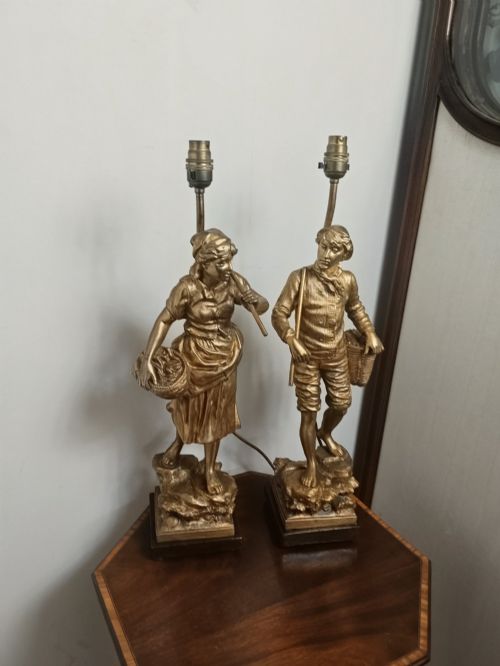
Forms range from mythological deities such as Minerva and Amphitrite to allegorical figures and young girls. Each piece functions simultaneously as an illuminated bedside source and a sculptural work of art.
How they were made
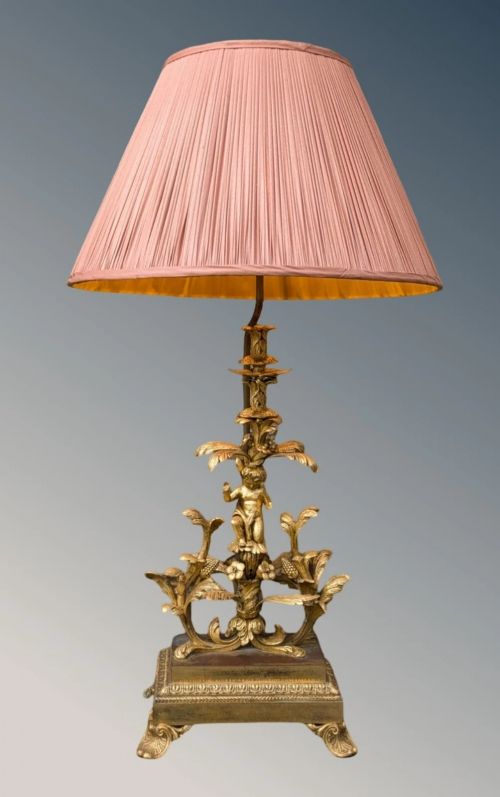
Metals such as bronze, brass, spelter and gilt metal were cast and frequently gilded to provide gleaming surfaces and rich patination. Foundries utilised techniques like lost-wax casting for figures and chased fine details into the metalwork by hand.
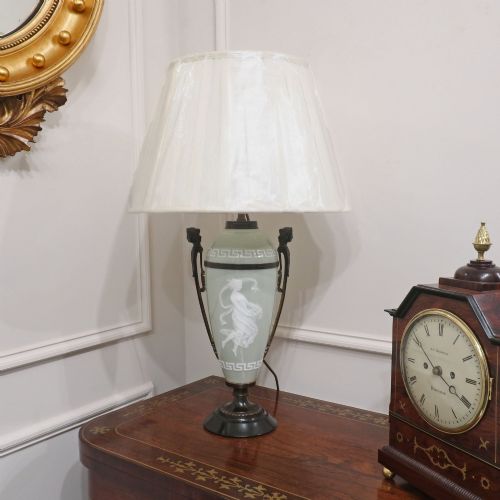
Ceramic elements relied upon fine porcelain production, including pate-sur-pate decoration where layers of slip build up a low relief design. Glass components incorporated opaline or frosted finishes, often paired with brass fittings and fabric shades.
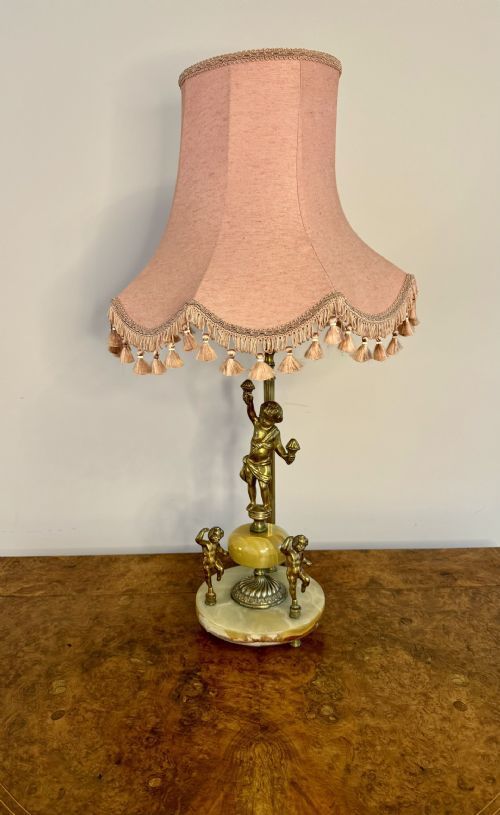
Minerva stands ready with her stags while young girls blow kisses across the bedside table, proving Victorian lighting had a theatrical flair.
What varies in quality
Artistic execution also dictates value, where named ceramic factories or recognised sculptors achieve greater detail. The integration of the electrical fittings into the original figural body without damaging the antique material preserves integrity.
E Rousseau·Royal Worcester·Baccarat
The Classical Figure Bedside Lamp Glossary
- Neoclassical
- A style reviving classical Greek and Roman motifs, symmetry and proportions. It dominates many nineteenth-century lighting designs.
- Gilt Bronze
- Bronze metal coated with a thin layer of gold, also known as ormolu. This finish provides a bright, lasting golden sheen.
- Pate-Sur-Pate
- A ceramic technique where a raised design is built up in white slip on a contrasting body. It creates a translucent cameo effect.
- Spelter
- An alloy of zinc used as a less expensive alternative to bronze. It was frequently painted or gilded to imitate more costly metals.
- Opaline Glass
- An opaque or semi-translucent glass, often pale in colour. It diffuses light softly in antique lighting fixtures.
Classical Figure Bedside Lamp: Frequently Asked Questions
Are these lamps safe for modern use?
Most antique lamps require rewiring to meet current electrical safety standards before daily use in a modern home.
A qualified electrician can easily update the internal wiring while preserving the original exterior metal and ceramic components.
How do I date a figural lamp?
Dating relies on stylistic clues, manufacturing materials, and any maker marks found on the base or ceramic body. Pieces spanning the nineteenth and early twentieth centuries show distinct shifts from heavy neoclassical bronze casting toward lighter Edwardian brass and spelter forms.
Examining the construction of the fittings and the wear on the patination helps narrow the decade of production.
Do these lamps need special shades?
Selecting a shade depends on the height and visual weight of the figural base. Fabric shades with neutral tones typically balance ornate bronze or porcelain figures without overwhelming the sculptural detail.
Proportion is key, ensuring the shade diameter complements the width of the base.
How do I clean bronze and brass?
Dusting gently with a soft, dry cloth prevents the accumulation of grime on delicate patinated surfaces. Avoid harsh chemical cleaners that strip the original gilt or aged bronze finish.
Preserving the natural patina maintains the historical character and visual depth of the metal.