


Classical Bronze Relief
A classical bronze relief brings the enduring motifs of antiquity into interior spaces through finely cast metalwork.
Classical Bronze Relief
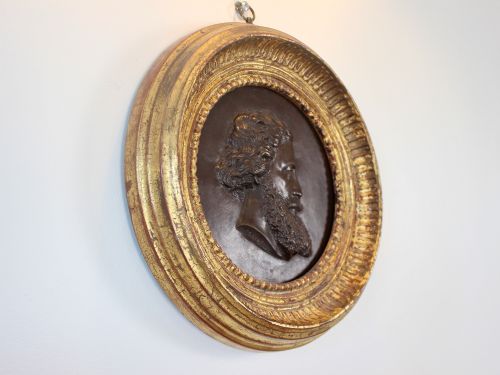
A classical bronze relief represents figures and scenes cast or chased to project from a flat metal background, drawing heavily on ancient Greek and Roman motifs. These objects appear frequently as wall plaques, portrait roundels, and fireplace friezes originating from the eighteenth and nineteenth centuries. Grand Tour souvenirs and Victorian interpretations form the majority of pieces encountered on this page.
The subjects range from mythological figures and muses to portraits of historical personages and allegorical scenes. Makers often modeled these works after classical antiquities or famous Renaissance sculptors, satisfying nineteenth-century collector demand for historical ornamentation. Pieces vary from small framed roundels to substantial wall plaques mounted in timber or marble.
Buyers seeking this phrase look for decorative panels that display crisp chiselling and rich patination characteristic of European metalfounding. Continental workshops, particularly in France and Italy, produced many of the surviving examples found in domestic interiors today. Each piece offers a tangible connection to the revival styles that dominated European design across the nineteenth century.
Materials and Techniques
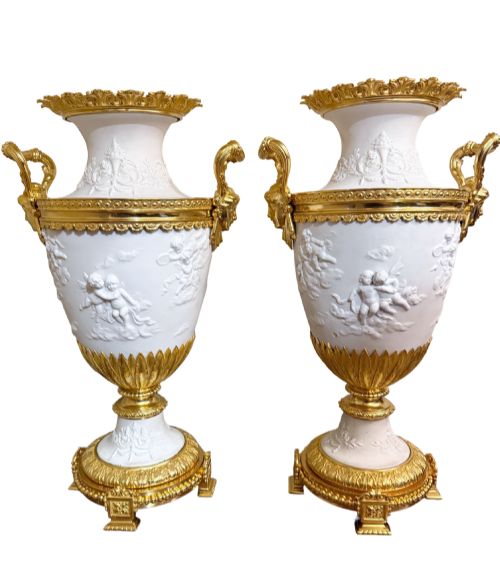
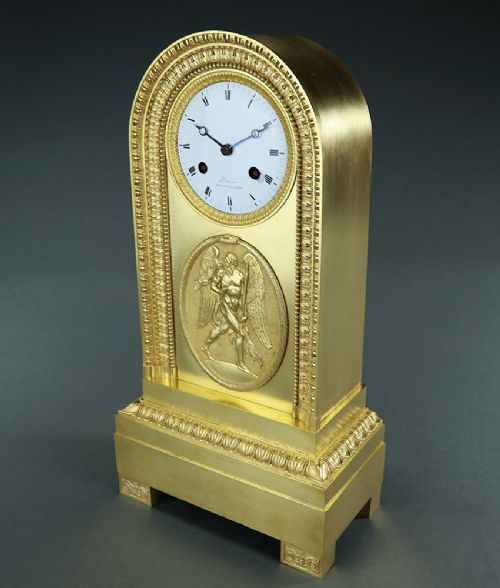
Foundries utilised traditional lost-wax casting or sand-casting methods to shape the bronze, followed by extensive hand-chiselling to sharpen details. Artisans frequently applied chemical patination to achieve deep brown, green, or black surface tones, whilst others employed mercury gilding or silvering. Ormolu and gilt bronze components added contrasting highlights to darker relief figures.
Support elements often incorporated contrasting materials such as turned mahogany frames, carved marble mounts, or slate backings to display the metalwork. Bronzed copper and spelter occasionally served as alternative base metals in nineteenth-century production. The interplay between polished highlights and darkened recesses gave these reliefs their characteristic visual depth.
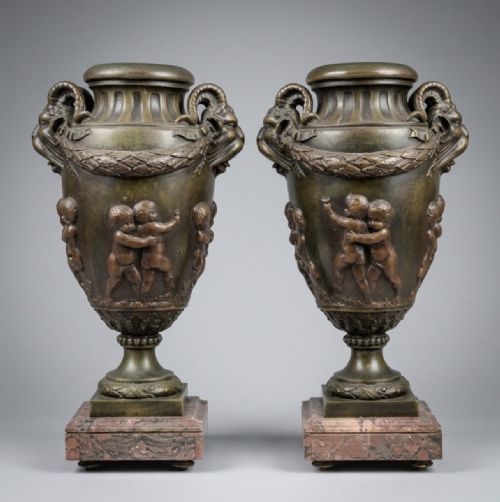
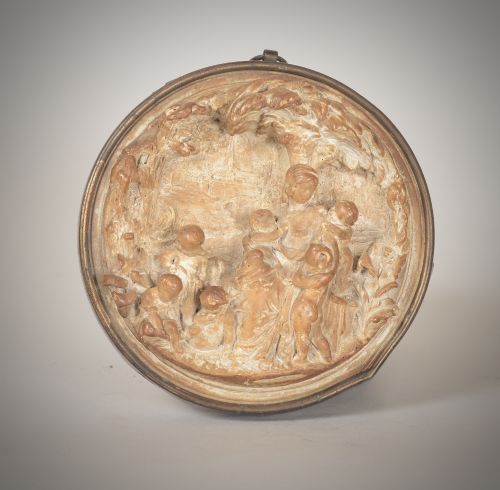
The selection includes wall plaques, portrait roundels, and fireplace friezes executed in neoclassical and Grand Tour styles.
Assessment of Quality
Mounting and framing also indicate the original tier of production, with bespoke timber frames and heavy marble surrounds signaling higher investment. Signed pieces or those carrying foundry marks demonstrate documented provenance that elevates their standing among collectors. Ultimately, the vitality of the modeling and the sensitivity of the surface finish determine the caliber of any given relief.
Barbedienne·Coalbrookdale
The Classical Bronze Relief Glossary
- Relief
- Sculpture technique where the sculpted elements remain attached to a solid background of the same material. High relief projects significantly from the plane, whilst low relief stays relatively flat.
- Patination
- The process of treating a bronze surface chemically or naturally to produce a specific coloration. This layer protects the metal and defines the visual character of the piece.
- Grand Tour
- A cultural journey undertaken by wealthy young Europeans through France and Italy to study classical art. Souvenirs collected during these travels frequently included bronze plaques and small sculptures.
- Ormolu
- Finely ground high-carat gold applied to a bronze object using a mercury amalgamation process. This technique creates a durable, brilliant golden surface often seen on decorative mounts.
- Roundel
- A circular panel or plaque used for decorative architectural or framing purposes. These often depicted portraits or classical profiles.
- Campana
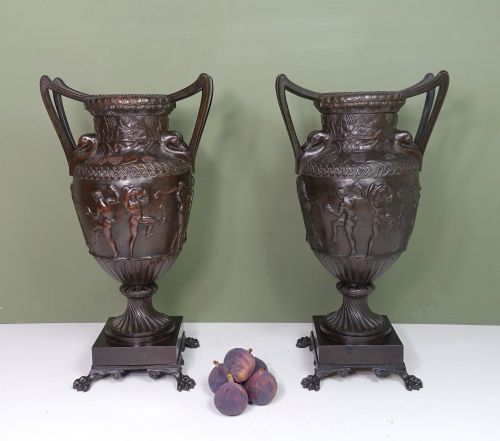
- A distinct bell-shaped vessel form derived from ancient pottery excavated in Italy. Nineteenth-century bronze makers frequently adopted this silhouette for ornamental vases and urns.
Classical Bronze Relief: Frequently Asked Questions
What is a classical bronze relief?
A classical bronze relief is a cast metal panel depicting figures or scenes that project from a flat background. These works draw inspiration from ancient Greek and Roman art, frequently produced during the eighteenth and nineteenth centuries.
They serve primarily as decorative wall art or architectural ornaments, reflecting the historical revival movements popular across Europe during those periods.
How were these plaques displayed historically?
Historically, these bronze panels were mounted on interior walls, set into furniture, or incorporated into fireplace surrounds. Collectors often framed them in timber or mounted them on velvet panels to highlight the metallic contrast.
During the nineteenth century, they formed part of larger decorative schemes in libraries, drawing rooms, and studies to signal cultural refinement.
How do I care for antique bronze?
Antique bronze requires minimal intervention to preserve its historic surface and natural patina. Dusting gently with a dry, soft cloth prevents the accumulation of particulate matter without disturbing the metal finish.
Avoid using commercial metal polishes, abrasive cloths, or liquid cleaners, as these agents strip away original patination and permanently damage the surface.
How can I tell nineteenth century pieces apart?
Nineteenth-century pieces often reveal their origins through casting techniques, mounting styles, and foundry marks. Examining the reverse side of the plaque frequently provides clues regarding the manufacturing method and framing materials.
Comparing the depth of the chasing and the composition of the metal helps differentiate European foundry production from later reproduction items.