



Ebonised Framed Plaques
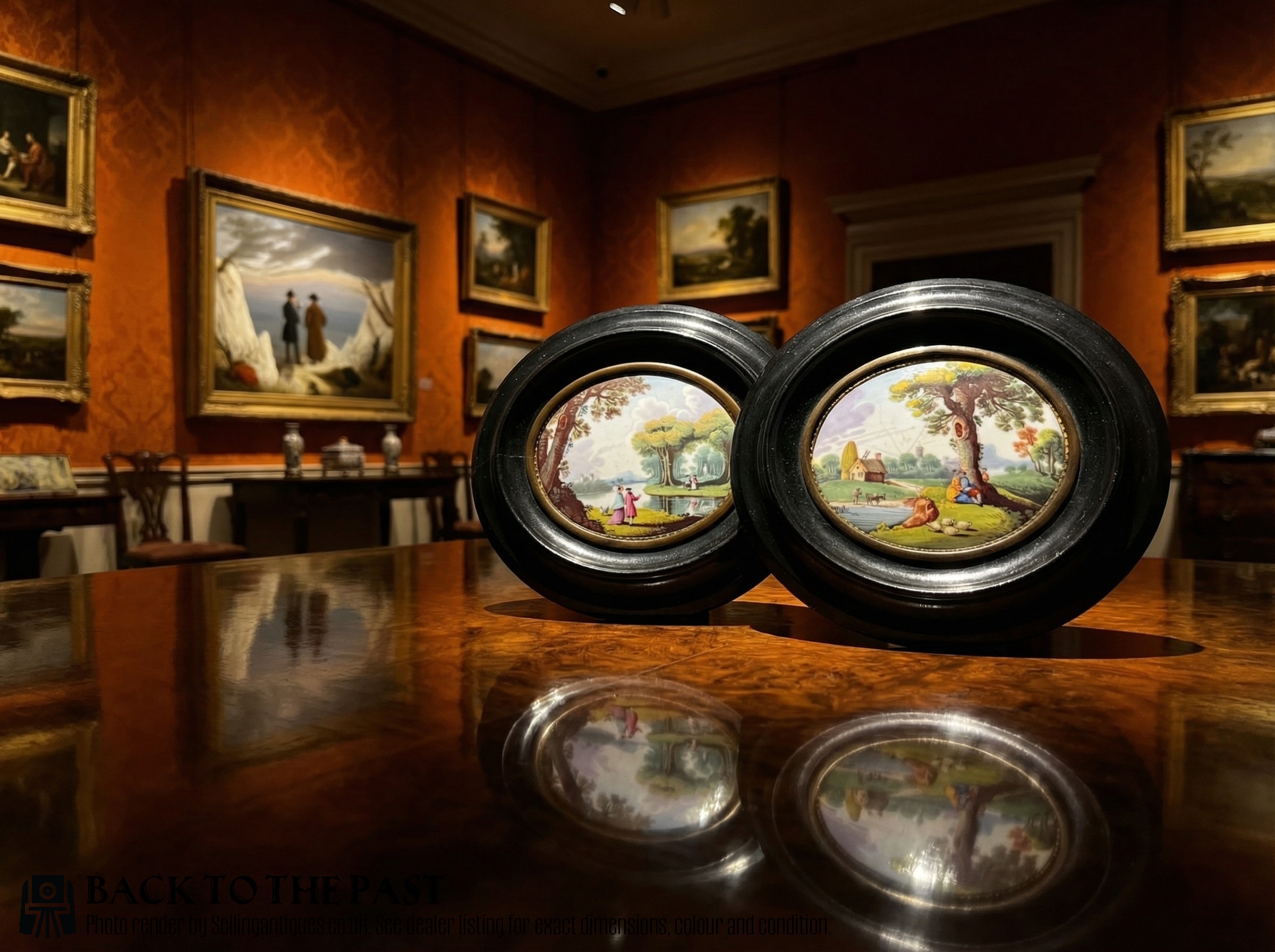
These ebonised framed plaques combine dark polished timber surrounds with detailed miniature works, offering a refined wall decoration for any interior.
Ebonised Framed Plaques
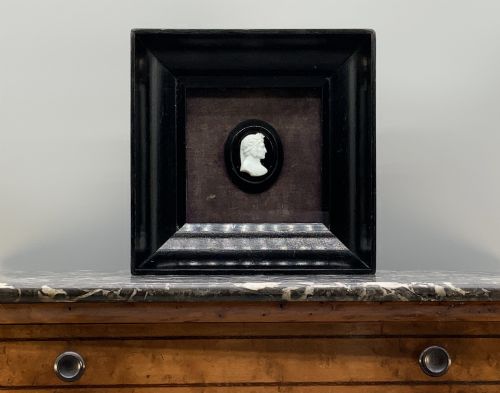
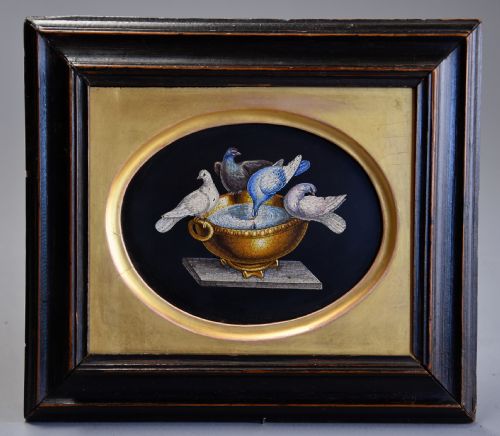
When you search for ebonised framed plaques, you encounter decorative wall pieces set within dark, treated wood borders. These objects include miniature portraits, micromosaics, enamel scenes, and metal reliefs dating from the eighteenth and nineteenth centuries.
The assortment spans several distinct historical aesthetics, notably Neoclassical, Regency, Baroque, and Renaissance Revival influences. Many originate from Grand Tour travels, Italian workshops, and Dutch or Viennese makers.
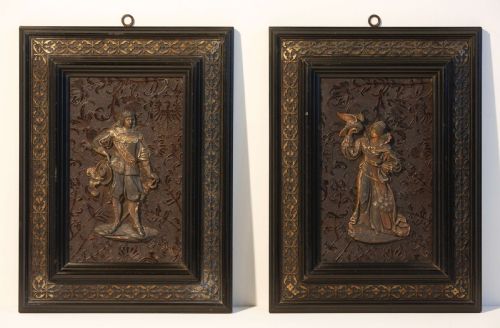
Forms vary from oval enamel pairs and carved ivory classical portraits to rectangular bronze reliefs and painted porcelain panels. Most items function as wall art, wall plaques, or hanging panels designed to catch the eye in a room.
How they were made
Makers utilised dense timbers, treating the wood to achieve a deep black ebonised finish that contrasts sharply with the central artwork. Glass often protects delicate surfaces like micromosaics, ivory, and paper silhouettes.
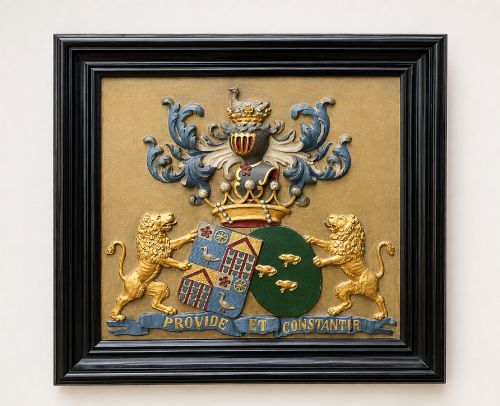
Central plaques incorporate materials such as hand-painted enamel, carved ivory, bronze, white metal, and gilded brass. Skilled artisans applied relief techniques, micromosaic tesserae, and fine brushwork to create detailed miniature imagery.
One Dutch marriage plaque commemorates a union from 1852 with heraldic detail.
What varies in quality
The standard of an ebonised framed plaque depends heavily on the precision of the central artwork and the crispness of its execution. Painted details, carved depth in ivory or wood, and the neatness of micromosaic work set superior pieces apart.
Frame construction also dictates overall merit, particularly the uniformity of the ebonised surface and the integration of gilt or brass mounts. Original glass and secure backing materials contribute significantly to the integrity of the piece.
The Ebonised Framed Plaques Glossary
- Ebonised
- Wood treated with a dark stain or finish to imitate ebony. This process provides a uniform black surface that highlights lighter central artwork.
- Micromosaic
- A picture assembled from tiny glass tiles called tesserae. Artisans used this technique in Italy to depict classical scenes and famous monuments.
- Grand Tour
- A cultural trip through Europe undertaken by young upper-class men in the eighteenth and nineteenth centuries. Travellers often returned with plaques and souvenirs.
- Neoclassical
- An artistic style drawing inspiration from the classical art and culture of ancient Greece and Rome. It appears frequently in nineteenth-century portrait plaques.
- Relief
- Sculptural technique where sculpted elements remain attached to a solid background of the same material. Relief panels create depth on flat walls.
Ebonised Framed Plaques: Frequently Asked Questions
What periods do these ebonised framed plaques date from?
The examples on this page span the eighteenth and nineteenth centuries, including Regency and Victorian eras. Makers from this timeframe drew on older Baroque and Renaissance styles.
Specific dates or periods mentioned in the titles point to the creation era of either the frame or the central plaque itself.
How should I hang these wall plaques safely?
Most of these pieces feature original hanging loops or rings affixed to the back of the ebonised frame. Use appropriate wall fixings that match the weight of the timber and glass.
Keep them away from direct sunlight and damp environments to protect delicate internal materials like ivory, enamel, and paper silhouettes.
What materials are used inside the frames?
The central artworks utilise a diverse range of artistic mediums recorded by makers of the period. These include carved ivory, painted porcelain, vitreous enamel, micromosaic glass, and cast bronze.
Surrounding timber frames are typically finished with an ebonised coating, sometimes accented with gilt brass or bronze mounts.
Are these plaques signed by makers?
Some pieces bear signatures, stamps, or attributions to specific workshops, such as Dutch marriage plaques or works associated with known artists. Many older decorative items remain unsigned, attributed instead through stylistic evidence and material analysis.
Documentation or engraved inscriptions on the reverse often provide clues regarding the origin and date.
How do I care for ebonised wood frames?
Dust the timber gently with a dry, soft cloth to prevent a build-up of dirt on the ebonised surface. Avoid harsh chemical polishes or water, which can damage the dark finish and antique wood.
Ensure the glass covering delicate panels is cleaned carefully with a minimal amount of glass cleaner applied to a cloth rather than sprayed directly.