




Antique Oval Wall Plaques
Antique oval wall plaques bring classical subjects, painted porcelain, and hand-beaten metalwork straight to your interior walls.
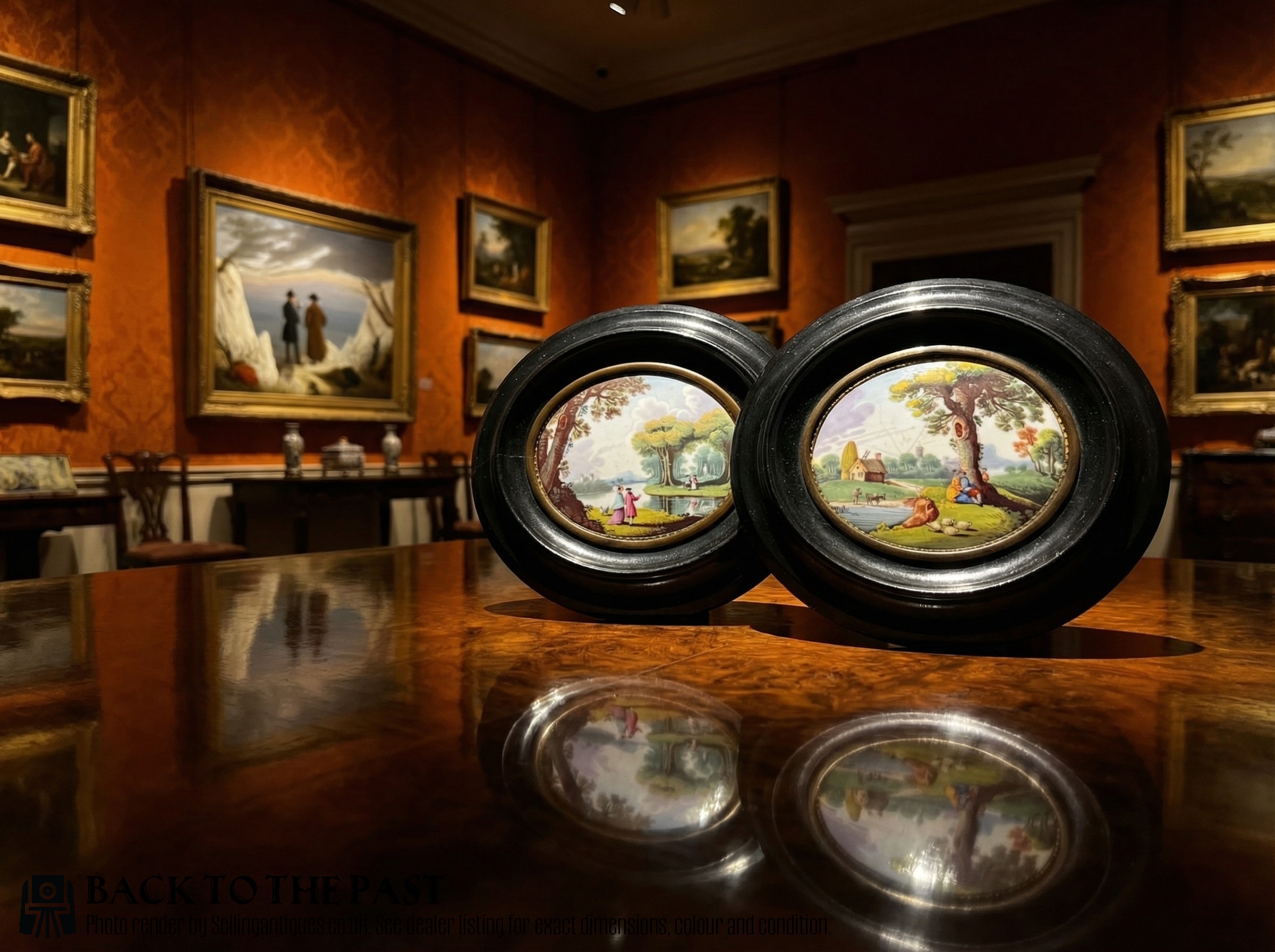
Antique Oval Wall Plaques
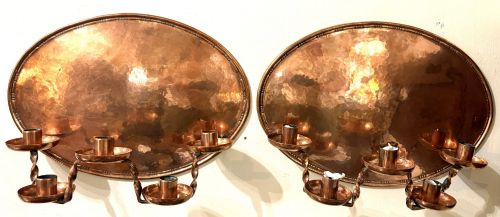
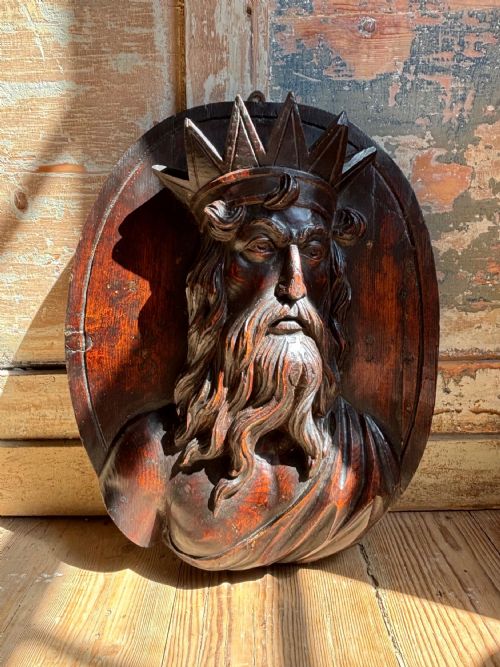
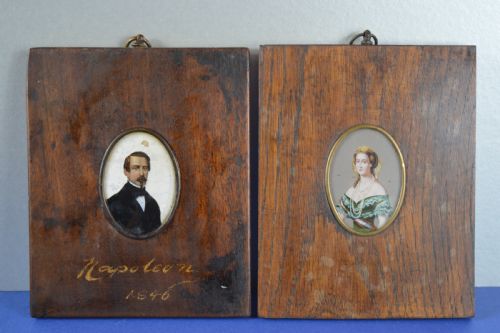
You are most likely to meet nineteenth-century examples, including porcelain portraits in ormolu frames, copper repoussé dishes depicting mythological scenes, and Italian marble profile reliefs. Pieces from the eighteenth century appear less frequently, often represented by enamel plaques or carved wooden depictions of deities like Neptune. The forms vary from framed miniatures and wall sconces to painted metal trays and devotional ex-voto offerings.
How they were made
Makers shaped these antique oval wall plaques using traditional techniques suited to each specific medium. Metalwork pieces rely on hand-beating, repoussé, and silver-plating upon copper, brass, or toleware bases. Porcelain and enamel items require high-temperature firing and hand-painting, often finished with gilt or mounted within cast ormolu frames.
Carved works utilise wood and marble, shaped with chisels and relief carving techniques to produce detailed profiles and figures. Glass elements feature bevelled edges and original fittings, whilst paper silhouettes incorporate gilding to highlight the profile of the subject.
A nineteenth-century French painter tradesman sign for Rombas sits shoulder-to-shoulder with gilded silhouettes and sacred heart ex votos.
What varies in quality
In carved marble and wood reliefs, quality rests upon the depth of the carving and the anatomical accuracy of the figures, such as the profiles of Dante and Virgil. Metalwork pieces demonstrate superior craftsmanship through crisp relief details in repoussé copper rather than flat, pressed surfaces. Original fittings and period frames further elevate the standing of a wall plaque.
Royal Worcester·K P M
The Antique Oval Wall Plaques Glossary
- Repoussé
- Metalworking technique where a design is hammered into relief from the reverse side. This method creates textured surface designs on copper and brass plaques.
- Ex Voto
- A votive offering placed in a sacred place for devotions or fulfilled vows. These often take the form of metal hearts or religious symbols.
- Ormolu
- Gilded bronze applied as a decorative mount or frame around porcelain and painted plaques. It provides an ornate, metallic border.
- Toleware
- Painted or enamelled tinplate items produced for domestic and decorative use. These pieces often feature dark backgrounds with hand-painted floral or scene decoration.
- Pratt Ware
- A type of English earthenware noted for underglaze polychrome printing. It frequently depicts popular scenes and literary subjects from the nineteenth century.
Antique Oval Wall Plaques: Frequently Asked Questions
How do I hang antique oval wall plaques?
Many pieces feature original metal loops, rings, or fitted backboards designed for wall mounting. Ensure you use fixings appropriate for the weight of the material, whether heavy marble or lighter copper.
For framed porcelain or glass mirrors, check that the hanging wire or structural fitting is secure before placing the piece on the wall.
Were porcelain plaques made to hang on walls?
Factories such as Berlin and Sevres produced porcelain panels specifically intended for display in domestic interiors. They were frequently set into decorative frames or integrated into architectural furniture.
Some examples also functioned as decorative dishes or trays before finding their way onto walls as art pieces.
What is an Italian devotional ex voto plaque?
An ex voto is a traditional religious offering left in a sanctuary as a token of gratitude or devotion. Sacred heart plaques in metal are common examples of this folk tradition.
These pieces were typically nailed or hung within churches or home shrines to mark a miraculous recovery or blessing.
How do I tell nineteenth century plaques apart from later copies?
Examine the reverse of the plaque for hand-tooling marks, period framing methods, and patination appropriate to the metal or wood. Nineteenth-century pieces often show genuine wear and construction techniques consistent with manual production.
Signatures, impressed factory marks, and original brass fittings help confirm the period and origin of porcelain and ceramic works.