
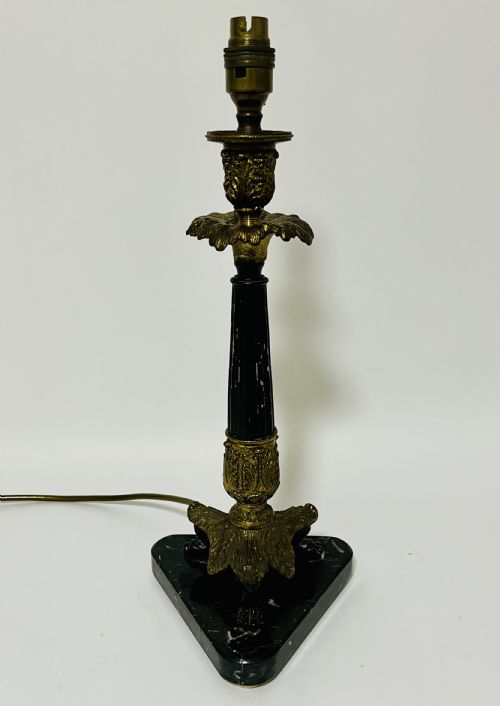


Classical Bronze Reading Light
A classical bronze reading light brings weighted metal and historic form to a desk, casting a steady task glow.
Classical Bronze Reading Light
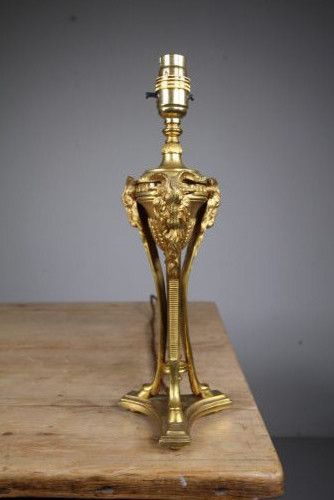
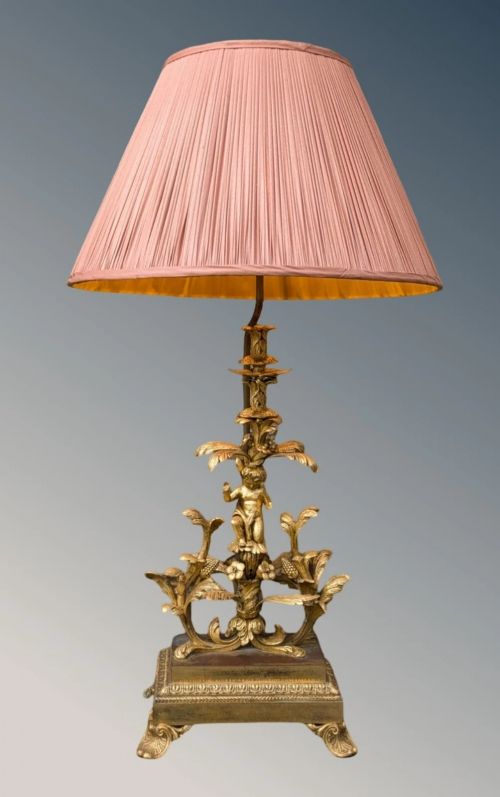
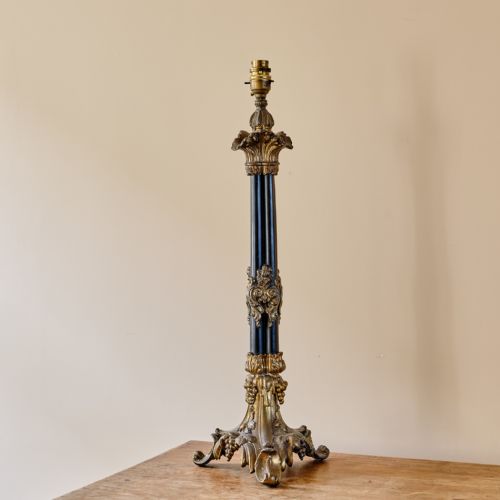
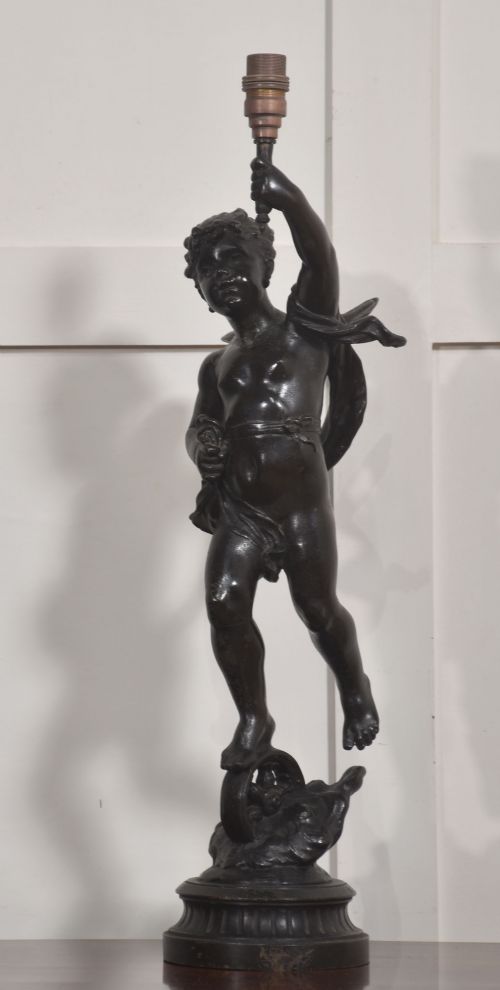
A classical bronze reading light takes the form of a functional task or desk lamp executed in patinated or gilt metal, often drawing on French Empire or Neoclassical design. These pieces combine heavy metal casting with classical motifs such as columns, rams' heads, and figural supports like cherubs or Atlas figures.
The selection centres heavily on nineteenth-century French and English manufacture, alongside occasional Swedish examples, spanning desk reading lamps, notary lamps, and taller column forms. Table lamps dominate the offerings, providing both direct task illumination and decorative presence through materials like marble bases and crystal elements.
How they were made
Foundry work forms the basis of each classical bronze reading light, utilising bronze, brass, spelter, and ormolu. Artisans cast the metal components separately before finishing the surfaces with patination or fire gilding.
Many examples incorporate secondary materials such as white marble for heavy bases, crystal or opaline glass for shades or reservoirs, and occasionally fabric or silk components. These elements are joined using threaded metal rods and screws typical of period construction.
Materials appearing across current selections include bronze, ormolu, brass, marble, crystal, and opaline glass.
What varies in quality
Weight and material honesty also separate the standard production from the exceptional. Heavy patinated bronze combined with genuine marble and fire-gilded ormolu stands apart from lighter brass or spelter alternatives.
Messenger
The Classical Bronze Reading Light Glossary
- Ormolu
- Finely chopped or powdered high-karat gold applied to a bronze base using a mercury amalgamation technique. This process creates a rich, durable golden surface seen on many French Empire and Neoclassical fixtures.
- Patinated bronze
- Metal that has been treated with chemical solutions to darken or colour the surface, creating deep brown or black tones. This finish highlights the underlying sculptural details of the casting.
- Neoclassical
- A decorative style inspired by the classical art and architecture of ancient Greece and Rome, prominent during the eighteenth and nineteenth centuries. It relies on symmetry, straight lines, and classical motifs like columns and urns.
- French Empire
- A design movement from the early nineteenth century defined by grand military and classical symbols, such as sphinxes, eagles, and laurel wreaths. Lighting from this period often uses heavy patinated and gilt bronze.
- Spelter
- A zinc alloy used as a cheaper substitute for bronze in decorative metalwork, often painted to resemble bronze. It is softer and lighter than genuine bronze.
Classical Bronze Reading Light: Frequently Asked Questions
How do I wire an old bronze lamp?
Most antique lamps require rewiring to meet modern safety standards, which involves running new flexible cable through the existing internal channels.
It is best to consult a specialist lighting restorer who can preserve original switches and lampholders while updating the internal wiring.
What is the difference between bronze and spelter?
Bronze is a heavy copper alloy that takes a deep, durable patina and allows for sharp, crisp cast details. Spelter is a softer, lighter zinc-based metal that was frequently used for more affordable nineteenth-century figural pieces.
You can often tell the difference by weight and by examining the metal beneath any worn surface finish.
How do I clean a gilt bronze lamp?
Dust the metal gently with a soft, dry brush to remove surface particles without disturbing the underlying finish. Avoid using chemical cleaners or metal polishes, particularly on ormolu, as abrasive substances will strip the thin gold layer.
Where were notary desk lamps used?
These specialised task lights were designed for nineteenth-century offices, studies, and legal practices to illuminate paperwork. Their adjustable shades allowed clerks and notaries to direct light precisely where needed.
Today they function effectively as targeted desk lighting in traditional studies.