





Classical Bronze Head
A classical bronze head brings the gravitas of antiquity into a room, offering the sculpted likeness of emperors, philosophers and mythological figures cast in metal.
Classical Bronze Head
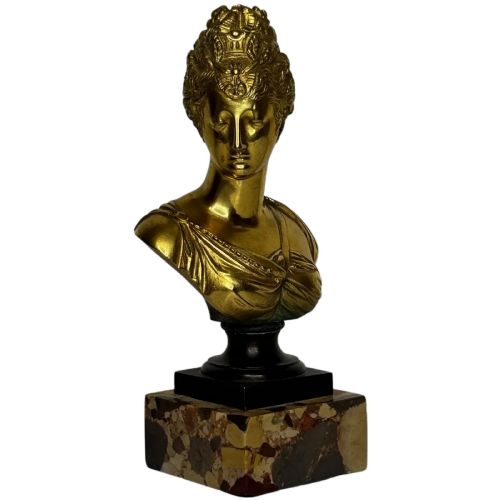
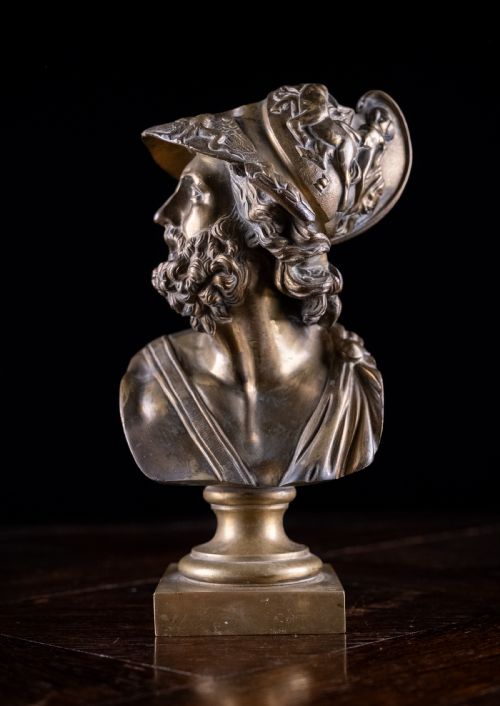
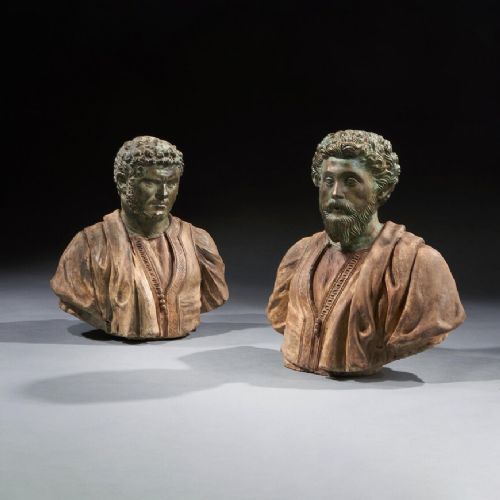
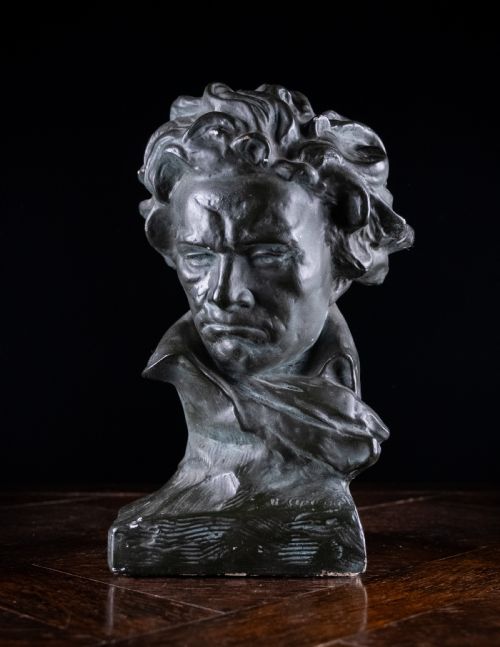
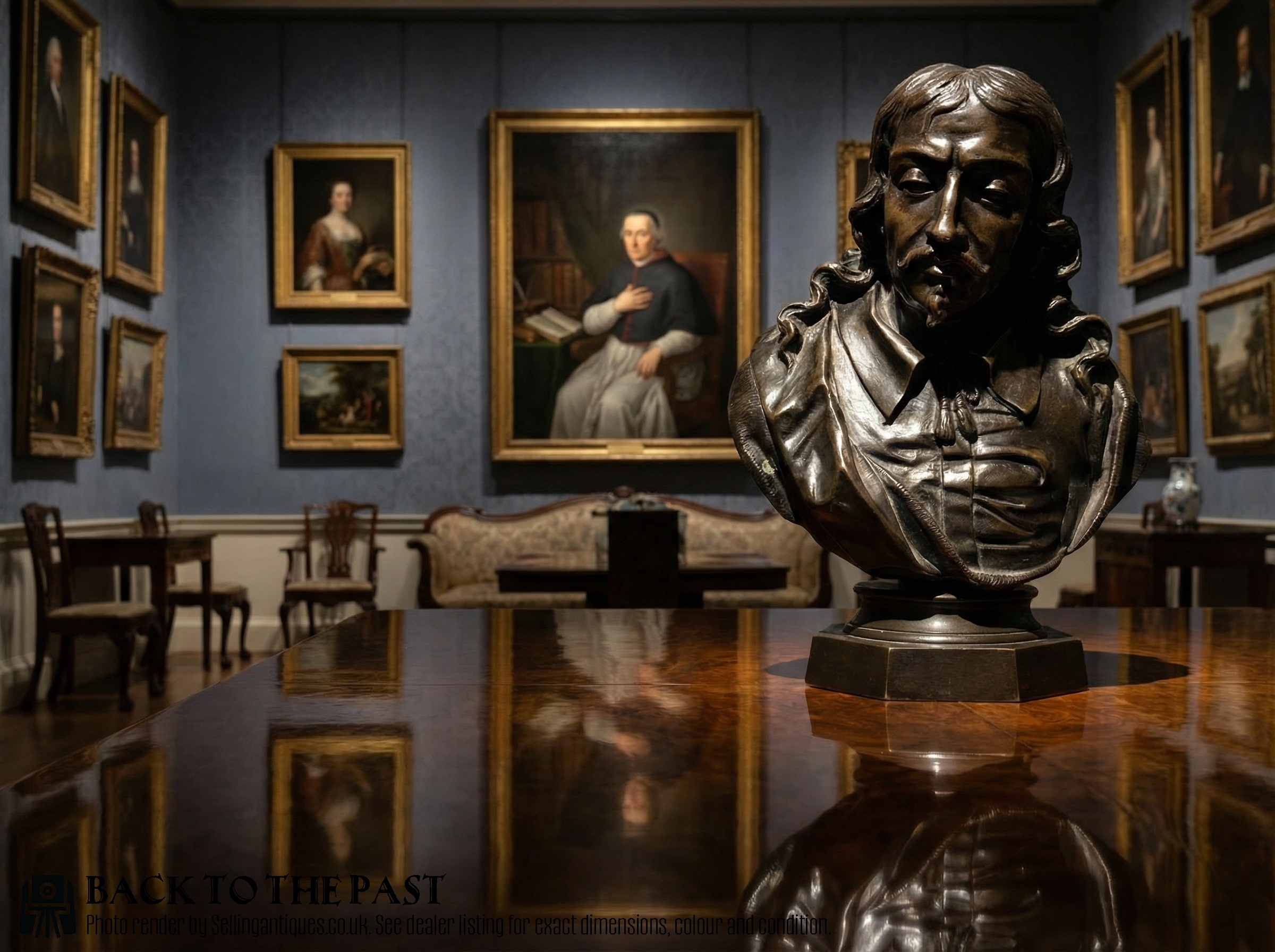
A classical bronze head stands as a sculptural fragment or portrait bust capturing figures from ancient history, mythology and literature. These pieces range from Grand Tour souvenirs collected by travellers in Italy to more ambitious nineteenth-century French and Italian foundry casts.
The most common interpretations on this page draw directly from classical antiquity, depicting Roman emperors, Greek philosophers and mythological deities such as Apollo, Bacchus and Hypnos. Makers often mounted these metal portraits on heavy marble plinths to give them architectural presence.
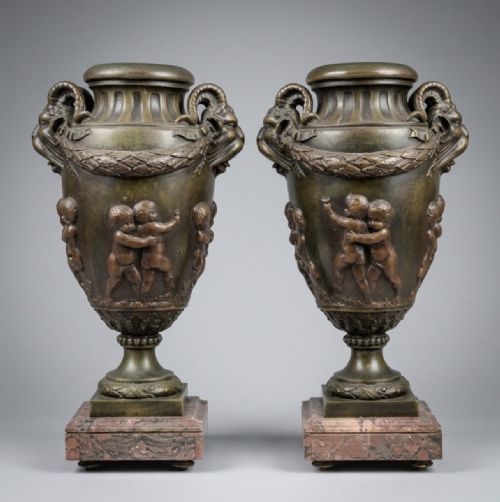
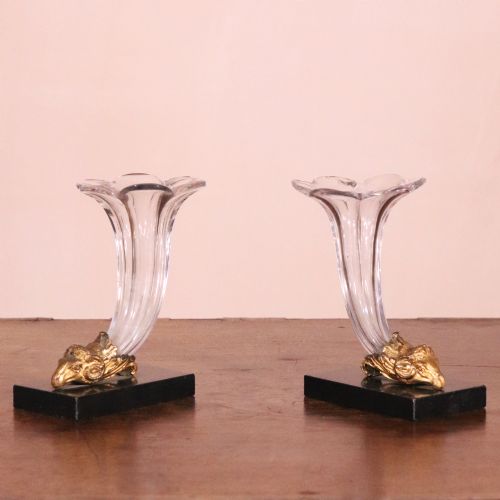
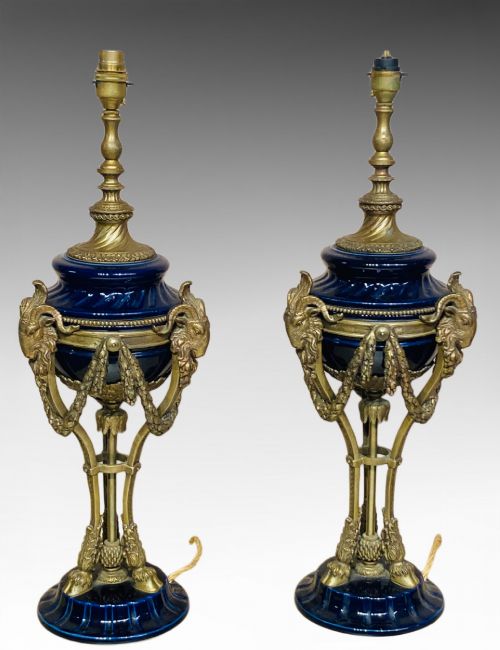
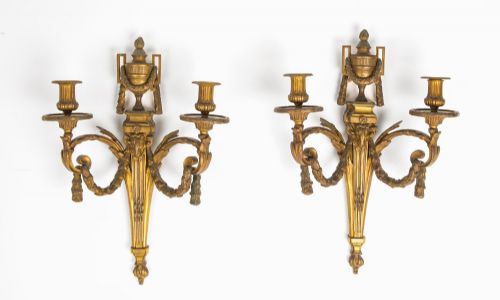
Beyond standalone busts, the search for a classical bronze head includes ornamental hardware and lighting components incorporating cast metal masks, such as ram heads on wall sconces, ormolu urns and furniture mounts. These decorative elements reflect the enduring influence of Neoclassical and French Empire design across the nineteenth and early twentieth centuries.
Assessing quality
Quality rests in the crispness of the chase work and the fidelity of the cast to the original antique prototype. Superior pieces retain sharp details in the hair, eyes and facial expressions, whereas weaker casts appear soft and muddy in the contours.
The weight of the bronze and the quality of the supporting marble base contribute significantly to the overall presence of the sculpture. Finer works display thoughtful patination and careful finishing by the founder, avoiding the uniform, lifeless surfaces seen in lesser decorative castings.
Materials recorded across the inventory include bronze, marble, gilt bronze, ormolu, patinated bronze, brass, terracotta and plaster.
A. Mercie·Giuseppe Moretti·Sir Thomas Brock R A·Mathurin Moreau·Adolphe Jean Lavergne·Emmanuel Villanis
The Classical Bronze Head Glossary
- Grand Tour
- A traditional trip through Europe, particularly Italy, undertaken by wealthy young men in the eighteenth and nineteenth centuries to study classical art. Travellers acquired small bronzes and busts as souvenirs of their journey.
- Ormolu
- Finely ground high-carat gold mercury-gilded to a bronze base object. This technique imparts a rich, lasting golden sheen to decorative mounts and light fittings.
- Patinated bronze
- A metal sculpture treated with chemical solutions to produce a specific surface colour, most commonly shades of brown, green or black. This layer protects the metal and adds visual depth to the portrait.
- Neoclassical
- A Western cultural movement drawing inspiration from the classical art and culture of ancient Greece and Rome. It dominated European design through the late eighteenth and nineteenth centuries.
- Bust
- A painted, sculpted, or cast representation of a person from the chest up. In classical subjects, these frequently depict historical rulers or mythological figures.
Classical Bronze Head: Frequently Asked Questions
What is a Grand Tour bronze?
A Grand Tour bronze is a nineteenth-century souvenir cast in Italy, reproducing famous ancient sculptures for foreign travellers.
These pieces allowed collectors to bring miniature versions of classical statues and portrait heads back to British homes.
How do I identify a cast iron door knocker with a classical head?
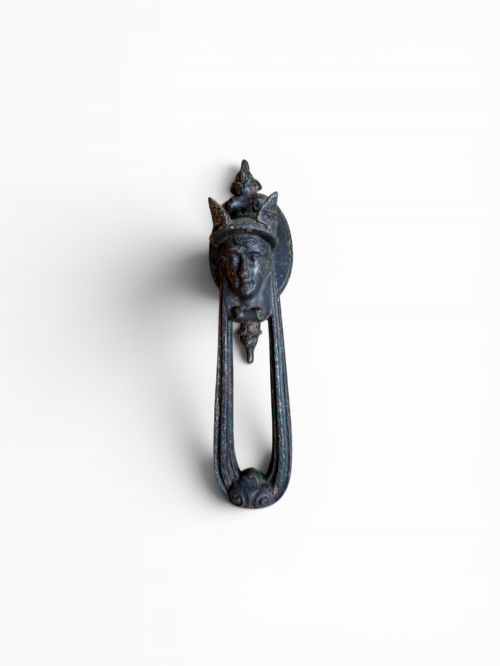
Cast iron door knockers feature heavy, durable metal cast into the shape of mythological deities or historical figures like Hermes.
They combine practical utility with classical revival design, intended for exterior architectural use.
Where should I place a bronze bust in my home?
A bronze bust suits placement on a library desk, mantelpiece or a dedicated column where light can reveal the modelling of the face.
Pairing the dark metal with contrasting backgrounds helps the sculpture stand out within a room.
How do I distinguish nineteenth-century casts from modern reproductions?
Nineteenth-century casts show natural wear to the patina, traditional foundry assembly methods, and heavier marble or bronze components.
Examining the underside and the sharpness of the chasing often reveals the age and origin of the piece.