

Classical Bronze Desk Lamps
Classical bronze desk lamps combine utility with neoclassical form, offering substantial metalwork and period character for a workspace.
Classical Bronze Desk Lamps
Classical bronze desk lamps encompass heavy metal lighting and converted vessels originating from the nineteenth century onwards. Buyers searching for classical bronze desk lamps encounter pieces drawing heavily on Neoclassical, French Empire, and Regency design idioms.
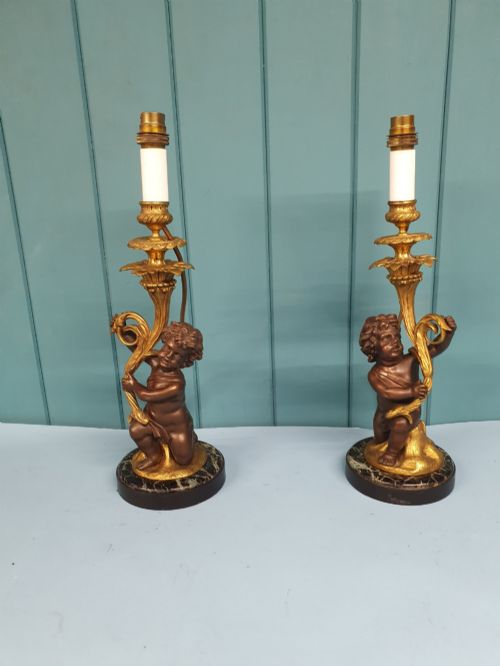
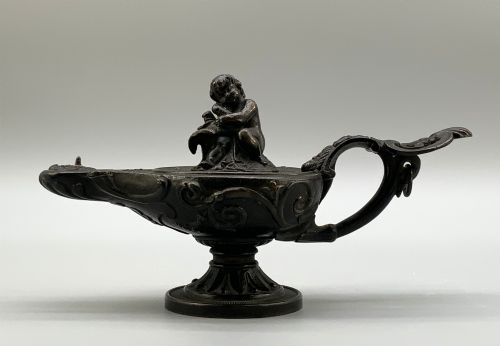
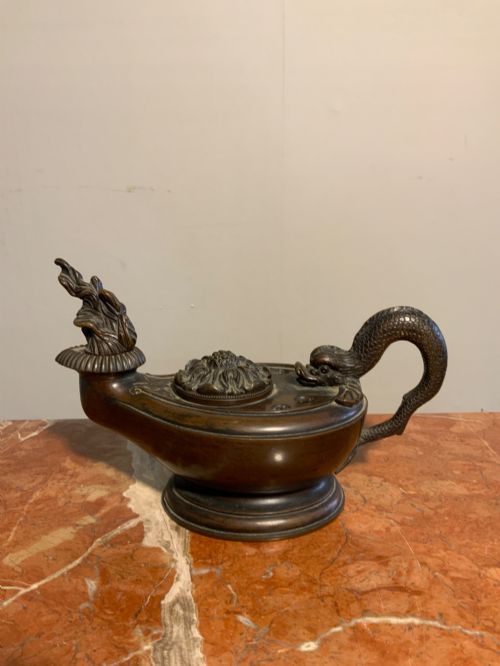
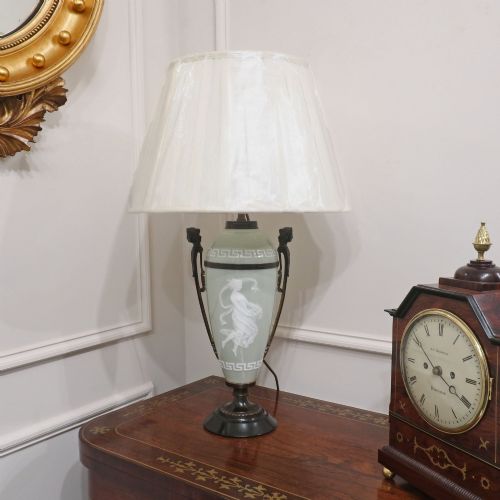
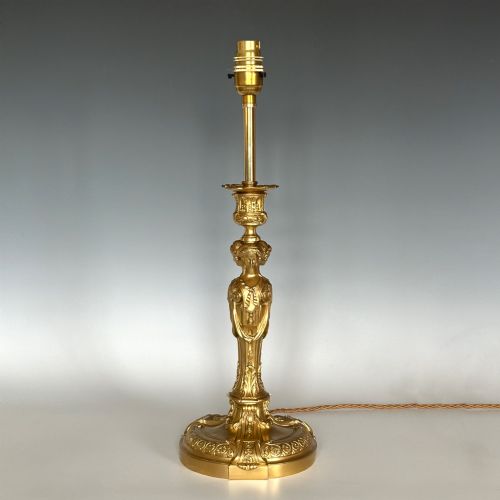
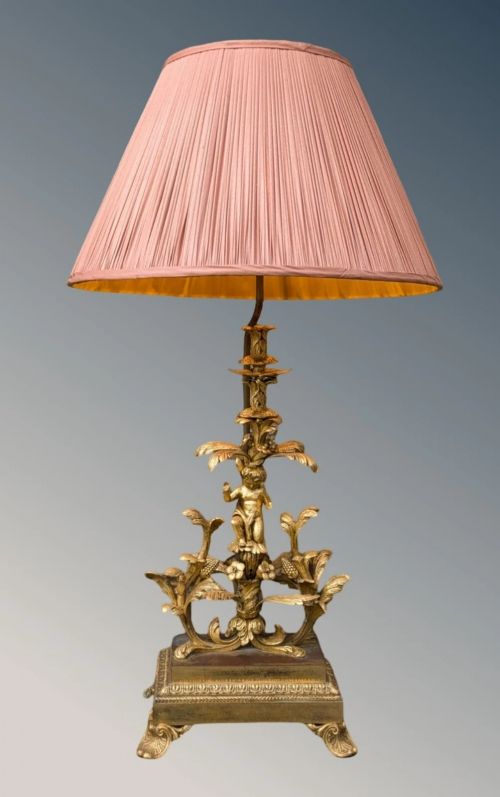
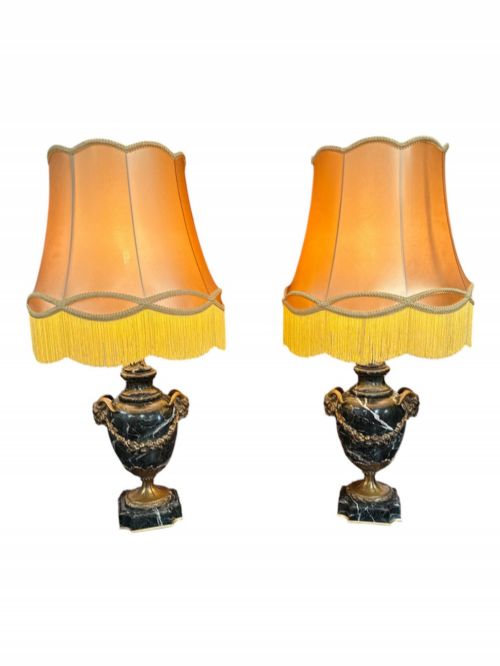
The objects frequently take the form of table lamps, oil lamps, inkwells, and column lights. Many examples incorporate patinated bronze, ormolu, and marble bases reflecting nineteenth century taste and Grand Tour influences.
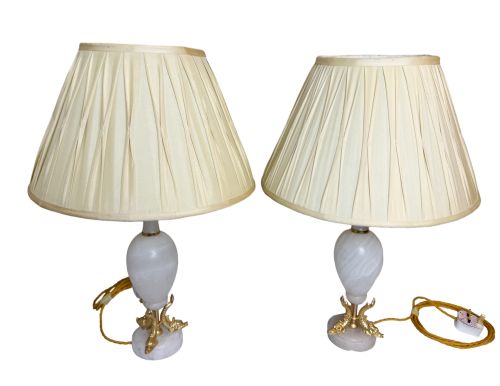
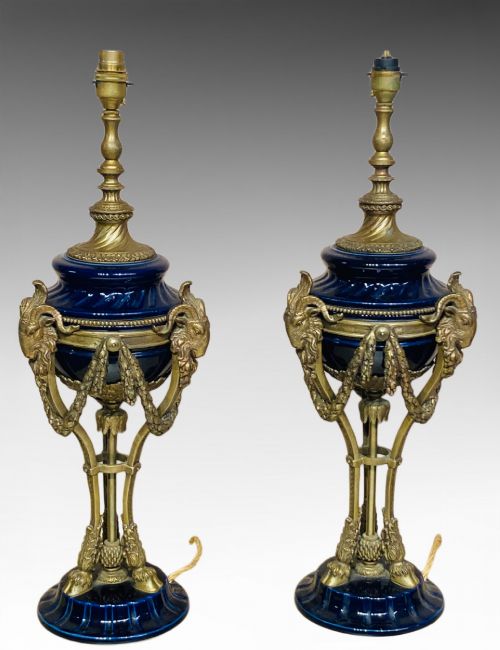
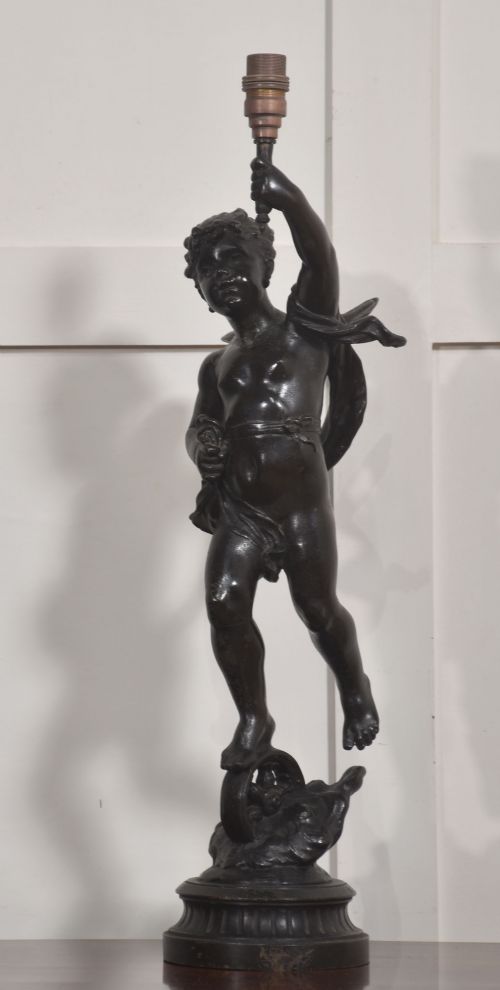
Pairs of figural lamps, cherub motifs, and architectural columns appear regularly across the inventory. These items bridge historical lighting forms with modern interior requirements.
How they were made
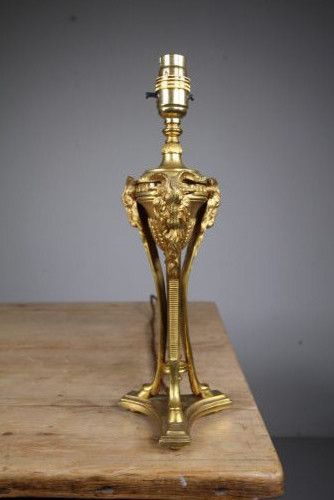
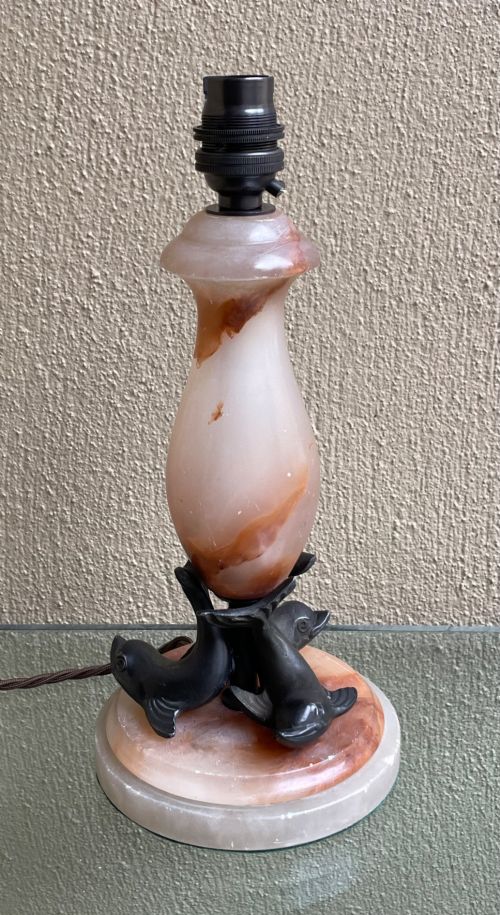
Maker workshops utilised cast bronze, brass, and gilt metal, often combining patinated surfaces with fire-gilded ormolu highlights. Marble and onyx elements frequently provide sturdy plinths and column shafts for the metal components.
Casting techniques allowed for intricate figural details, including cherubs, rams' heads, and classical deities. Many extant lighting fixtures began as oil lamps, ewers, or inkwells before later conversion to electrical table lights.
Mermaids serve as torch lamp columns, holding lights aloft above rocky bases.
What varies in quality
The refinement of the bronze casting and the crispness of the chased detail separate standard productions from finer workshop pieces. Superior examples display carefully managed patination alongside precisely fitted ormolu mounts and solid marble bases.
Signatures from known bronze-founders or sculptors elevate certain figural bases. The structural integrity of original conversions and the weight of the metal components also dictate the standard of individual pieces.
G Amodio Naples·L and F Moreau·Emile Picault
The Classical Bronze Desk Lamps Glossary
- Ormolu
- Gilded bronze, produced by applying a mercury-gilding paste to cast bronze before heating. This technique creates a durable golden finish characteristic of French decorative metalwork.
- Grand Tour
- A cultural journey undertaken by nineteenth century Europeans to study classical antiquities. Souvenirs from these travels included small bronzes and lamps modelled on archaeological discoveries.
- Patination
- The surface coloration of bronze resulting from age or chemical treatment. Controlled patination enhances the definition of cast details.
- Cassolette
- A decorative vase or urn featuring a dual-purpose lid that can reverse to form a candleholder or display surface. Many period examples feature ormolu mounts and marble bodies.
- Neoclassical
- A style reviving classical Greek and Roman motifs, prominent during the eighteenth and nineteenth centuries. It relies on symmetry, columns, and mythological figures.
Classical Bronze Desk Lamps: Frequently Asked Questions
How do I identify a Grand Tour lamp?
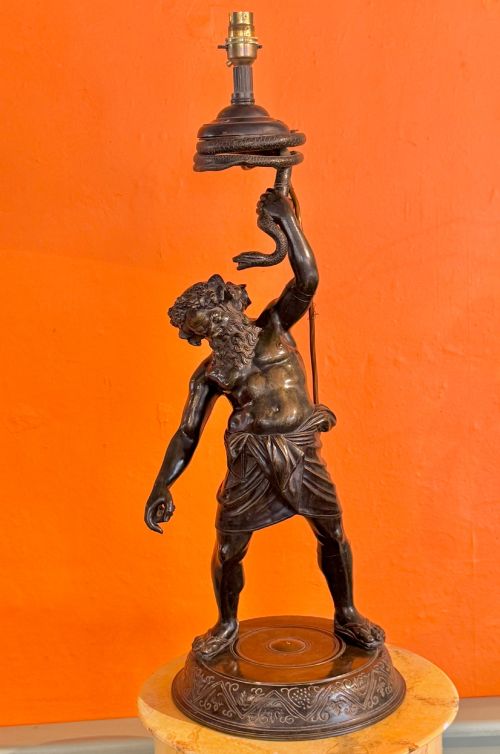
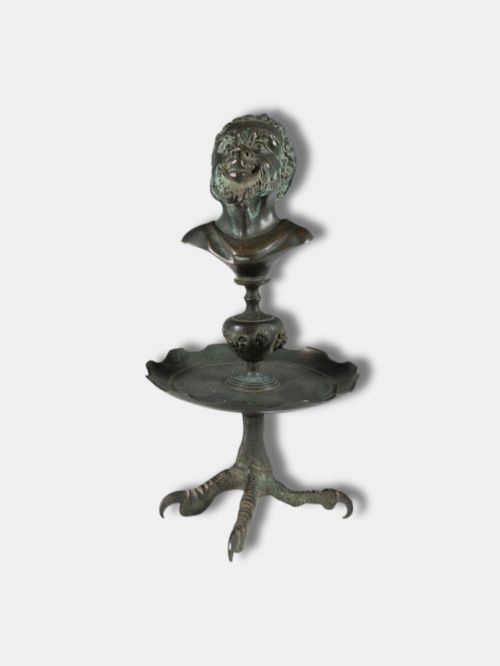
Grand Tour pieces typically replicate specific archaeological finds from sites like Pompeii, often cast in patinated bronze during the nineteenth century. They frequently depict classical figures, sileni, or oil lamp forms popular among travellers.
Examine the casting quality and the depth of the bronze patination. Many bear the marks of contemporary Italian or French workshops catering to the tourism market.
Were these lamps originally electrical?
Most nineteenth century examples began life as oil lamps, inkwells, or decorative ewers before later conversion to electricity. Surviving threaded components and burners often indicate past fuel use.
Conversion methods vary widely, but quality pieces retain their original bronze and marble bodies intact while housing modern internal wiring.
What is the difference between bronze and ormolu?
Bronze is a copper and tin alloy used for the structural body and dark patinated figures of these lights. Ormolu refers specifically to gilded bronze elements mounted onto the piece for contrast.
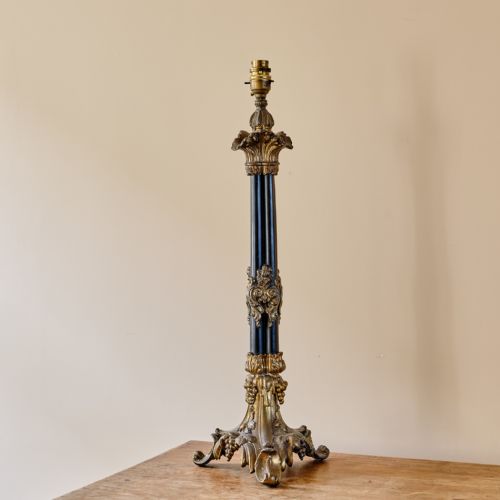
Many classical designs pair dark patinated bronze columns with bright ormolu capitals and bases to create visual depth.
How should I clean a bronze desk lamp?
Dusting with a dry, soft cloth is sufficient for routine maintenance of patinated and gilt surfaces. Avoid harsh chemical cleaners that can strip historical patination or damage delicate ormolu.
Marble bases benefit from gentle wiping with a damp cloth, followed immediately by drying to protect the stone surface.