
Classical Brass Lamp
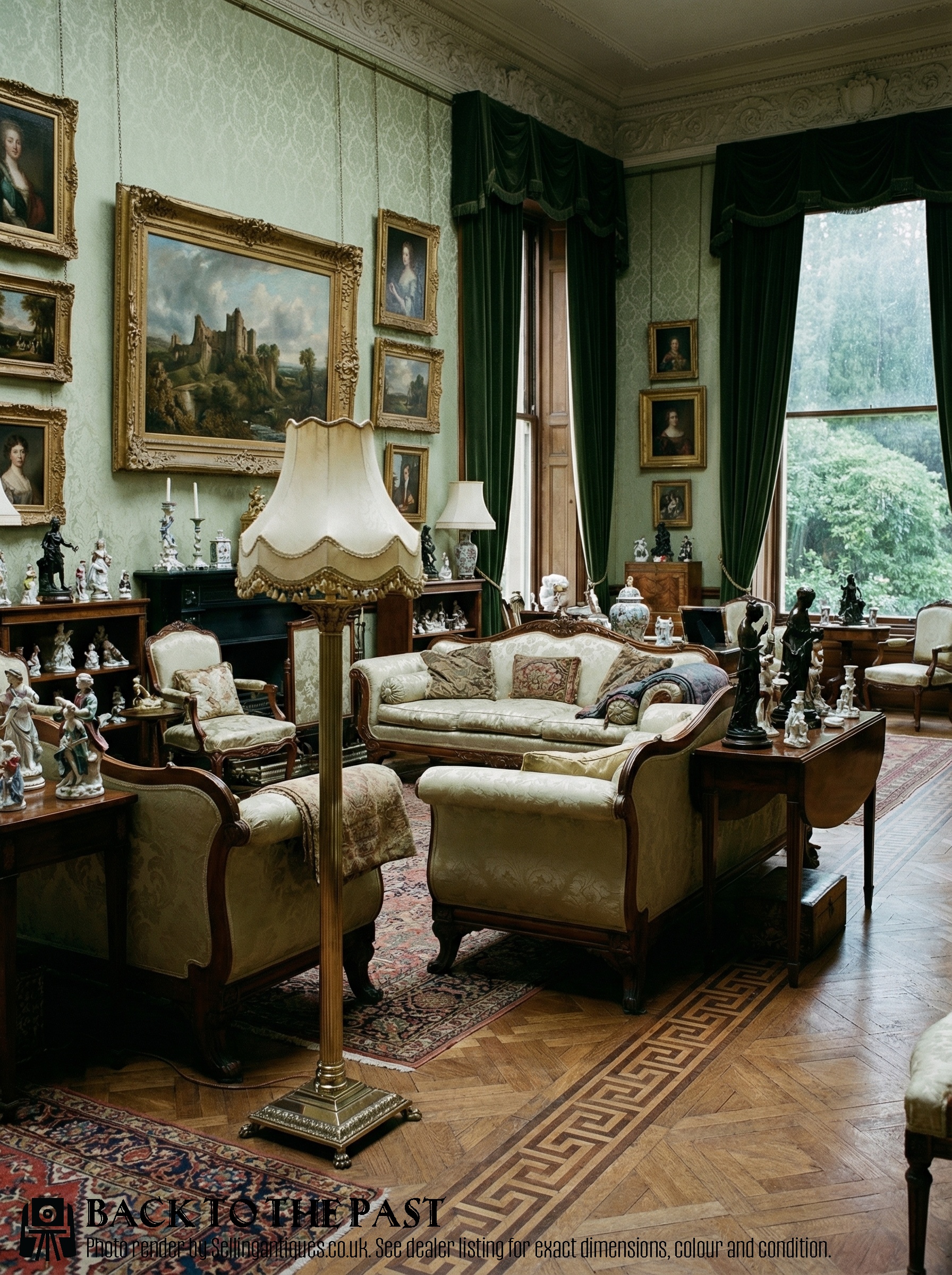
A classical brass lamp brings structured dignity to a room through fluted columns and polished metal.
Classical Brass Lamp
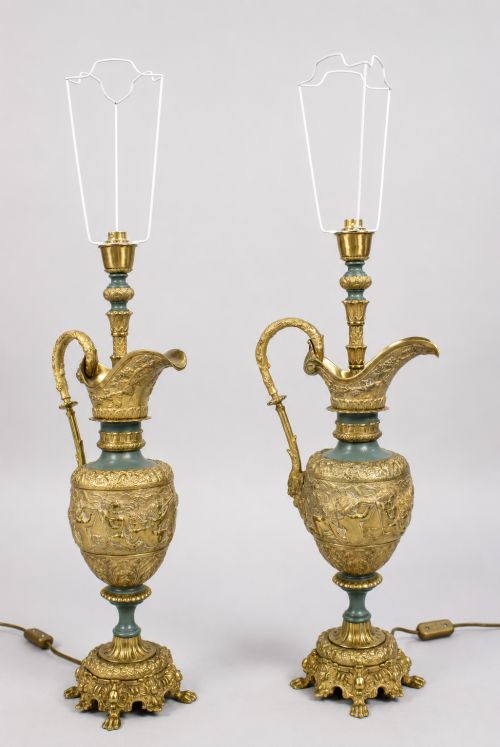
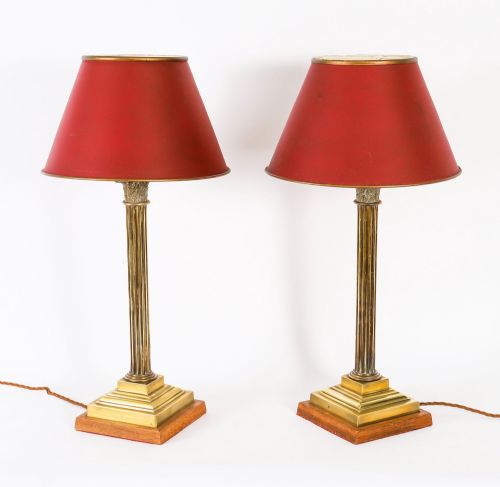
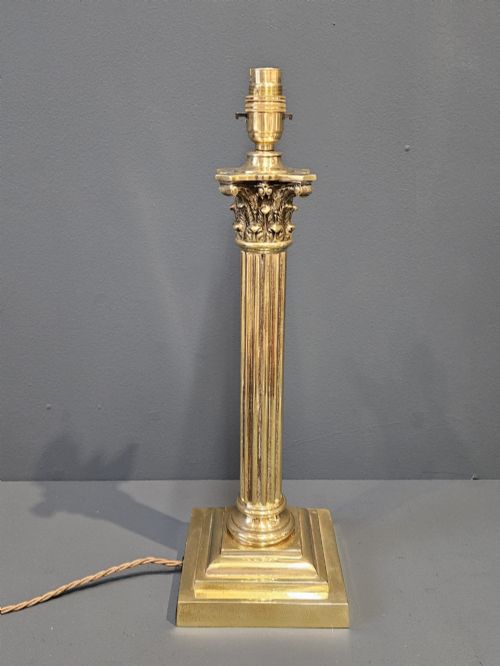
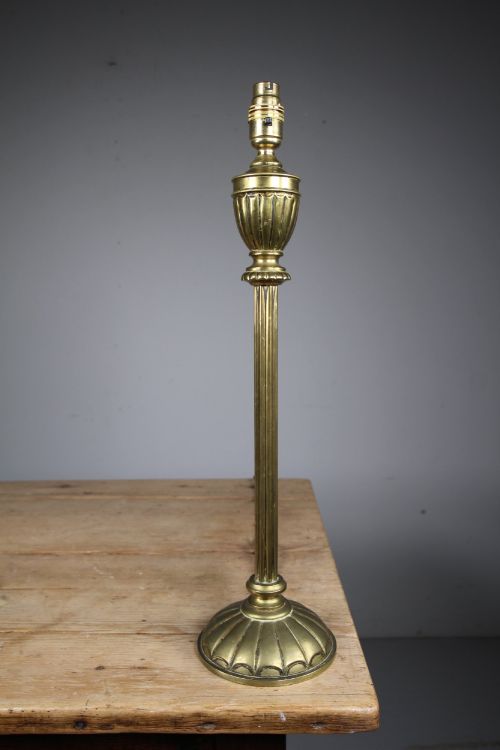
When you search for a classical brass lamp, you encounter lighting fixtures shaped by architectural orders and historical revivals. The common form on this page is the table lamp, frequently modelled as a Corinthian or Ionic column in solid brass.
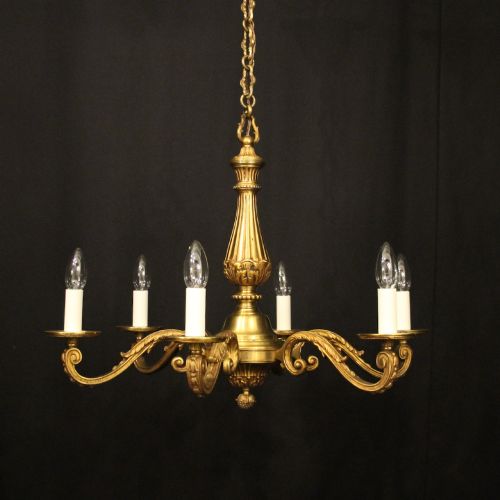
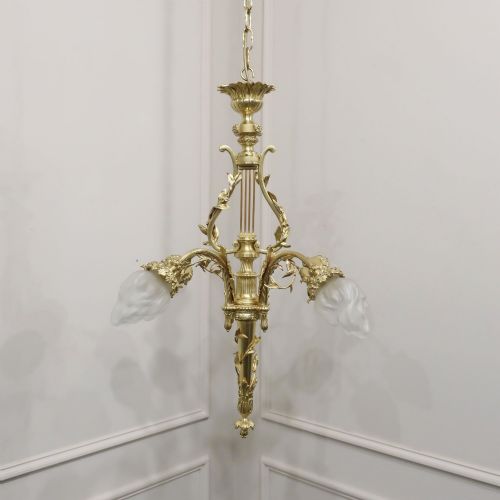
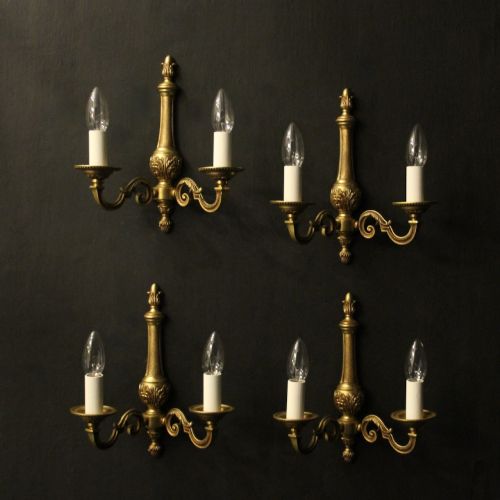
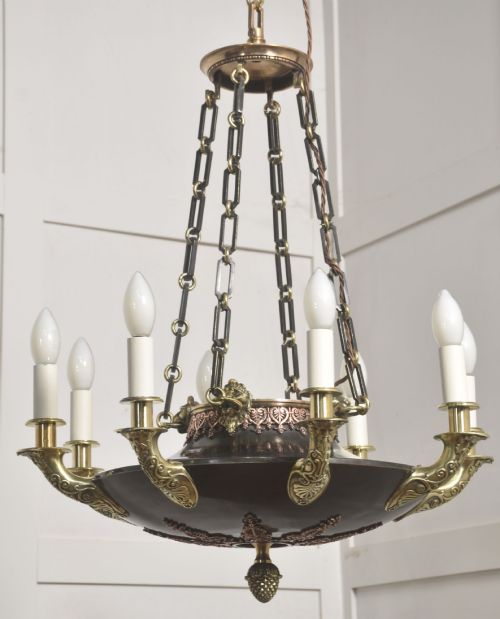
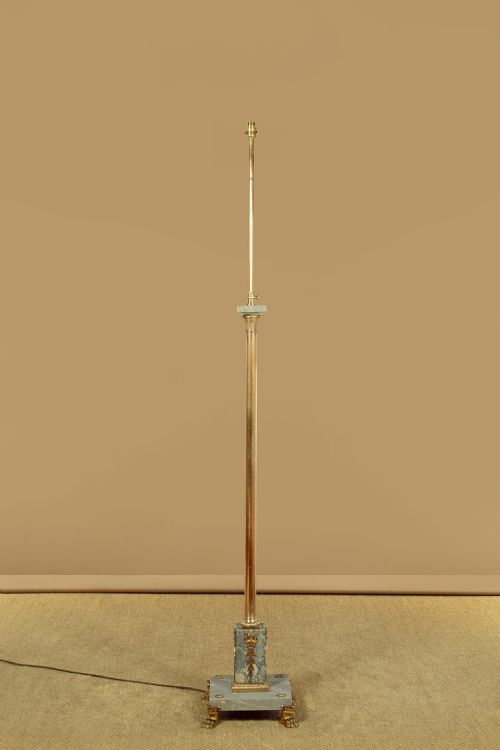
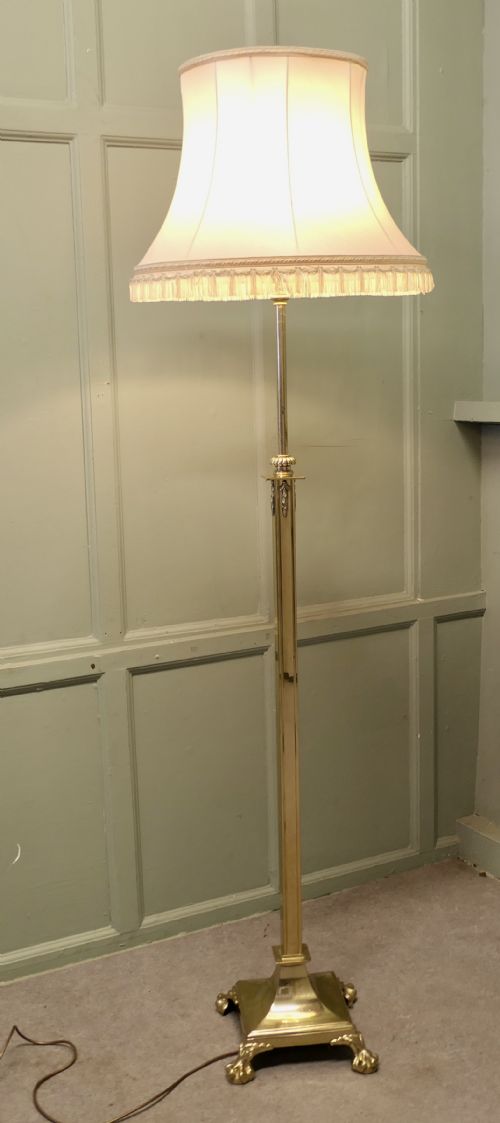
Beyond desk and table versions, the selection includes taller standard and floor lamps, many featuring telescopic height adjustment. Wall lights and multi-armed chandeliers also appear, drawing on French Neoclassical and Empire styles.
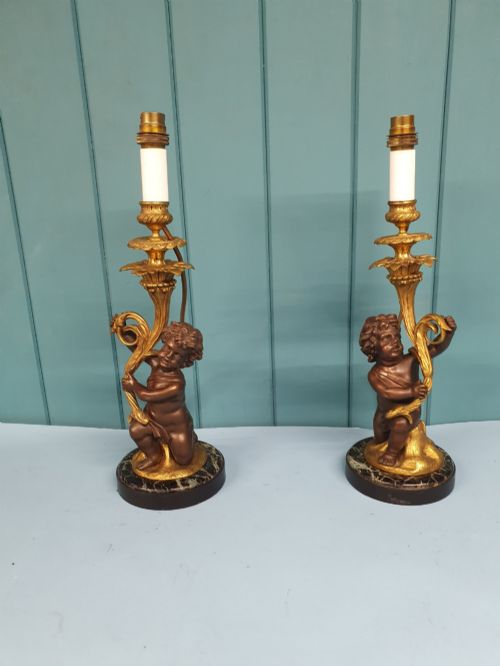
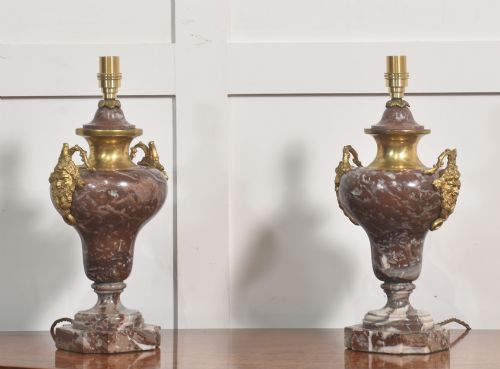
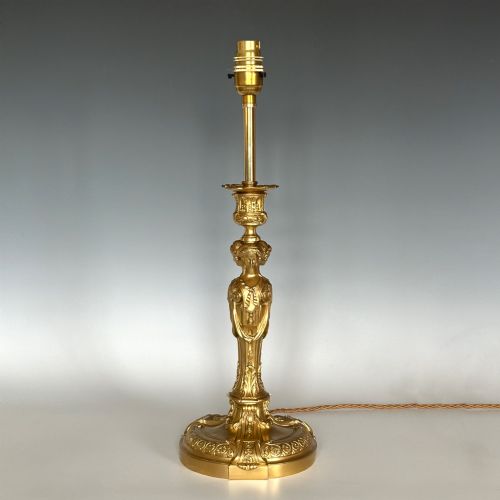
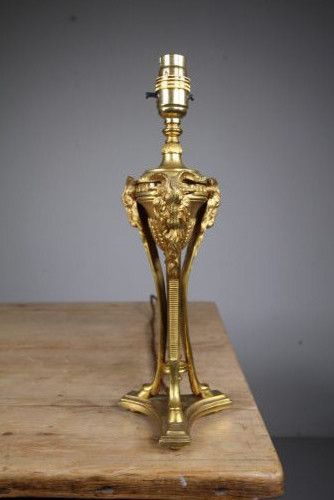
Origins span the nineteenth century through the Edwardian period and into the 1930s. English column designs sit alongside French gilt bronze and ormolu pieces incorporating marble or onyx bases.
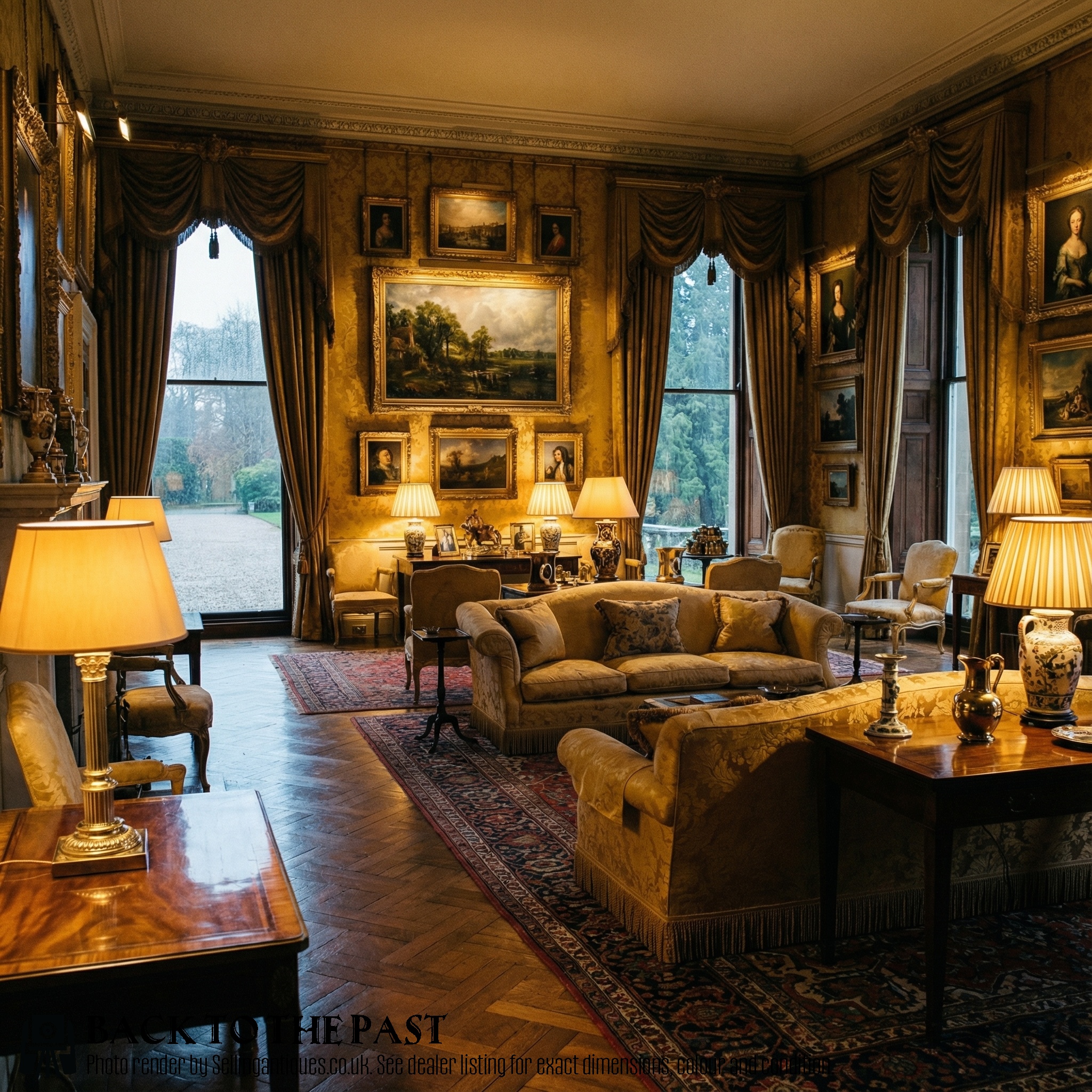
How they were made
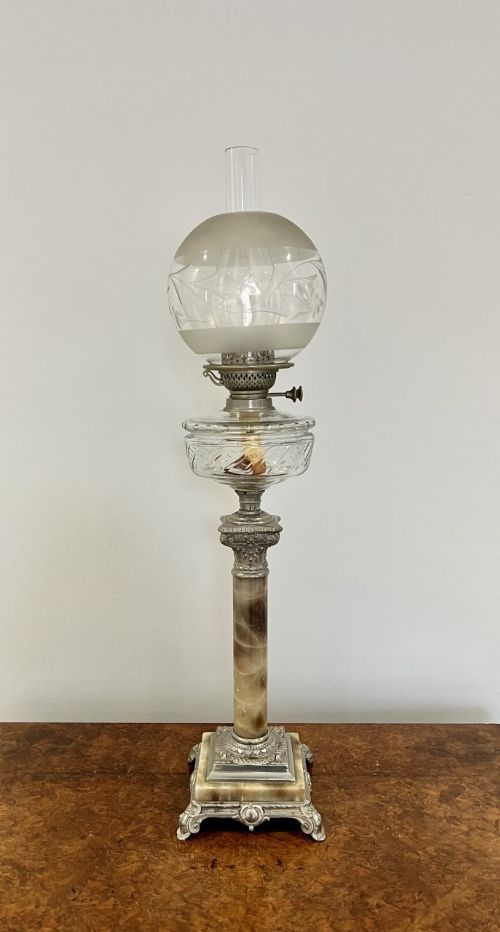
The primary construction relies on cast and turned brass, often supplemented by gilt bronze, ormolu, and copper. Metal components are combined with polished red marble, onyx, and occasionally glass elements to add weight and colour contrast.
Column shafts feature precise fluting and detailed capitals cast in the Corinthian or Ionic orders. Heavier floor and standard models incorporate telescopic mechanisms for functional height adjustment.
Classical Brass Lamp Retail Price Guide 2026
Typical asking prices for classical brass lamp among the pieces listed under this phrase on Sellingantiques today, from the lower quarter to the upper quarter. They describe what is for sale here now, not the wider market.
Listings feature twentieth-century pieces alongside nineteenth-century Victorian, Edwardian, and earlier designs.
What varies in quality
Quality rests in the crispness of the cast metal details, from the acanthus leaves on a column capital to the chased patterns on a ram's head mount. Sharp, deep definition in the casting separates superior work from softer, mass-produced examples.
The choice of secondary materials also dictates grade. Solid rouge marble and heavy-gauge ormolu elevate a piece above simpler spun brass constructions.
L and F Moreau·F and C Osler·Hinks
The Classical Brass Lamp Glossary
- Ormolu
- A gilded bronze technique developed in France, creating a rich golden surface finish on decorative mounts. It is frequently seen on nineteenth-century pieces modelled in the Louis XVI style.
- Corinthian column
- An architectural column order characterised by ornate capitals decorated with rows of acanthus leaves. This form dominates the column table lamps and standard lamps listed here.
- Telescopic
- An adjustable mechanism allowing the vertical shaft of a standard lamp to extend or retract. This engineering feature is typical in Edwardian and later tall floor lamps.
- Grand Tour
- A term describing nineteenth-century decorative objects influenced by classical antiquity and collected by travellers in Europe. These pieces often take the form of ancient vases or architectural fragments.
Classical Brass Lamp: Frequently Asked Questions
Are these lamps safe to use today?
Many antique lamps are sold after undergoing rewiring and safety testing to meet modern standards. Buyers should verify specific electrical updates with individual listings.
Original brass components remain durable, but older internal wiring typically requires replacement for safe daily operation in a modern home.
How do I identify a column lamp period?
Victorian and Edwardian examples often feature heavy cast brass bases with precise Corinthian capitals. Examining the weight, patination, and construction joins helps separate nineteenth-century work from later revivals.
French pieces from the same eras frequently incorporate gilded bronze and marble, reflecting continental design preferences of the period.
Where should I place a standard lamp?
Telescopic standard lamps suit dark corners or reading areas where adjustable height provides functional illumination. Their vertical column forms occupy minimal floor space while adding architectural presence.
Pairing them with period appropriate fabric shades completes the traditional look in a study or drawing room.
What is the difference between ormolu and brass?
Brass is an alloy of copper and zinc used for the structural bodies of many lamps. Ormolu refers specifically to a gilded bronze application that yields a deeper, more lustrous golden finish.
Ormolu mounts generally indicate higher-end French neoclassical production during the nineteenth century.