



Classical Brass Candle Stands
Classical brass candle stands bring formal light and architectural presence to a room, spanning periods from the eighteenth century to the Edwardian era.
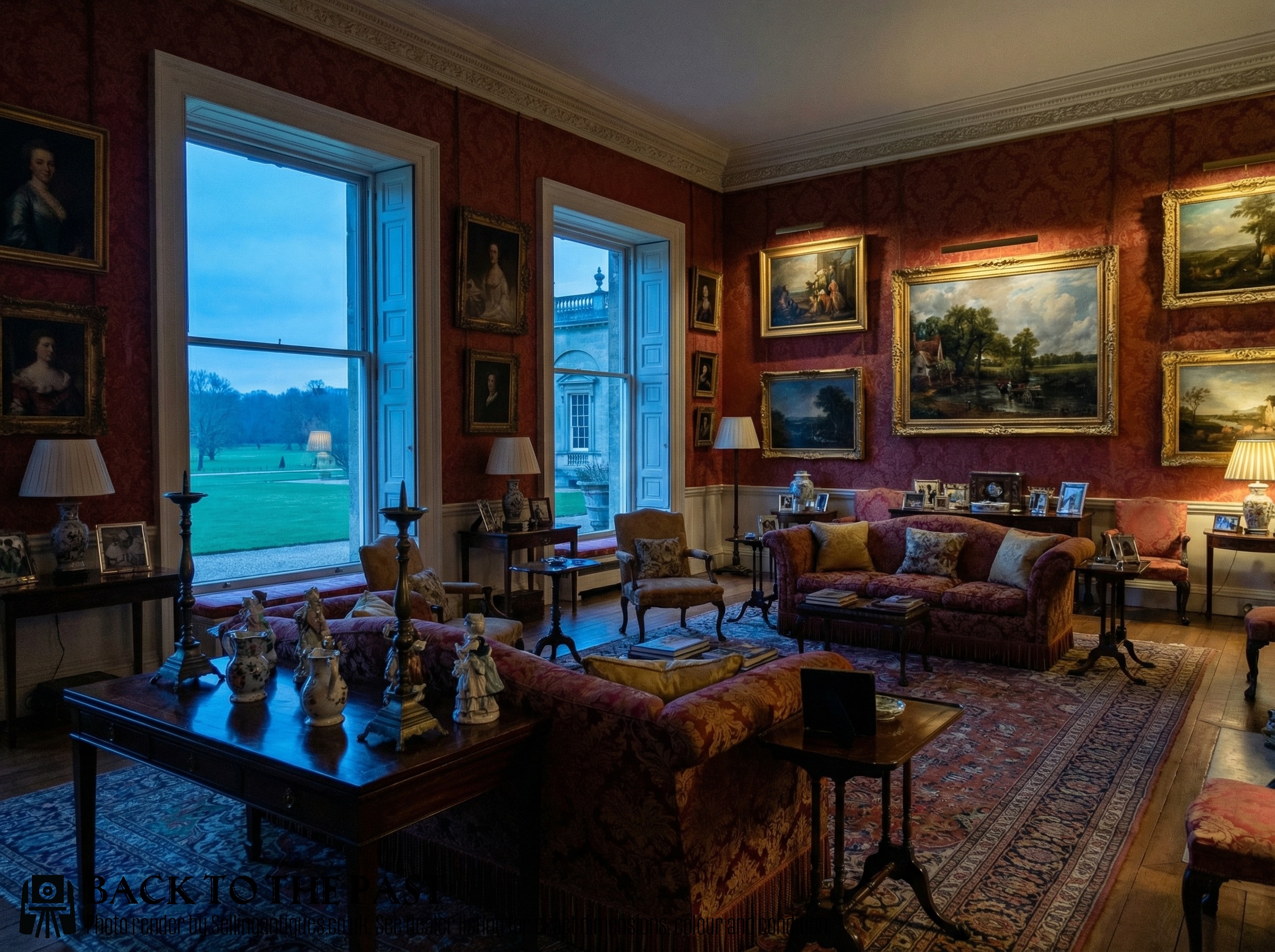
Classical Brass Candle Stands
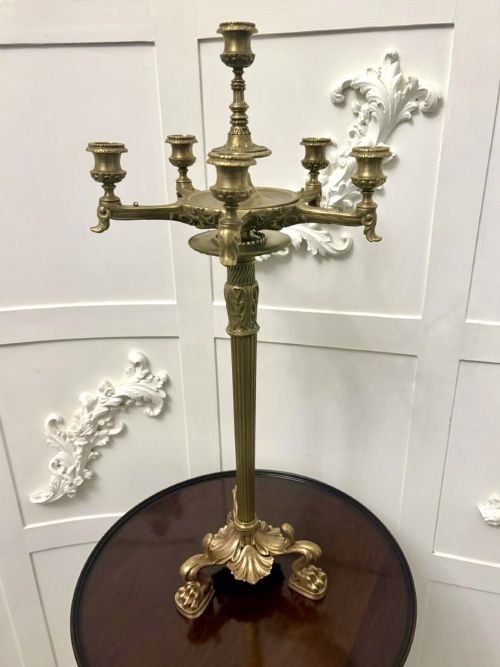
Classical brass candle stands encompass candlesticks, multi-armed candelabra, torchere stands, and standard lamps rooted in historical design vocabularies. When searching for classical brass candle stands, buyers encounter lighting forms shaped by Neoclassical, Regency, French Empire, and Victorian aesthetics.
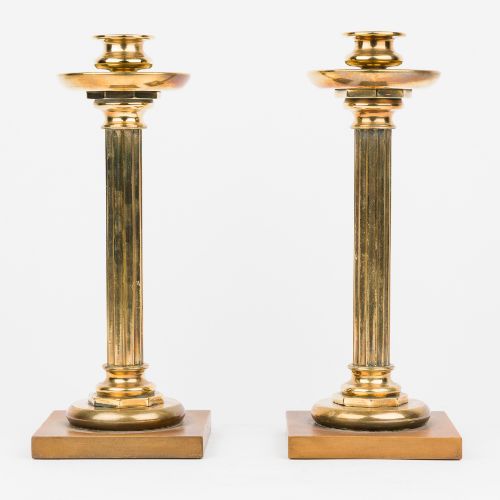
The inventory on this page ranges from eighteenth-century Venetian gilt bronze pieces to nineteenth-century French Empire works and Edwardian brass designs. Pairs predominate, offering balanced symmetry for mantelpieces, side tables, and decorative consoles.
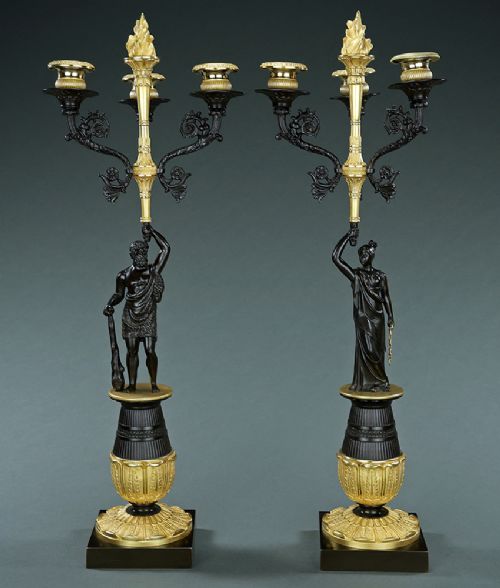
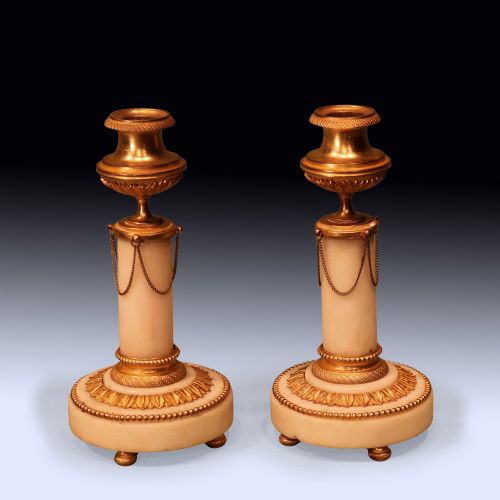
Objects include variants executed in cast brass, patinated bronze, ormolu, and combinations involving white marble or mahogany. Each piece reflects the lighting requirements and decorative tastes of its specific period of origin.
Materials and construction
Makers utilised casting techniques to shape brass, bronze, and gilt bronze into intricate classical columns, figural supports, and foliage motifs. Molten metal poured into moulds created the heavy bases, stems, and drip pans characteristic of these stands.
Surface finishes involved fire gilding, patination, and ormolu application to create contrast between polished metallic highlights and dark patinated details. Certain pieces integrate carved white marble columns or turned mahogany bases alongside metal components.
Assembly typically relied on threaded central rods or pegged joints to secure the distinct tiers, sockets, and weighted bases together securely.
The listings feature pieces spanning the 18th century, Regency, Georgian, Victorian, and Edwardian periods, constructed from brass, ormolu, and marble.
Distinctions in craftsmanship
Quality separates pieces through the crispness of the metal chasing and the depth of the original gilding or patination. Finer examples display sharp relief in cast ornamentation, such as acanthus leaves, classical figures, and beaded borders, without softening from worn moulds.
The structural integrity of the assembly and the choice of supplementary materials dictate the standing of a piece. Stands that combine cast brass with matched white marble or fire-gilt ormolu demonstrate higher ambition in design and material cost.
Proportion and weight indicate standard. Superior stands maintain a heavy, balanced stance with precisely aligned sockets and straight columns that resist leaning under the weight of multiple candle arms.
The Classical Brass Candle Stands Glossary
- Ormolu
- Gilded bronze, typically produced by applying a mercury and gold amalgam to a bronze object and heating it to drive off the mercury. This technique creates a durable, golden surface seen on high-end French and English pieces.
- Candelabra
- A branched lighting fixture designed to hold multiple candles simultaneously. They often feature a central stem with removable or fixed arms spreading outward.
- Torchere stand
- A tall, slender freestanding stand designed to elevate a light source or decorative object. Examples in this category incorporate turned mahogany alongside brass elements.
- Patinated bronze
- Bronze treated with chemicals, heat, or natural agents to produce a darkened or coloured surface finish. It provides visual contrast against bright gilt bronze or ormolu mounts.
- Pricket candlestick
- A candle holder featuring a sharp metal spike upon which the base of a candle is impelled. This form appears frequently in ecclesiastical and earlier secular lighting.
Classical Brass Candle Stands: Frequently Asked Questions
How do I clean classical brass candle stands?
Dust surfaces gently with a soft, dry cloth to prevent the accumulation of grit in crevices and engraved details. Avoid abrasive metal polishes, particularly on gilt or patinated areas, as harsh rubbing strips away the historic finish.
For stubborn grime, use a slightly damp cloth with mild soap, drying the metal thoroughly immediately afterwards. Preserving the natural oxidation and age patina maintains the visual character of antique brass and bronze.
Are these candle stands safe to use with real candles?
Most antique candle stands function safely with standard taper candles, provided the sockets match the candle diameter. Ensure the stand rests on a stable, level surface away from drafts to prevent tipping.
Monitor burning candles closely and extinguish them before the flame reaches the metal socket or drip pan. For delicate or heavily gilt pieces, battery-operated candles offer a secure alternative for daily display.
How can I tell Regency pieces from Victorian ones?
Regency designs, influenced by archaeological discoveries and French Empire styles, favour crisp classical motifs like palmettes, sphinxes, and patinated bronze contrasts. They reflect the early nineteenth-century taste for clean architectural lines and severe classical proportions.
Victorian pieces often introduce heavier, more exuberant ornamentation, drawing on Rococo revivals or mixed media like white marble and bright ormolu. Examining the casting style and decorative vocabulary usually reveals the manufacturing period.
Did these stands originate in France or England?
Many classical brass candle stands reflect French design traditions, particularly those associated with the Empire and Regence periods. French makers excelled in fire-gilt bronze and sophisticated figural subjects.
English workshops produced parallel designs, often adapting French motifs for domestic Regency and Victorian interiors. Unsigned pieces frequently display stylistic traits common to both nations during the nineteenth century.