


Classical Art Bust
A classical art bust brings sculptural form and historical gravity into a room, drawing the eye with carved stone and patinated metal.
Classical Art Bust
A classical art bust represents human subjects, literary figures, and allegorical concepts through sculpted forms derived from historical traditions. These pieces translate antiquity into interior decoration and studio display.
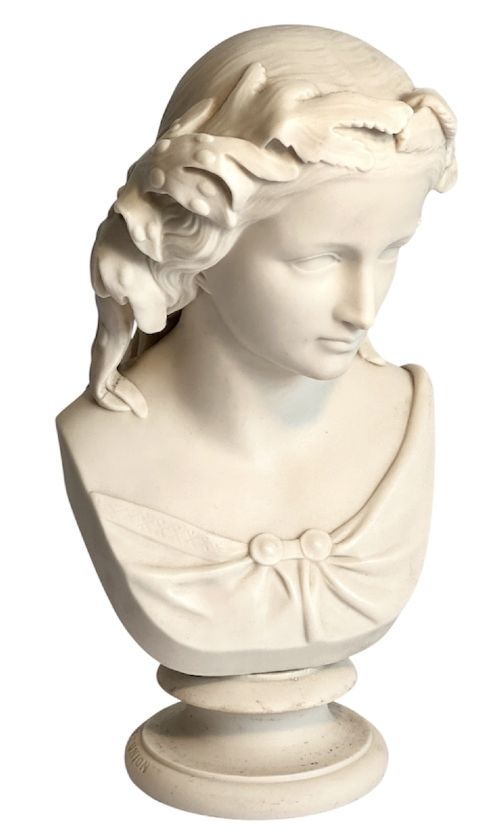
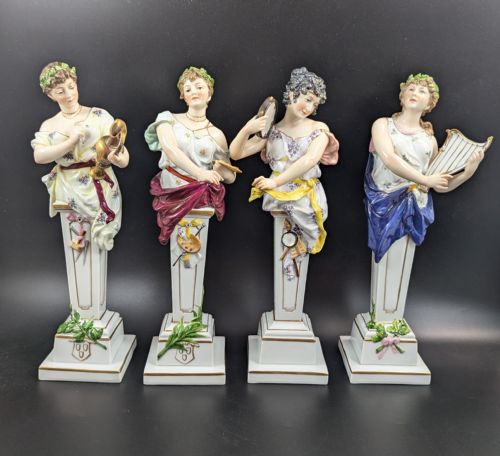
The selections on this page span the nineteenth century through the mid twentieth century, encompassing Victorian, Art Nouveau, and Art Deco aesthetics. Marble and alabaster versions appear alongside bronze and parian porcelain.
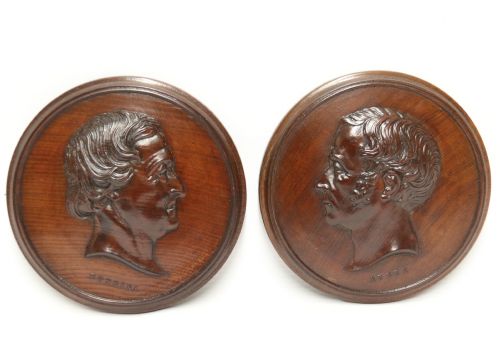
Portraiture and profile plaques dominate the objects gathered here, capturing subjects ranging from classical poets to fictional heroines. Makers render these likenesses in media varying from carved stone to cast metal.
How they were made
Sculptors carved marble and alabaster directly from quarried blocks, utilising chisels and rasps to define facial contours and flowing drapery. Workshops also cast metal works in bronze utilising the lost-wax method before applying patinas.
Parian porcelain and plaster production involved moulding ceramic slips and plaster mixtures to replicate fine sculptural detail. Artisans then finished surfaces by hand, chasing metal casts or polishing stone grains.
Several ladies immortalised in stone and bronze carry avian companions, including a pet hummingbird resting near a young girl's shoulder.
What varies in quality
The finesse of hand-chiselling in stone and the crispness of chasing in metal define the upper tiers of these sculptures. Superior examples exhibit sensitive handling of expression, accurate anatomical proportion, and clean articulation of hair and drapery.
Material selection dictates much of the distinction between works, with fine-grained Carrara marble and heavy patinated bronze sitting above standard plaster or composite materials. Signatures from recorded sculptors further elevate individual pieces.
Emmanuel Villanis·Auguste Moreau·Sir Thomas Brock·Hans Müller·Achille Mollica
The Classical Art Bust Glossary
- Alabaster
- A soft stone, fine-grained and translucent, frequently utilised for nineteenth-century female portrait sculptures. Its surface accepts gentle carving and takes a smooth polish.
- Parian porcelain
- A fine biscuit porcelain resembling marble, developed in Victorian Britain and named after Parian marble from the Greek island of Paros. It reproduces sculptural detail with crisp precision.
- Patinated bronze
- A copper alloy treated with chemical solutions to produce a surface colour or coating. This finish protects the metal and highlights modelled contours.
- Profile plaque
- A wall-mounted relief sculpture showing a subject in side view. These carved plaques frequently depict historical poets or classical figures in pairs.
- Lost-wax method
- A metal-casting technique where a molten alloy replaces a wax model inside a refractory mould. This process allows artisans to capture intricate textures from the original sculptor's hand.
Classical Art Bust: Frequently Asked Questions
What is a classical art bust?
A classical art bust is a sculpted or cast representation of the head, neck, and shoulders, drawing inspiration from ancient Greek and Roman models. These pieces capture historical, literary, or allegorical figures in materials like marble, bronze, and alabaster.
Craftsmen across the nineteenth and twentieth centuries adapted these historical forms for domestic interiors. They serve as focal points on display pedestals, mantels, and tables.
How are bronze busts finished?
Bronze busts receive their surface appearance through chemical treatments applied to the cast metal after chasing and polishing. These patinas range from deep warm browns to greenish verdigris tones.
Artists use these chemical colourings to accentuate musculature, garments, and hair texture, adding depth and visual warmth to the metallic surface.
What distinguishes parian porcelain from marble?
Parian porcelain is a ceramic material fired to a vitrified, unglazed state that imitates the appearance of fine white marble. It allowed nineteenth-century potteries to produce affordable, highly detailed sculptural busts in series.
Marble remains a unique, heavy stone carved directly by hand from a single block, whereas parian porcelain relies on master moulds created from an original sculpture.