
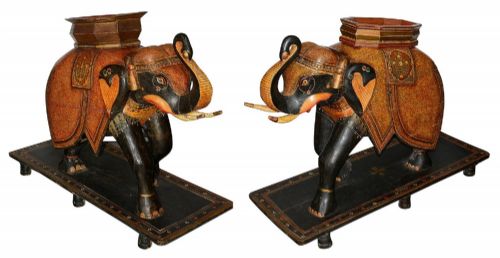


Statue on Pedestal Stand
A statue on pedestal stand brings height and focal presence to a room, lifting figures and columns into the vertical line.
Statue on Pedestal Stand
A statue on pedestal stand combines a sculptural figure with an elevated column, plinth, or display base. Buyers searching for this phrase encounter a mix of complete figural groups and paired columns supporting busts or lamps.
The selections span the nineteenth century into the early twentieth century, drawing on Victorian, Neoclassical, and Venetian Baroque styles. Most examples pair carved wood or marble figures with matching structural supports.
Forms range from garden statuary and torcheres to interior display pillars and figural stands. The structural supports function both as independent columns and as direct platforms for mounted figures.
How they were made
Carvers shaped timber, marble, onyx, and alabaster into columns and figures using traditional hand tools. Artisans applied surface finishes including gold leaf, polychrome paint, lacquer, and silver-plating to enhance the materials.
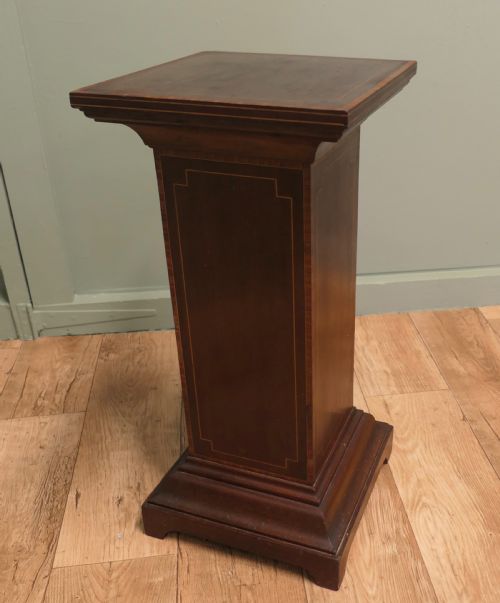
Joinery and turning techniques created sturdy wooden pillars from mahogany, satinwood, and oak. Stonework and marble components relied on accurate cutting and polishing to achieve smooth columns and faux marble effects.
Several figures hold items aloft, from glowing lamps and delicate shells to fruit.
What varies in quality
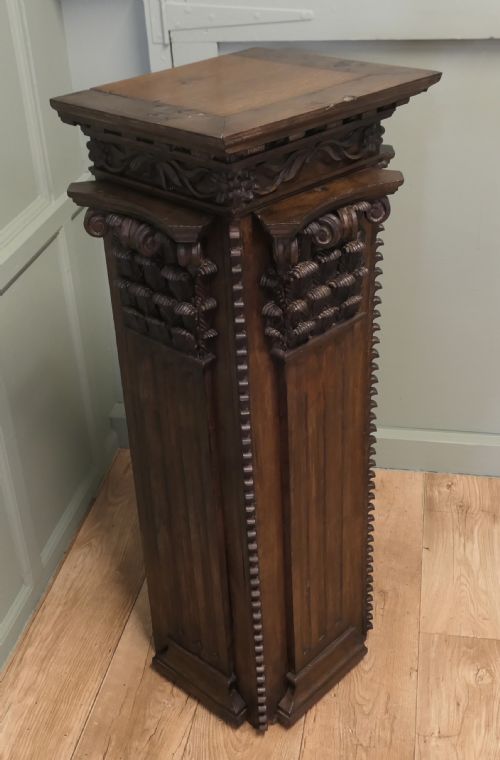
The refinement of the carving defines the upper tier of these works, separating simple turned wooden columns from detailed figural sculptures and articulated drapery. Hand-applied polychrome paint and original gilt surfaces retain visual depth that flat repainting obscures.
Material selection dictates permanence and weight, with solid marbles, alabaster, and dense carved woods sitting above plaster casts and faux finishes. The integration between the statue and its pedestal reflects the original design ambition of the maker.
WMF
The Statue on Pedestal Stand Glossary
- Pedestal
- A structural support or foot for a column, statue, or vase. It elevates the object above floor level to improve visibility.
- Torchere
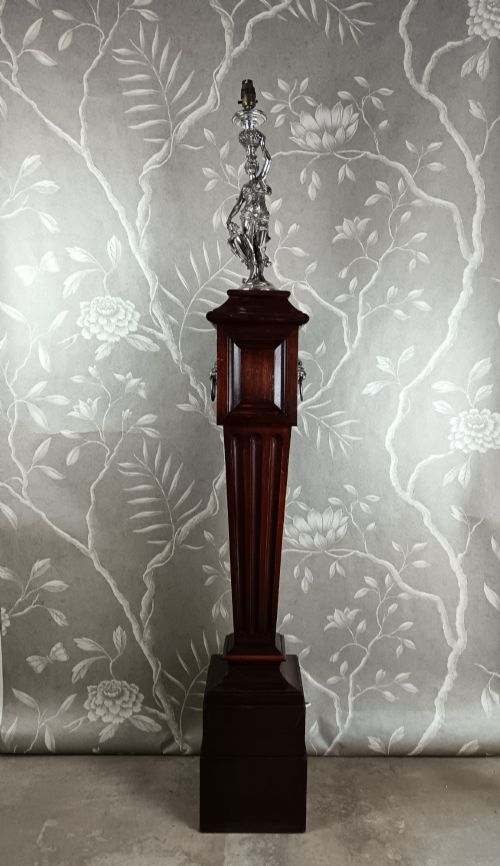
- A tall stand or ornamental floor lamp designed to hold a light source. Many examples feature a figural shaft supporting a light or basin.
- Polychrome
- Painted, printed, or decorated in several colours. This finish appears frequently on Venetian figures and carved wooden stands.
- Plinth
- A heavy slab or block acting as the base for a statue, column, or pillar. It provides a stable footing on the floor.
Statue on Pedestal Stand: Frequently Asked Questions
Where should I place a pedestal stand?
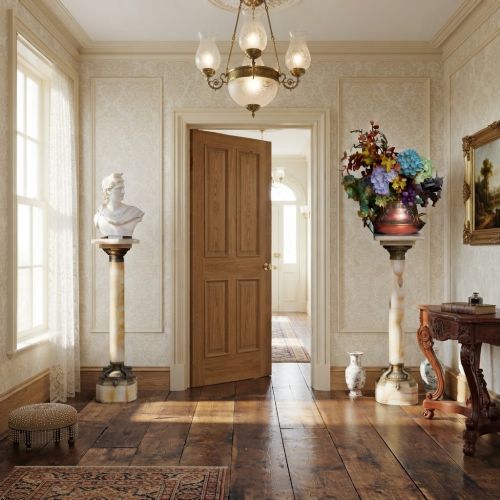
These pieces suit corners, entryways, and empty wall spaces where vertical height breaks up horizontal furniture lines. Placing them away from heavy foot traffic protects projecting details and delicate polychrome surfaces.
Matching the scale of the room to the height of the column ensures the display commands the space without blocking pathways or doorways.
How do I clean carved wooden stands?
Dust surfaces regularly with a soft, dry cloth to prevent dirt accumulation in carved recesses and painted details. Avoid liquid cleaners and polishes that might damage original gilt or polychrome finishes.
Keeping the wood away from direct heat sources and strong sunlight preserves the stability of the timber and prevents the paint from cracking.
Can these stands support heavy marble busts?
Solid marble columns and dense hardwood pedestals handle heavy stone sculptures and bronze busts securely. Checking the flat top surface and the base ensures the weight distributes evenly across the floor.
Lighter plaster or hollow faux marble supports require careful weight management to maintain balance and prevent tipping.
What defines Neoclassical style pedestals?
Neoclassical pieces draw inspiration from classical Greek and Roman architecture, featuring clean fluted columns and restrained ornamentation. Materials often include white marble, alabaster, and bronze mounts.
These designs prioritize symmetry and structural clarity, contrasting with the more elaborate curves found in Venetian Baroque or Rococo revival pieces.