


Classical Alabaster Carving
These classical alabaster carving pieces bring tactile warmth and neoclassical form into a room.
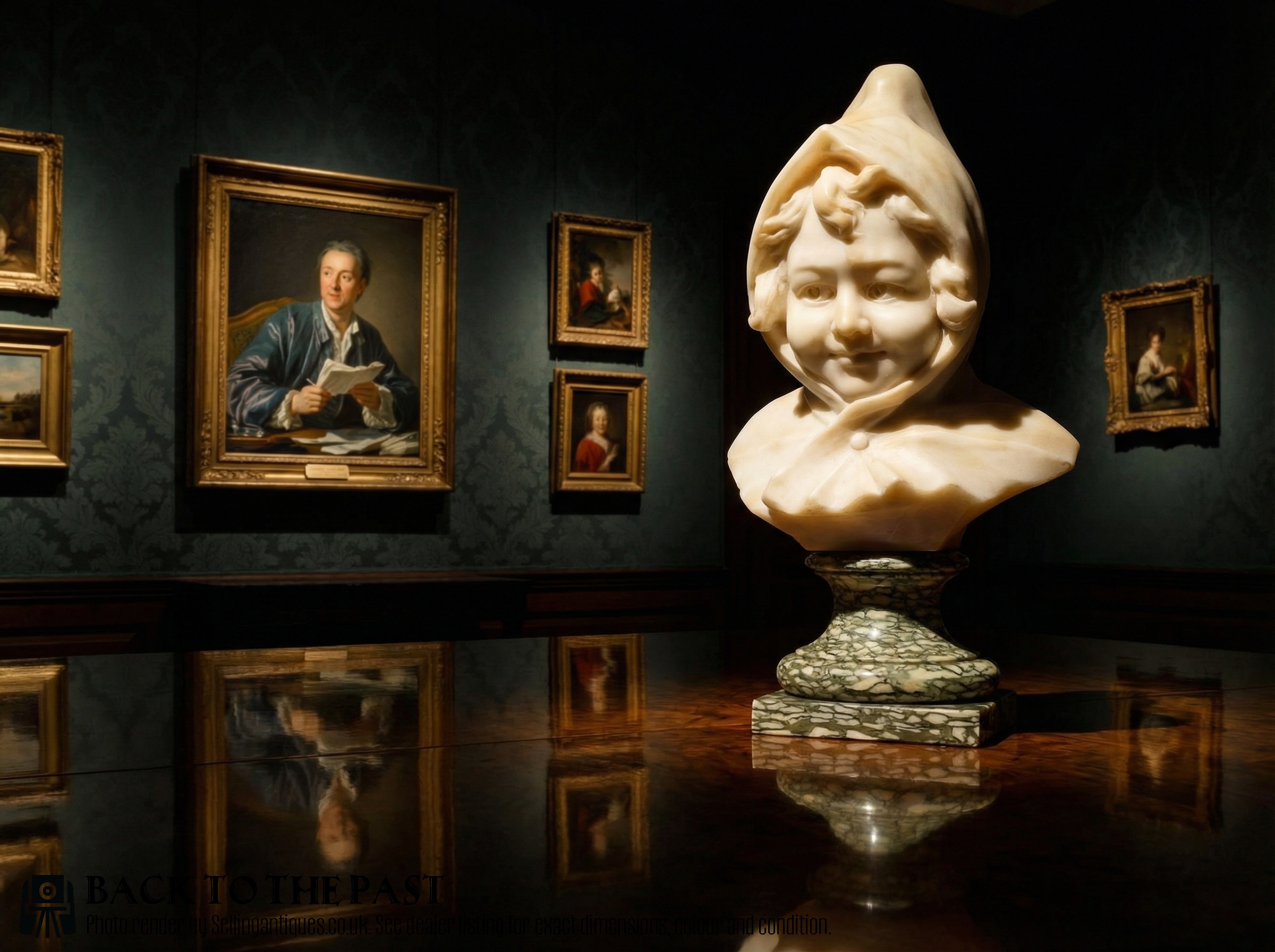
Classical Alabaster Carving
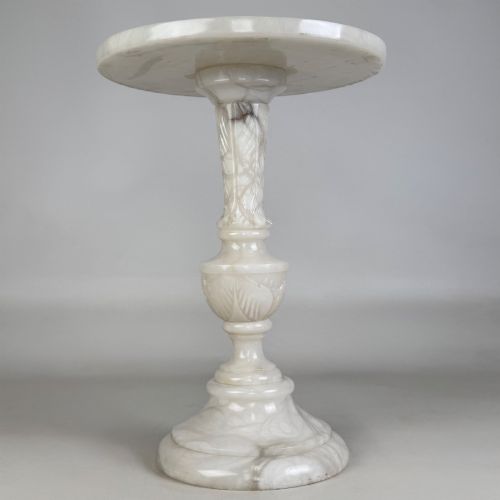
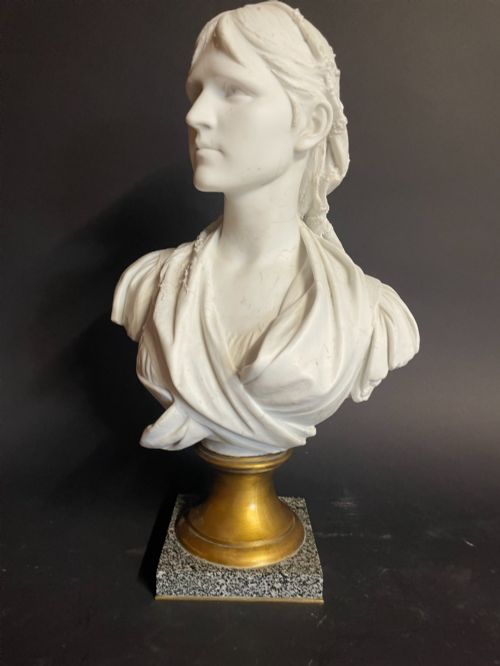
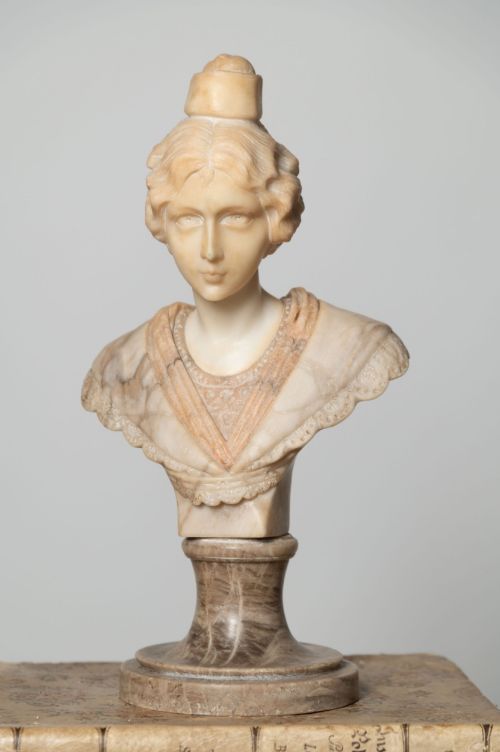
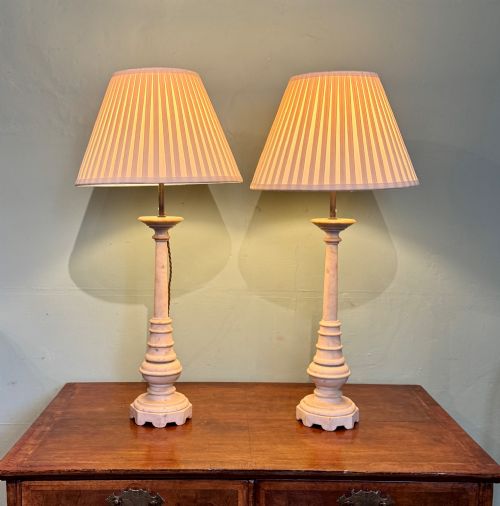
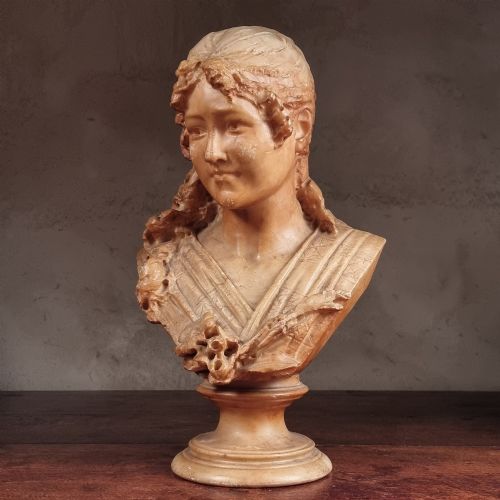
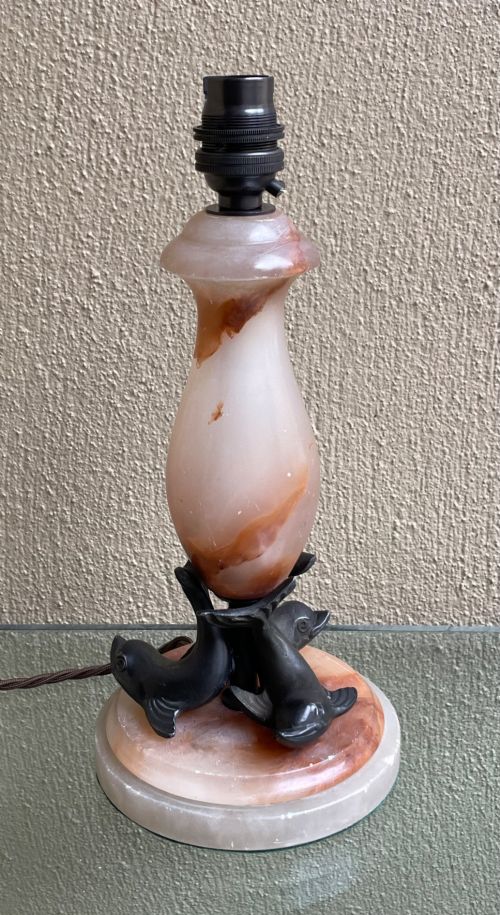
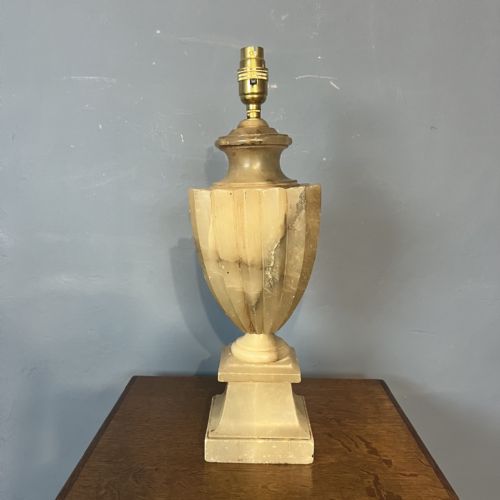
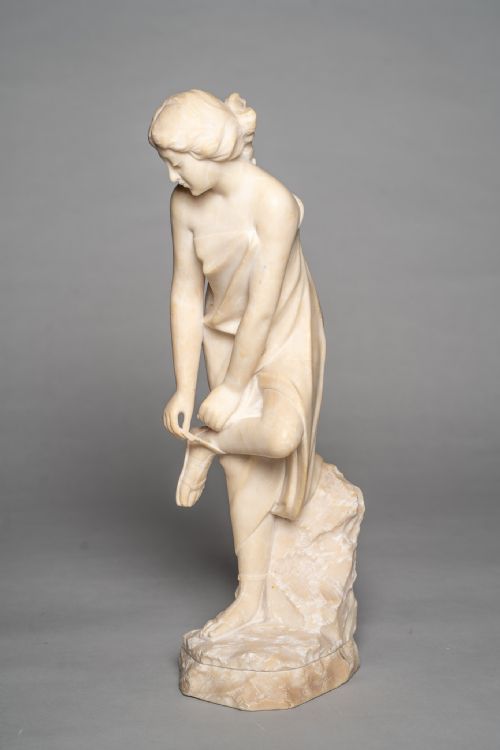
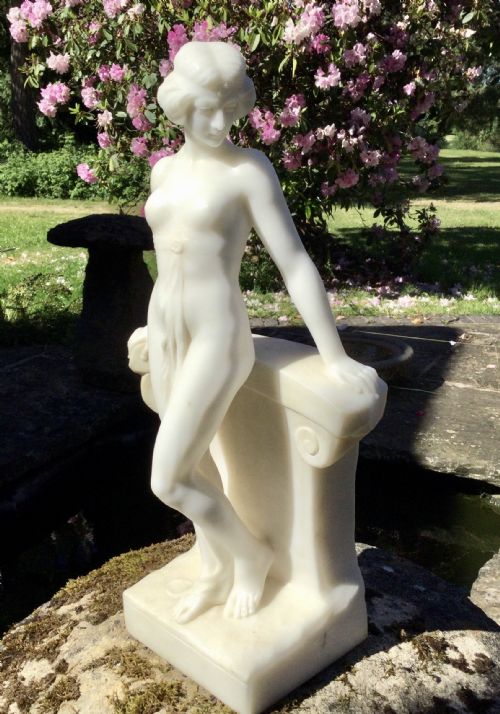
A classical alabaster carving manifests as a bust, figure, or lamp shaped from soft stone during the nineteenth and early twentieth centuries. These works draw inspiration from classical antiquity, often originating from Italian and French workshops.
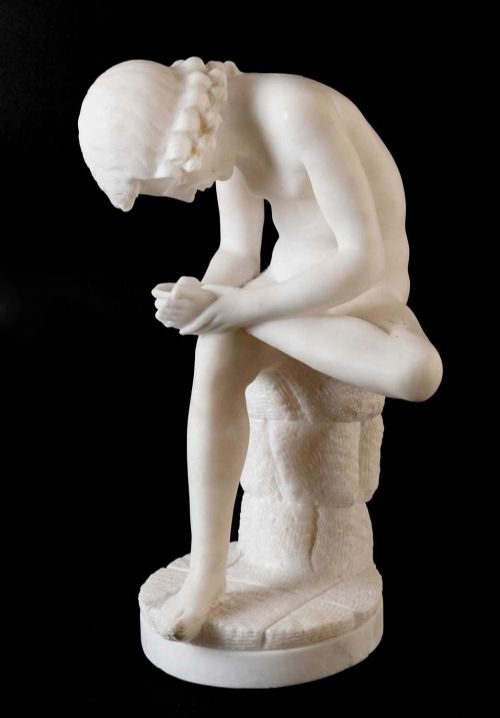
Grand Tour souvenirs and cabinet sculptures also appear frequently, capturing ancient subjects in miniature or monumental scale. Each object reflects the enduring appeal of classical antiquity in domestic interiors.
Materials and Working Methods
Carvers shaped these pieces from fine-grained alabaster and marble, using chisels, rasps, and abrasive powders to achieve a translucent finish. The softness of alabaster allowed artisans to render delicate drapery, hair, and facial expressions with high fidelity.
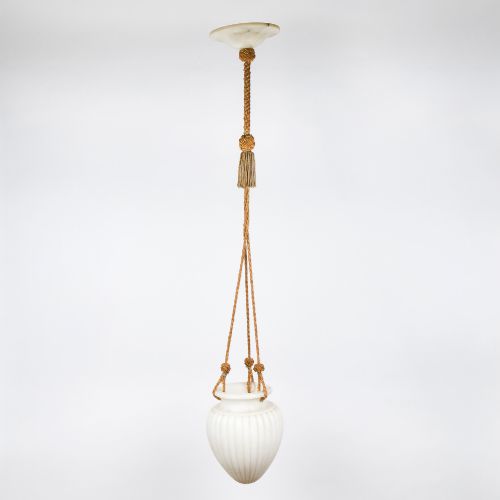
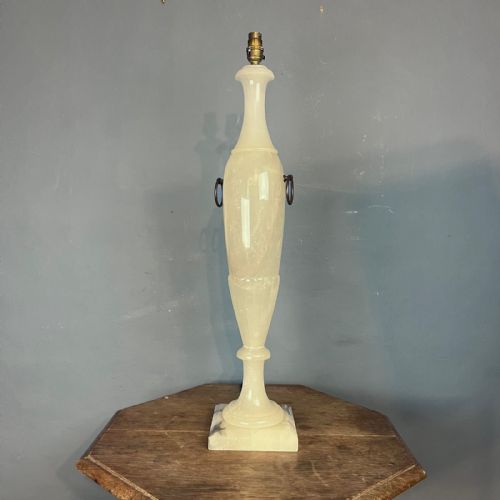
Many lighting pieces integrate brass or metal mountings to hold suspended bowls or house electrical fittings. Artisans polished the stone surfaces to emphasise natural veining and catch ambient light.
Sculptors occasionally immortalised literary figures and ancient poets, allowing Virgil and Dante to supervise the Victorian mantelpiece.
Assessing Craftsmanship and Detail
The choice of raw material also dictates distinction, with uniform white stone or striking veined varieties commanding attention. Maker signatures inscribed into the base or back further separate studio works from anonymous production pieces.
A.Gamay·Fritz Kochendorfer·Antonio Frilli·Pugi·Mieczyslaw Leon Zawiejski
The Classical Alabaster Carving Glossary
- Alabaster
- A soft, fine-grained stone prized for its translucency and ease of carving. It absorbs light in a manner distinct from harder marbles.
- Grand Tour
- A traditional trip through Europe undertaken by upper-class young men to collect art and antiquities. Souvenirs from these journeys included carved busts and miniature statues.
- Neoclassical
- A style reviving classical Roman and Greek motifs, predominant in sculpture and architecture during the eighteenth and nineteenth centuries. It emphasises restraint, symmetry, and heroic subjects.
- Bust
- A sculpted representation of a person's head, shoulders, and chest. In these listings, subjects range from historical figures to idealised maidens.
- Relief
- A sculptural technique where figures project from a flat background. Wall plaques and architectural panels frequently employ this method.
Classical Alabaster Carving: Frequently Asked Questions
Were these alabaster lamps originally electrified?
Many lighting pieces from the early twentieth century underwent conversion from oil or gas to electricity during their working lives. Surviving hanging lights and table lamps often display twentieth-century wiring methods suited to domestic use.
Buyers should have older electrical components tested or replaced by a qualified electrician before plugging them in. The original stone shades and brass fittings generally remain intact despite updated internal wiring.
What is the difference between alabaster and marble?
Alabaster is significantly softer than marble and possesses a distinct waxy translucency when exposed to light. Artisans could carve alabaster with finer detail using simpler tools.
Marble offers greater hardness and durability, making it suitable for both indoor statuary and exterior architectural elements. Both materials appear frequently across nineteenth-century European sculpture.
Where were most of these sculptures made?
The majority of these carved works originated in Italian workshops, particularly around Florence and Volterra, which served as traditional centres of stone carving. French studios also produced significant quantities of portrait busts and decorative lamps.
These pieces often catered to collectors travelling through Europe on the Grand Tour. Export markets across Britain and continental Europe absorbed much of this production.