
Classic Swiss Wrist Watch
A classic swiss wrist watch carries the mechanical heritage of mid-century horology on the wrist, offering lasting precision and quiet distinction.
Classic Swiss Wrist Watch
A classic swiss wrist watch encompasses mechanical and automatic timepieces produced during the middle decades of the twentieth century. These instruments span simple manual wind dress models to robust water-resistant designs intended for daily wear.
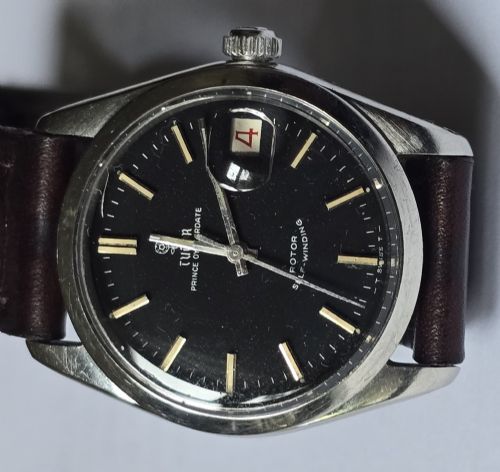
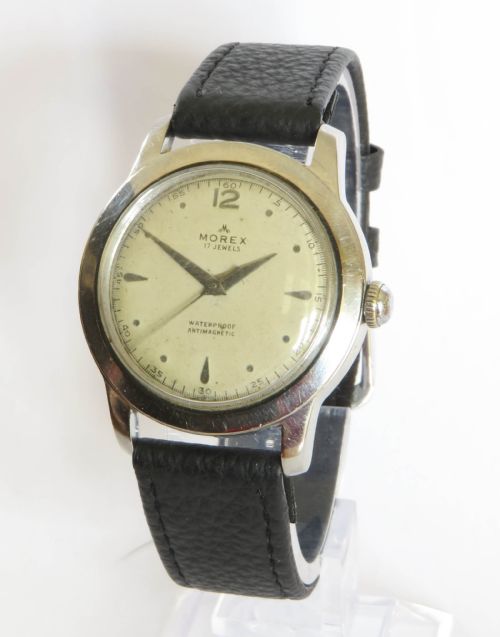
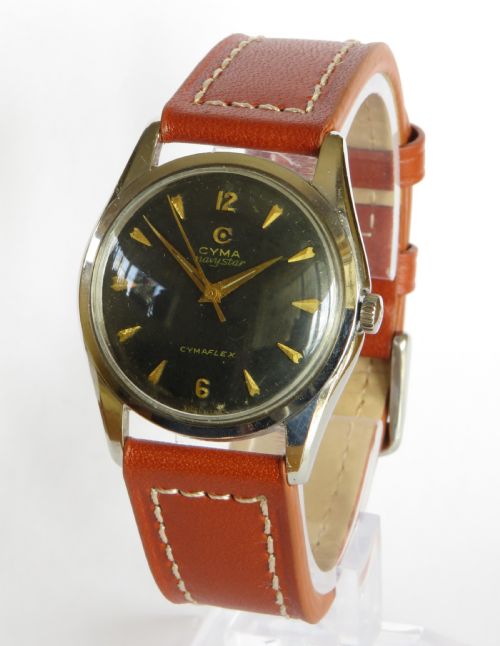
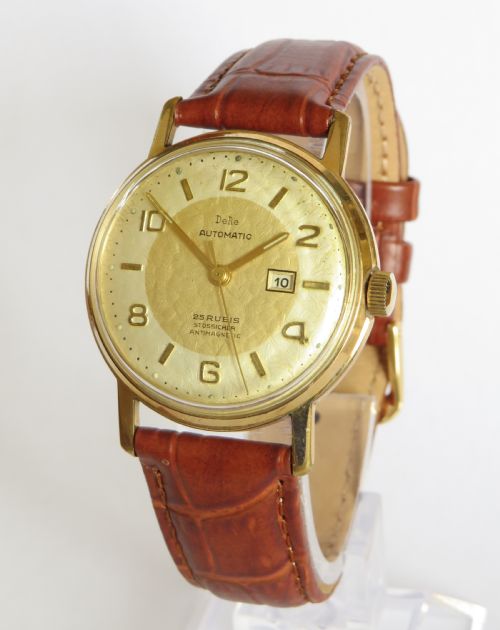
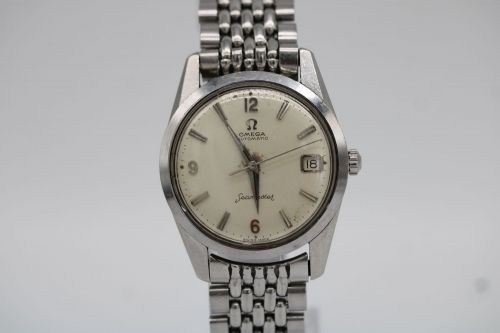
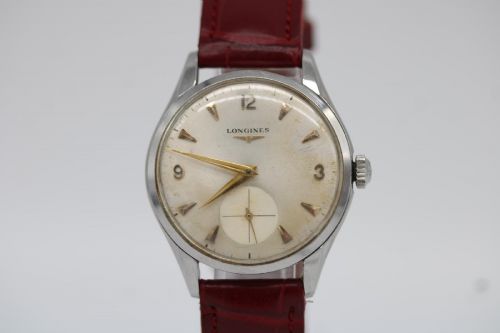
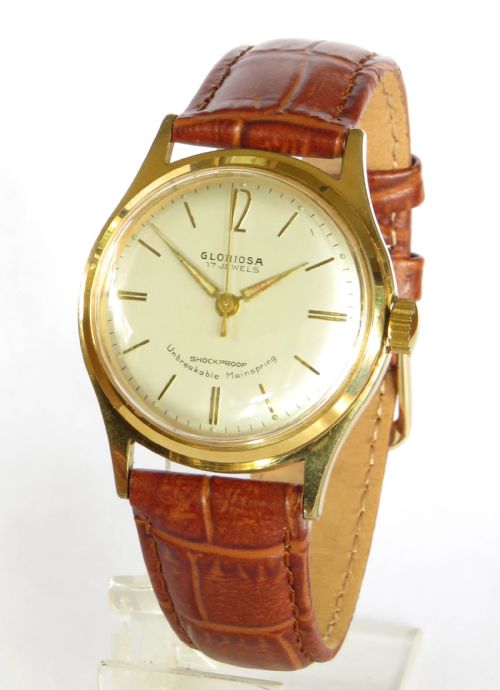
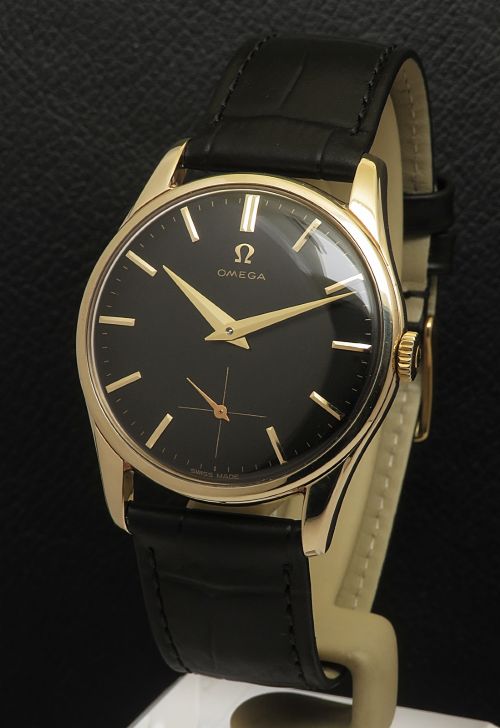
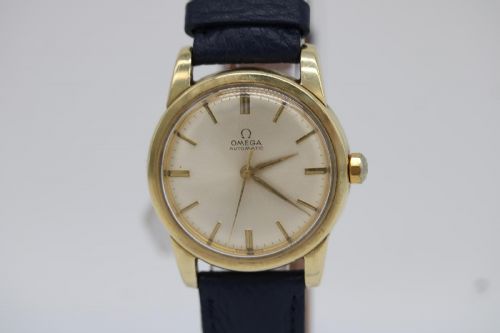
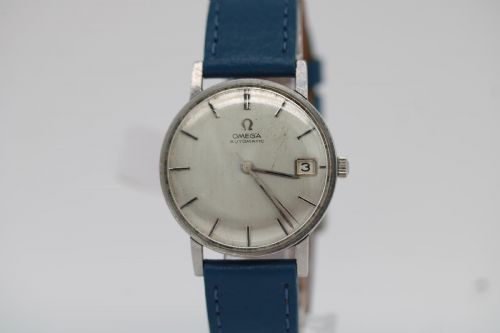
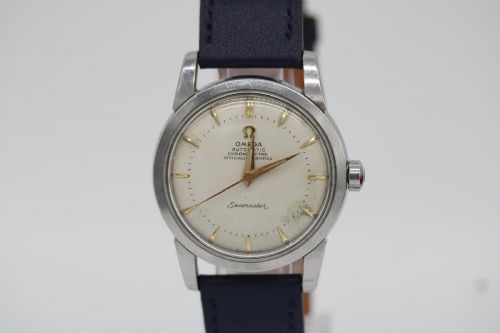
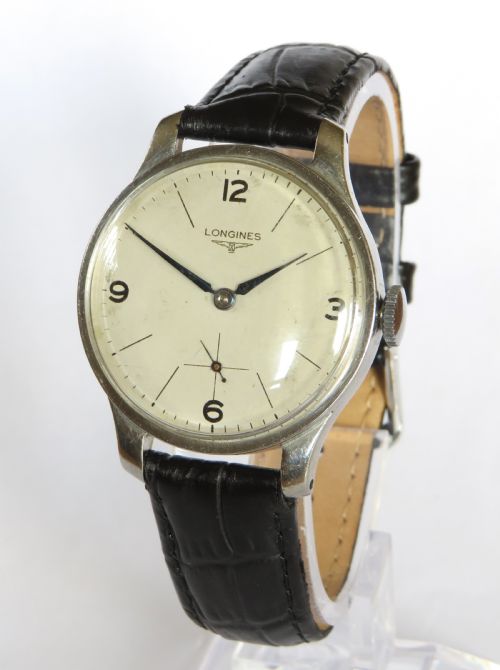
The pieces on this page are predominantly gents wristwatches originating from Swiss makers between the nineteen thirties and nineteen seventies. Buyers will encounter familiar forms shaped by Mid-Century Modern and Art Deco design principles, often retaining original dials and straps.
How they were made
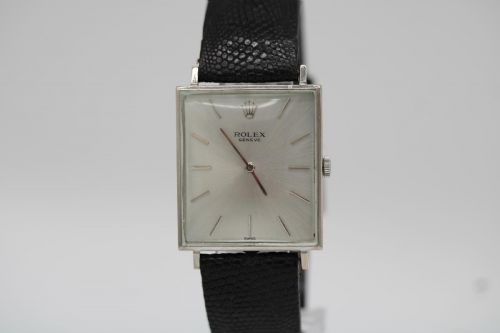
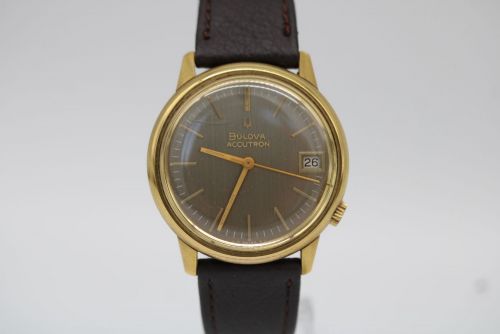
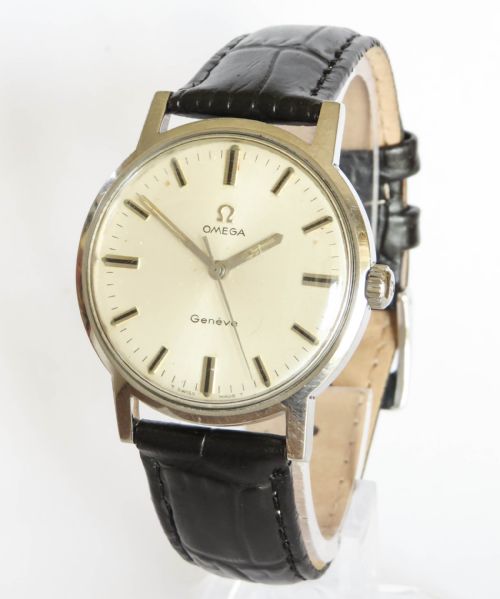
Cases utilise stainless steel, gold plated metal, solid 9ct gold, and 18ct white gold, shaped into round or rectangular profiles to house intricate jewelled movements. Dials are protected by glass or acrylic glass crystals, sometimes housing patinated or sunburst finishes beneath.
Listings span four decades of Swiss watchmaking, moving from nineteen thirty-nine manual wind pieces through to nineteen seventies modern designs.
What varies in quality
Quality rests upon the originality of the components, from signed dials and matching crowns to movement calibres maintained in working order. Solid gold cases and specialised lines such as chronometers or date models typically command greater interest than standard gold-plated equivalents.
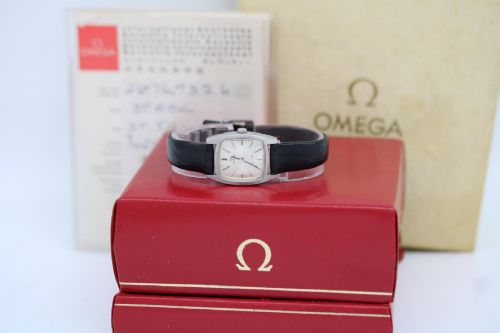
The presence of original packaging, including boxes and papers, elevates a piece alongside the overall preservation of case edges and dial legibility over the decades.
Tudor·Montilier·Cyma·DeRe·Omega·Rolex·Bulova Accutron·Longines·Gloriosa·Certina·Avia·Rotary·Baume Bimatic·Ensign·Lanco Sport·Eterna-Matic·Marvin·Eterna·Prisma·Girard Perregaux·Lanco·Garrard
The Classic Swiss Wrist Watch Glossary
- Calibre
- The specific internal mechanical movement manufactured for a watch. Collectors reference this number to identify the exact movement family and generation.
- Chronometer
- A high-precision watch movement that has been tested and certified to meet strict accuracy standards over various temperatures and positions.
- Manual wind
- A mechanical watch movement that requires the wearer to manually turn the crown to tension the mainspring, rather than winding automatically through wrist motion.
- Acrylic glass
- A lightweight, shatter-resistant plastic crystal utilised to cover and protect the watch dial during the mid-century period.
- Patinated
- The natural ageing, discolouration, or softening of a dial surface caused by time, light, and exposure.
Classic Swiss Wrist Watch: Frequently Asked Questions
How do I wind a manual watch?
Gently rotate the crown clockwise between your thumb and forefinger until you feel resistance increase. Stop immediately to avoid over-tensioning the internal mainspring.
Wind the watch at roughly the same time each day to maintain consistent tension and accurate timekeeping throughout its reserve.
Can I wear these watches daily?
These timepieces were built for everyday utility, though vintage models require careful treatment regarding moisture and physical impact. Stainless steel and solid gold cases handle regular wear well when paired with a secure leather strap.
Keep older watches away from water and magnetic fields to preserve the vintage mechanical movement inside.
What is an automatic movement?
An automatic movement utilises a weighted internal rotor that swings with the natural motion of the wearer's wrist. This kinetic action winds the mainspring automatically as the watch is worn.
Such calibres offer the convenience of self-winding while retaining the traditional mechanical appeal of mid-century horology.
How do I read dial variations?
Dials range from simple champagne or black faces to textured sunburst finishes and patinated surfaces developed over decades. Markings often denote specialised lines like Seamaster or Geneve.
Examining the typography and layout helps identify the specific era and model lineage of the piece.