


Classic Still Life Artwork
These classic still life artwork pieces capture arranged domestic subjects in oil paint, offering enduring visual depth for traditional interiors.
Classic Still Life Artwork
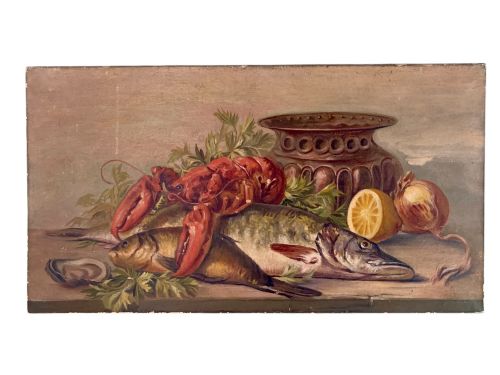
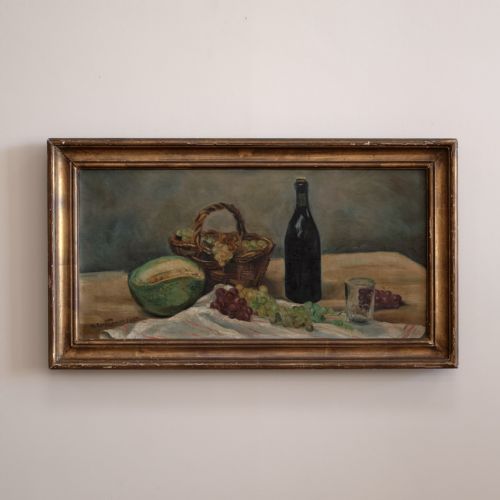
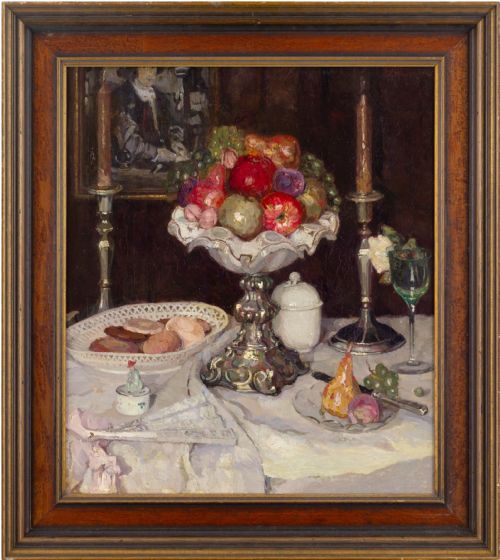
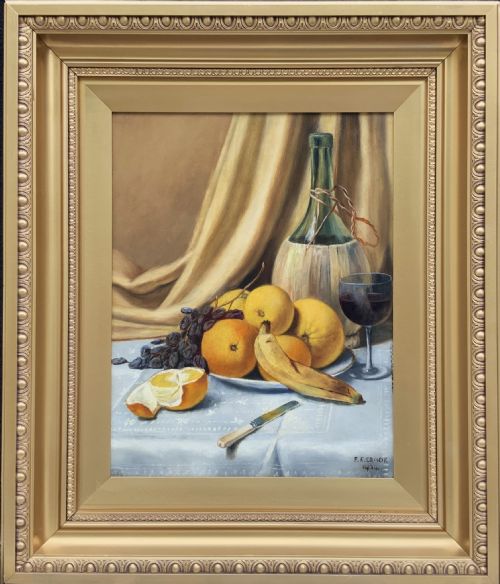
Classic still life artwork encompasses oil paintings depicting arranged subjects such as fruit, flowers, and household objects across canvas, board, and panel supports. These works range from intricate Dutch Golden Age style compositions to post-impressionist studies and mid-century floral pieces.
Buyers encounter numerous examples originating from the eighteenth century through to the mid-twentieth century, including works by named British, French, Danish, and Swiss artists. The subject matter frequently spans baskets of fruit, vases of spring flowers, and detailed tabletop arrangements.
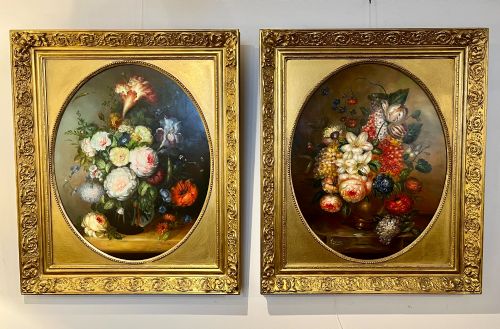
The selection includes both individual canvases and matched pairs housed in period frames, often featuring giltwood embellishments. These paintings document evolving European painting traditions across Victorian, Edwardian, and early twentieth-century periods.
How they were made
Artists built these compositions primarily using oil paint applied to woven canvas or prepared wooden boards, allowing for rich colour blending and fine detail. Pigments were layered to create depth in shadowed areas and vibrant highlights on fruit, porcelain, and glassware.
Many of these works are housed in their original gilt or giltwood frames, which were carved and gilded to complement the visual weight of the paintings. The integration of support materials and framing reflects standard European studio practices of the nineteenth and early twentieth centuries.
Listings feature oil paintings executed on canvas and wood board across eighteenth, nineteenth, and twentieth-century periods.
What varies in quality
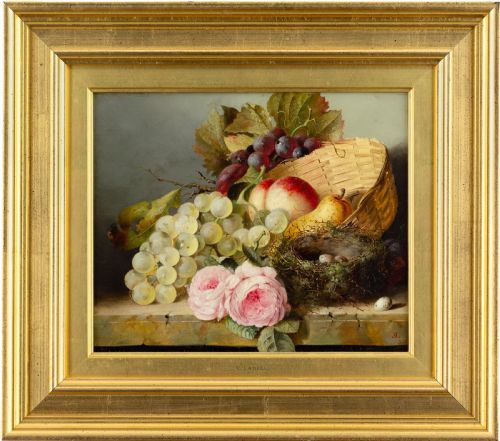
The distinction between standard decorative pieces and finer works rests upon the artist's brushwork control and the precision of the compositional arrangement. Superior examples demonstrate skilled handling of light on diverse textures, such as the translucent skin of grapes or the weave of a wicker basket.
Authorial attribution and period integrity also influence the standing of a piece, with signed works by documented painters commanding greater attention. The condition of the original paint layer and the preservation of the accompanying gilt frame contribute to the overall integrity of the work.
Edward Ladell·Else Preußner·Frans Snyders·Evelyn Chester·Niels Wiwel·Terence Loudon·Thomas Hooper·Margaret Evangeline Wilson·William Jones of Bath·Oliver Clare·George Lance·Jules Felix Ragot·James and William Ward
The Classic Still Life Artwork Glossary
- Oil on canvas
- A painting technique where pigmented oil paint is applied to a stretched woven fabric support. This combination permits subtle gradation of tone and lasting flexibility.
- Giltwood
- Wood that has been coated with a thin layer of gold leaf or gold paint. It is commonly found on traditional picture frames accompanying nineteenth-century paintings.
- Vanitas
- A symbolic genre of still life painting containing metaphors of mortality, such as skulls, fading flowers, or half-peeled fruit. These elements remind the viewer of the transience of earthly life.
Classic Still Life Artwork: Frequently Asked Questions
What periods do these paintings cover?
The available works span from the eighteenth century through the nineteenth and twentieth centuries, including Victorian, Edwardian, and post-war eras.
This broad chronological range encompasses various regional European schools and distinct stylistic movements.
How should I care for an oil painting?
Keep the artwork away from direct sunlight and fluctuating humidity levels to protect the canvas and paint layers.
Dust the surface gently with a soft, dry brush and avoid using liquid cleaners on either the canvas or the frame.
Are these paintings supplied with frames?
Many listings include period frames, such as giltwood or moulded wooden surrounds, which complement the age of the artwork.
Specific framing details are noted in individual descriptions to indicate whether the piece retains its original housing.
How do I identify a vanitas still life?
Vanitas compositions incorporate specific symbolic objects like hourglasses, skulls, or decaying fruit to represent the passage of time.
These elements distinguish them from standard floral or tabletop studies by carrying a deliberate moral message.