
Antique Fruit Wall Art
Antique fruit wall art brings together centuries of still life paintings, watercolours, and carved reliefs depicting harvests.
Antique Fruit Wall Art
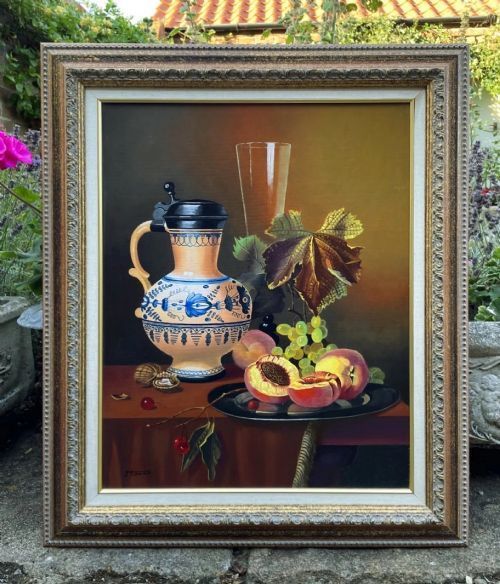
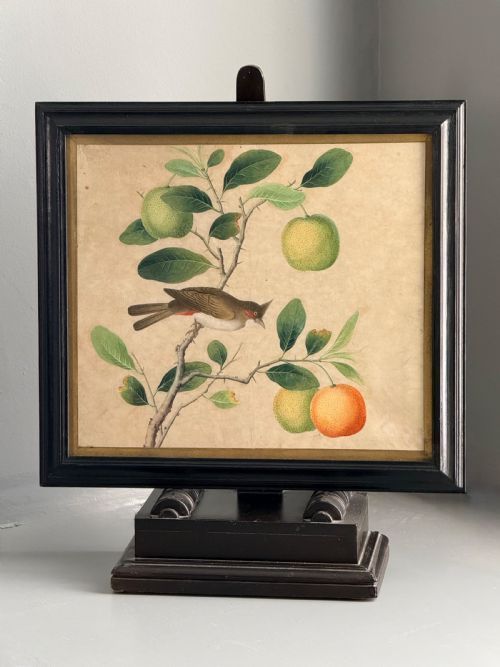
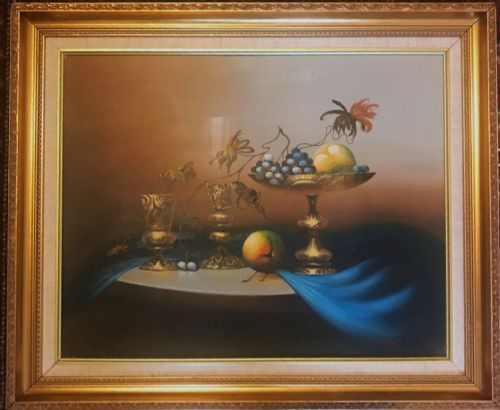
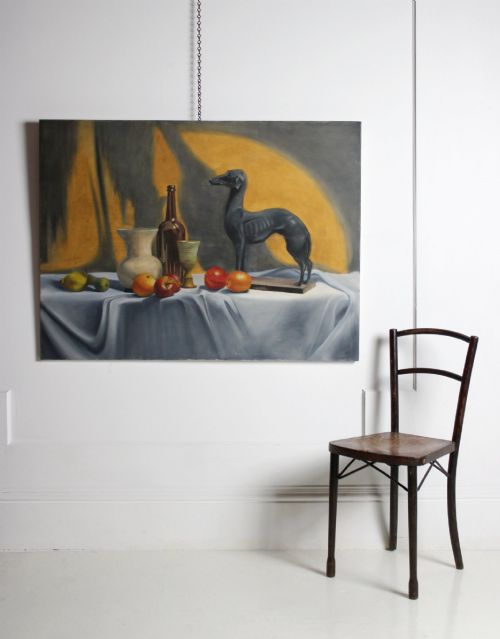
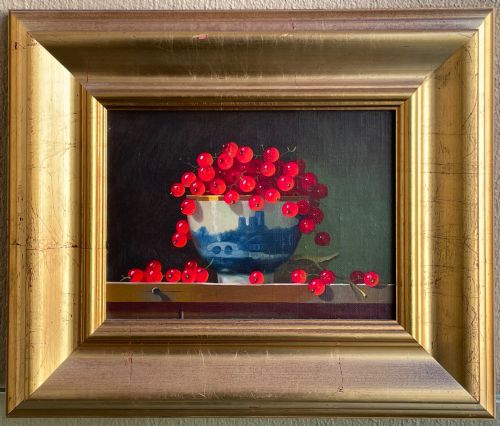
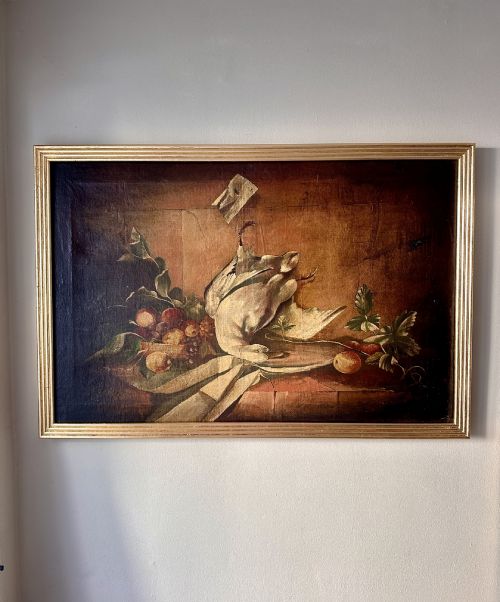
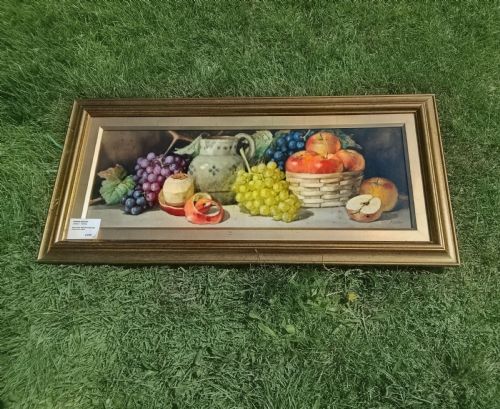
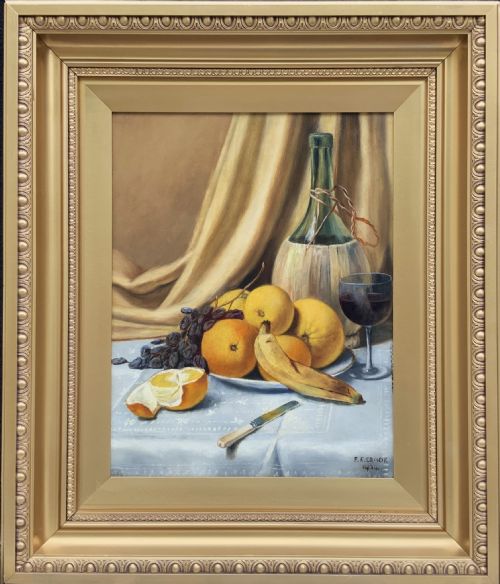
Antique fruit wall art spans centuries of creative output, with the selection centring heavily on oil paintings, watercolours, and framed artwork. The pieces capture natural subjects in various settings, ranging from classical still life compositions to botanical watercolours and carved wooden wall reliefs.
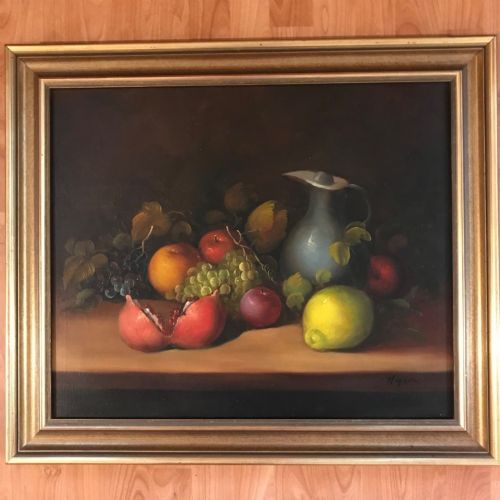
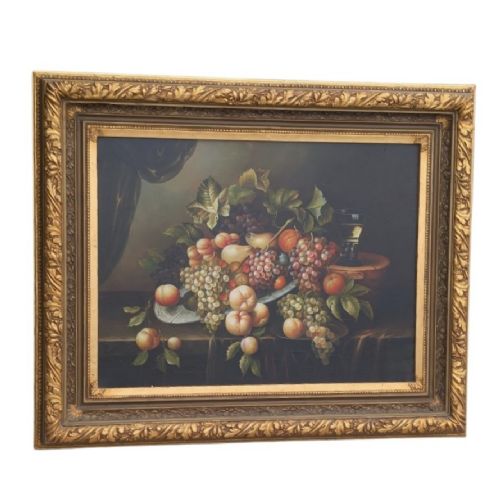
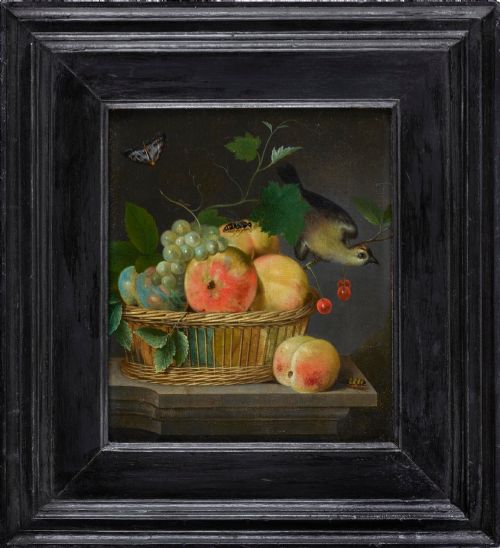
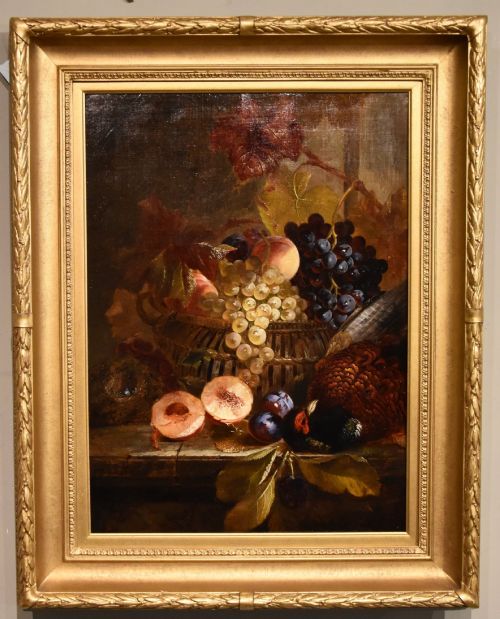
Buyers encountering this category most frequently meet 19th-century oil on canvas works and early 20th-century studies. These items frequently display arrangements of apples, grapes, plums, and pomegranates within period frames, reflecting the enduring popularity of harvest themes in domestic interiors.
How they were made
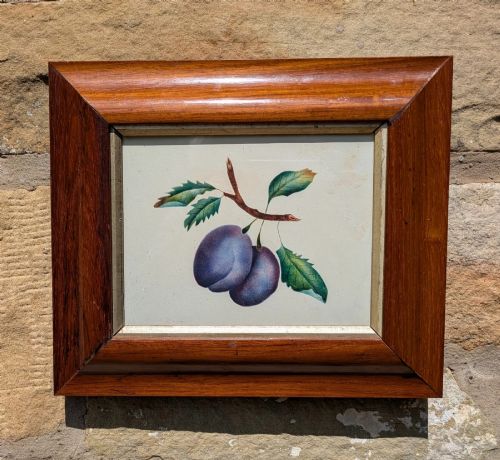
Makers utilised oil paint applied to canvas, wood panels, or pith paper, building rich textures and deep tones for subjects like fruit baskets and larder views. Watercolours on paper also appear frequently, often capturing lighter botanical details with delicate washes.
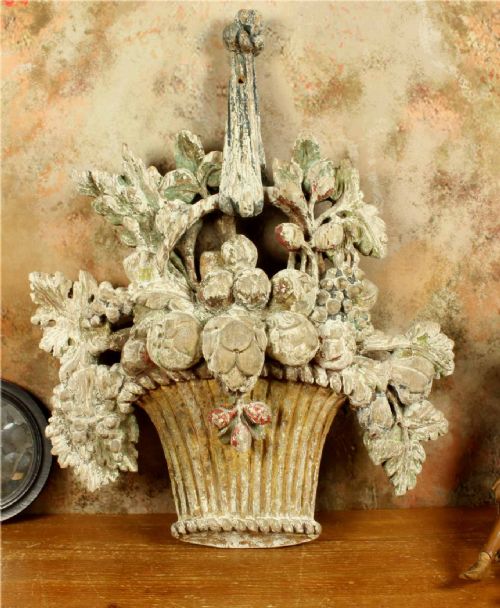
Frames play a vital role in the physical construction, utilising wood, rosewood, and gilded wood to house the artwork. Carved wooden wall reliefs add a three-dimensional element, shaping floral and fruit motifs directly from solid timber.
Materials span oil on canvas, watercolours on paper, and wood carvings, reflecting diverse 19th-century artisan techniques.
What varies in quality
Skill in handling light, shadow, and natural textures separates standard decorative pieces from finer works. Masterful brushwork brings individual grapes, peaches, and leaves to life with palpable depth and realism.
The integration of the artwork with its period frame influences the overall standard. Original gilt wood or solid wood frames that complement the painting without distortion elevate the piece as a cohesive historical object.
Thomas Beach·Gaspar Peeter Verbruggen·William Henry Ward·Arthur Dudley·John Sherrin·Victor Simonin·Evelyn Chester·Vincent Clare·Helena Maguire·Antonio Capellan·William Joseph Carroll·Thomas Hooper·J C de Bruin·E Cremer·Oliver Clare
The Antique Fruit Wall Art Glossary
- Still life
- An artwork depicting inanimate subject matter, typically commonplace objects like fruit, game, or vessels. These compositions allow artists to focus heavily on form, colour, and light.
- Oil on canvas
- A painting technique using pigments bound in a drying oil, applied to a stretched cloth surface. This method permits rich blending and substantial texture.
- Gilt wood
- Wood coated with a thin layer of gold leaf or gilt paint. It is commonly found on period frames designed to enhance the artwork.
- Wall relief
- A sculpture technique where elements remain attached to a solid background of the same material. In this context, it describes carved wooden fruit and floral decorations.
- Botanical watercolour
- A painting on paper executed in water-soluble pigments focusing on plant life. These works often combine scientific precision with decorative appeal.
Antique Fruit Wall Art: Frequently Asked Questions
What periods do these pieces come from?
The works span from the 17th century through to the early 20th century, with significant representation from the Victorian and Edwardian eras. Artists across these periods approached natural subjects through varying stylistic lenses, including baroque, neoclassical, and modernist movements.
Specific dates within titles point towards the 1850s, 1880s, and 1900s, showing how the tradition of depicting harvests persisted across generations.
How should I display these pieces at home?
These works suit traditional dining rooms, kitchens, or studies, echoing historical traditions of placing larder and harvest scenes near food preparation areas. Ensuring they hang away from direct sunlight protects the oil paint, canvas, and paper from fading.
Pairing a framed artwork with complementary period lighting allows the gilt frames and textured brushwork to stand out effectively on the wall.
What subjects besides fruit appear in these artworks?
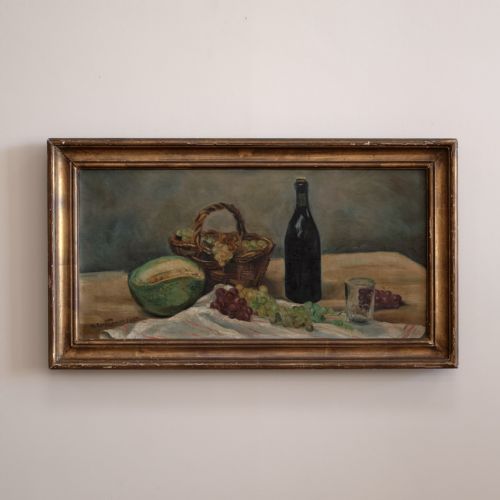
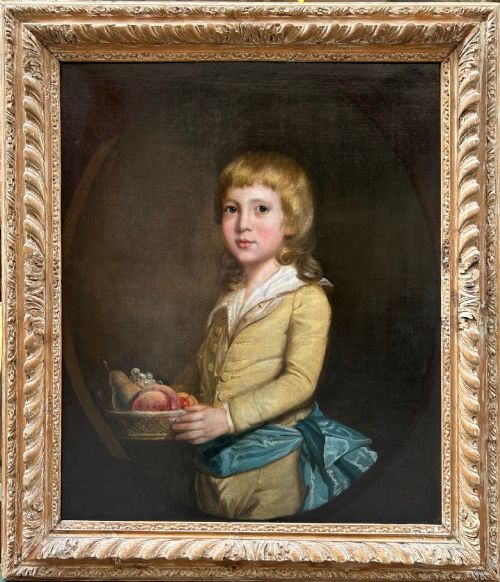
Compositions frequently incorporate wicker baskets, Chinese ginger jars, dead game, and floral arrangements alongside the fruit. Some pieces place fruit within broader narratives, such as portraiture featuring young characters carrying baskets.
Still life studies often group everyday items like walnuts and glassware to test the artist's ability to render varied surfaces within a single frame.