


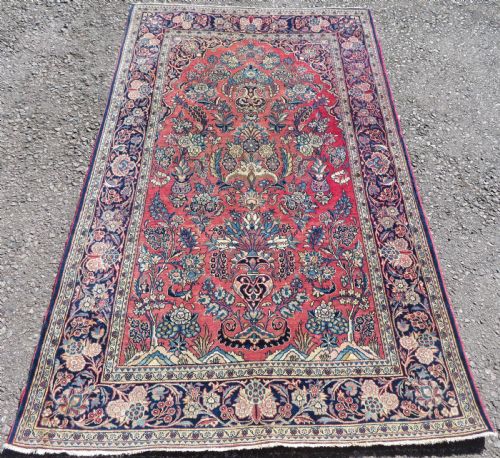


Classic Red Carpet
When you search for a classic red carpet, you are looking at centuries of woven tradition spanning Persian, Caucasian, and Turkmen workshops.
Classic Red Carpet
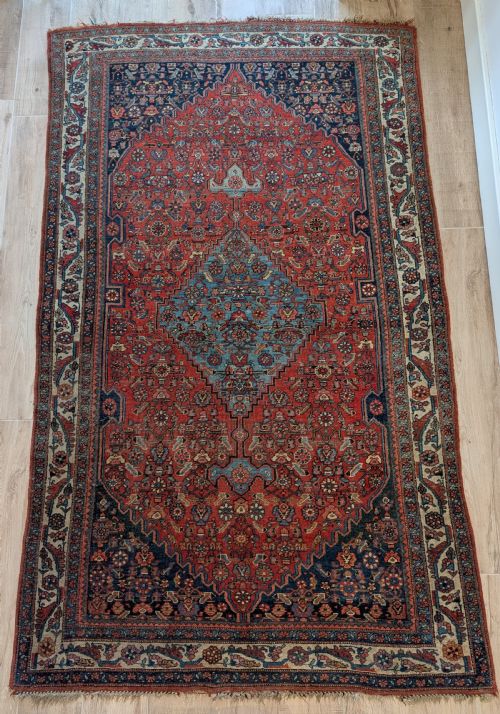
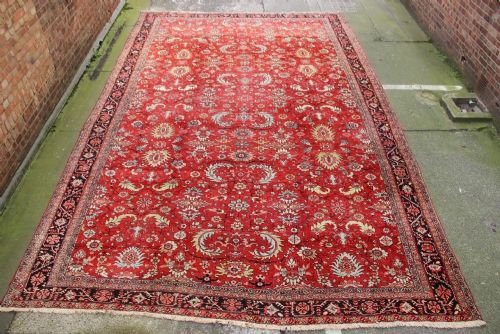
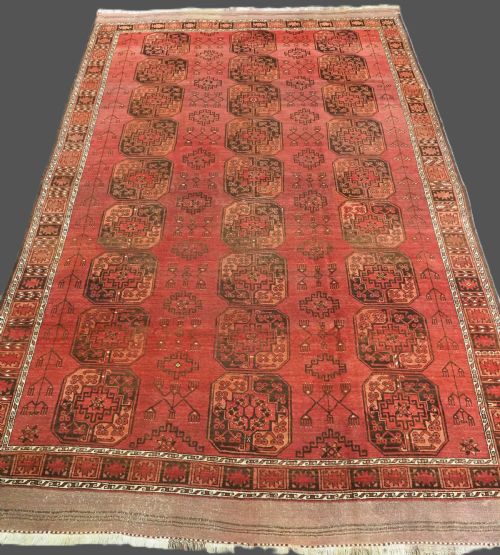
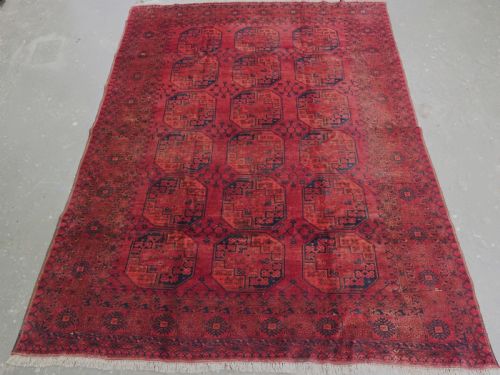
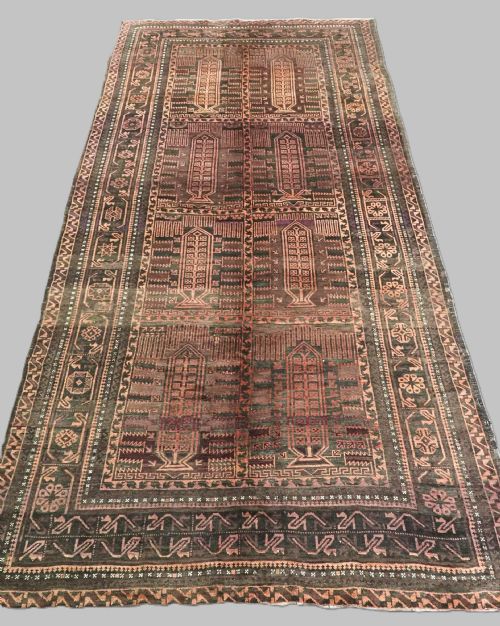
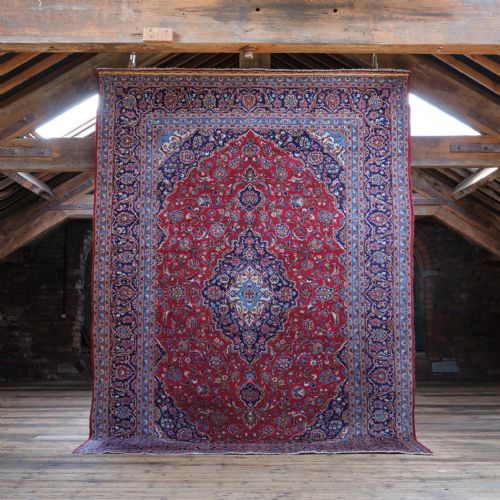
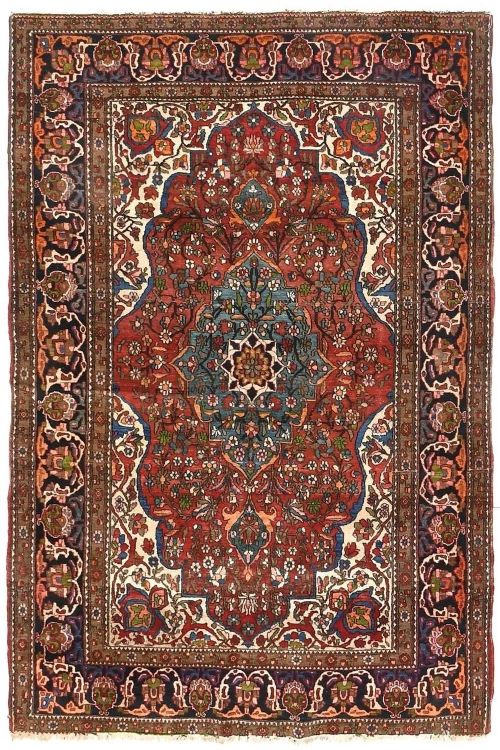
The classic red carpet on this page encompasses hand-knotted room-size carpets, large runners, and smaller village or tribal rugs from the nineteenth and early twentieth centuries. These textiles originate from major weaving regions such as Heriz, Kashan, Isfahan, and Tabriz, alongside nomadic groups including the Ersari, Yomut, and Baluch.
Buyers meet a range of formats, from grand formal town carpets with intricate floral medallions to rustic tribal pieces featuring geometric motifs and prayer designs. The overarching palette leans heavily into rich madder reds, warm rust tones, and contrasting accents of ivory and indigo.
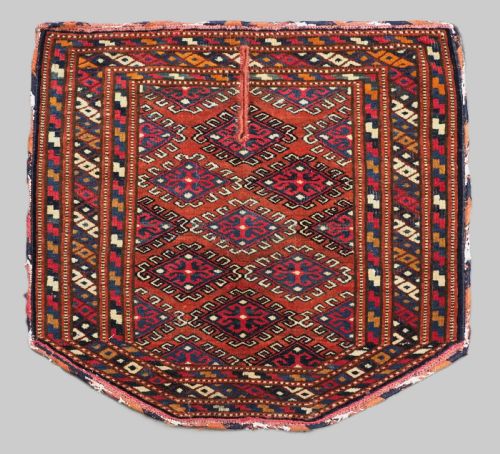
Formats extend from substantial area carpets designed for principal rooms down to specialised saddle covers and flat-woven kilims. Each piece reflects the specific cultural geometry and knotting traditions of its geographic origin.
How they were made
Weavers constructed these carpets using hand-knotted wool foundations, frequently incorporating cotton for warp and weft threads, and occasionally utilising goat hair for added structural durability along the edges. The pile wool is dense and resilient, shorn from sheep grazed on regional pastures.
Colour derives predominantly from natural dyes extracted from plants and insects, yielding deep reds, soft madder shades, and nuanced secondary hues that mellow gracefully over decades of exposure and use.
Classic Red Carpet Retail Price Guide 2026
Typical asking prices for classic red carpet among the pieces listed under this phrase on Sellingantiques today, from the lower quarter to the upper quarter. They describe what is for sale here now, not the wider market.
What varies in quality
Quality rests upon the fineness of the knot density and the precision with which the intricate geometric or floral designs are executed across the field. Higher-grade examples display greater structural integrity in the weave and superior handling of secondary outlines.
The depth, saturation, and stability of the natural dye palette also determine distinction, with superior pieces showing complex abrash and vibrant yet harmonious colour shifts throughout the wool pile.
The Classic Red Carpet Glossary
- Abrash
- Natural variations of shade within a single colour field, caused by changes in dye batches or hand-spun wool lots.
- Warp
- The vertical foundation threads stretched lengthwise on the loom, onto which the individual knots are tied.
- Weft
- The horizontal threads passed across the warp strands after each row of knots to bind the structure together.
- Ensi
- A traditional Turkmen tent rug traditionally hung at the entrance doorway of a yurt rather than laid upon the floor.
- Mihrab
- The arched architectural niche design found on prayer rugs, pointing the worshipper toward Mecca.
Classic Red Carpet: Frequently Asked Questions
How do I care for an antique carpet?
Vacuum gently without a beater bar and keep the textile away from prolonged direct sunlight to protect the natural wool pile and dyes.
Professional cleaning should be undertaken sparingly and only by specialists experienced in nineteenth-century vegetable-dyed rugs.
Where were these carpets woven?
Production spans urban workshops in Persian cities like Kashan and Tabriz, alongside village communities and nomadic tribal confederations across the Caucasus and Central Asia.
Each region developed distinct structural signatures and design vocabularies passed down through generations of weavers.
Can I use these carpets in high traffic areas?
The dense hand-knotted wool and sturdy cotton foundations make many room-size examples sufficiently durable for daily domestic use.
Placing a breathable, high-grade underlay beneath the rug prevents sliding and reduces friction against hard flooring.
How do I determine the age of a carpet?
Age is estimated through a combination of structural analysis, wool consistency, dye characteristics, and stylistic evolution within specific tribal or urban traditions.
Exact dates appear rarely, so dating relies on comparative study of known nineteenth and early twentieth-century examples.