




Classic Portraiture Wall Art
Classic portraiture wall art brings centuries of individual likeness and painted character directly into a room.
Classic Portraiture Wall Art
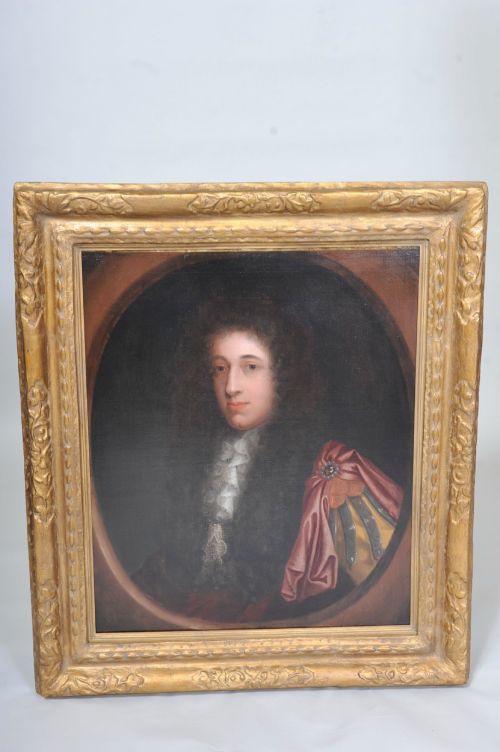
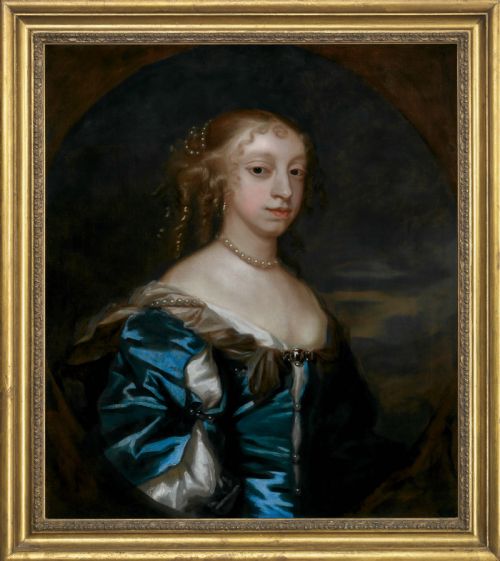
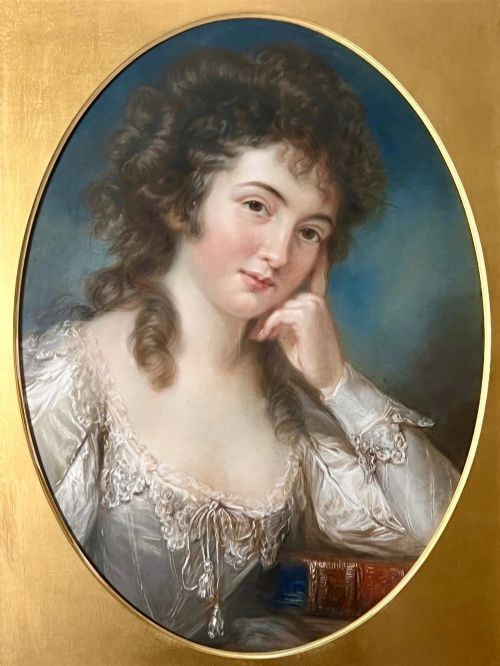
Classic portraiture wall art comprises painted likenesses ranging from the seventeenth century through to the mid-twentieth century. These works capture gentlemen, ladies, and historical figures in oil on canvas, oil on board, and canvas supports.
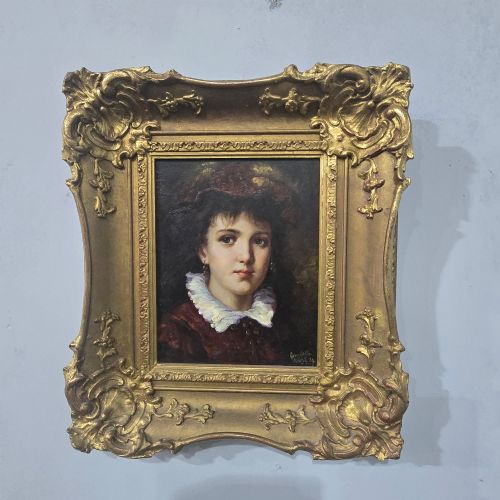
The selections encountered here span multiple aesthetic movements, including Georgian, Victorian, Baroque, Rococo Revival, and mid-century realism. Buyers frequently find framed oil paintings depicting single subjects in formal or intimate settings.
Origin points vary across British, European, and Italian schools, showing diverse regional approaches to sitter depiction. Examples range from anonymous school pieces to identified subjects by named artists.
Assessing Quality
Quality rests in the precision of the brushwork, the psychological depth captured in the sitter's expression, and the anatomical accuracy of the hands and face. Superior examples demonstrate a masterly handling of light and shadow that animates the canvas.
The integrity of the frame also influences the overall standard, with hand-carved giltwood and gesso mouldings contributing historical context and visual weight to the painting.
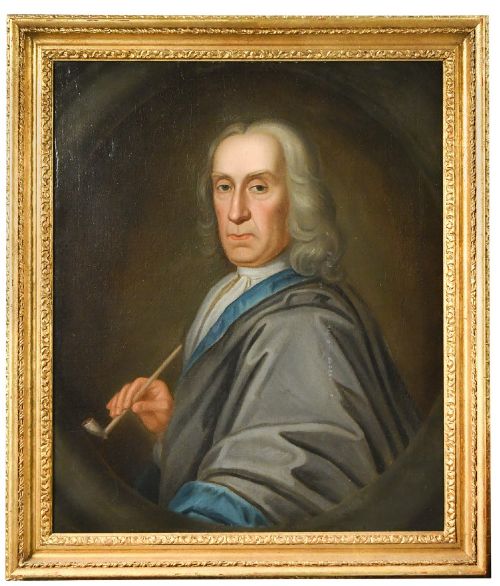
One gentleman is immortalised holding a smoking pipe, proving that dignified ancestors enjoyed a quiet relaxation just as much as we do.
John Russell·Attilio Toro·John Robert Dicksee·Frank Moss Bennett·Jean Denis Maillart·Tilly Kettle·John Gilroy·Sir Thomas Lawrence·John Dalziel Kenworthy·John Raphael Smith
The Classic Portraiture Wall Art Glossary
- Oil on Canvas
- A traditional painting technique where pigment suspended in drying oil is applied to a stretched fabric support. This combination offers durability and a textured surface.
- Giltwood
- Wood that has been treated with a thin layer of gold leaf or gold paint. It appears frequently on the ornate frames enclosing these paintings.
- Gesso
- A plaster-like mixture applied to wood or canvas as a base for painting or gilding. It provides a smooth surface for intricate frame mouldings.
- Baroque
- An artistic style prevalent in the seventeenth and eighteenth centuries, characterised by drama, deep colour, and intense light. Portraits from this period often display theatrical staging.
- Rococo Revival
- A nineteenth-century design movement that revives the ornate, curving ornamentation of the eighteenth-century French Rococo style. Frames and composition reflect this decorative exuberance.
Classic Portraiture Wall Art: Frequently Asked Questions
How do I hang a heavy oil painting?
Ensure your wall fixings anchor directly into solid masonry or stud timber rather than plasterboard alone. Use robust picture wire and sturdy brass D-rings attached securely to the frame structure.
Distribute the weight evenly across two wall hooks to maintain proper alignment and reduce stress on the frame corners.
How should I clean an antique canvas?
Dust the surface gently with a soft, dry artist's brush to remove loose particles without disturbing the paint layer. Avoid using water, household cleaners, or chemical solvents on the canvas.
Professional conservators should handle deeper cleaning, varnish removal, or the repair of tears and craquelure.
What lighting suits portraiture best?
Position picture lights or directional wall sconces to illuminate the canvas evenly from above without creating harsh glares on the varnish. LED bulbs running on low heat prevent thermal damage to the oil paint over time.
Keep the artwork away from direct, strong sunlight to prevent fading and pigment degradation.
How do I date an old portrait?
Examine the sitter's costume, hairstyle, and collar design for clues that match specific historical decades. Frame styles and the construction methods of the canvas stretcher also provide reliable chronological markers.
Signatures, inscriptions on the reverse, and artist records help narrow down the exact period of creation.