




Noblewoman Oil Painting
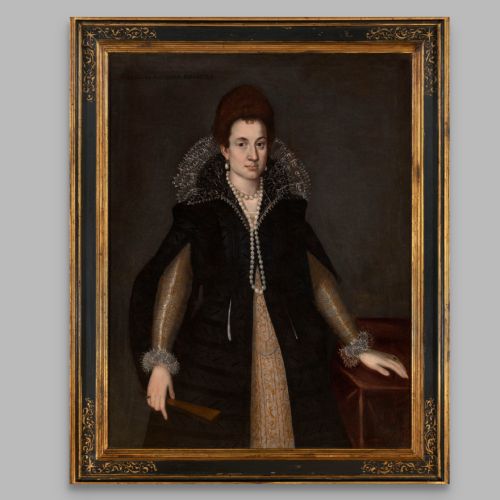
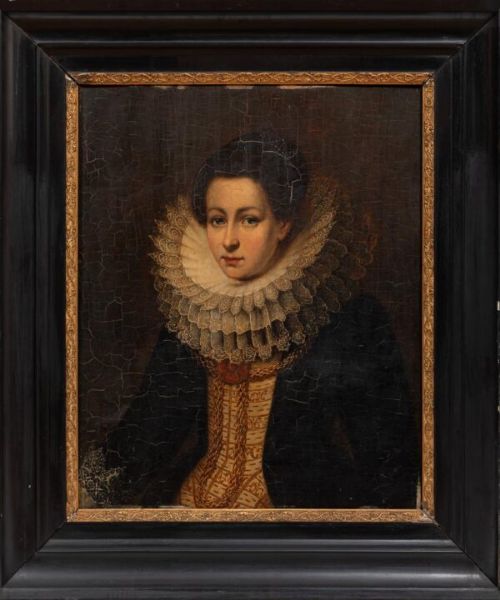
A noblewoman oil painting brings centuries of portraiture into a room, offering striking historical presence and masterly brushwork.
Noblewoman Oil Painting
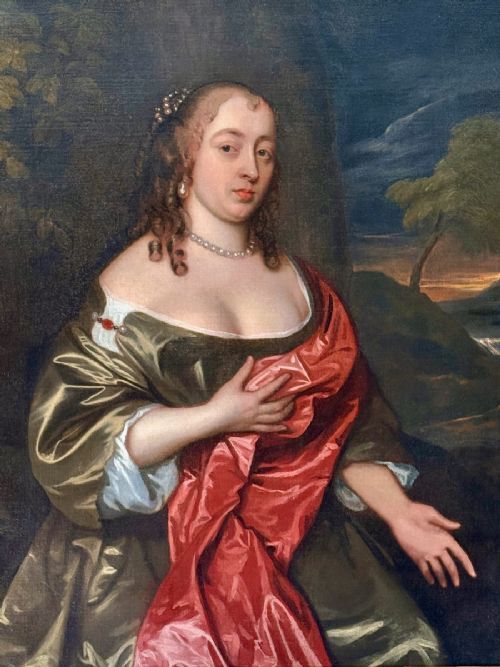
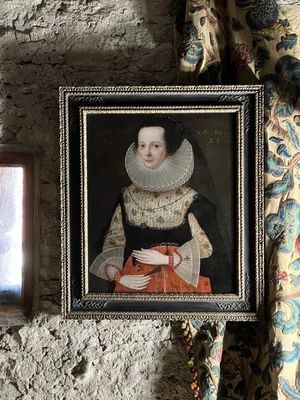
When you search for a noblewoman oil painting, you encounter aristocratic portraits spanning the sixteenth, seventeenth, and eighteenth centuries, executed by regional schools and notable masters. The sixteenth and seventeenth centuries dominate the selections, featuring subjects defined by elaborate costume, ruff collars, and extensive landscapes.
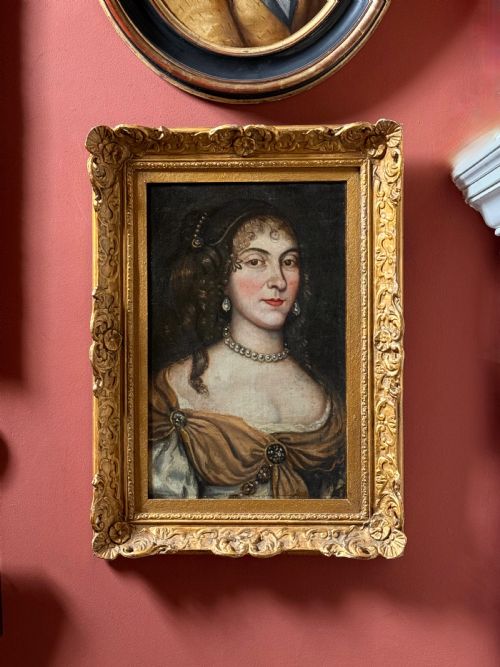
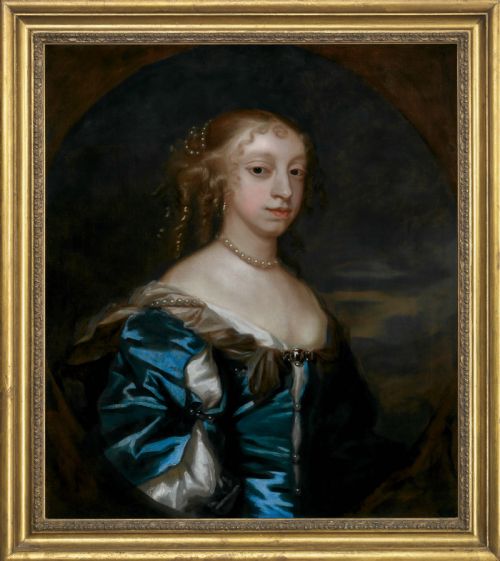
The most common pieces on this page are seventeenth-century English and continental works rendered in oil on canvas. These canvases frequently capture specific historical figures, such as Lady Diana Bruce or the Duchess of Newcastle, framed in period gilt wood.
You also discover Italian Renaissance and Baroque interpretations, alongside later nineteenth-century and mid-twentieth-century examples after earlier masters. Each piece records the distinct fashion, status, and artistic conventions of its respective period.
What varies in quality
The attribution to specific circles or named painters elevates a work, as does the clarity of provenance and the integrity of the original canvas and wooden stretcher. Condition of the pigment layer and the presence of period gilt wood framing also influence the standing of a piece.
Listings feature works spanning the sixteenth to the nineteenth centuries, executed in oil on canvas and wood with gold leaf.
John Hayls·Pietro Fachetti·Sir Anthony Van Dyck·John Greenhill·Sir Godfrey Kneller·Charles Jervas
The Noblewoman Oil Painting Glossary
- Oil on canvas
- A painting medium where pigments suspended in oil are applied to a woven fabric support stretched across a wooden frame. This technique allowed artists to achieve rich colour saturation and subtle tonal gradations.
- Gilt wood
- Wood carved and coated with a thin layer of gold leaf or gold paint. It provides ornate, reflective framing characteristic of period portraiture.
- Ruff
- A prominent, pleated collar worn in the sixteenth and seventeenth centuries. Its intricate folds demand high technical skill from the portraitist.
- Baroque
- An artistic style from the seventeenth century marked by drama, rich detail, and deep chiaroscuro. Portraits in this manner emphasise grand presence and movement.
- Circle of
- A term denoting an artist working closely in the style and workshop tradition of a master without being that specific master. It indicates proximity to top-tier execution.
Noblewoman Oil Painting: Frequently Asked Questions
How do I date a noblewoman oil painting?
Dating relies heavily on the style of costume, particularly collars, hair, and sleeve cuts, which changed rapidly across the sixteenth and seventeenth centuries. Written inscriptions, dates on the canvas, and recorded provenances also provide firm chronological anchors.
Material analysis of the canvas and wooden stretcher offers further confirmation of the period. Comparing the handling of paint with documented works by regional schools helps narrow down the decade of creation.
What is the difference between studio work and circle of an artist?
Works attributed to the circle of an artist are produced by painters closely associated with a master, sharing identical stylistic traits and techniques. They reflect the aesthetic environment of a prominent workshop.
Studio pieces often involve direct collaboration or supervision by the master himself. Both categories offer high-quality portraiture from the period without commanding the primary signature.
How should I hang an oil painting in a modern home?
These portraits require stable environmental conditions away from direct sunlight, excessive heat sources, and high humidity. Proper wall anchoring is essential due to the weight of the canvas and timber framing.
Pairing a seventeenth-century subject with contemporary interior design creates a striking visual contrast. Ensure the lighting is indirect to prevent glare on the varnished surface.
What does attribution mean in historical portraits?
Attribution indicates that experts have linked a painting to a specific hand or workshop based on stylistic evidence and historical records. It reflects scholarly consensus rather than a signed signature on the canvas.
This designation helps collectors understand the lineage and cultural context of the artwork. It connects the piece directly to known artistic movements of the past.