


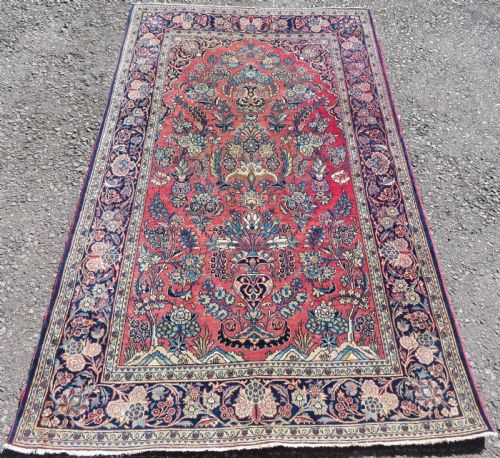


Classic Persian Carpet
When you search for a classic persian carpet, you enter a field defined by hand-knotted wool and centuries of regional design.
Classic Persian Carpet
A classic persian carpet represents a major textile tradition spanning village, tribal and city workshops across Persia and neighbouring regions. When you search for this phrase, you find formats ranging from small scatter rugs to room-sized carpets and long runners.
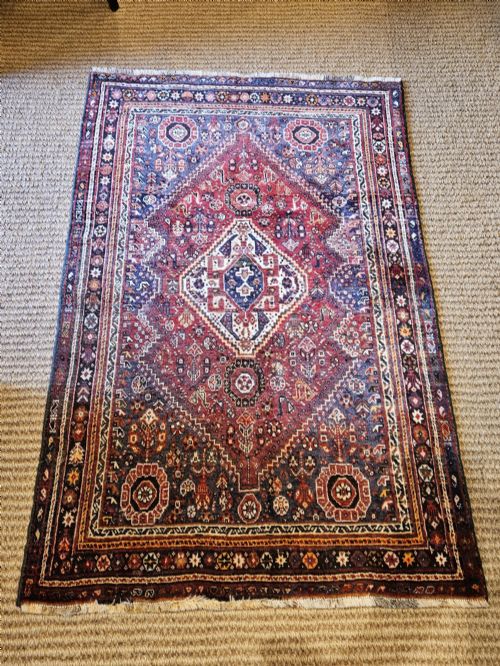
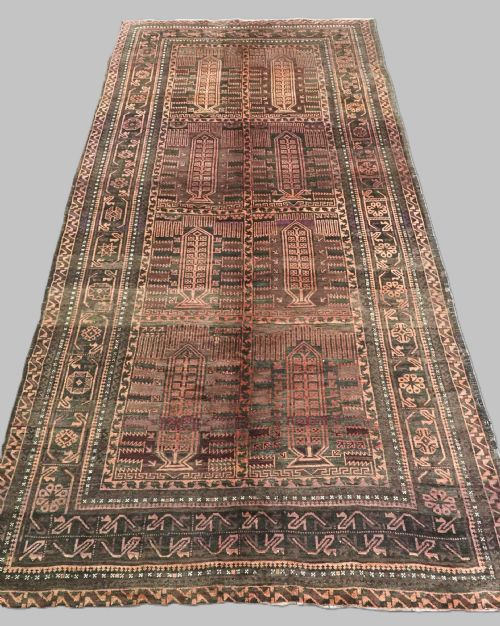
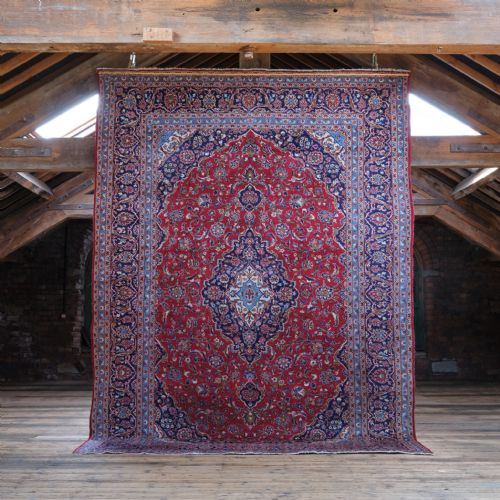
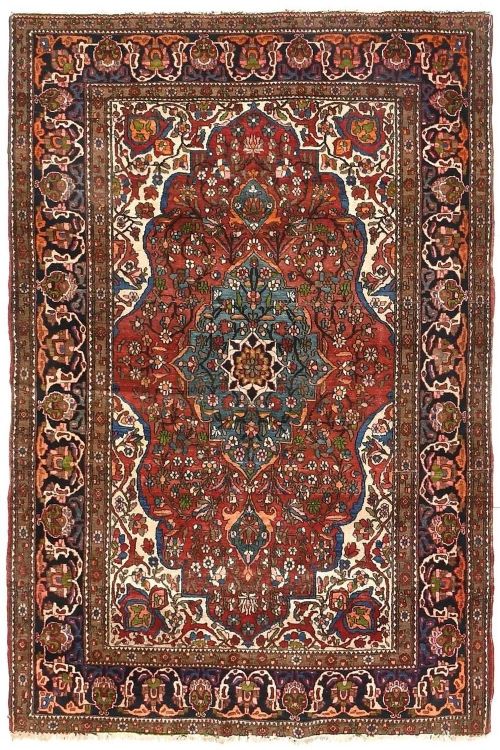
The pieces listed here originate from distinct weaving centres such as Heriz, Kashan, Isfahan, Tabriz and Kirman, alongside nomadic pieces from Timuri, Baluch and Qashqai weavers. Town carpets tend to feature precise floral medallions, whilst village and tribal examples lean towards geometric motifs and local wool variations.
Most examples date from the late nineteenth century through to the middle of the twentieth century, bridging the Victorian era and the interwar period. These older textiles serve as functional floor coverings that ground a room with deep historical continuity.
How they were made
Weavers constructed these carpets using hand-knotted wool foundations, frequently supported by cotton warps and occasionally incorporating goat hair in tribal pieces. Artisans tied individual knots by hand onto vertical looms, building up dense piles designed to withstand decades of foot traffic.
Colour comes from natural dyes derived from plants and minerals, creating rich tones like rust, indigo and madder that soften gracefully over time. These organic colourants interact with the wool fibres to produce subtle tonal variations across the field of the carpet.
What varies in quality
Knot density and structural precision dictate the finesse of the weave, separating village utilitarian work from master city workshops. Tighter knotting allows for sharper delineation of intricate floral or geometric motifs.
The clarity and depth of the natural dyes significantly influence the visual impact of the piece. Carpets retaining vibrant, uncompromised vegetable colours sit at the upper end of the scale compared to those with faded or uneven dye lots.
Ziegler & Co
The Classic Persian Carpet Glossary
- Medallion
- A large central ornamental design motif placed in the middle of the carpet field. This circular or polygonal element anchors the symmetrical layout of many city carpets.
- Warp
- The vertical threads stretched lengthwise on the loom that carry the structural tension of the rug. The fringe at either end of the carpet consists of these extended warp threads.
- Weft
- The horizontal threads passed back and forth between the warp threads to lock the rows of knots in place. These horizontal elements bind the foundation together securely.
- Natural Dyes
- Colourants extracted from organic sources such as plants, roots and insects rather than synthetic chemicals. These dyes yield harmonious palettes that age with distinct patination.
- Pile
- The upright woolen or hair surface of the carpet formed by the cut ends of the knots. Pile height determines the plushness and tactile weight of the textile underfoot.
Classic Persian Carpet: Frequently Asked Questions
How do I choose the right size?
Measure your floor space carefully to ensure the carpet either sits entirely beneath your furniture or frames the seating area with an even border of exposed floorboards. Larger room-sized formats anchor living spaces, while runners suit hallways and staircases.
Consider the traffic level in the room when selecting your placement. High-traffic areas benefit from denser piles and durable wool construction.
How do I care for an old carpet?
Vacuum your carpet gently on a low suction setting without a rotating brush roll to protect the delicate wool pile and fringes. Rotate the piece every year to ensure even exposure to foot traffic and sunlight.
Professional cleaning should happen infrequently and only by specialists experienced in antique textiles. Avoid harsh chemical spot treatments that can strip natural dyes from the fibres.
How can I tell different regional styles apart?
Study the geometry and motif vocabulary, as Heriz carpets typically display bold geometric medallions while Isfahan and Kashan pieces favour curvilinear floral designs. Village rugs often show more rustic, asymmetrical quirks compared to formal city workshops.
Regional palettes also offer clues, with specific towns favouring distinct combinations of indigo, rust and ivory tones.
Can I use these carpets in modern interiors?
These textiles provide warmth and texture that complement contemporary minimalist spaces or traditional rooms alike. The earthy tones of natural dyes bridge different design eras seamlessly.
Use a quality underlay beneath the carpet to prevent slipping and to add cushioning underfoot on hard floors.