

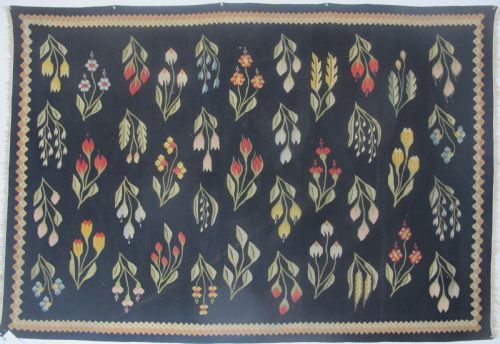
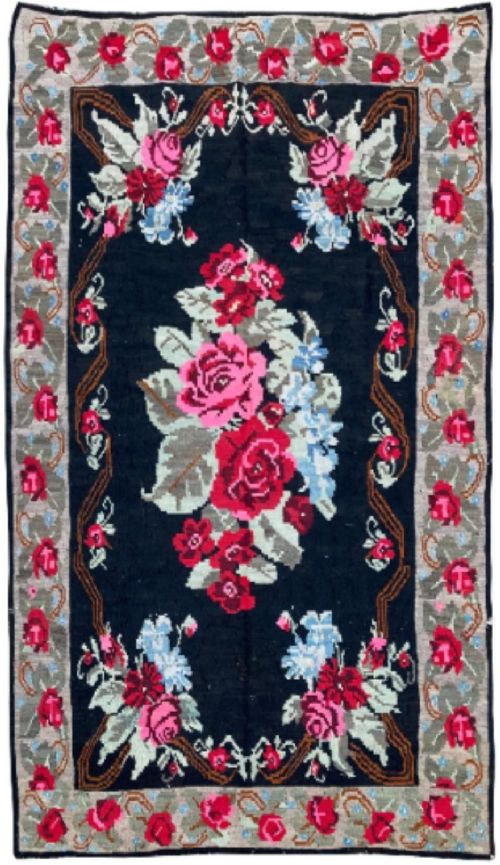
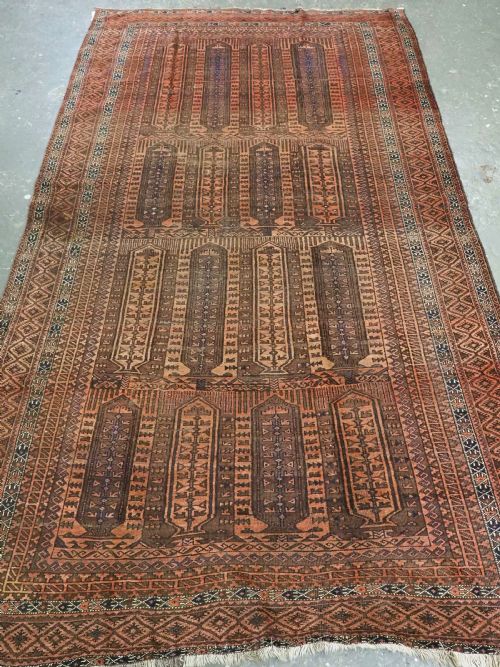

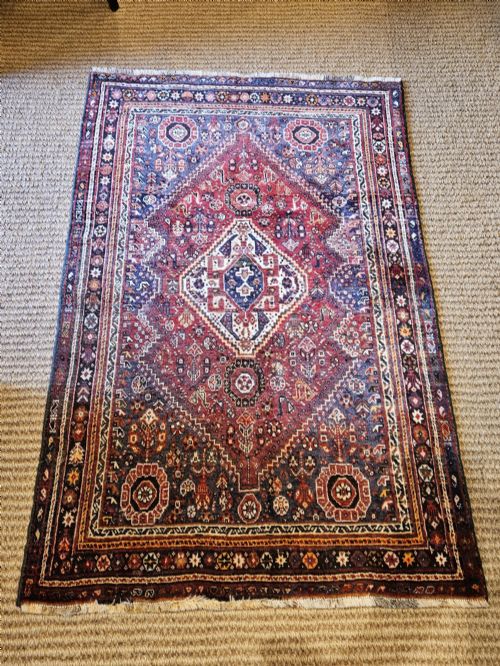
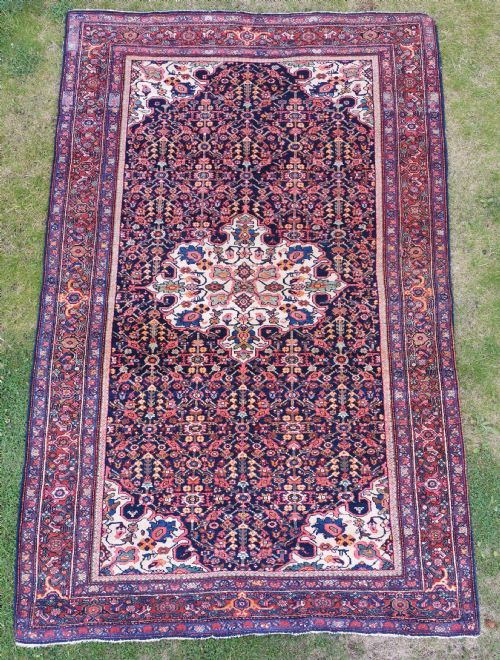
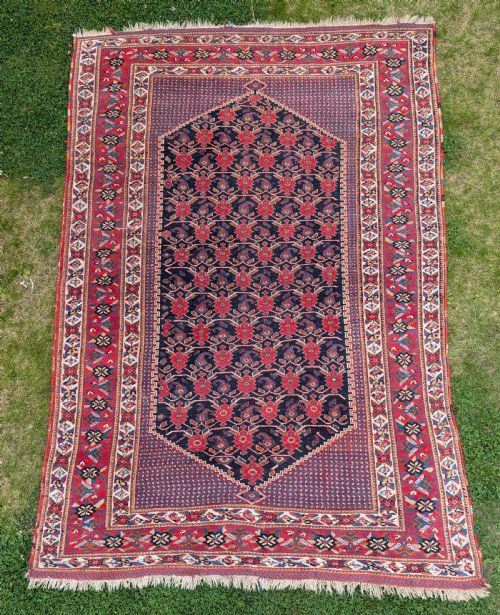
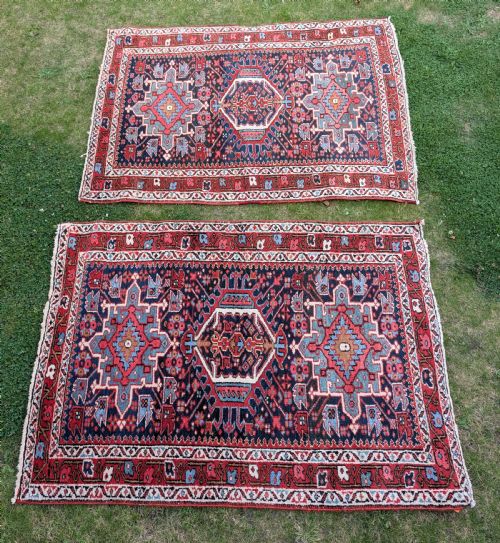
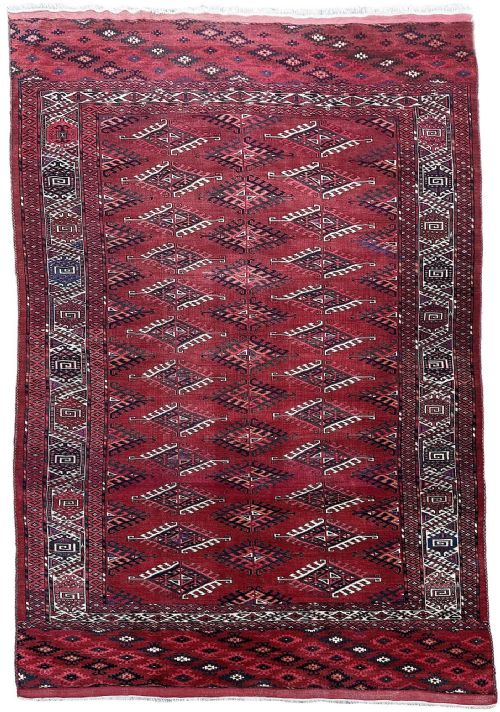
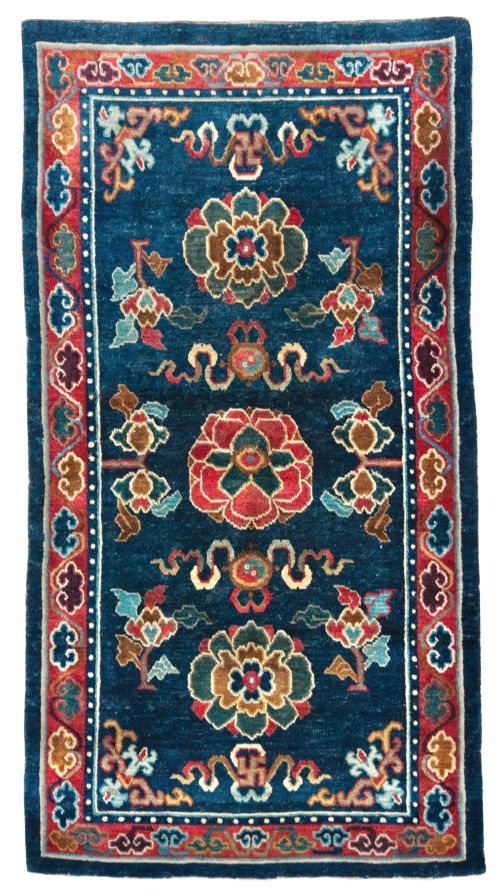
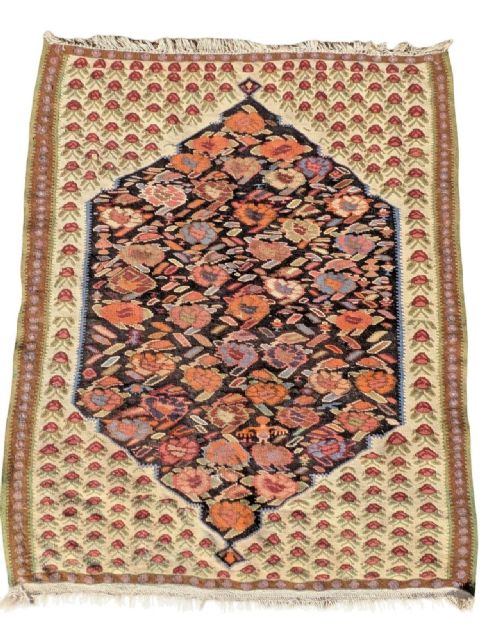
Handwoven Carpet
A handwoven antique carpet brings character to a floor through enduring textile traditions spanning the nineteenth and early twentieth centuries.
Handwoven Carpet
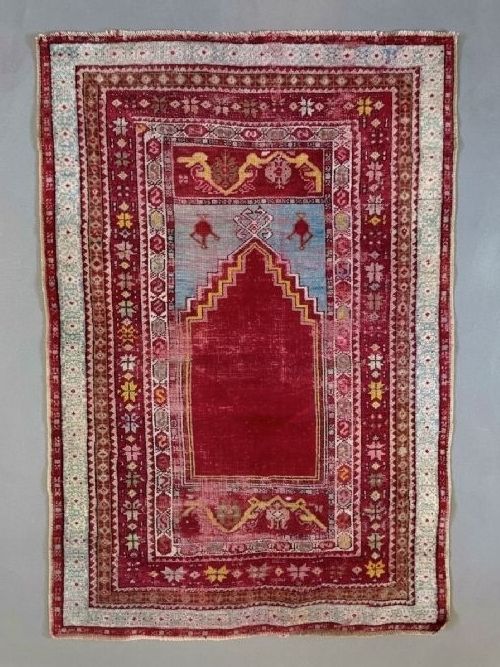
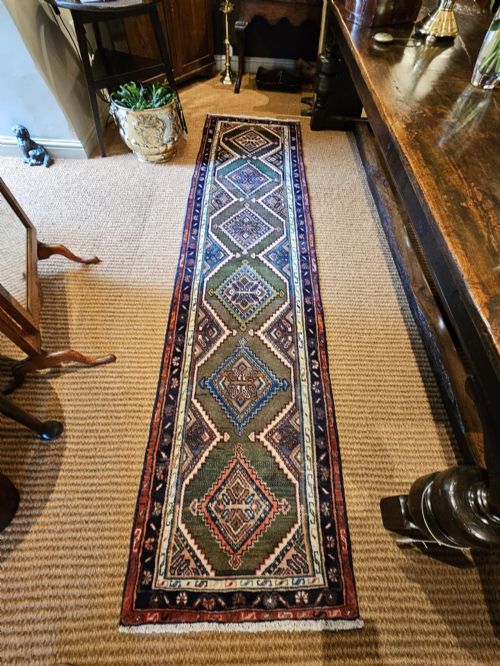
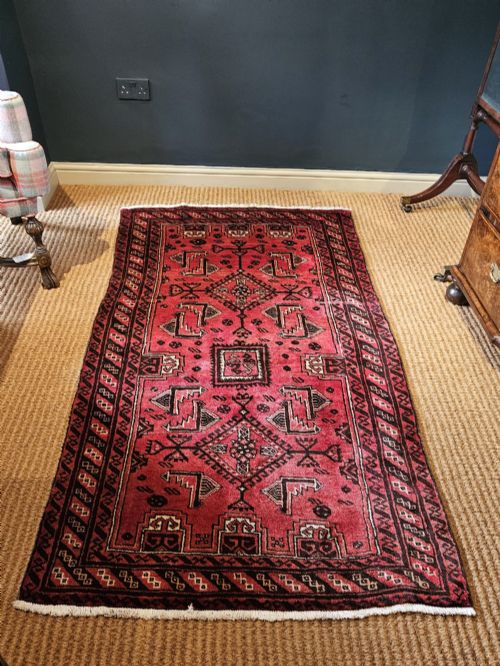
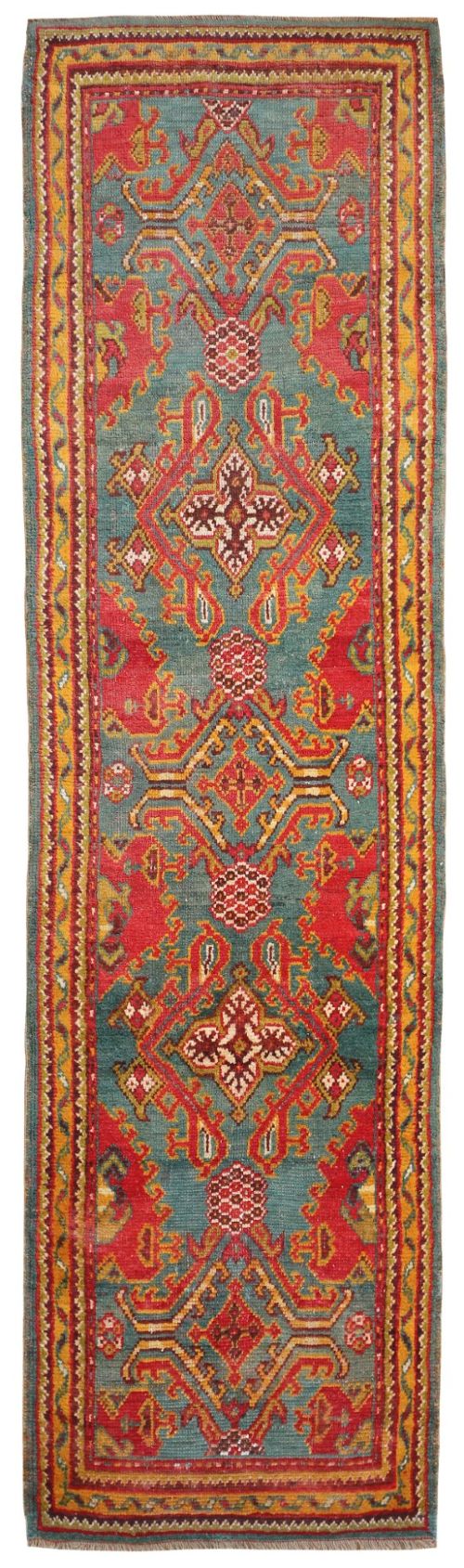
A handwoven antique carpet represents traditional floor coverings originating from Persian, Caucasian, Turkmen, and Afghan regions, dating from the nineteenth century into the 1930s. The selection includes runners, room-sized carpets, village rugs, and smaller tribal items such as saddle bags and cushions.
Buyers frequently encounter Persian village and tribal pieces alongside Caucasian and Turkmen examples created with geometric or floral motifs. These textiles served functional roles in homes and nomadic settlements before entering the decorative market.
How They Were Made
These textiles rely on hand-spun wool and pure wool foundations, frequently combined with cotton elements depending on the regional workshop or tribal tradition. Natural dyes provide the colour palette, producing rich tones of red, blue, and green that age with distinct character.
Weavers constructed each piece by hand on vertical or horizontal looms, utilising knotting techniques passed down through generations. This labour-intensive process creates dense piles and flatweave structures designed for daily endurance.
Several small pieces began life as animal transport bags before finding a quiet retirement on the living room floor.
What Varies in Quality
Quality rests upon the precision of the knotting density, the clarity of the regional design, and the stability of the natural dyes used across the field. Tighter construction and balanced proportions distinguish finer village and workshop pieces from standard examples.
The integrity of the wool and the preservation of the original edges and borders influence the standing of an individual carpet. Surviving examples retain their structural rhythm despite decades of use.
Baluch Tribes·Ushak Workshops·Heriz Workshops·Saroq Workshops·Yomut Tribe
The Handwoven Carpet Glossary
- Runner
- A long, narrow carpet format traditionally suited for hallways, corridors, or alongside furniture.
- Kilim
- A flatweave textile produced without a pile, featuring sharp geometric patterns and lightweight versatility.
- Medallion
- A central ornamental design motif placed in the middle of the carpet field, common in Persian traditions.
- Prayer rug
- A small format featuring a specific architectural arch or mihrab design used for devotional purposes.
- Jollar
- A small Turkmen bag face or storage hanging woven by nomadic tribes with characteristic guls.
Handwoven Carpet: Frequently Asked Questions
Where were these carpets made?
Production spans traditional weaving centres and nomadic regions across Persia, the Caucasus, Turkmenistan, and Afghanistan during the nineteenth and early twentieth centuries.
Each region developed distinct weaving methods, material choices, and design motifs that identify their geographic origin.
How do I care for an antique wool carpet?
Regular gentle vacuuming without a rotating brush roll prevents dust accumulation within the wool pile. Professional cleaning suited for natural dyes ensures the longevity of the fibres.
Keeping the textile out of direct, harsh sunlight protects the natural dyes from premature fading over the years.
What is the difference between a rug and a runner?
Runners feature an elongated rectangular proportion specifically designed for narrow spaces like hallways and stairs. Rugs arrive in square or standard rectangular formats intended for open floor spaces.
Both share identical handweaving techniques and material foundations depending on their regional origin.
How do I identify tribal designs?
Tribal designs from groups such as the Qashqai, Baluch, and Turkmen rely on repeating geometric guls, stylized animals, and hooked medallions. These patterns reflect ancestral motifs passed down through specific nomadic communities.
Town and village workshops typically produce more structured floral patterns and defined central medallions by comparison.