


Decorative Oriental Carpet
A decorative oriental carpet brings centuries of nomadic and workshop weaving tradition into a room, offering rich botanical and geometric designs.
Decorative Oriental Carpet
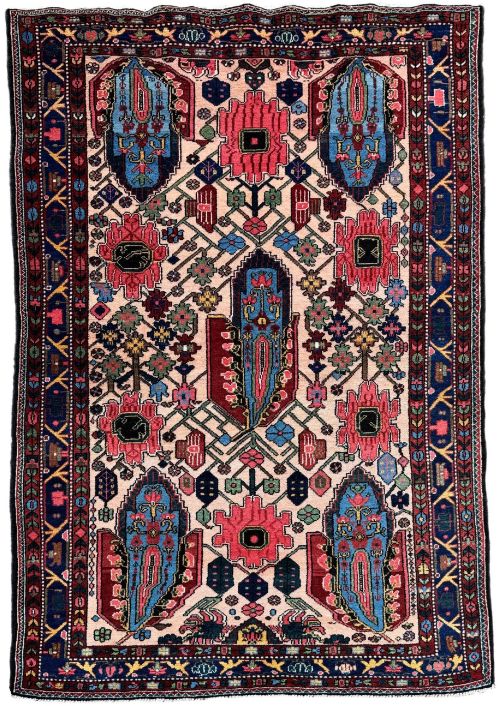
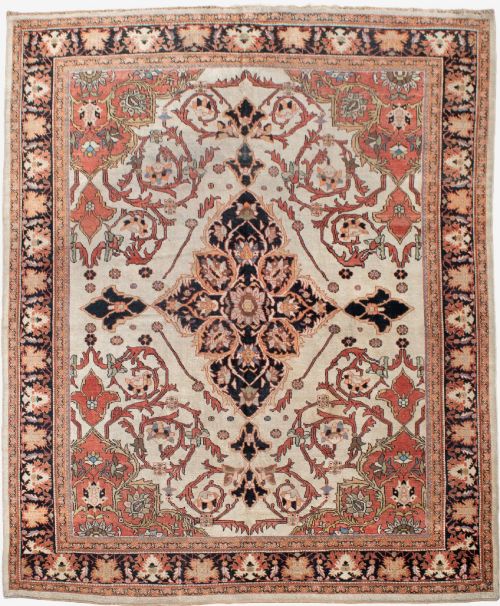
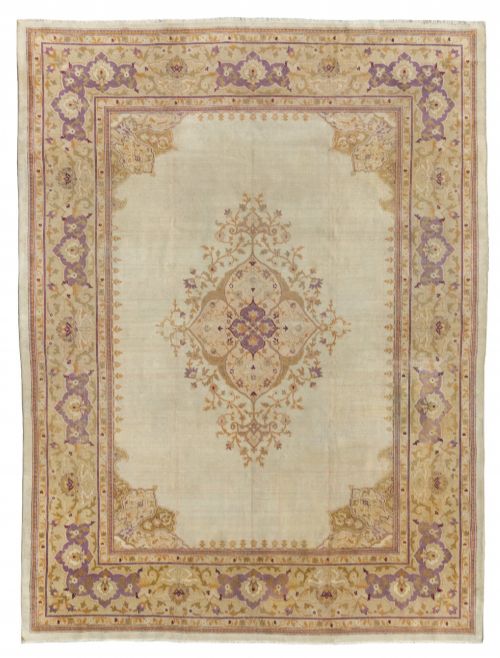
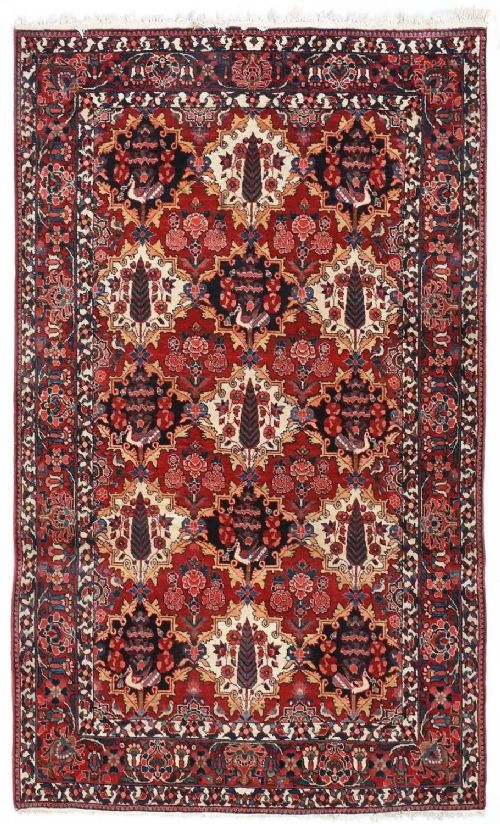
A decorative oriental carpet encompasses room-size coverings, smaller rugs, wall hangings and tribal fragments originating from nineteenth and early twentieth century production. Buyers searching for a decorative oriental carpet encounter distinct regional designs, including Persian Heriz, Mahal, Ushak and Amritsar specimens.
The selection ranges from grand room-size formats down to compact tribal pieces and bag faces. Persian and Turkish village or workshop weaves dominate the offerings, spanning the eighteenth century through to the 1930s.
Materials and construction methods
Weavers constructed these carpets predominantly using wool pile tied on cotton foundations, though certain tribal pieces incorporate wool warps and wefts. Artisans utilised hand-spun natural and early synthetic dyes to build intricate botanical and geometric compositions.
Loom techniques varied between the urban workshop knots of major Persian centres and the coarser, durable weaves of nomadic tribal groups. Edge finishes typically involve overcast selvedges and wool or cotton fringes securing the structural integrity.
Some Yomut torbas still whisper of camel trains and desert campfires, carrying dust from nineteenth-century steppes straight to the modern sitting room.
Factors of quality and execution
Knot density and structural tension govern the longevity and precision of the pattern. Tighter knots allow finer delineation of floral motifs and medallions, whereas looser tribal weaves display a more rustic character.
The purity and ageing of the dye palette determine visual depth. Even fading and harmonious secondary tones distinguish master workshop examples from standard commercial output.
The Decorative Oriental Carpet Glossary
- Pile
- The vertical tufts of wool that form the soft surface of the carpet. This fleece is sheared evenly after knotting to reveal the design.
- Warp
- The stationary longitudinal threads stretched tightly on the loom before weaving begins. Weft threads pass across these to lock the knots in place.
- Medallion
- A large central ornamental motif dominating the field of the carpet. This focal point draws the eye across the balanced composition.
- Selvedge
- The bound edge running along the parallel sides of the carpet to prevent fraying. Traditional examples use wool wrapped tightly over several warp threads.
- Prayer rug
- A small format featuring a mihrab or niche design historically oriented toward Mecca during daily devotions. These pieces often display directional floral patterns.
Decorative Oriental Carpet: Frequently Asked Questions
How do I care for a vintage carpet?
Vacuum gently without a rotating brush bar to protect the wool pile from unnecessary friction and fibre loss.
Professional specialist cleaning remains essential every few years to remove embedded dust safely without damaging natural dyes.
Where were these carpets made?
Production spans historic weaving centres across Persia, Turkey, India, and Central Asia. Village workshops and nomadic tribes each contributed distinct regional aesthetics.
City ateliers produced formal curvilinear designs, while tribal weavers favoured geometric motifs and symbolic tribal markers.
Can I place these in high traffic areas?
Wool and cotton construction provides robust durability suitable for domestic living spaces when supported by a quality underlay.
Thicker pile examples handle foot traffic well, though fragile fragments and delicate silk or aged pieces suit low-traffic display.
How do I identify regional carpet designs?
Heriz carpets typically present bold geometric medallions, whereas Mahal and Ziegler pieces offer more relaxed floral sprays.
Nomadic Yomut and Turkmen pieces showcase repeating guls and tribal symbols distinct from urban Persian workshop styles.