

Classic Omega Timepiece
A classic omega timepiece is a mechanical wristwatch from decades past that brings robust engineering and enduring style to the wrist.
Classic Omega Timepiece
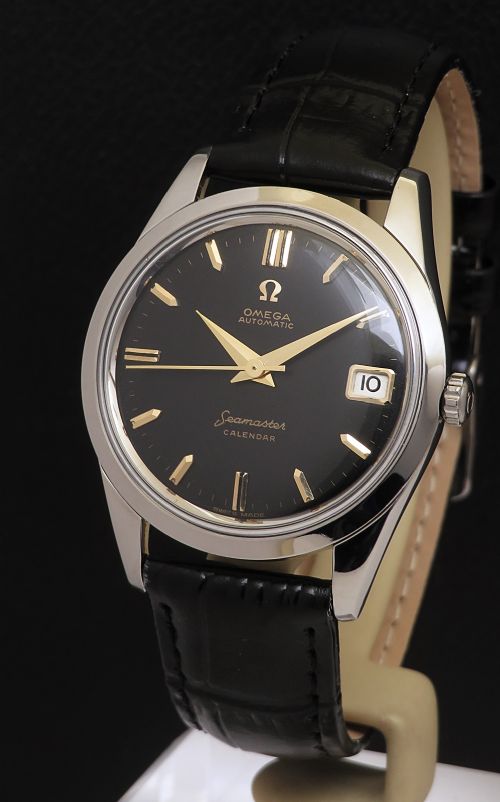
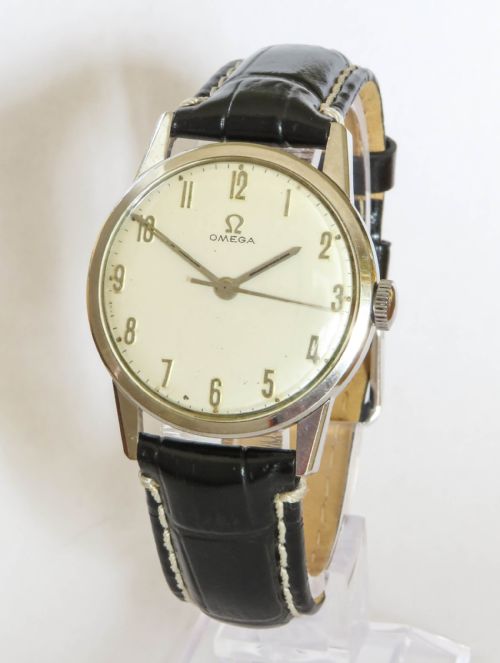
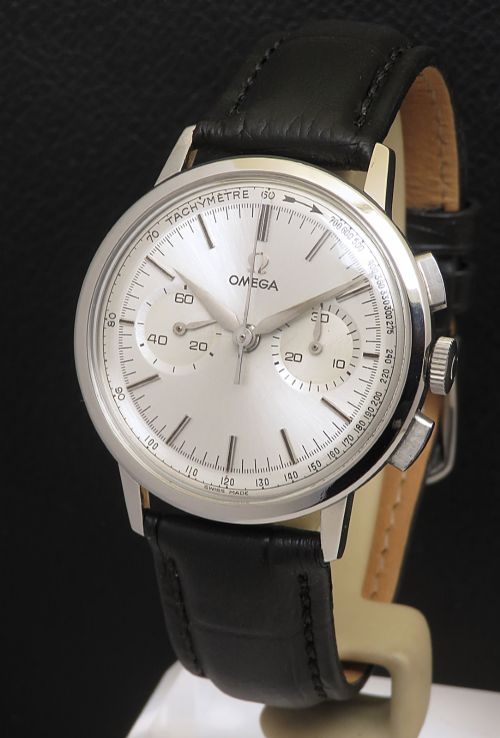
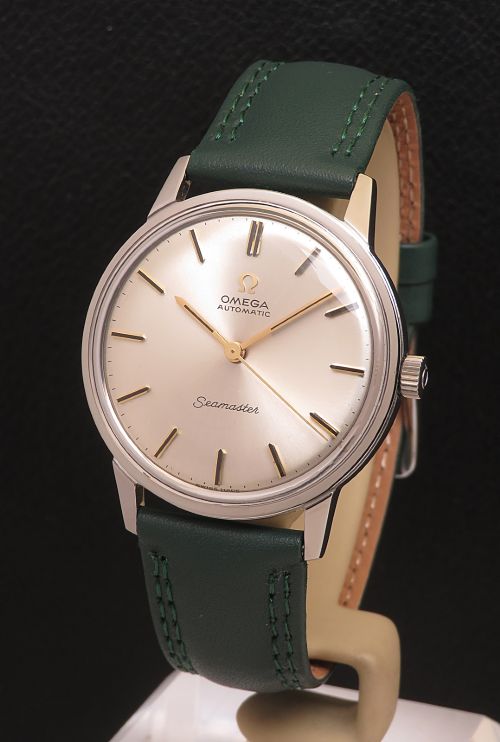
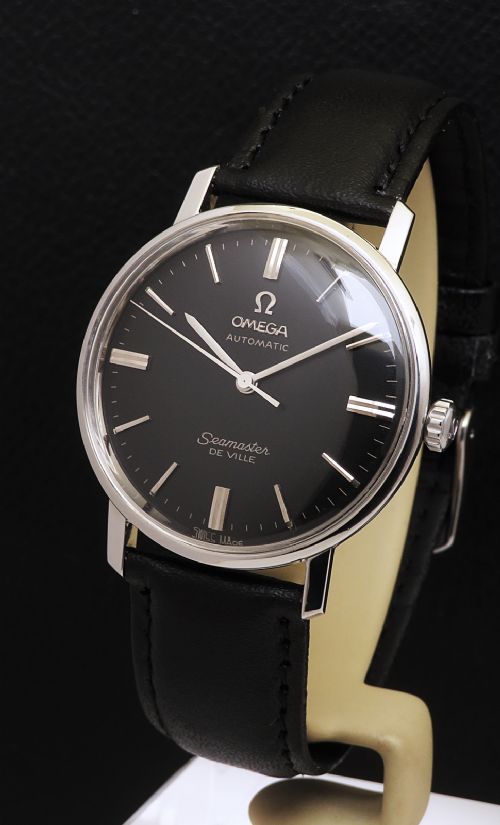
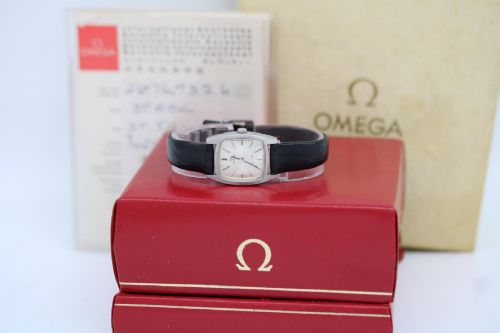
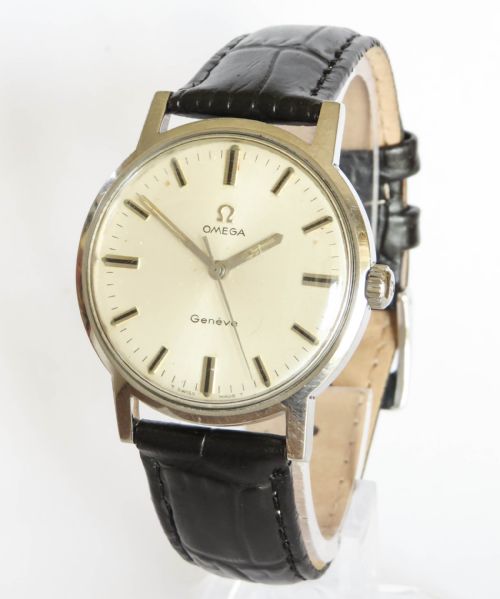
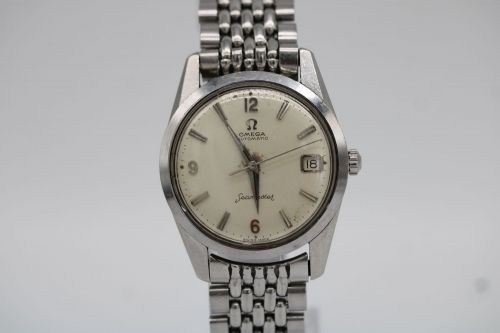
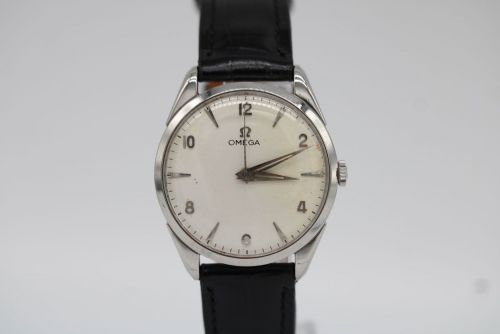
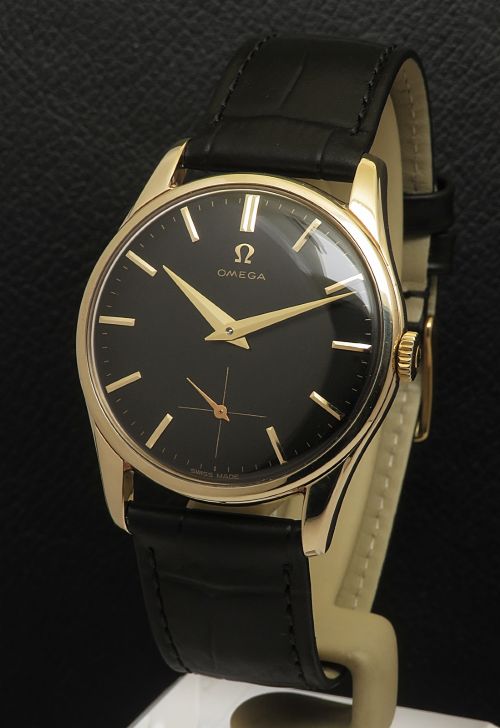
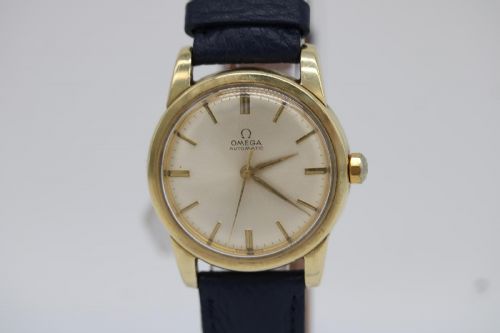
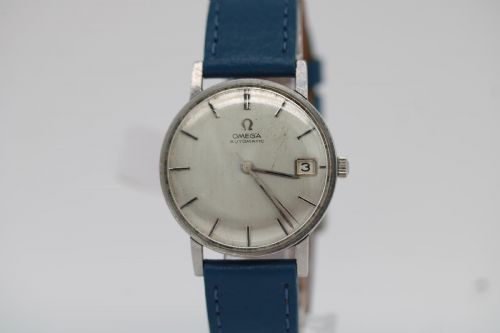
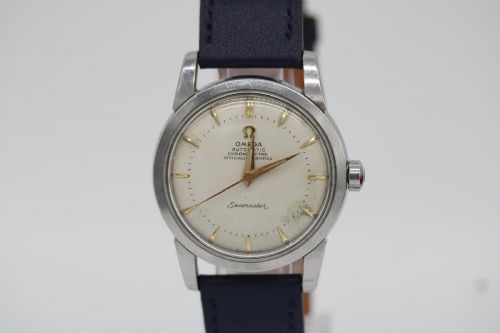
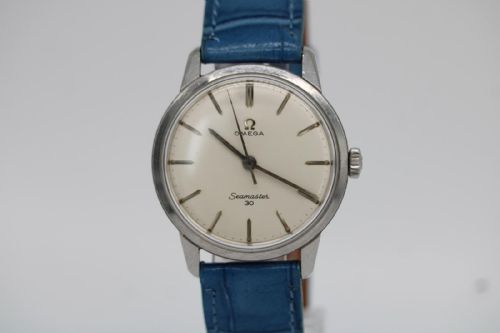
A classic omega timepiece spans wristwatches produced across several decades, with a strong representation of mid-century examples from the nineteen-fifties and nineteen-sixties. Buyers encounter prominent lines such as the Seamaster, Geneve, and De Ville, alongside chronograph and manual wind variants.
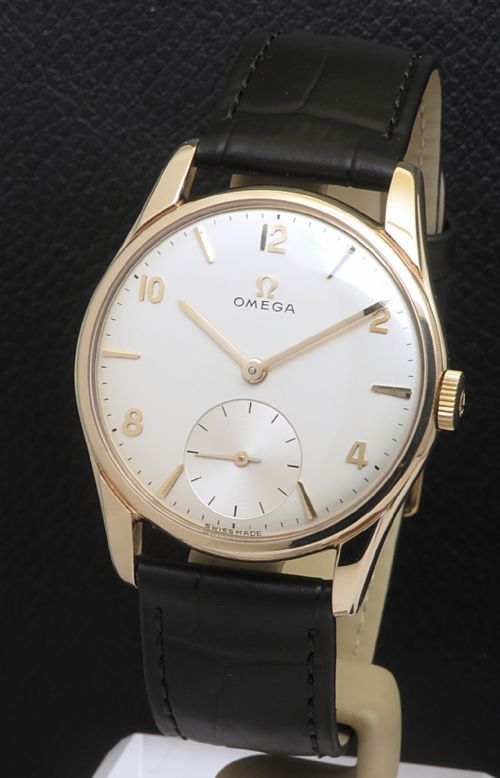
Forms range from solid nine-carat gold and gold-plated dress models to robust stainless steel tool watches. Case diameters typically sit in the thirty-one to thirty-five millimetre range, reflecting the proportions of their respective periods.
How they were made
Cases utilise stainless steel, solid nine-carat gold, or gold plate, paired with dials featuring applied markers and painted numerals. Crystals are formed from acrylic glass or standard glass to protect the face.
Movements rely on precision mechanical engineering, spanning manual wind calibres and automatic winding systems. Straps are traditionally constructed from leather to complement the metal case work.
Listings span four distinct decades, stretching from the nineteen-thirties through to the nineteen-seventies with a heavy focus on mid-century production.
What varies in quality
The standard of preservation across the dial and hands dictates much of the appeal. Original factory finishes and untouched patinated surfaces hold distinct character compared to heavily refinished components.
The crispness of case edges and the integrity of hallmarks on gold variants separate standard examples from superior survivals. Movement condition and the execution of past servicing also influence the mechanical reliability of each piece.
Omega
The Classic Omega Timepiece Glossary
- Calibre
- The specific internal mechanical movement model produced by the manufacturer. Each calibre designates a distinct engineering layout.
- Manual wind
- A mechanical movement wound by hand via the crown rather than by wrist motion. These watches require regular daily winding to maintain operation.
- Automatic
- A self-winding mechanical movement utilising an internal rotor driven by the natural motion of the wearer. This system tensions the mainspring automatically during daily wear.
- Chronometer
- A high-precision watch movement that has successfully passed rigorous accuracy tests conducted by an official rating organisation. Such movements meet strict chronometric standards.
- Acrylic glass
- A transparent plastic material utilised for watch crystals prior to the widespread adoption of synthetic sapphire. It offers warmth and clarity while remaining relatively straightforward to polish.
Classic Omega Timepiece: Frequently Asked Questions
How do I wind a manual watch?
Rotate the crown gently between your thumb and forefinger in a forward direction until resistance is felt. Stop immediately when tension increases to avoid damaging the internal mainspring.
Wind the piece at approximately the same time each day to maintain consistent tension and stable timekeeping performance throughout its operation.
Are vintage watches waterproof?
Older wristwatches lack the modern gasket systems and screw-down components found in contemporary diving instruments. Even models designed for water resistance should be kept away from moisture.
Condensation can form inside the case if exposed to rain or hand washing, potentially damaging the dial and steel or brass movement components within.
What is a jumbo case?
A jumbo case refers to a watch design that exceeded standard sizing norms for its decade of production. These pieces offered an expanded diameter that sits comfortably by contemporary standards.
Such proportions make these specific variants sought after by collectors who prefer a more substantial presence on the wrist.
How do I read a dial patina?
Patina describes the natural ageing process of the dial surface, resulting in subtle tone shifts or speckled textures over decades of exposure to light and air. This evolution is distinct from moisture damage or staining.
Collectors appreciate genuine patinated dials for bearing authentic signs of history while remaining clean and legible.