
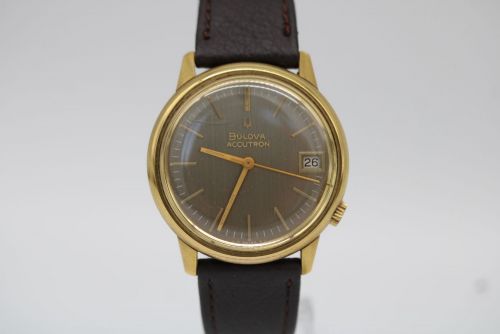
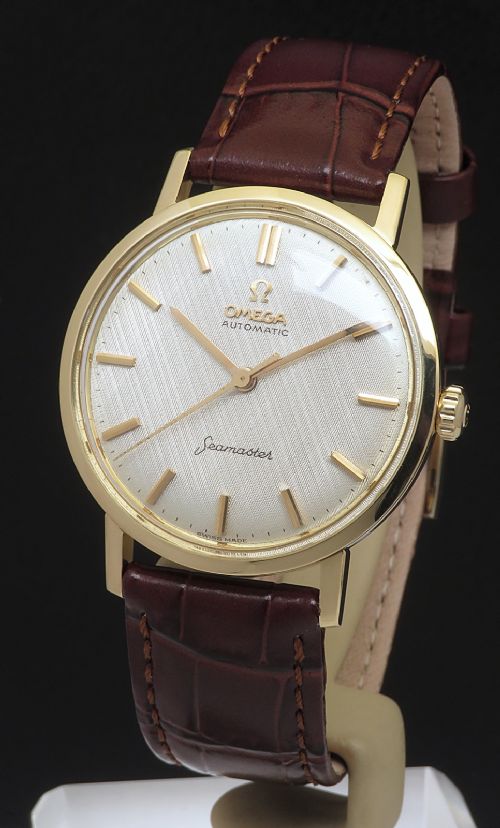
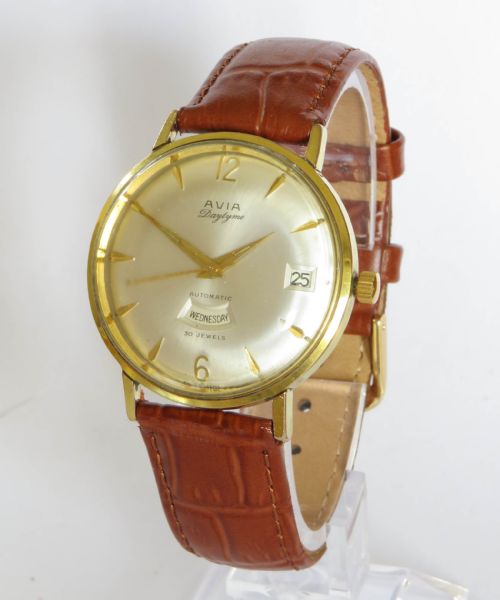
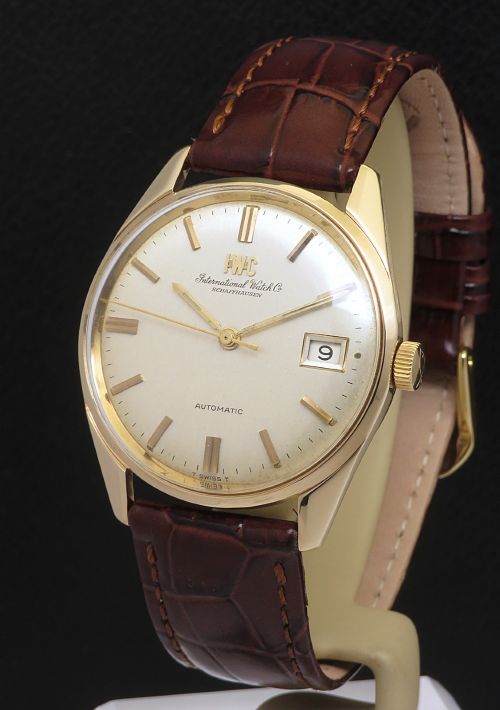

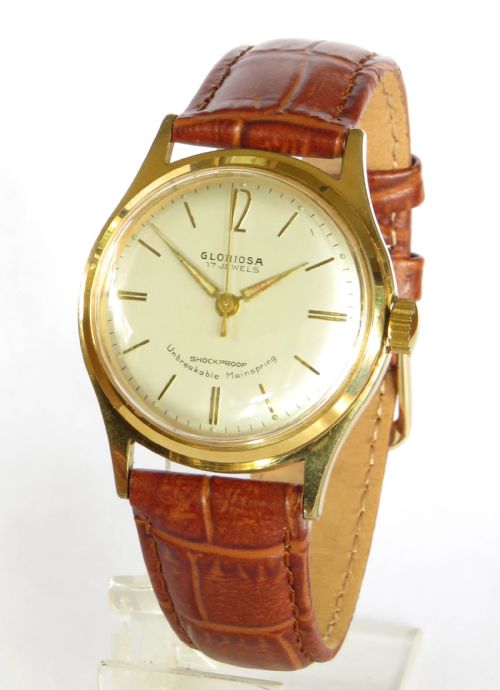
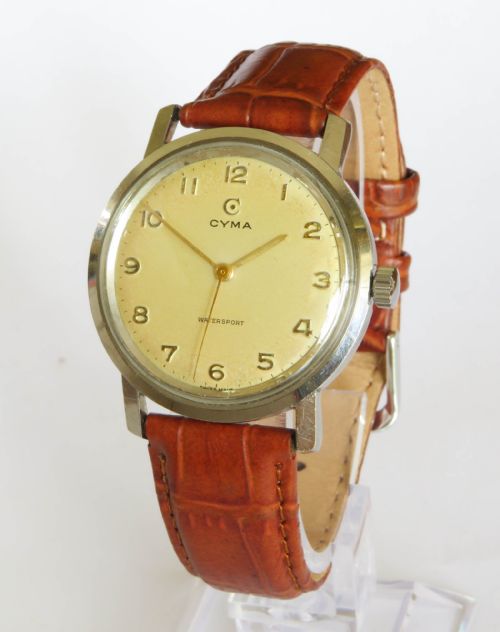
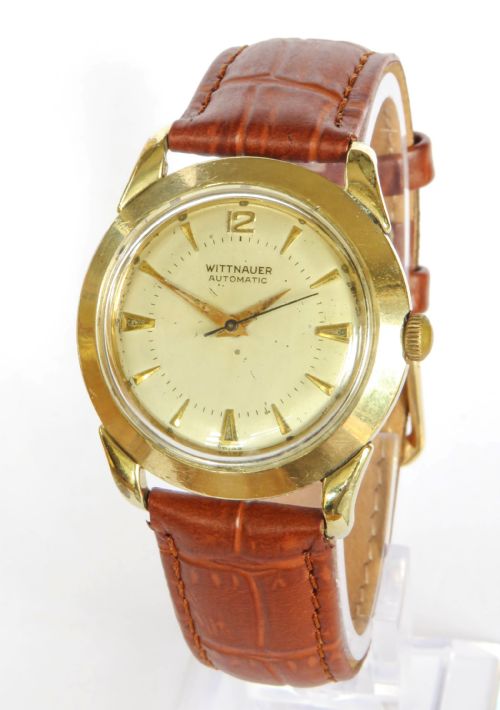
Brown Leather Dress Watch
A brown leather dress watch is a classic horological piece offering understated elegance for formal wear.
Brown Leather Dress Watch
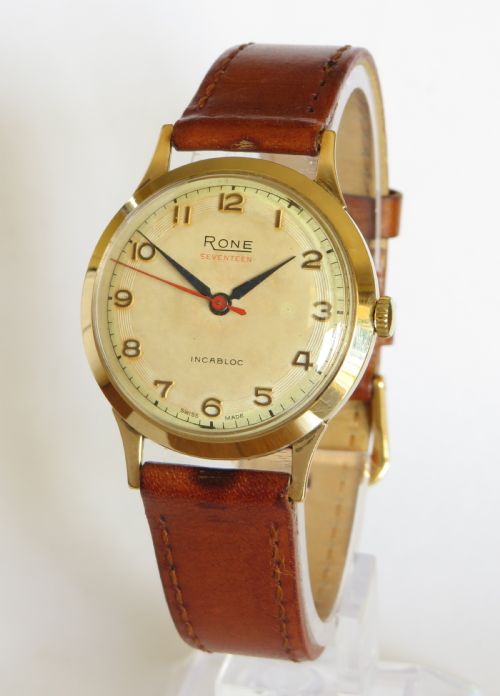
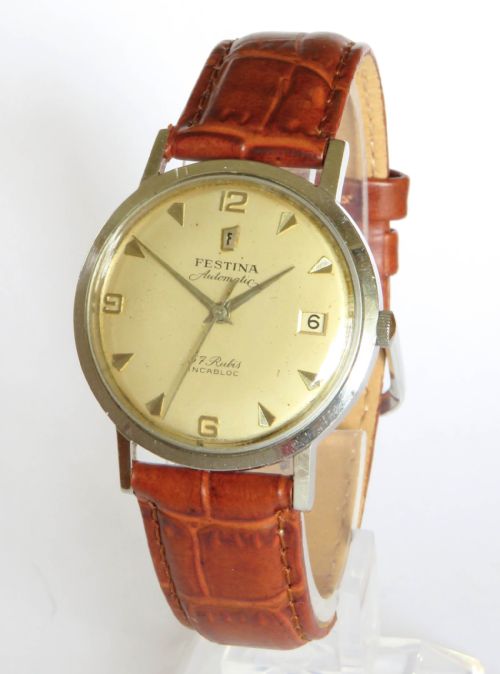
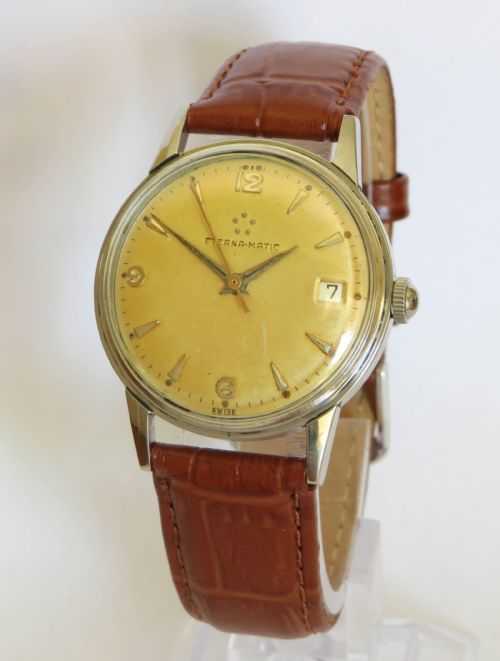
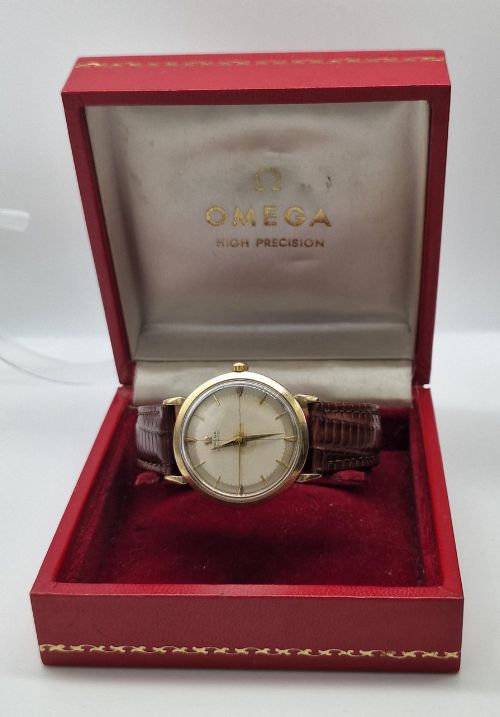
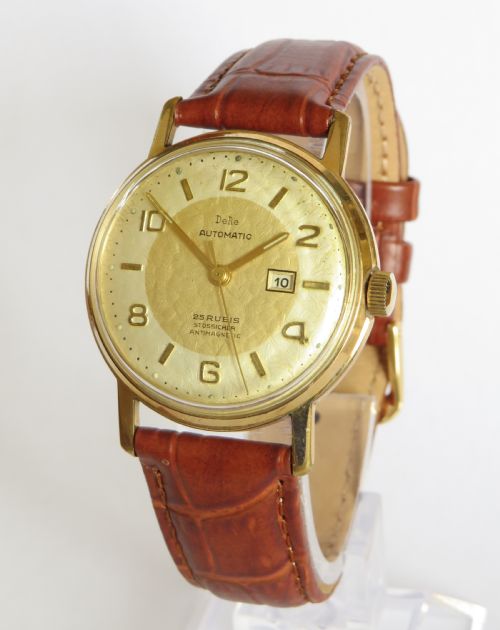
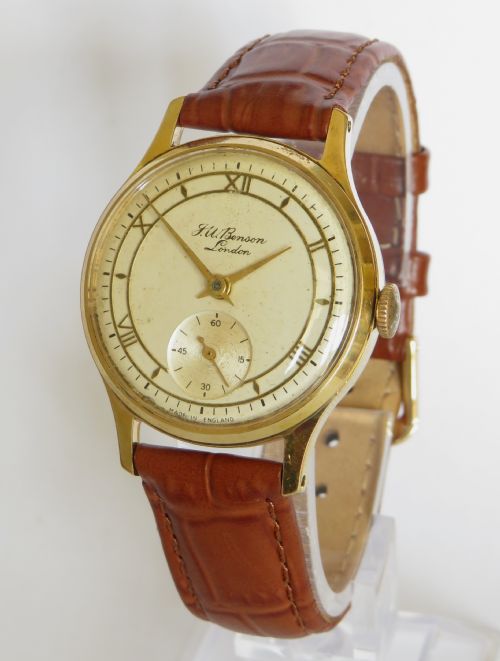
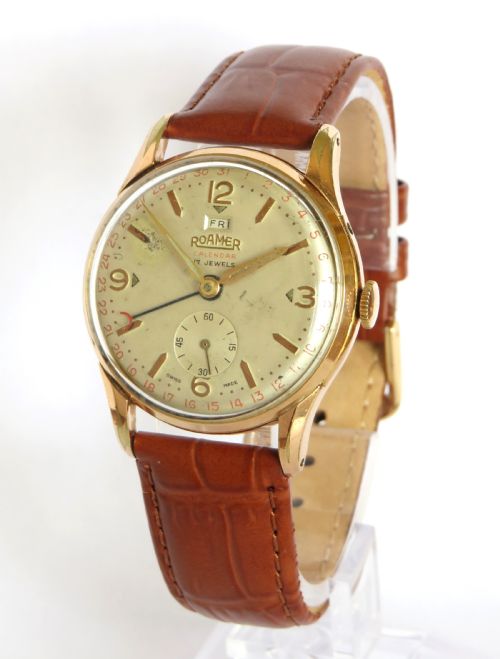
A brown leather dress watch sits on the wrist as a refined accessory, typically paired with leather straps that complement tailored outfits. These pieces span several decades, reflecting the shifts in horological design from post-war minimalism to mid-century classicism.
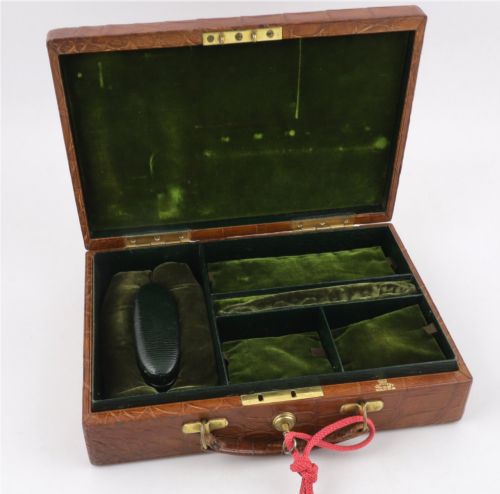
The selection here encompasses gentlemen's wristwatches alongside related items such as jewellery boxes and cocktail watches. The predominant focus rests on wristwatches driven by mechanical movements, manual wind calibres, and early automatic systems.
Origins stretch across Swiss, British, and international workshops, capturing the diverse manufacturing output of the Edwardian era through the 1960s. Mid-century modern and Art Deco aesthetics dominate the visual language of these timepieces, often characterised by clean dials and slim profiles.
How they were made
Cases combine metals such as 9ct gold, 18ct gold, and gold plate with durable stainless steel, housing delicate mechanical gear trains. Dials are protected by glass, acrylic, or acrylic glass, maintaining clear legibility over decades of use.
Straps utilise genuine leather, sometimes accompanied by velvet linings inside associated presentation boxes or antique jewellery containers. Metals are cast, stamped, and polished to create slim bezels suited to slipping neatly beneath a shirt cuff.
The listings span five distinct decades, featuring timepieces from the 1900s, 1930s, 1940s, 1950s, and 1960s.
What varies in quality
The calibre of the internal movement dictates the foundational worth of any watch, ranging from standard commercial movements to certified chronometers. Hand-finished components and precise adjustment mechanisms set the superior examples apart from standard mass-produced calibres.
Materials selection plays a vital role, with solid 9ct or 18ct gold cases holding greater intrinsic weight than gold-plated alternatives. The original state of the dial, preservation of case edges, and the presence of maker boxes or papers elevate individual pieces.
J C Vickery·Rone·Festina·Eterna Matic·Omega·DeRe·Smiths·Roamer·Bulova Accutron·Avia·IWC·Seiko·Gloriosa·Cyma·Wittnauer·Longines·Certina·Smiths Astral·Zenith·Baume Bimatic·Lanco Sport·Marvin·Enicar·Eterna·Garrard
The Brown Leather Dress Watch Glossary
- Calibre
- The specific internal movement or mechanism of a watch, designated by the manufacturer. This number identifies the exact engineering design powering the timepiece.
- Manual wind
- A watch requiring the wearer to turn the crown by hand to tension the mainspring. These movements lack rotors for automatic winding.
- Automatic
- A self-winding mechanical movement utilising an internal weighted rotor that moves with the wearer's wrist motion. This system tensions the mainspring continuously during normal daily wear.
- Chronometer
- A high-precision watch movement tested and certified to meet strict accuracy standards over various temperatures and positions. Such designations denote superior timekeeping reliability.
- Acrylic glass
- A lightweight, shatter-resistant transparent plastic material used historically for watch crystals. It can be easily polished to remove minor surface scratches.
Brown Leather Dress Watch: Frequently Asked Questions
How do I wind a vintage watch?
Gently rotate the crown clockwise between your thumb and forefinger until you feel slight resistance. Stop immediately to avoid damaging the mainspring.
Perform this action at a consistent time each day if you wear the piece regularly to maintain steady tension.
Are these watches water resistant?
Historic timepieces lack modern rubber gaskets and contemporary sealing technology. Moisture can easily infiltrate the case and damage the delicate dial or movement.
Keep these watches entirely away from water, rain, and hand washing to preserve their internal components.
How do I date my watch?
Examine the hallmark stamps inside the case back or search the serial number engraved on the movement against manufacturer production records. Stylistic cues like dial typography and case geometry also provide helpful period indicators.
The listings span eras from the 1900s through the 1960s, offering distinct design markers for each decade.
Can I wear a vintage watch daily?
Mechanical timepieces function reliably with regular wear, provided you handle them with care and avoid shock impacts. They appreciate gentle treatment and occasional professional servicing.
Pairing a brown leather strap with formal or smart casual attire makes these pieces versatile companions for everyday use.