

35mm Vintage Watch
A 35mm vintage watch offers the ideal mid-century proportion for everyday wear, combining robust mechanical movements with timeless wrist presence.
35mm Vintage Watch
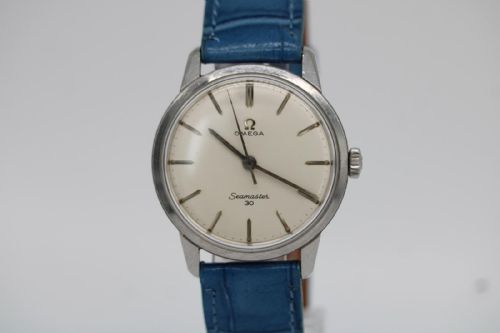
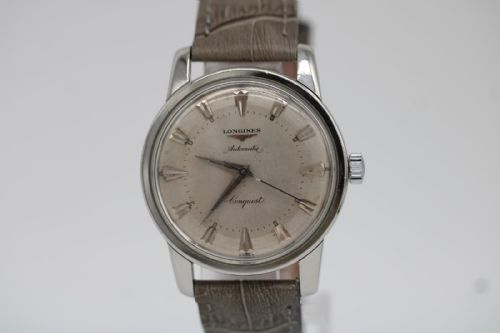
A 35mm vintage watch represents a mid-century standard for dress and utility wristwatches, originating primarily from the decades between the nineteen-forties and nineteen-sixties. When searching for this specific diameter, collectors target pieces that sit comfortably on the wrist with balanced proportions.
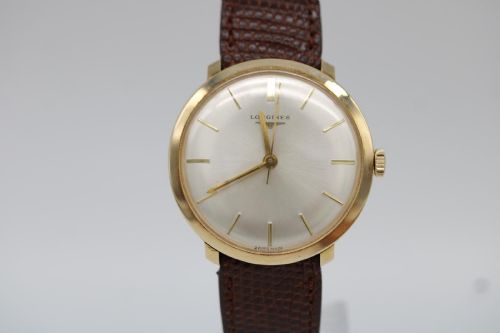
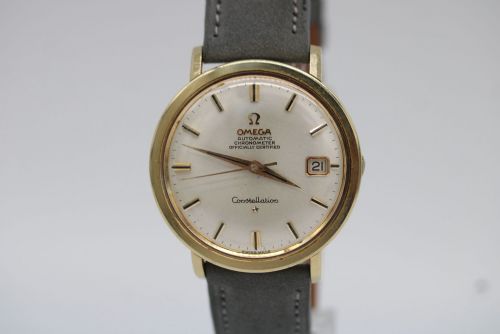
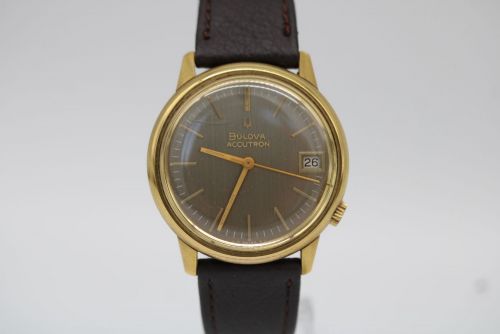
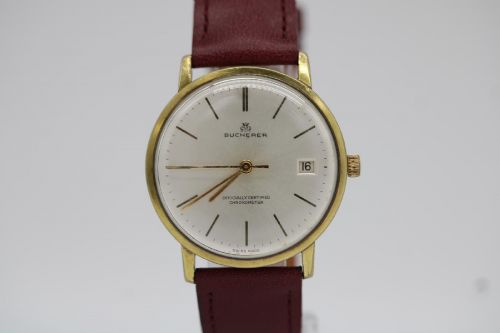
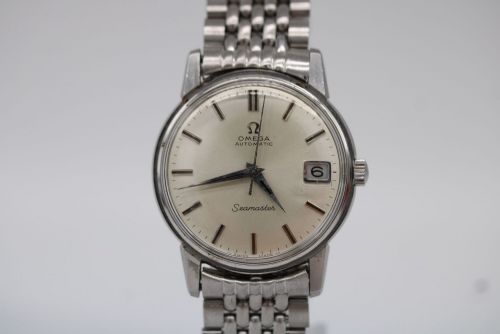
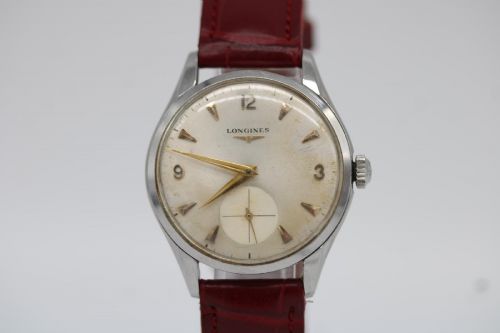
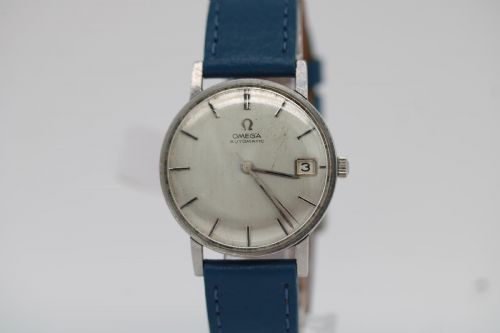
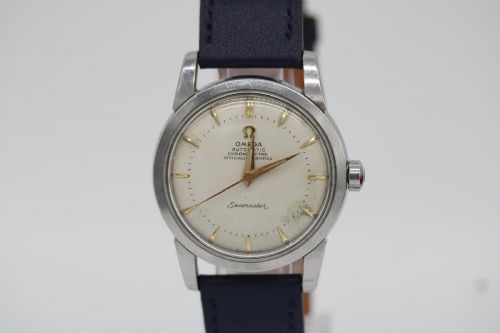
The pieces appearing on this page span styles from mid-century modern dress designs to military issue tool watches. Famous Swiss makers such as Omega, Longines, and Bulova dominate the offerings, usually presented in stainless steel or gold-plated cases.
Most examples rely on reliable manual wind or automatic mechanical movements, often featuring acrylic glass crystals. Buyers encounter everything from simple three-hand dials to complex chronographs and day-date complications.
How they were made
Watchmakers constructed these cases using durable stainless steel or by applying gold plating over base metals to achieve a polished finish. Acrylic and acrylic glass crystals were fitted over the dials to provide lightweight clarity and durability.
Movements were meticulously assembled from metal gears, springs, and escapements, powered either by manual winding or automatic rotor mechanisms. Leather straps completed the construction, securing the watch to the wrist with traditional pin buckles.
Some vintage watches carry mysterious military engraving codes that hint at decades of clandestine desk work.
What varies in quality
The calibre of the internal mechanical movement dictates much of the value, with precision chronometer-grade movements sitting at the upper end of the scale. Originality of components, including signed crowns and dials untouched by aggressive restoration, elevates an example significantly.
Case preservation also determines quality, as sharp, unpolished edges on steel or heavy retention of gold plating indicate careful ownership over the decades. The presence of documented servicing ensures the mechanical integrity matches the external presentation.
Omega·Bulova Accutron·Bucherer·Longines·IWC·Buren
The 35mm Vintage Watch Glossary
- Calibre
- The specific manufacturer's designation for a particular watch movement model. This number allows collectors to identify the exact mechanical architecture powering the watch.
- Manual wind
- A mechanical movement that requires the wearer to manually turn the crown to tension the mainspring. These watches lack an automatic rotor.
- Automatic
- A self-winding mechanical movement that uses a weighted metal rotor to wind the mainspring using the natural motion of the wearer's wrist.
- Acrylic glass
- A transparent plastic material used for watch crystals instead of modern synthetic sapphire. It can be easily polished to remove minor scratches.
- Patina
- The natural ageing of the dial, hands, or case metal over time. Collectors often prize uniform discoloration or warmth for its authentic character.
35mm Vintage Watch: Frequently Asked Questions
Are 35mm watches too small for daily wear?
A thirty-five millimetre diameter was considered a standard men's size for decades, offering a discreet and comfortable fit on most wrists. These proportions make them exceptionally versatile for pairing with formal attire or casual outfits.
Today, this size is appreciated by both men and women seeking a classic mid-century aesthetic that avoids the bulk of modern timepieces. The balanced case design ensures it slips easily under a shirt cuff.
How do I know if the watch movement is original?
Examining the specific calibre number stamped on the movement and comparing it against manufacturer production records helps verify authenticity. The movement signature and serial numbers should correspond correctly with the era of the outer case.
Consulting detailed movement photographs or having a specialist inspect the internal components provides definitive confirmation. Original parts maintain the historical integrity and long-term interest of the piece.
Can I wear my vintage watch near water?
Most mid-century watches lack modern waterproof sealing gaskets and screw-down crowns, making them vulnerable to moisture ingress. Even pieces designated as military or waterproof in period should be kept away from swimming and heavy rain.
Condensation can quickly damage delicate steel components and ruin vintage dials from the inside. It is best to treat these mechanical items as strictly non-water-resistant unless specifically tested and certified by a watchmaker.
What is the difference between military and dress models?
Military issue watches, such as those produced for specific armed forces, prioritise high-contrast legible dials, robust stainless steel cases, and durable manual wind movements. They feature government markings on the case back to denote official service.
Dress models focus on refined aesthetics, often utilising gold-plated cases, silver dials, and automatic calibres designed for elegance rather than rugged field conditions. Both share similar case diameters but serve entirely different historical purposes.