
Omega Mechanical Wristwatch
An omega mechanical wristwatch brings mid-century precision engineering to the wrist, offering lasting mechanical heritage.
Omega Mechanical Wristwatch
An omega mechanical wristwatch is a portable timekeeping device driven by a mainspring rather than a battery, spanning decades of horological development.
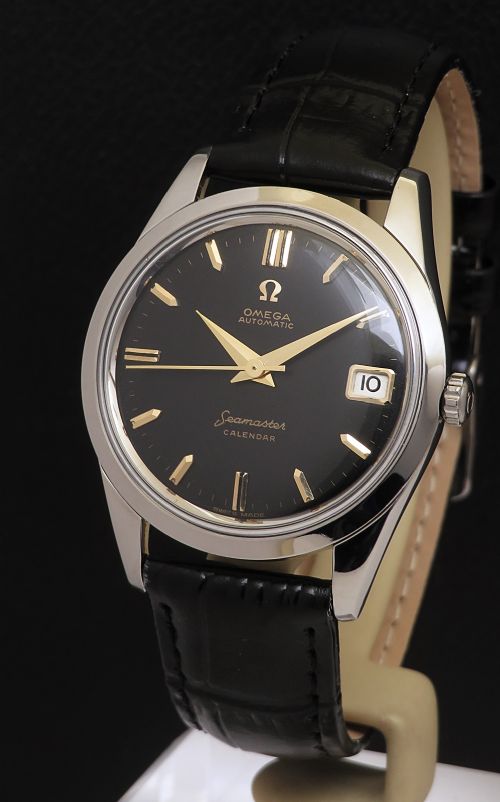
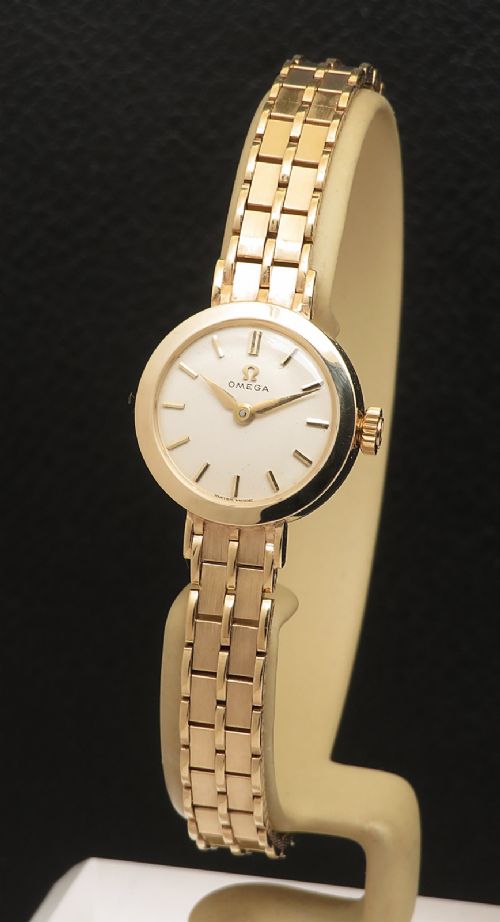
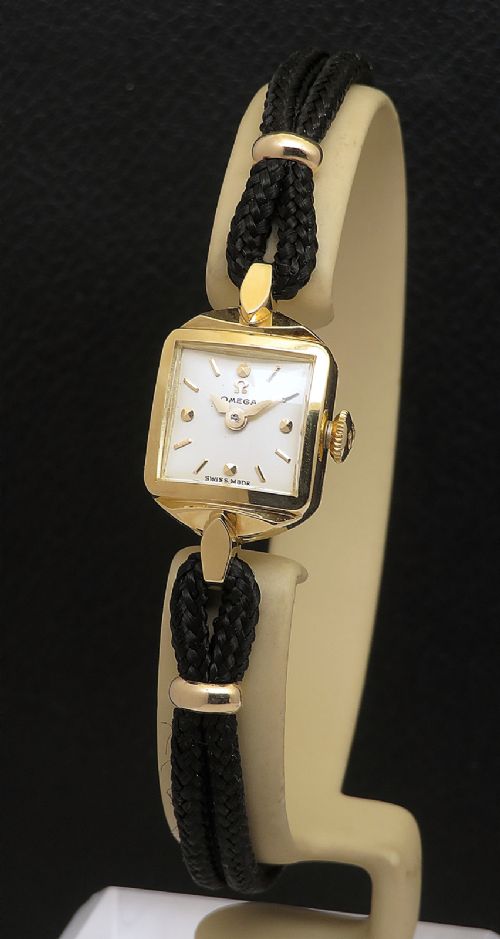
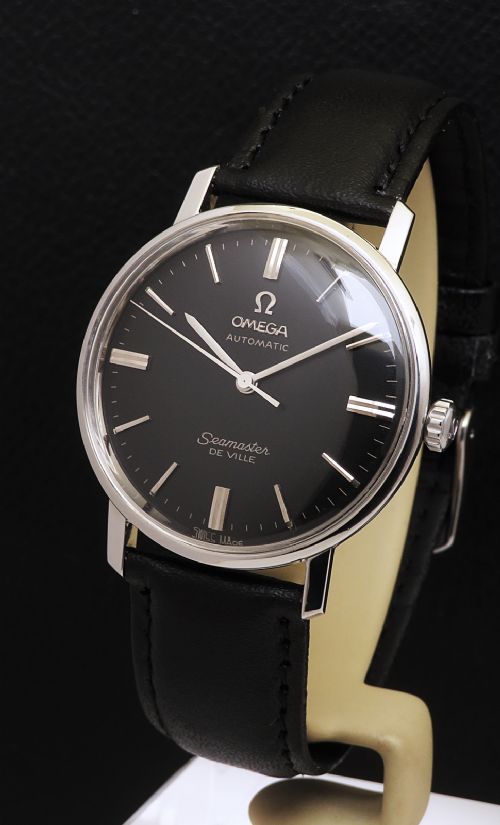
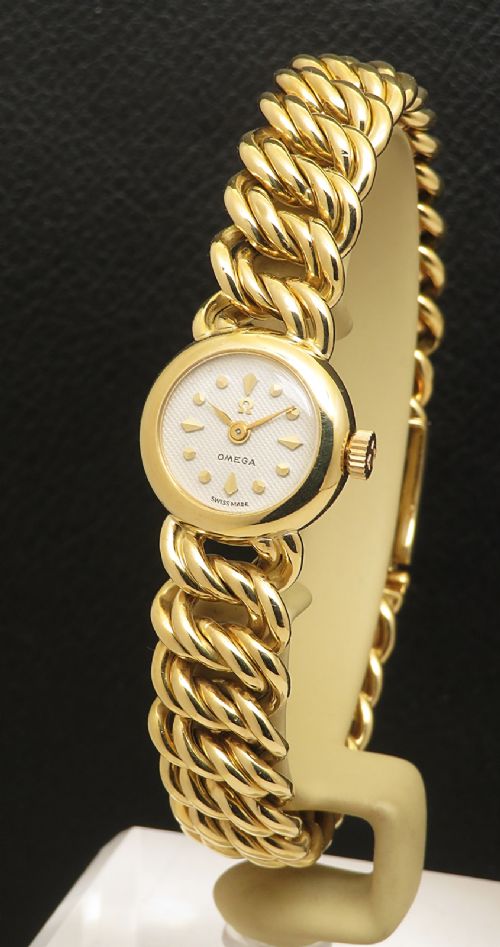
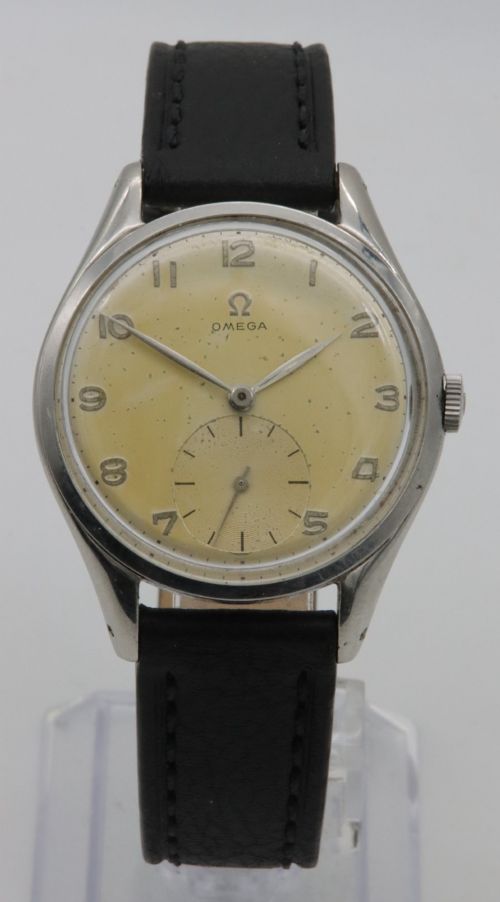
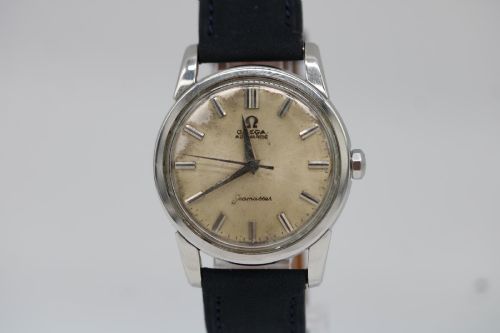
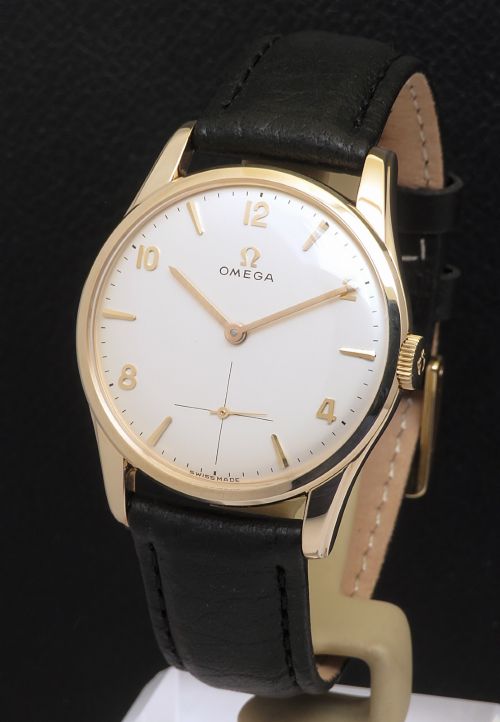
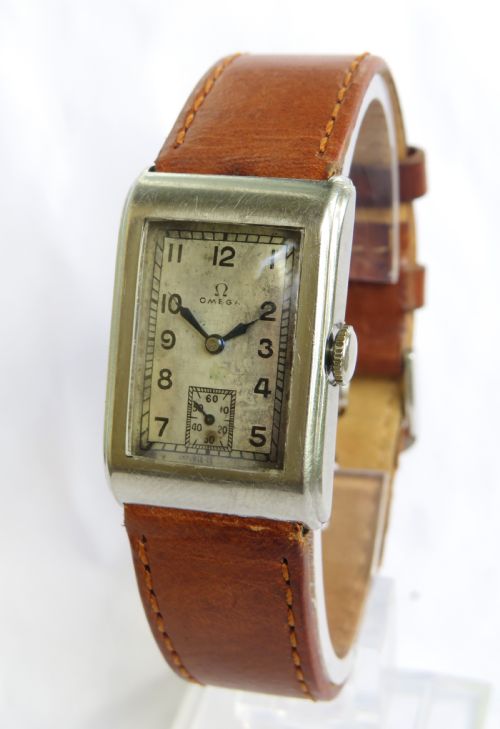
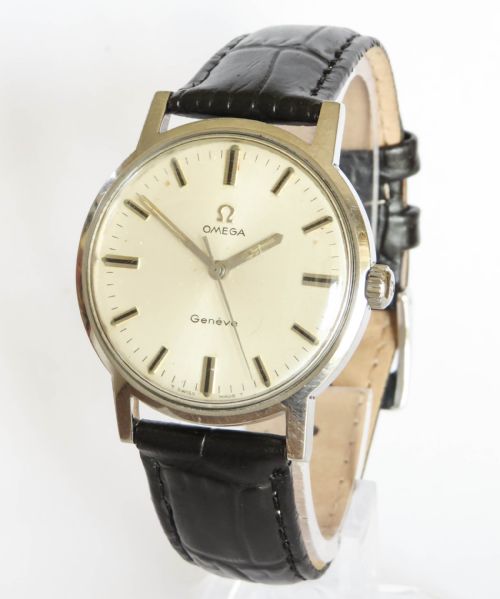
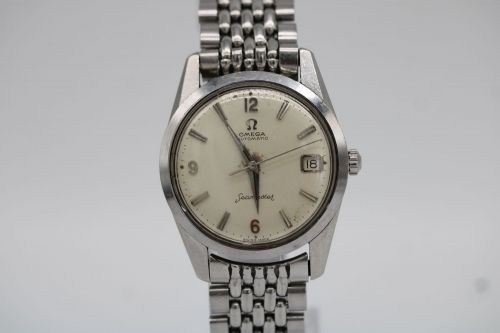
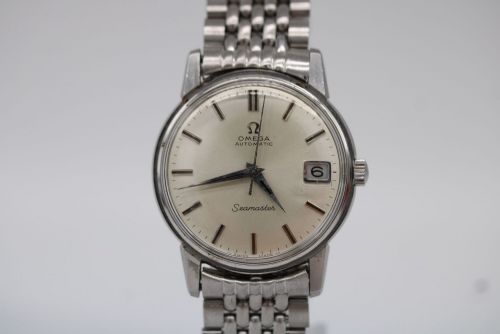
The selections available range from sturdy military issue models of the nineteen-forties to refined gold dress pieces and robust Seamaster diving variants.
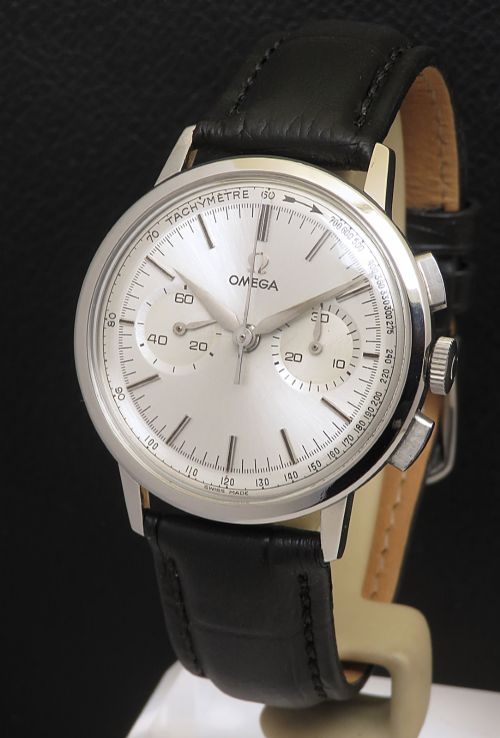
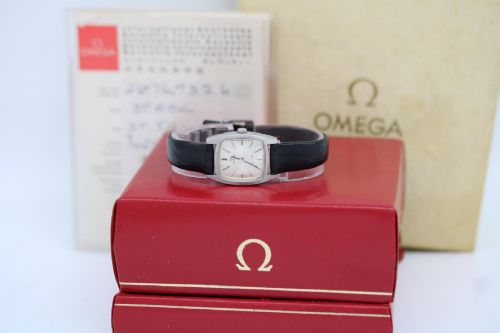
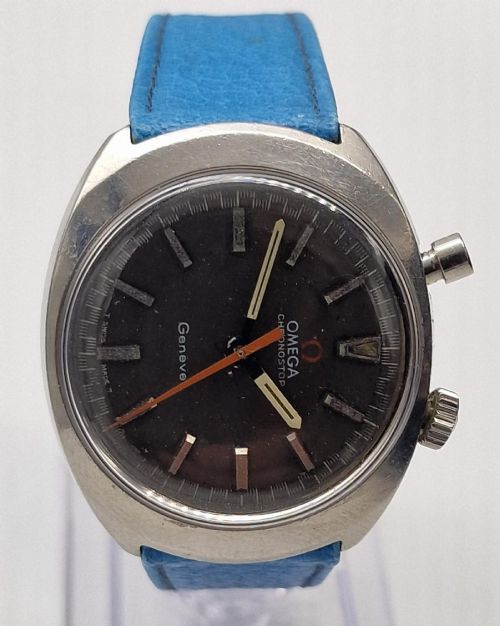
Buyers frequently encounter mid-century examples produced across the nineteen-fifties and nineteen-sixties, reflecting the brand's expansive industrial output during those eras.
Materials and Construction
Cases utilise durable stainless steel or precious metals such as nine-carat and eighteen-carat gold, paired with protective acrylic glass over the dial.
Internal movements rely on intricate brass gear trains and jewelled bearings, wound manually via the crown or powered automatically by an oscillating rotor.
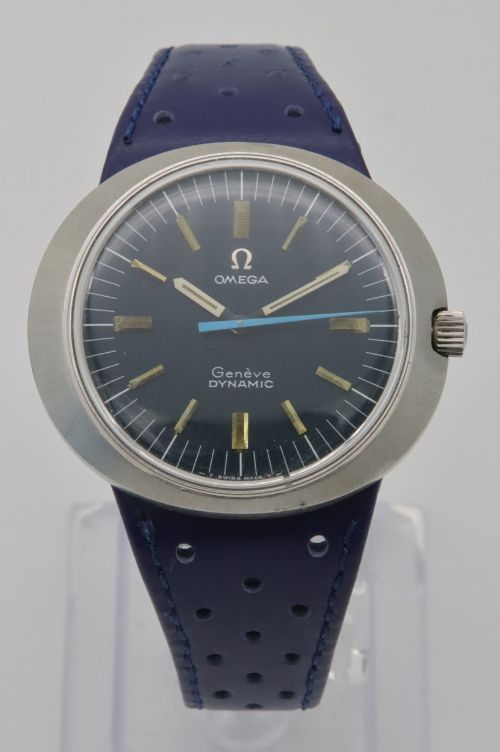
Drivers editions feature rotated dials designed so motorists could read the time effortlessly while keeping both hands firmly on the steering wheel.
Assessing Horological Quality
Quality rests upon the original condition of the dial and the preservation of crisp case geometry without over-polished edges.
Mechanical integrity of the internal calibre and the presence of original signed components differentiate standard items from exceptional collectors' examples.
Omega
The Omega Mechanical Wristwatch Glossary
- Calibre
- The specific internal mechanical movement designation given by the manufacturer. This number identifies the precise design and architecture of the gears and escapement.
- Manual Wind
- A movement requiring the wearer to turn the crown periodically to tension the mainspring. This traditional system dispenses with rotors and batteries.
- Bumper Automatic
- An early self-winding mechanical movement where a weighted spring-loaded bumper oscillates back and forth against buffers to power the watch. This kinetic mechanism was common in mid-century designs.
- Chronometer
- A high-precision watch movement that has successfully passed rigorous accuracy tests conducted by an official observatory. These pieces represent superior timekeeping standards.
- Acrylic Glass
- A lightweight, shatter-resistant transparent polymer used for watch crystals before synthetic sapphire became standard. It can be polished easily to remove surface scuffs.
Omega Mechanical Wristwatch: Frequently Asked Questions
How do I wind a manual Omega watch?
Rotate the crown clockwise between your thumb and forefinger until you feel gentle resistance. Stop immediately to avoid over-tensioning the mainspring.
Wind the watch at roughly the same time each day to maintain consistent tension and accurate timekeeping across the gear train.
Are vintage Omega watches waterproof?
Vintage models do not meet modern water-resistance standards due to the degradation of historical gasket materials over time. Even Seamaster models from past decades should be kept away from water.
Avoid swimming or showering with a vintage piece, and consult a watchmaker before exposing the case to moisture.
What is a bumper movement?
A bumper movement is an early automatic winding design where an internal weighted rotor swings back and forth within a limited arc rather than rotating fully. You can feel a gentle tap on your wrist as the weight strikes the internal springs.
This distinct mechanical action characterises mid-century automatic calibres before full-rotor systems became universal.
How often should an Omega be serviced?
Mechanical watches require periodic cleaning and re-lubrication of the internal pivots and jewels every four to six years. Old oils dry out, causing friction that accelerates wear on the gear teeth.
Entrust the movement to a skilled horologist familiar with vintage calibres to preserve the working components.