

Classic Oil Painting Canvas
When you search for a classic oil painting canvas, you encounter centuries of figurative work, landscapes and still life rendered in pigment upon woven fabric.
Classic Oil Painting Canvas
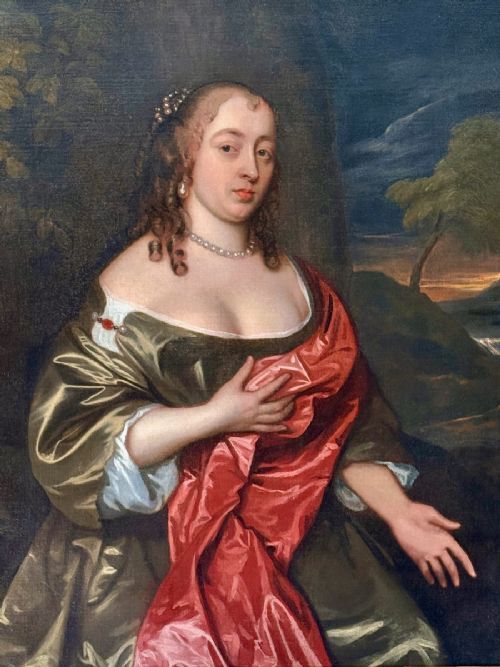
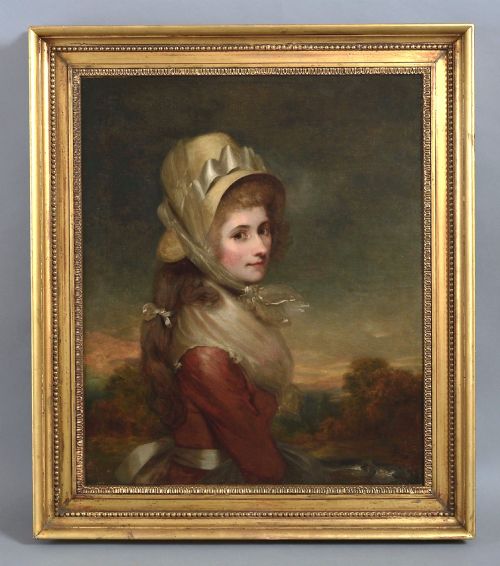
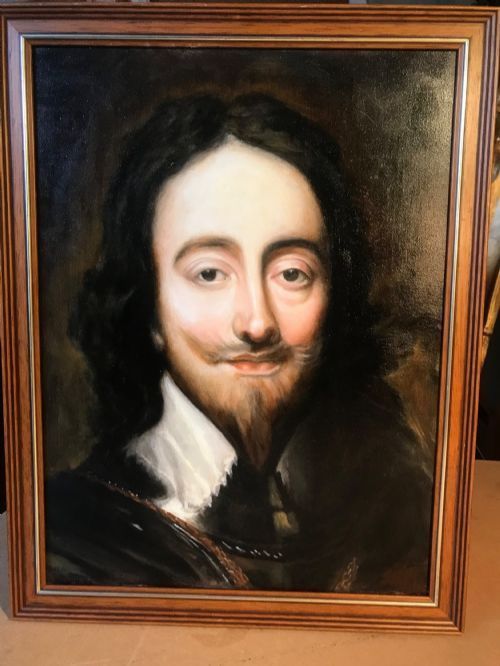
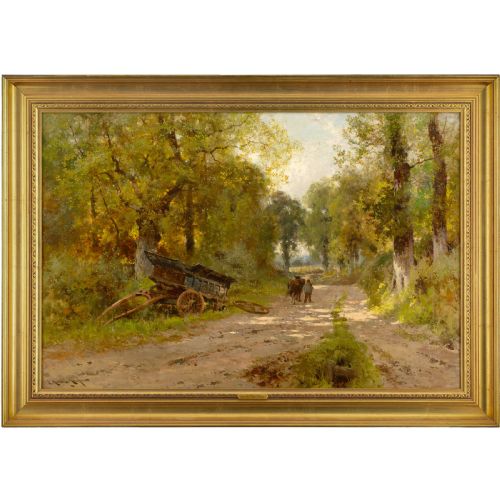
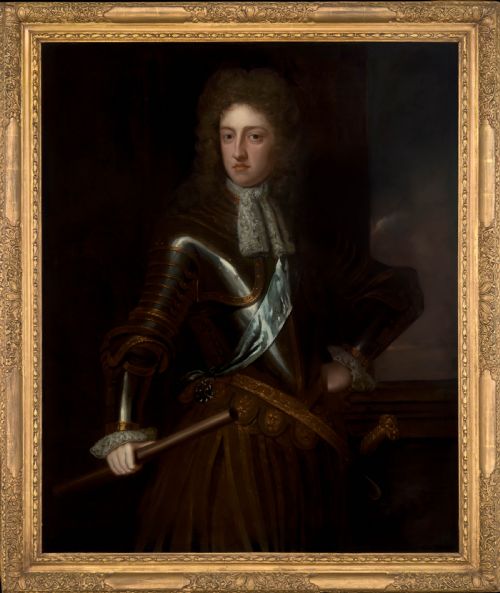
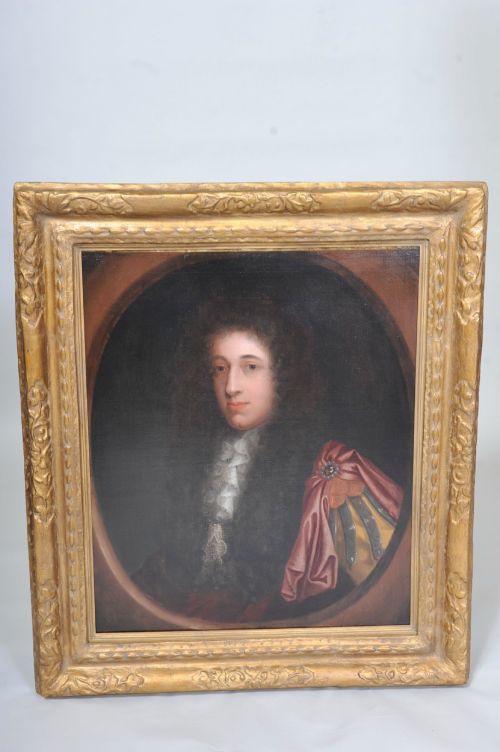
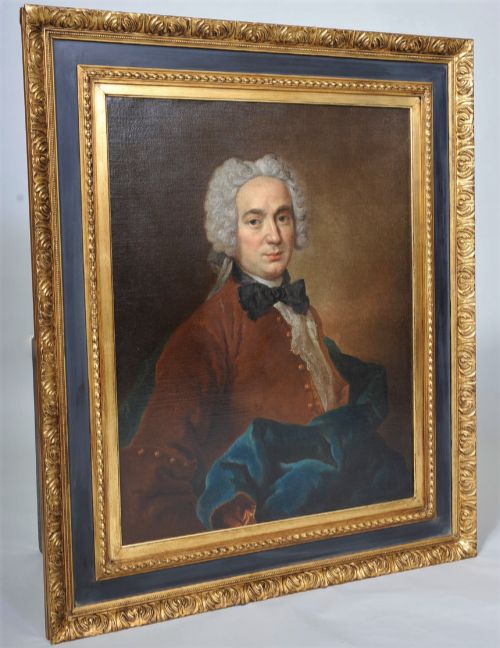
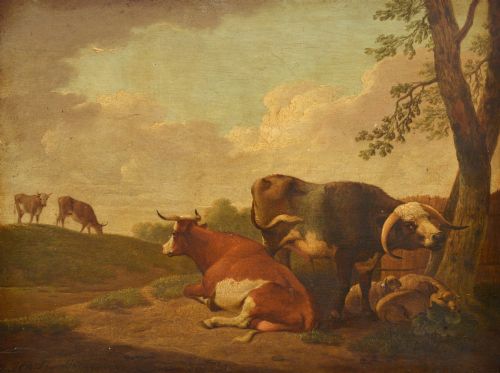
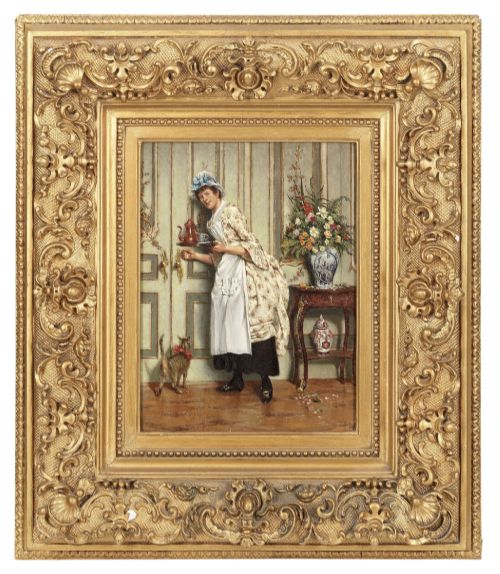
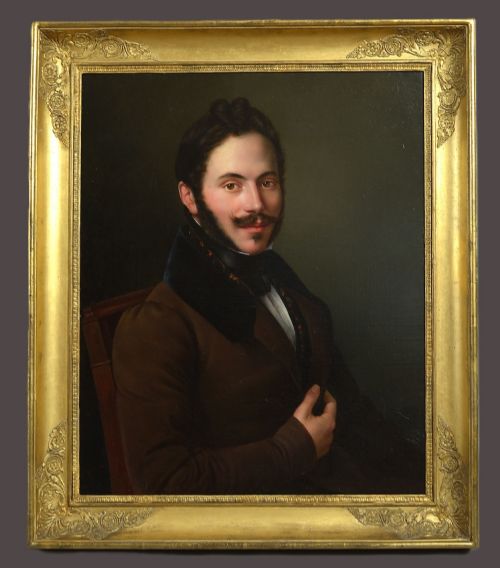
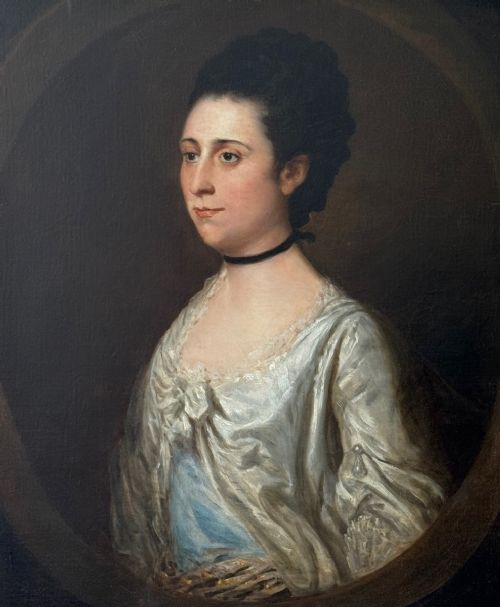
A classic oil painting canvas encompasses works produced across the seventeenth, eighteenth and nineteenth centuries, alongside select later pieces reflecting traditional methods. These pieces span portraits of nobility and gentlemen, pastoral landscapes, domestic interiors and detailed still life arrangements.
The most common examples encountered on this page originate from the Victorian and Georgian eras, frequently housed within period giltwood frames. British and European schools dominate the selections, ranging from grand studio portraiture to modest landscape studies.
Materials and Construction
The physical foundation relies on a woven canvas stretched across a wooden support, primed to receive layers of oil paint. Artists utilised oil paint for its slow drying time and depth of colour, allowing subtle blending and rich tonal gradations.
Surviving works frequently retain their original stretchers and heavy gilt wood or gold leaf frames, which contribute structurally and aesthetically to the presentation of the art.
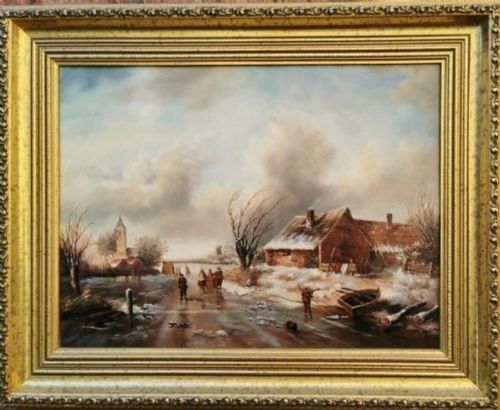
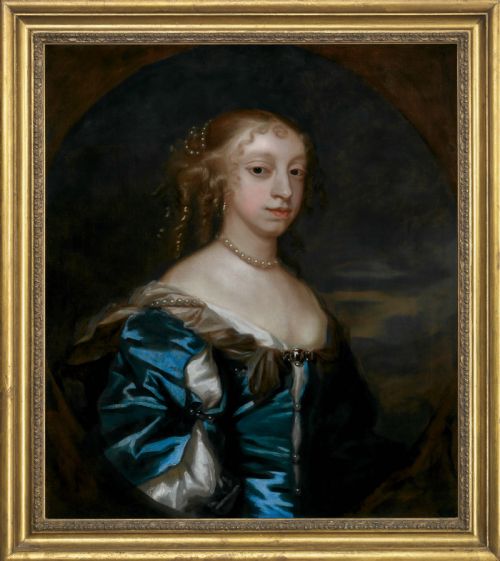
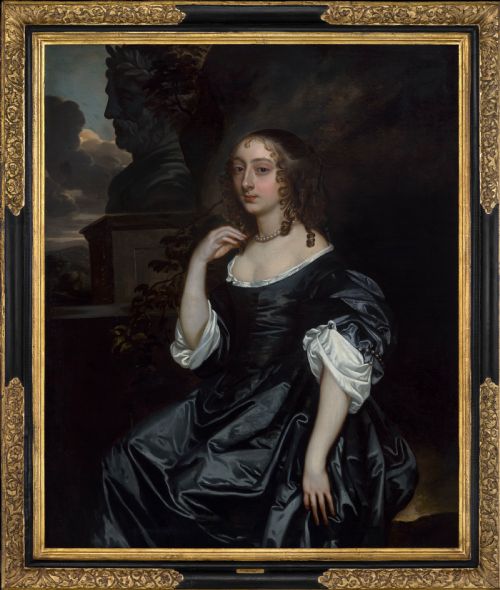
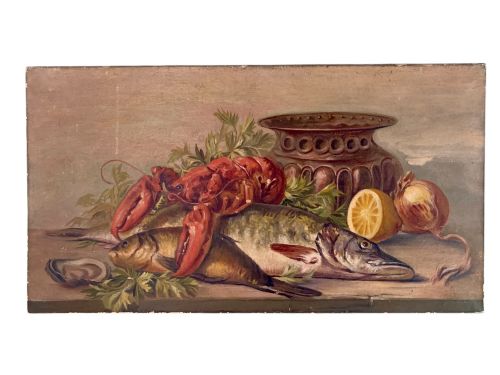
Several centuries of aristocratic stares, sheep and lobsters share wall space across these canvases.
Assessing Quality and Execution
Quality rests upon the dexterity of the brushwork, the proportion and anatomical accuracy of figurative subjects, and the handling of light and shadow across the canvas. Master painters achieved luminosity and depth through layered glazes, whereas lesser works display flat passages and rigid composition.
The preservation of the pigment layer, stability of the woven support, and the integrity of any associated period frame influence the overall standard of a piece.
Sir Martin Archer Shee·Anthony Van Dyck·Sir Godfrey Kneller·Sir Peter Lely·Hendrik Willem Schweickhardt·Thomas Beach·Jean Baptiste Van Loo·Margaret Sarah Carpenter·Edward Ladell·Francis Moltino
The Classic Oil Painting Canvas Glossary
- Canvas
- A heavy woven fabric, typically linen or cotton, used as a support surface for painting. It requires thorough preparation with size and primer before pigment is applied.
- Giltwood
- Wood that has been coated with a thin layer of gold leaf or gilt powder. This finish is characteristic of traditional frames paired with older artworks.
- Oil Paint
- A slow-drying paint made by combining pigments with a drying oil, most commonly linseed oil. This medium allows for rich textures and translucent glazes.
- Provenance
- The documented history of ownership of an artwork, establishing authenticity and past location. A traceable background adds context to historical pieces.
Classic Oil Painting Canvas: Frequently Asked Questions
Where should I hang these paintings?
Select an interior wall away from direct sunlight and high humidity, such as steamy kitchens or damp hallways. Stable room temperatures protect both the woven support and the wooden frame from warping.
Ensure the hanging fixings match the weight of the heavy wooden frame and secure firmly into wall studs.
How do I identify the period?
Examine the style of clothing, hair and setting in figurative pieces, or the dress of sitters in portraits. Construction details of the wooden stretcher and frame nails also offer clues to age.
Written inscriptions on the reverse of the canvas or frame often record past owners or specific dates of creation.
What is an old master?
An old master refers to a European artist of high skill working before the nineteenth century. These paintings carry historical significance and distinct regional techniques.
Works from these periods reflect the prevailing aesthetic values and portraiture conventions of their specific century.