





Classic Marble Statue
A classic marble statue brings carved stone figures into a room, offering tactile presence and historical depth through sculptural forms.
Classic Marble Statue
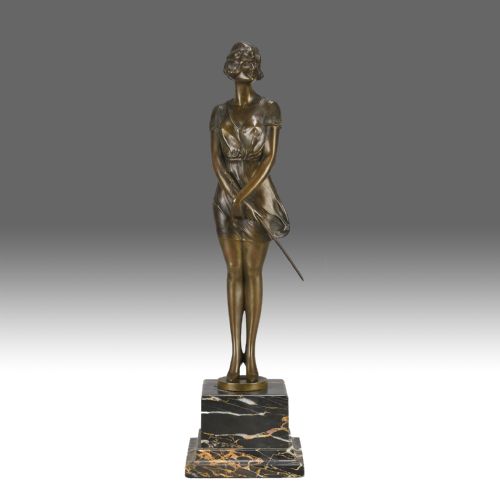
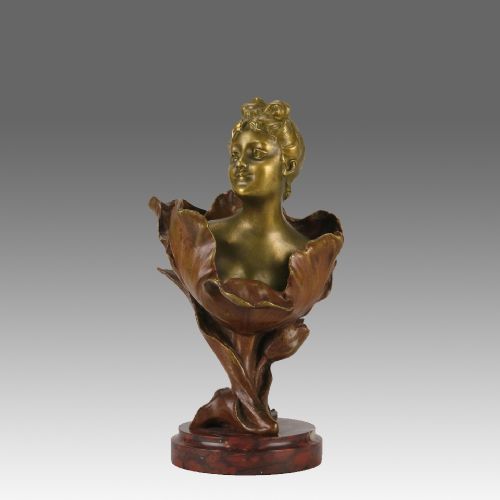
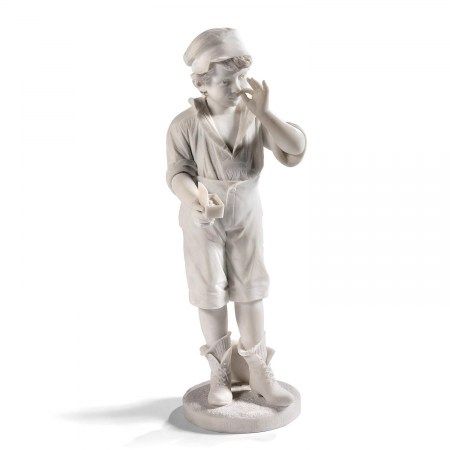
A classic marble statue search reveals carved stone sculptures, portrait busts, and figurative works originating largely from the nineteenth and early twentieth centuries. These objects reflect various stylistic movements including Neoclassical, Art Deco, Italian Realism, and Grand Tour traditions.
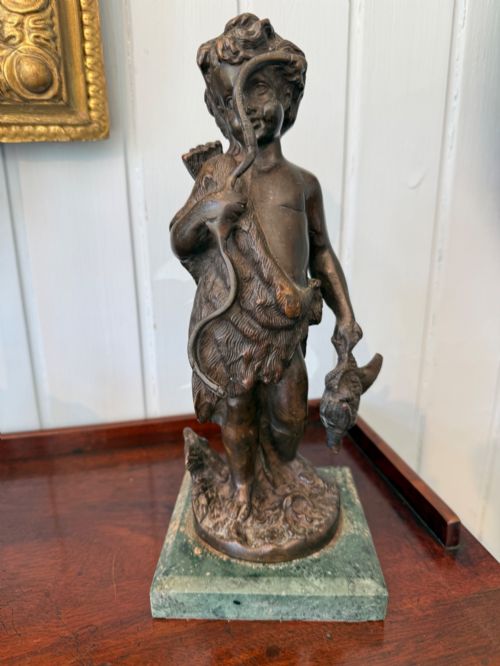
Buyers are most likely to encounter nineteenth century portrait busts and carved marble or alabaster figures mounted on plinths. Many pieces incorporate alternative materials like bronze or patinated metal alongside the primary stone, while some function as table lamps or fountain heads.
Materials and construction methods
Carved marble and alabaster form the primary structural components for these sculptures, often paired with bronze, gilt bronze, or patinated metal details. Artisans shaped these stones using traditional hand-carving techniques to achieve smooth contours and realistic drapery.
Makers mounted finished stone figures onto marble plinths or integrated them with metal castings. Some nineteenth century examples combined carved marble with mixed media elements such as fabric, glass beads, and chrome.
Object types include portrait busts, table lamps, fountain heads, and automotive mascots alongside traditional sculptures.
Evaluating sculptural quality
Quality rests upon the precision of the carving and the natural variation within the stone itself. Sculptures showing subtle facial expressions, fluid drapery, and careful anatomical definition stand apart from simpler productions.
The integration of signed foundry marks or named artists adds distinction to individual works. Material purity in the marble and alabaster, combined with secure mounting on plinths, determines the overall presence of the piece.
Bruno Zach·Henri Godet·Ferdinand Preiss·Louis Lejeune·Ferdinando Vichi·Cipriani
The Classic Marble Statue Glossary
- Grand Tour
- A traditional trip through Europe undertaken by upper-class young men to collect art and antiquities. Pieces from this tradition often replicate classical sculpture.
- Portrait Bust
- A sculpted representation of a person from the chest up. These figures frequently capture historical figures or private gentlemen in marble.
- Alabaster
- A fine-grained translucent stone used for carving statues and portrait busts. It offers a softer texture and greater translucency than standard marble.
- Neoclassical
- An artistic movement drawing inspiration from the classical art and culture of ancient Greece and Rome. Works in this style emphasise severe lines and classical subject matter.
Classic Marble Statue: Frequently Asked Questions
How do I clean marble statues?
Dust the surface regularly with a soft, dry cloth to prevent dirt accumulation. Avoid harsh chemical cleaners that can etch or damage the stone.
For deeper cleaning, consult a specialist conservator rather than using water or soap on antique stone. Gentle maintenance preserves the natural polish and carved details over time.
Where should I place a marble bust?
Position portrait busts on sturdy pedestals, console tables, or mantels where they can be viewed from multiple angles. Ensure the supporting furniture can hold the substantial weight of stone.
Keep pieces away from direct sunlight and sudden temperature shifts to protect the marble and any secondary metal or alabaster elements.
What is the difference between marble and alabaster?
Marble is a metamorphic rock formed from recrystallised carbonate minerals, known for durability and varied veining. Alabaster is a softer, gypsum-based stone with a smoother, more translucent appearance.
Alabaster scratches more easily than marble and allows light to pass slightly beneath the surface. Both materials appear frequently across nineteenth century sculptural works.
Are these statues signed by the artist?
Some sculptures feature carved signatures or foundry stamps on the base or reverse. Signed pieces often connect directly to known European workshops and named artists.
Unsigned works remain common, representing the broader output of nineteenth and early twentieth century studios without individual attribution.