




Classic Gold Wall Mirror
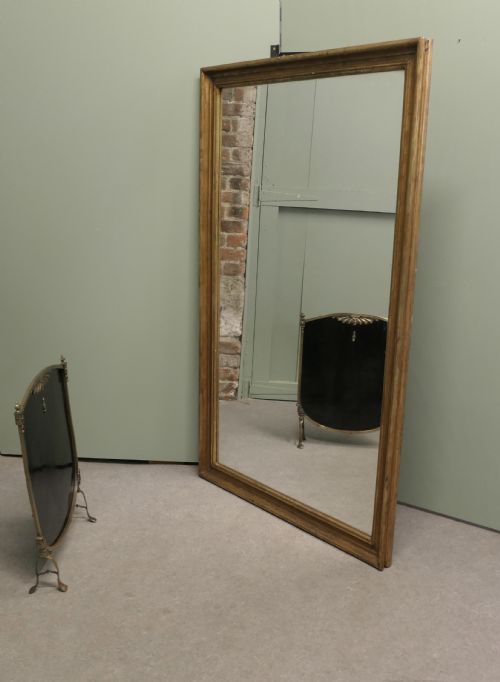
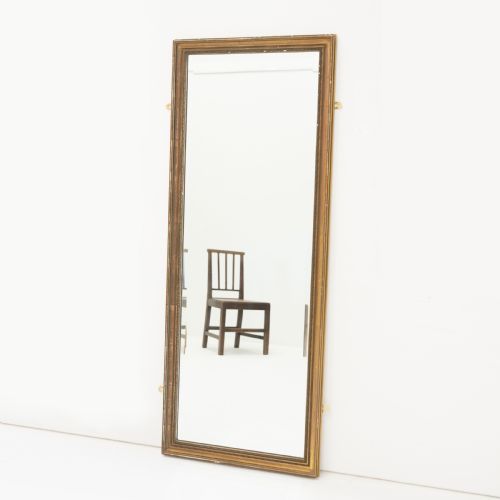
A classic gold wall mirror brings immediate light and scale to a room, drawing the eye with gilt surfaces shaped across the nineteenth century and beyond.
Classic Gold Wall Mirror
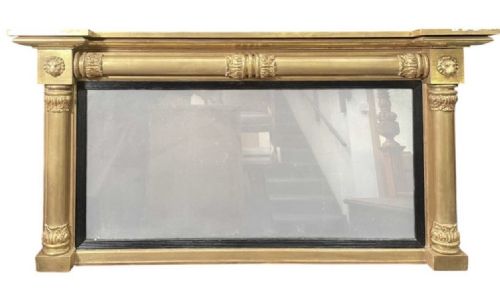
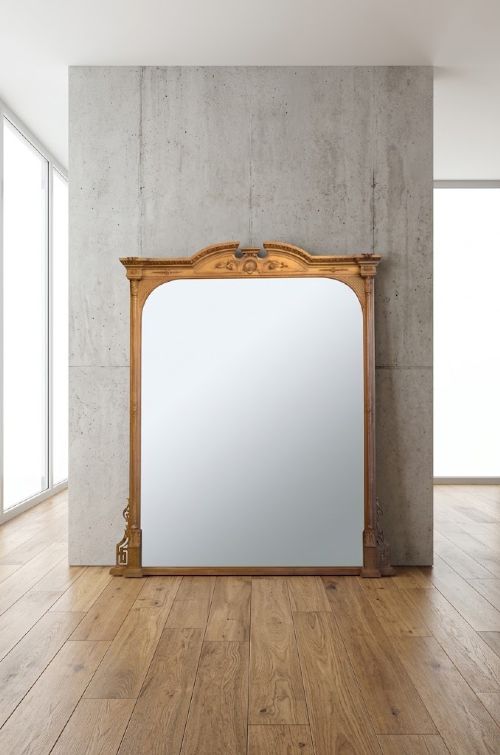
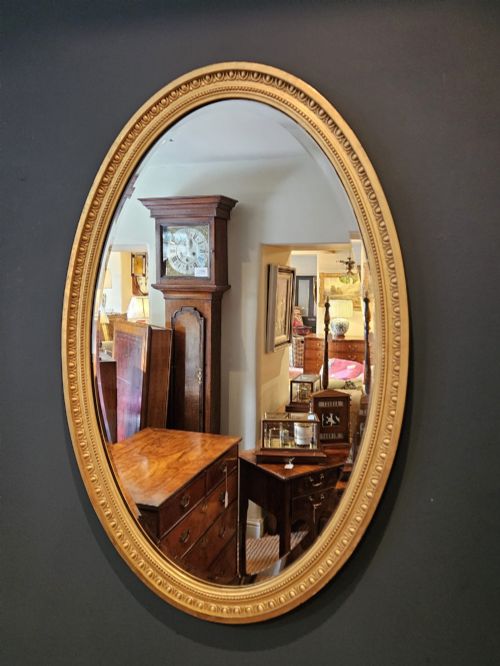
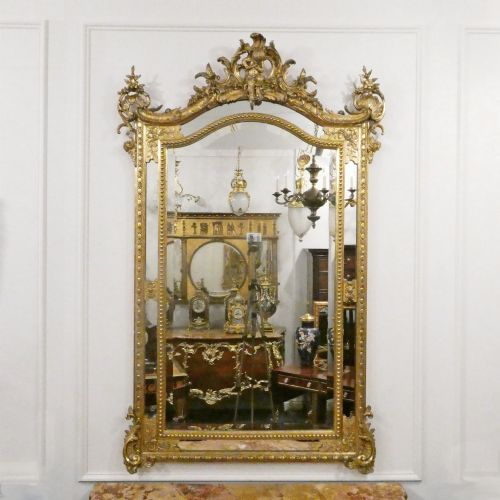
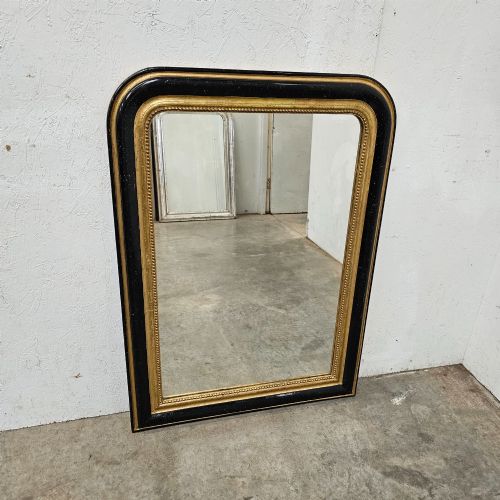
A classic gold wall mirror encompasses overmantles, pier glasses, and oval frames produced across the eighteenth, nineteenth, and early twentieth centuries. These pieces reflect historical taste, ranging from English Georgian and Regency designs to French Louis Philippe and Louis XVI styles.
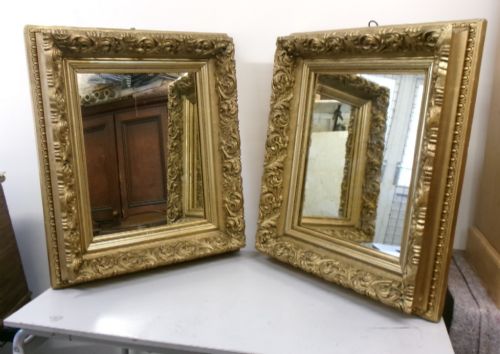
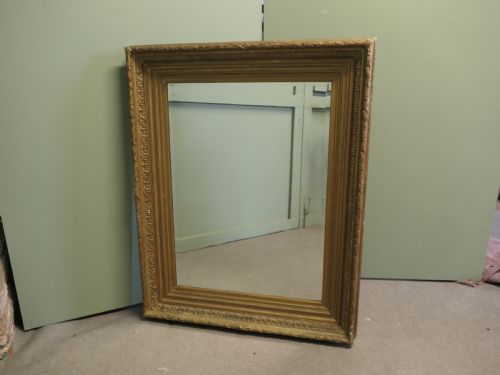
The selections available here rely heavily on nineteenth-century Victorian production, alongside notable Georgian, Edwardian, and early twentieth-century examples. Wall mirrors and large overmantle pieces dominate the forms, frequently utilising giltwood, gesso, and composition materials.
How they were made
Maker construction combines carved wood or moulded composition over a wooden substrate, finished with layers of gesso. Gilt surfaces are achieved through the application of gold leaf or parcel gilt techniques.
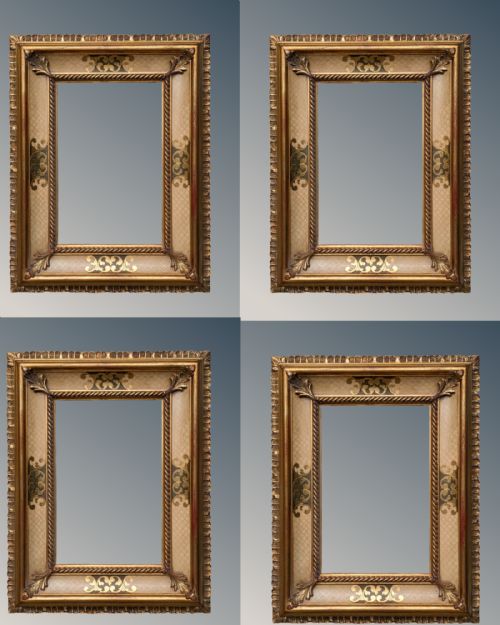
Frames rely on traditional joinery methods suited to heavy glass plates. Plaster and composition enrichments provide the crisp decorative detail seen on Victorian and French revival styles.
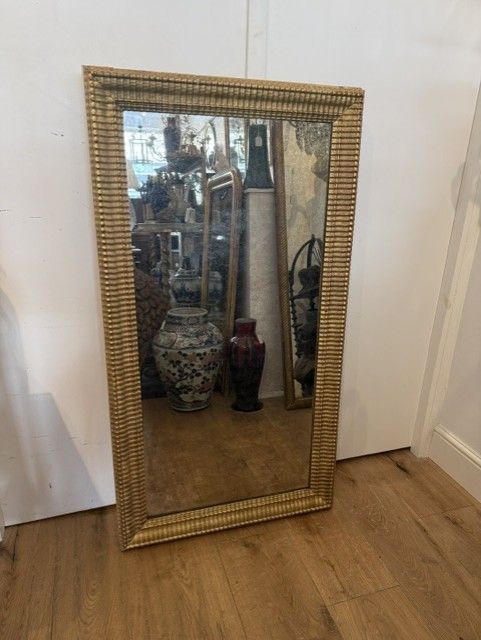
Ripple frames catch the daylight differently every hour, turning a simple wall into a slow-moving dial of gold.
What varies in quality
Quality rests in the crispness of the carved wood or moulded gesso ornament and the depth of the gilding. Hand-carved giltwood stands apart from moulded composition by retaining sharper relief and finer detail.
The original integrity of the mirror glass and the stability of the primary wood frame dictate the grade of the piece. Superior examples maintain harmonious proportions and untouched period surfaces.
The Classic Gold Wall Mirror Glossary
- Giltwood
- Wood that has been prepared and coated with gold leaf. This material forms the primary structure of finer antique mirror frames.
- Gesso
- A plaster mixture applied to wood frames to create a smooth surface for gilding or moulding. It allows for intricate relief ornamentation.
- Overmantle
- A large mirror designed to hang above a fireplace mantel. These pieces frequently feature architectural framing or decorative crestings.
- Pier glass
- A tall mirror designed to hang on the wall space between windows. They often match console tables positioned below.
- Composition
- A moulded mixture of whiting, resin, and oil pressed into ornaments. It provides decorative relief details on nineteenth-century frames.
Classic Gold Wall Mirror: Frequently Asked Questions
What is the difference between giltwood and gesso?
Giltwood refers to solid timber carved directly and covered in gold leaf. Gesso is a plaster-like ground applied to a wooden base to take moulded ornamentation.
Many antique mirrors combine both materials, using carved wood for structural members and gesso for decorative relief details.
How do I date a gold wall mirror?
Dating relies on examining the frame style, construction materials, and the characteristics of the mirror glass plate. Georgian pieces display different moulding profiles compared to Victorian or Edwardian examples.
Backboards, fixing methods, and signs of wear on the reflective surface provide further clues to the period of manufacture.
Can I clean the antique gilt surface?
Clean antique gilt surfaces gently with a soft dry brush to remove dust. Avoid liquid cleaners, water, or chemical solvents, which strip delicate gold leaf and gesso.
Mirror glass requires careful wiping with a soft cloth and a minimal amount of glass cleaner applied to the cloth rather than the plate.