




Classic French Mirror
A classic french mirror brings light and proportion to a room, offering grand architectural presence through gilded frames and antique glass.
Classic French Mirror
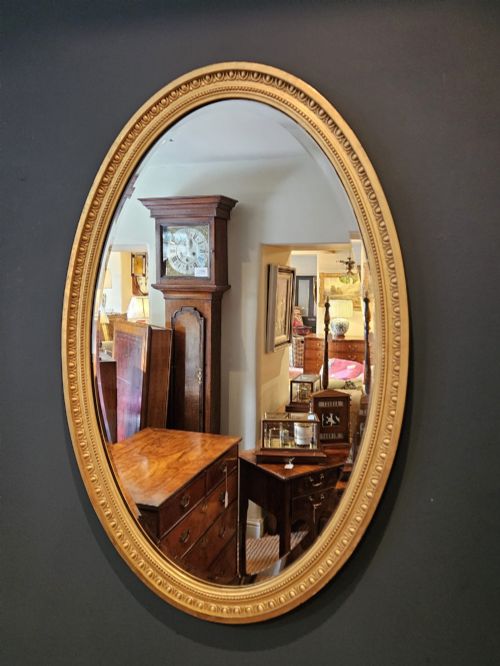
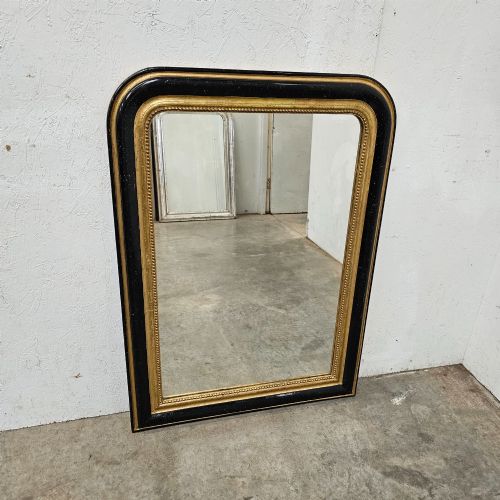
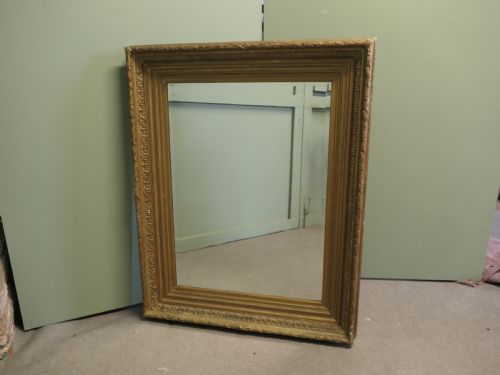
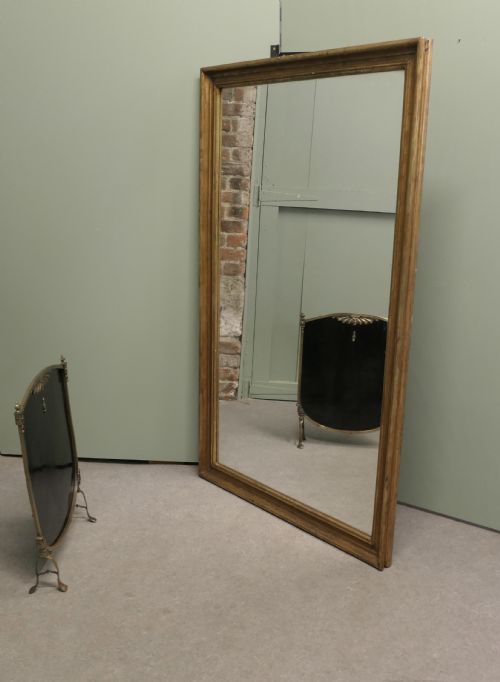
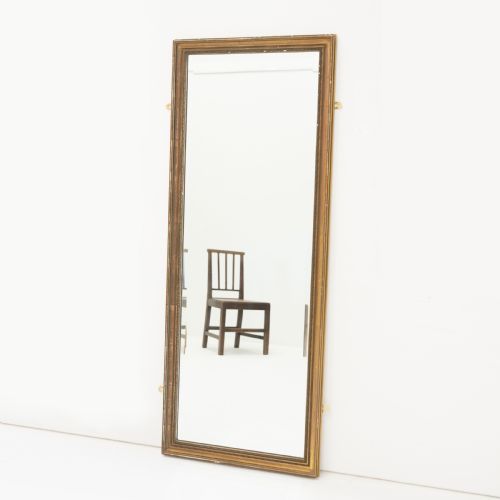
A classic french mirror encompasses large overmantel designs, rectangular wall pieces, and tall cheval frames originating from the nineteenth century and earlier periods. These objects serve to open up interior spaces while reflecting historical decorative styles such as Louis Philippe and Louis XVI.
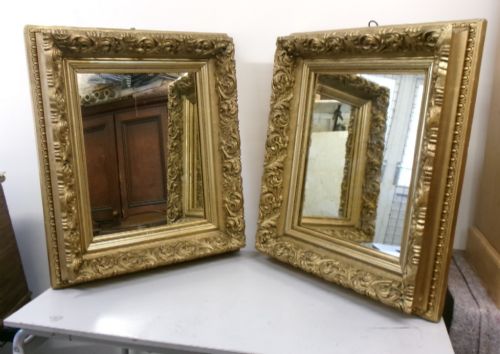
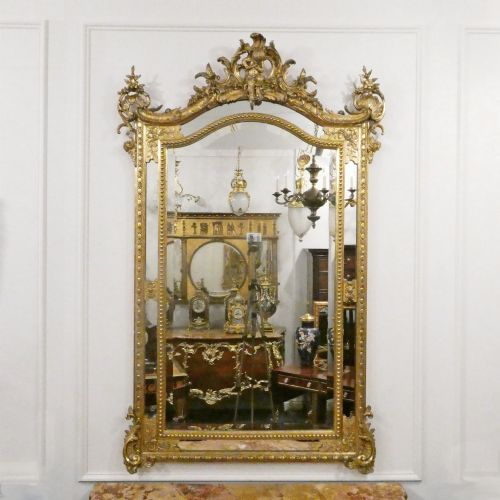
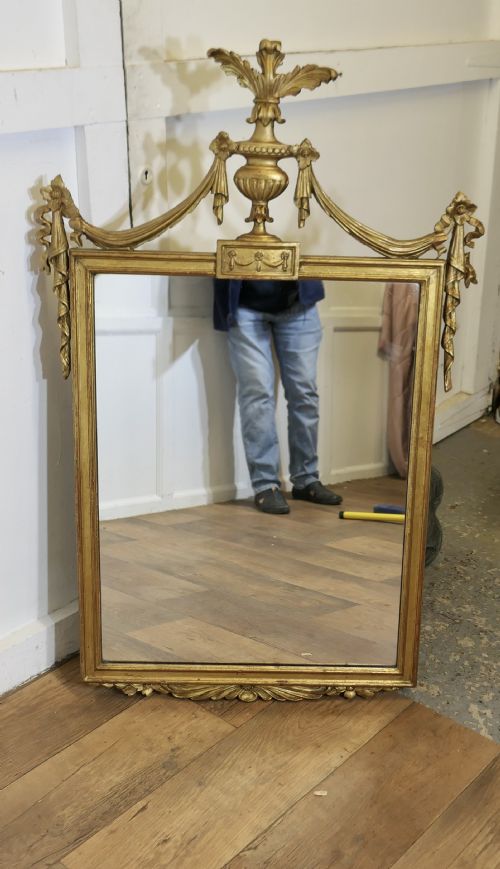
Buyers encounter substantial carved wooden frames finished in gilt, gesso, or paint, often bearing classical motifs like urns and rams' heads. The selection ranges from restrained rectangular profiles to grand arch top overmantels intended to sit above a fireplace.
Originating predominantly from French workshops, these pieces bridge functional utility and decorative wall art. Their enduring appeal lies in the way aged mirror glass interacts with hand-applied gold leaf and painted surfaces.
Materials and Construction Techniques
Traditional construction relies on carved wood, gesso, and composition applied to create intricate relief ornamentation along the frame. Artisans then laid gold leaf or paint over these prepared surfaces to achieve a rich decorative finish.
Mirror glass of the period was set within robust timber frames, often supported by backboards of oak, walnut, or mahogany. Overmantel and pier mirrors required sturdy joinery to bear the weight of heavy glass plates and elaborate crestings.
Distinctions in Quality and Craftsmanship
The standard of carving and the depth of the gesso relief set finer examples apart from simpler production pieces. Crisp execution of classical details indicates skilled handwork by period artisans.
The integrity of the original gilding and the preservation of the mirror glass contribute significantly to an object's integrity. Pieces retaining their original painted finishes and unblemished silvering hold greater historical coherence.
The Classic French Mirror Glossary
- Overmantel mirror
- A large mirror specifically designed to be hung on the wall directly above a fireplace mantelpiece. These pieces often feature wide horizontal proportions and architectural crestings.
- Gesso
- A plaster-like mixture applied to wooden frames to create a smooth surface for gilding or painting. Artisans carved intricate details directly into this layer.
- Giltwood
- Timber that has been coated with a thin layer of gold leaf. This finish provides a luminous and durable surface characteristic of formal decorative mirrors.
- Trumeau mirror
- An antique wall mirror that incorporates an oil painting or decorative panel within the upper section of the frame. These pieces originated in grand European interiors.
- Cheval mirror
- A freestanding full-length mirror mounted on a pivoting frame between four upright posts. This form allows the glass to tilt at various angles.
Classic French Mirror: Frequently Asked Questions
How do I hang a heavy overmantel mirror?
These substantial frames require professional wall fixings secured directly into structural studs or masonry. Weight distribution across multiple brackets ensures the mirror remains stable.
Because many examples utilise thick timber and glass, professional installation safeguards both the wall and the antique frame.
What is a trumeau mirror?
A trumeau mirror combines a looking glass with a decorative painted panel or classical artwork housed in a single integrated frame. They were traditionally positioned between windows or above mantelpieces.
The inclusion of oil paintings depicting pastoral or classical scenes distinguishes them from standard wall mirrors.
How do I clean antique mirror glass?
Maintenance requires a soft, dry microfiber cloth to remove dust without disturbing the aged silvering behind the glass. Moisture should be kept away from the edges where it might seep behind the plate.
Harsh chemical cleaners strip original finishes and damage delicate gesso or gilt surfaces surrounding the glass.
Are these mirrors original to the periods stated?
The inventory includes pieces from the eighteenth, nineteenth, and early twentieth centuries, featuring period construction methods and materials. Original elements such as backboards and glass help confirm the date of manufacture.
Stylistic markers like Louis XVI motifs and hand-applied gold leaf align each piece with its historical era of production.