


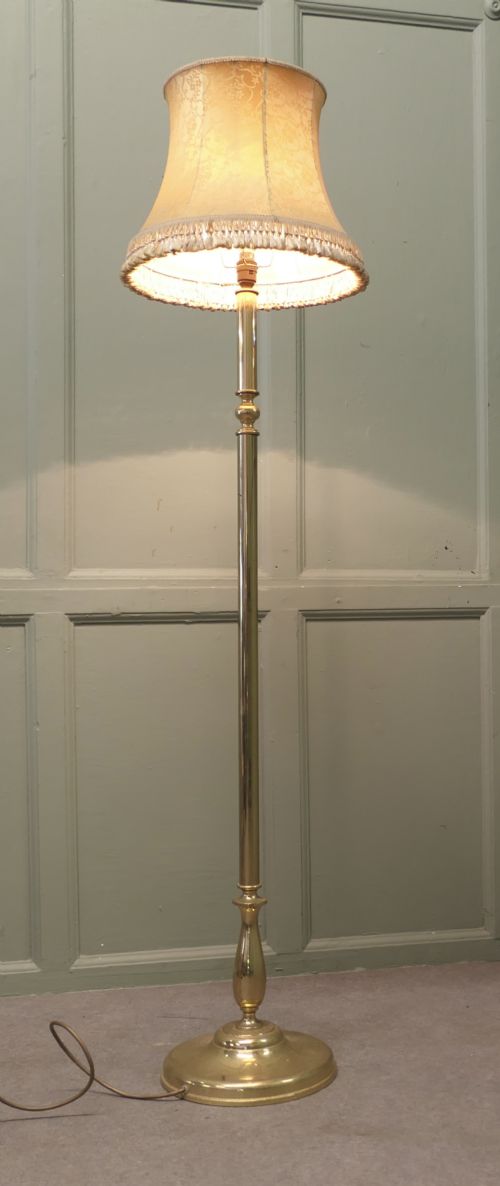


Classic Floor Light
These classic floor light pieces bring period character and height to a room, offering warm illumination through brass, mahogany, and fabric.
Classic Floor Light
A classic floor light stands as a commanding vertical element in a room, combining practical illumination with sculptural presence. When seeking a classic floor light, buyers encounter tall standards designed to cast light from an elevated position beside seating or desks.
The pieces available span from the nineteenth century through the Edwardian era and into the nineteen-fifties, encompassing both floor lamps and standard lamps. Origins range from British workshops to French studios, showing diverse regional interpretations of domestic lighting.
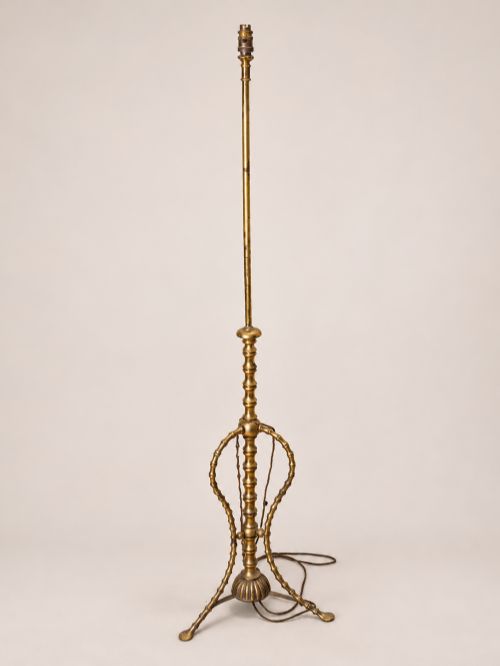
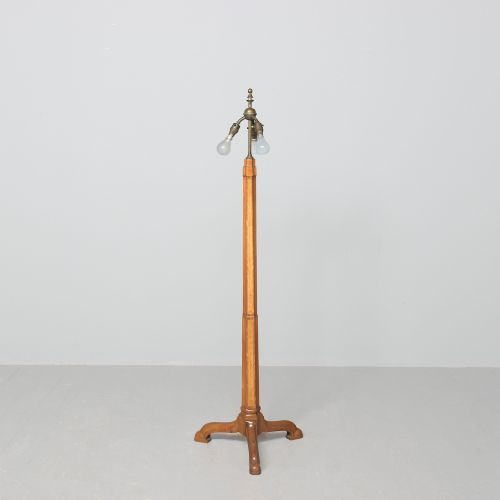
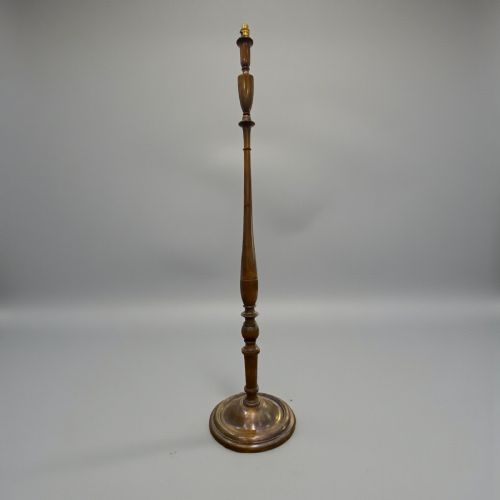
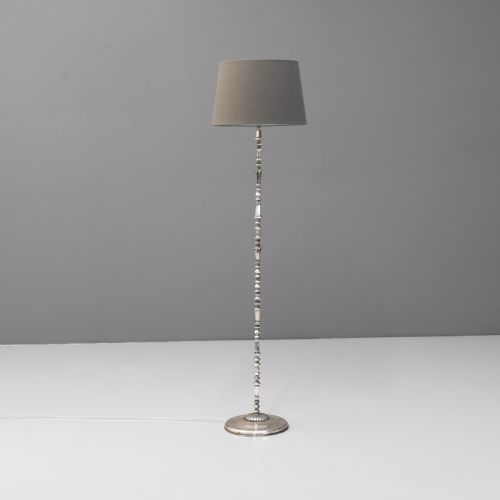
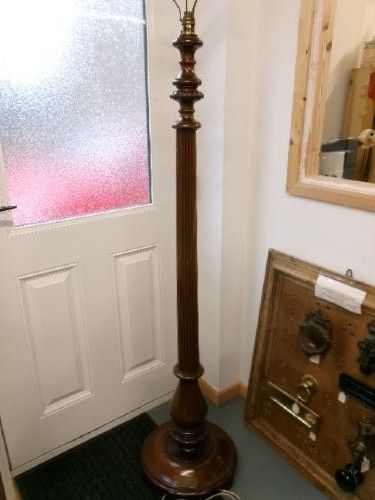
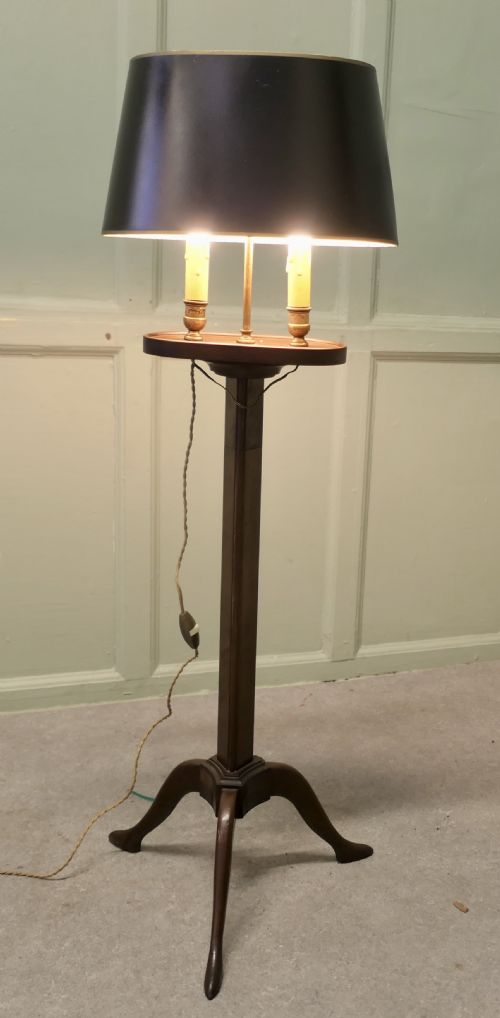
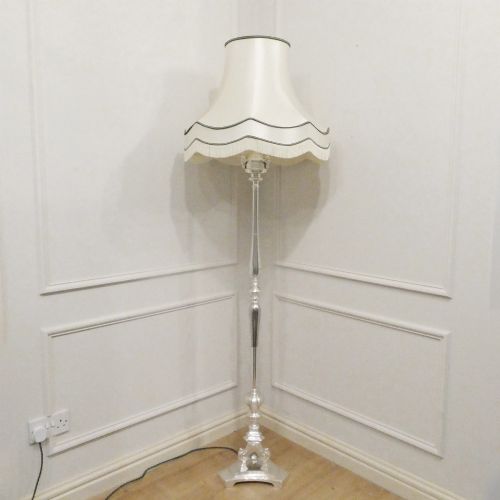
Makers utilised various silhouettes, from slender turned timber shafts to robust telescopic brass columns and tripod bases. This variety ensures that a classic floor light can anchor a formal Victorian interior or soften a mid-century space.
Materials and Construction
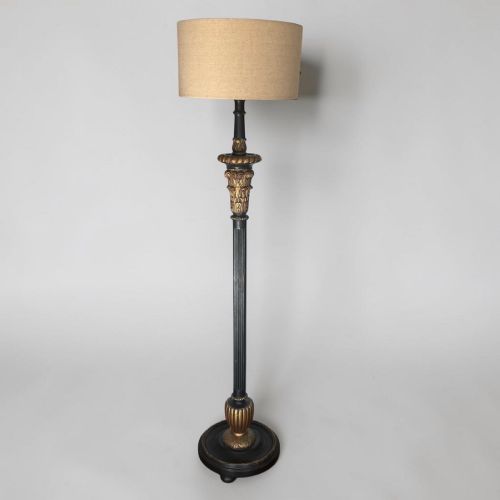
Brass and mahogany dominate the construction, often paired with glass shades, fabric covers, and giltwood embellishments. Metal components frequently incorporate telescopic mechanisms, weighted bases, and adjustable arms for functional versatility.
Timber examples display traditional turning and joinery, occasionally enhanced by inlaid wood or painted finishes. Skilled artisans shaped these materials to balance aesthetic grace with the structural stability required for tall lighting fixtures.
Classic Floor Light Retail Price Guide 2026
Typical asking prices for classic floor light among the pieces listed under this phrase on Sellingantiques today, from the lower quarter to the upper quarter. They describe what is for sale here now, not the wider market.
Some nineteenth-century standards were cleverly adapted from rosewood table supports, giving old furniture a bright new career as reading lights.
Distinctions in Execution
The weight and gauge of the metalwork dictate the stability and perceived substance of a metal standard, separating solid brass castings from lighter plated alternatives. Superior examples employ heavy weighted bases and precise adjustment screws that function smoothly over decades.
In wooden standards, the grade of the timber and the crispness of the turning define the piece, alongside the integration of secondary materials like onyx or specialised glass. Master workshops achieved proportions and detailing that elevate a utilitarian standard lamp into a refined furnishing.
Whytock and Reid of Edinburgh
The Classic Floor Light Glossary
- Standard Lamp
- An alternative term for a floor lamp, historically referring to a tall lamp standard placed on the floor rather than a table. These pieces provide ambient or reading illumination from a fixed vertical position.
- Bouillotte Lamp
- A traditional French lamp style featuring a central light source, often with an adjustable shade and multiple candle-arm attachments. Originally designed for card playing, these pieces offer focused illumination.
- Telescopic
- A construction method allowing the vertical shaft of a lamp to extend or retract for height adjustment. This mechanism utilises internal sliding tubes secured by a thumbscrew.
- Tripod Base
- A three-legged support structure providing stability for tall floor lamps. This configuration appears frequently in arts and crafts styles.
- Giltwood
- Timber coated with a thin layer of gold leaf or gold paint to simulate solid gold. This finish characterises decorative Italian baroque and French revival pieces.
Classic Floor Light: Frequently Asked Questions
What is a standard lamp?
A standard lamp is simply a traditional British term for a tall floor lamp designed to stand independently on the floor.
These pieces typically support a fabric shade and provide ambient or reading light in living spaces.
How do I adjust a telescopic floor lamp?
Telescopic lamps feature a sliding inner shaft secured by a thumbscrew or collar near the top of the column.
Loosening the screw allows you to raise or lower the light source to your preferred height before tightening it again.
Where should I place a floor lamp?
Floor lights work well beside armchairs, sofas, or in dark corners that require vertical height and warm illumination.
Ensure the cord reaches a wall socket safely without creating a trip hazard across walkways.
How do I date an antique floor lamp?
Dating relies on examining the materials, turning styles, wiring methods, and base construction characteristic of specific decades.
Victorian and Edwardian models often show heavier brass castings or distinct timber grains compared to mid-century examples.