

Standing Reading Light
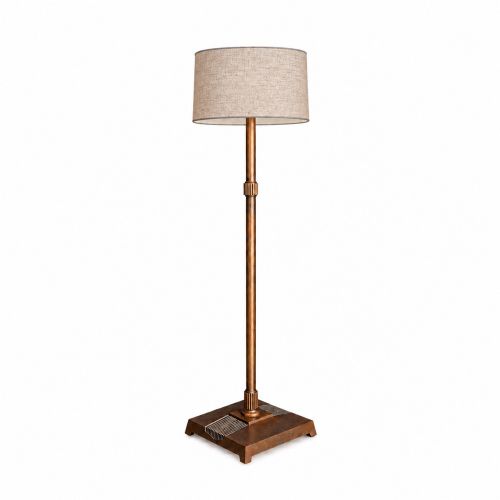
A standing reading light brings direct task illumination to a favoured armchair, combining functional height with period character.
Standing Reading Light
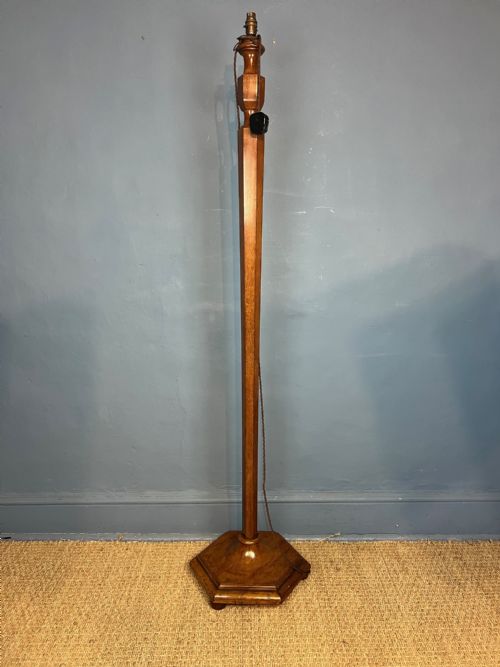
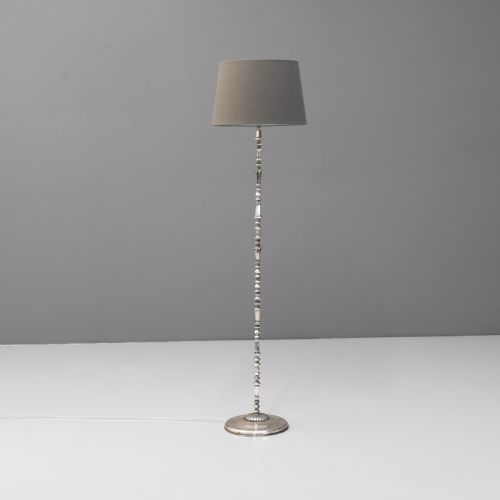
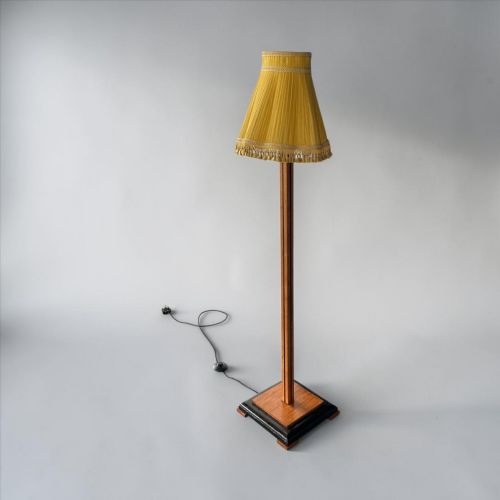
A standing reading light, commonly found as a standard lamp or floor lamp, provides elevated illumination designed for sitting areas and studies. The pieces collected here span the nineteenth century through the interwar decades, showing the evolution of domestic lighting.
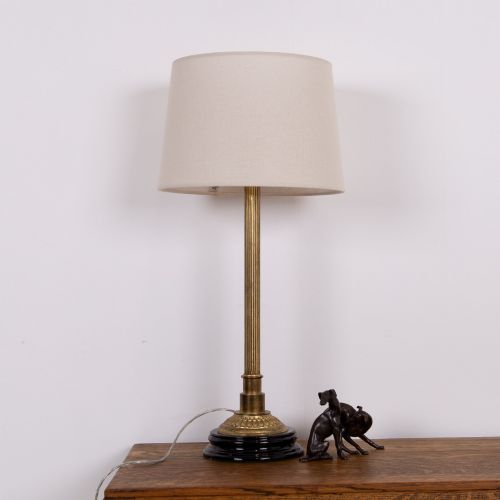
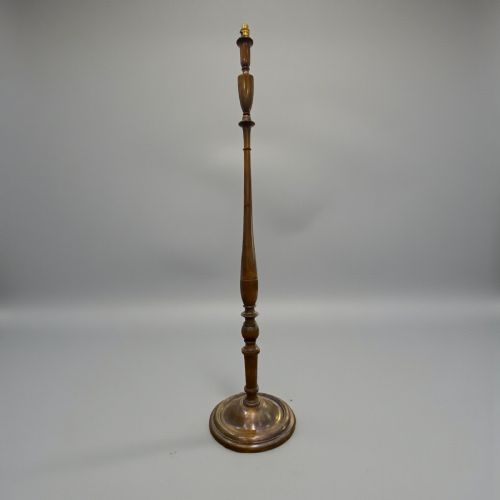
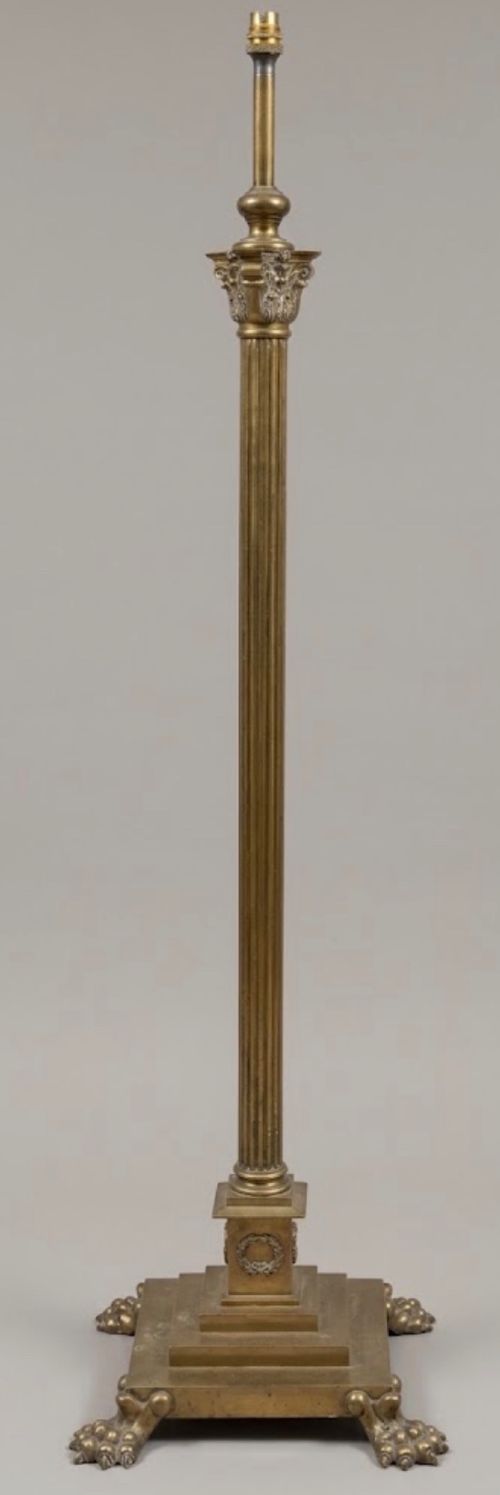
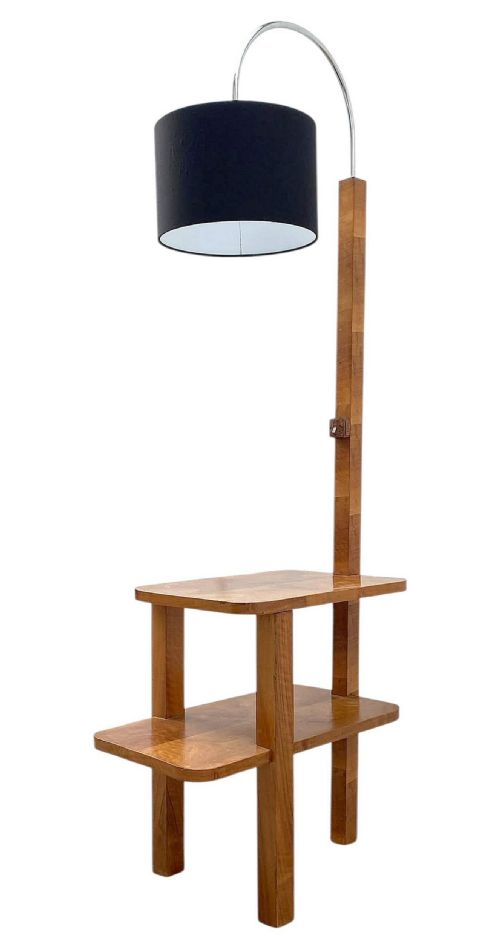
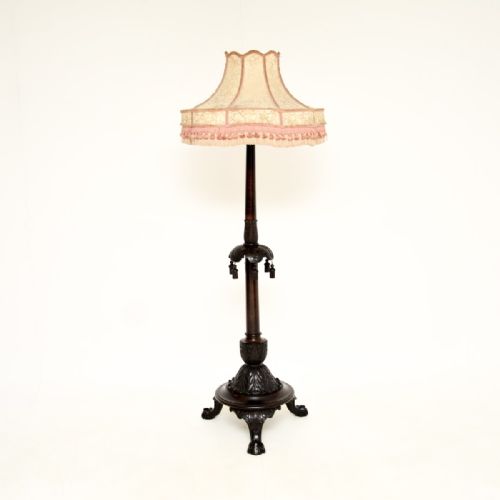
Edwardian and Victorian examples frequently utilise brass or carved mahogany columns, sometimes incorporating adjustable mechanisms for oil reservoirs or early electric bulbs. Later twentieth-century versions introduce walnut, chrome and copper in styles ranging from Art Deco to Arts and Crafts.
Materials and Construction
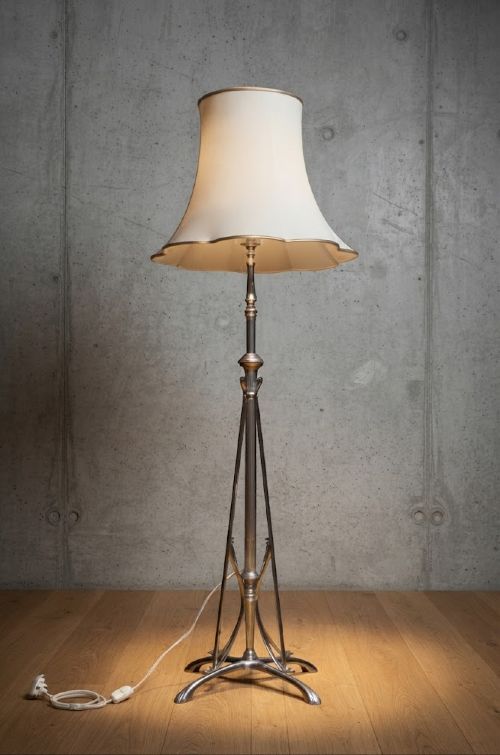
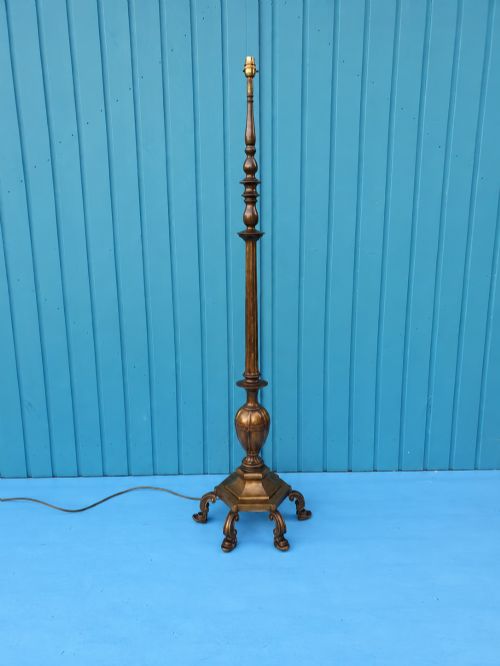
Makers constructed these lamps using durable hardwoods such as mahogany, walnut and oak, often turning them on a lathe to create slender, balanced columns. Metal versions rely on cast brass, copper, wrought iron and chrome, frequently paired with weighted bases to ensure stability.
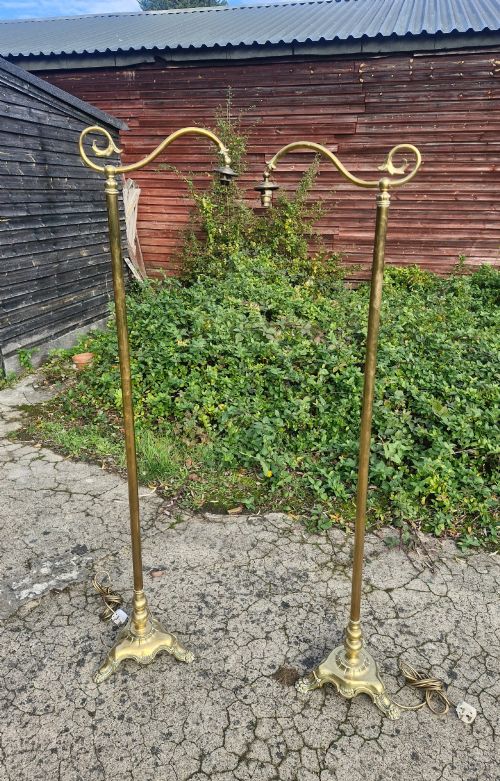
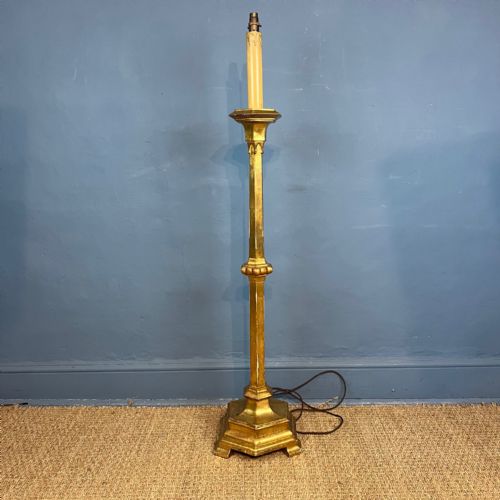
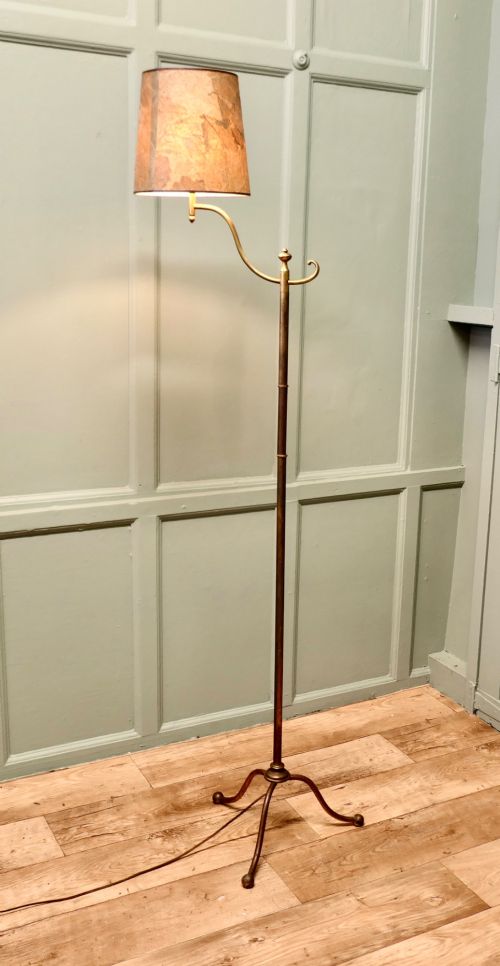
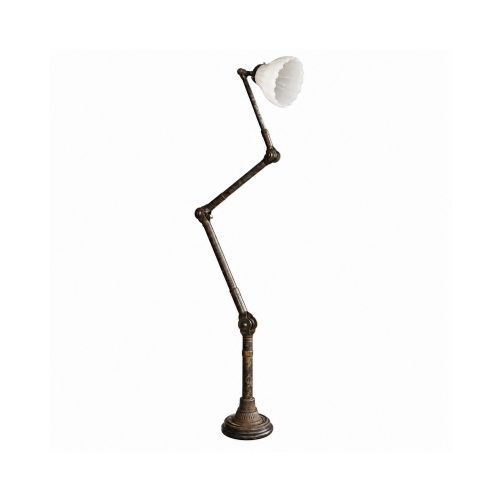
Many specimens incorporate mechanical adjustment systems of brass or steel, allowing the stem or arm to alter in height and angle for targeted reading. Surface finishes range from polished brass and silver plate to painted wood, carved ornamentation and gilt highlights.
Standing Reading Light Retail Price Guide 2026
Typical asking prices for standing reading light among the pieces listed under this phrase on Sellingantiques today, from the lower quarter to the upper quarter. They describe what is for sale here now, not the wider market.
Listings feature standard lamps spanning the nineteenth century through the nineteen-thirties, utilising brass, mahogany, walnut, copper, and chrome.
Assessing Quality
The distinction between ordinary and superior standard lamps lies in the weight of the metal components and the crispness of the turned or carved wood. Well-made versions feature solid cast brass collars, heavy weighted bases and robust internal adjustment screws that hold position securely.
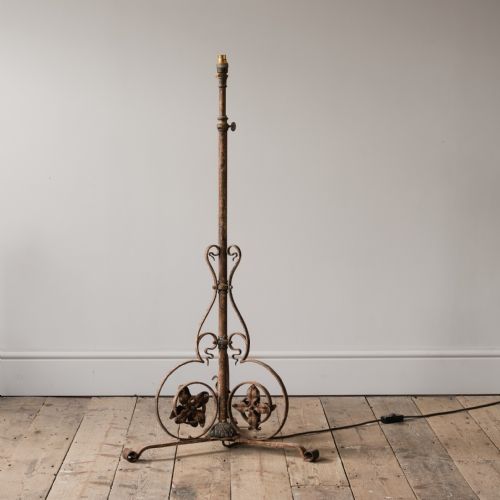
Design integration separates standard production from finer workshop pieces. Superior examples show careful proportioning in the column thickness, refined joint work on tripod bases, and thoughtful execution of decorative details such as Corinthian capitals or wrought iron scrollwork.
Dugdill·Maison Bagues
The Standing Reading Light Glossary
- Standard Lamp
- A tall floor-standing lamp designed to illuminate a room or provide light for reading. These fixtures support a shade and bulb at a height suitable for standing or seated tasks.
- Bouillotte Lamp
- A traditional French table or floor lamp featuring an adjustable shade on a central metal stem. The design originates from eighteenth-century card games played under focused light.
- Corinthian Column
- A classical column style featuring an ornate capital decorated with acanthus leaves. This architectural motif often appears on Victorian and Edwardian brass floor lamps.
- Steamer Lamp
- A specialised reading lamp designed to remain stable and adjustable in restricted spaces. These utilitarian pieces often feature heavy bases and articulated arms.
Standing Reading Light: Frequently Asked Questions
How do I adjust the height on these lamps?
Many period reading lamps feature a sliding telescopic stem secured by a thumbscrew or a weighted mechanical collar. Loosening this mechanism allows the upper section to rise or descend before locking it back into place.
Older brass and iron versions may use internal counterweights or articulated pivoting arms to position the light source without altering the overall height of the main column.
Were these lamps originally electric?
A large proportion of Victorian and Edwardian examples began as oil lamps or gas standards before being converted to electricity later in their operational lives. Brass oil reservoirs and burner assemblies were frequently replaced with bulb holders during twentieth-century updates.
Interwar designs from the nineteen-twenties and nineteen-thirties were typically manufactured specifically for electrical wiring, incorporating switches directly into the metal stem or base.
Where should I place a standing reading light?
These lamps function best positioned beside a deep armchair, sofa or desk where direct illumination is required for books and paperwork. Their height allows the light to cast downward over a shoulder without glaring directly into the eyes.
Models featuring adjustable arms or swivelling stems offer additional versatility for corner placements, directing the beam across different angles of a seating group.
How do I clean antique brass standards?
Unlacquered period brass develops a natural dark patina over decades of handling, which many collectors prefer to preserve rather than polish away. Dusting with a soft, dry cloth is usually sufficient for routine maintenance.
If cleaning is necessary, avoid harsh chemical abrasives that strip the surface detail, using only mild soap and water on a damp cloth followed by thorough drying.