
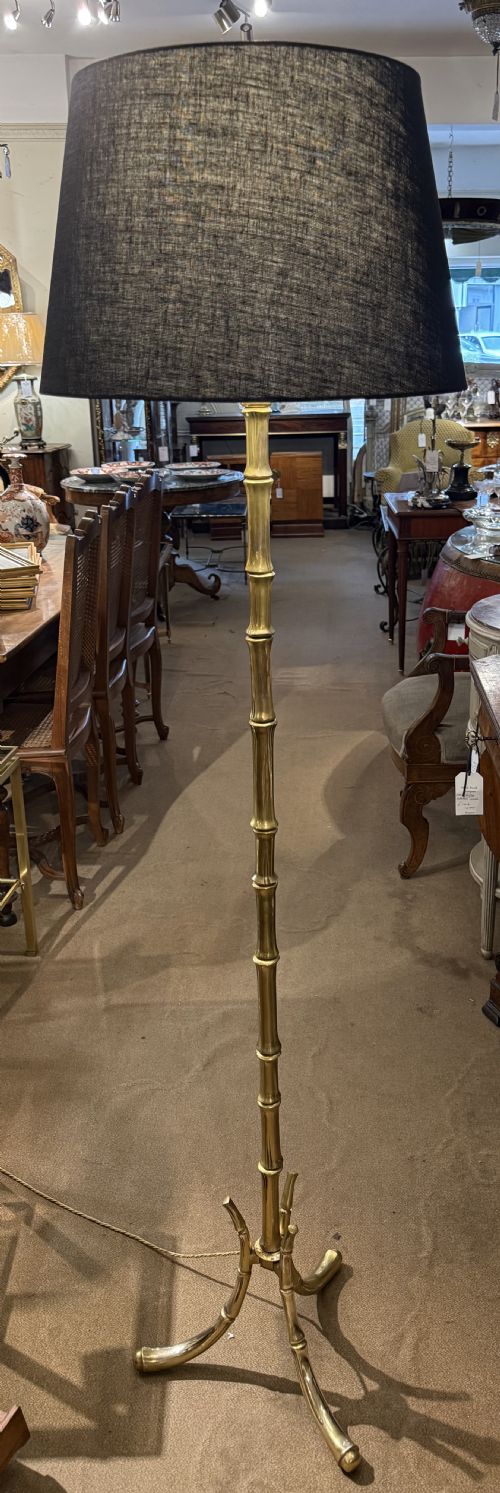
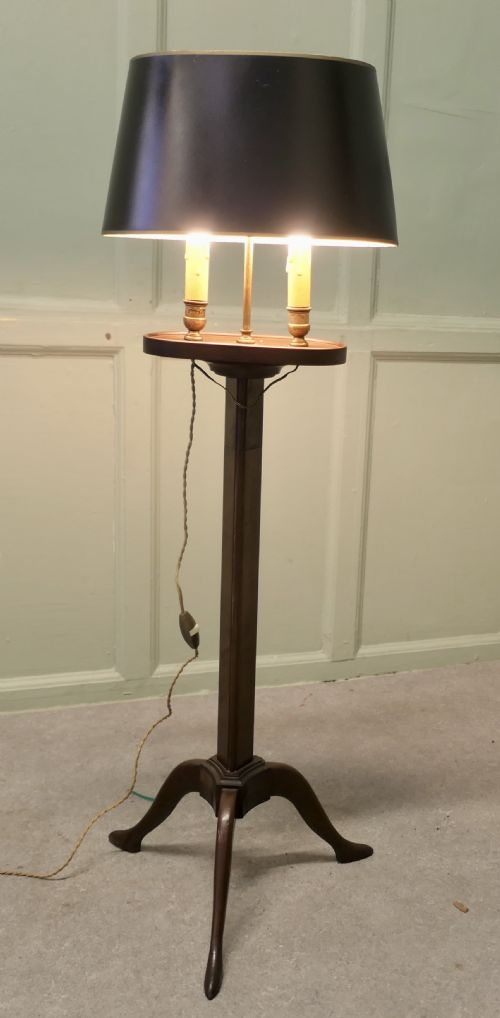
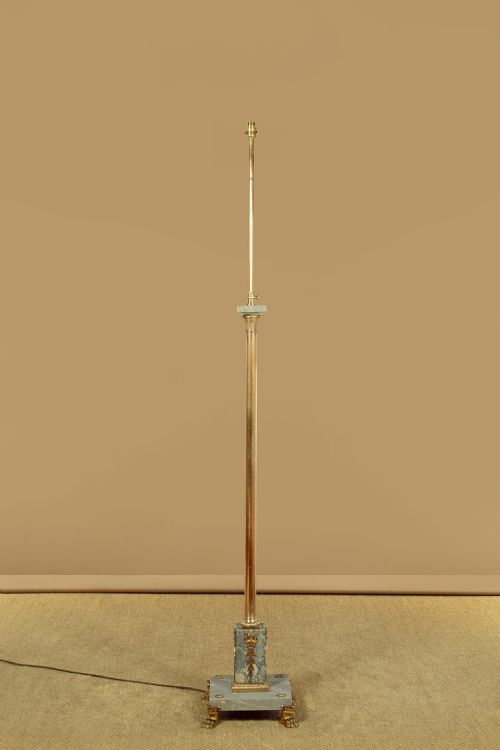
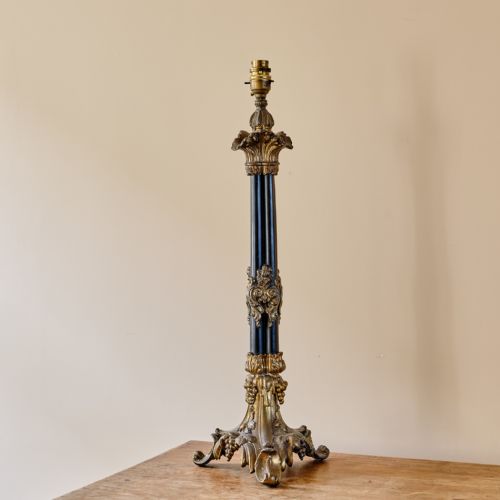




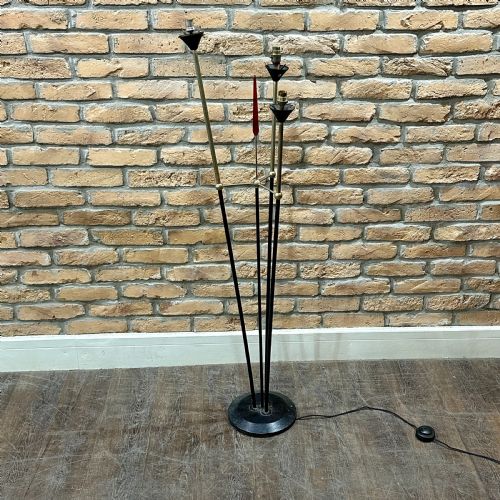

French Brass Standard Lamp
These French brass standard lamps bring a distinct continental presence to a room, offering height and warm illumination.
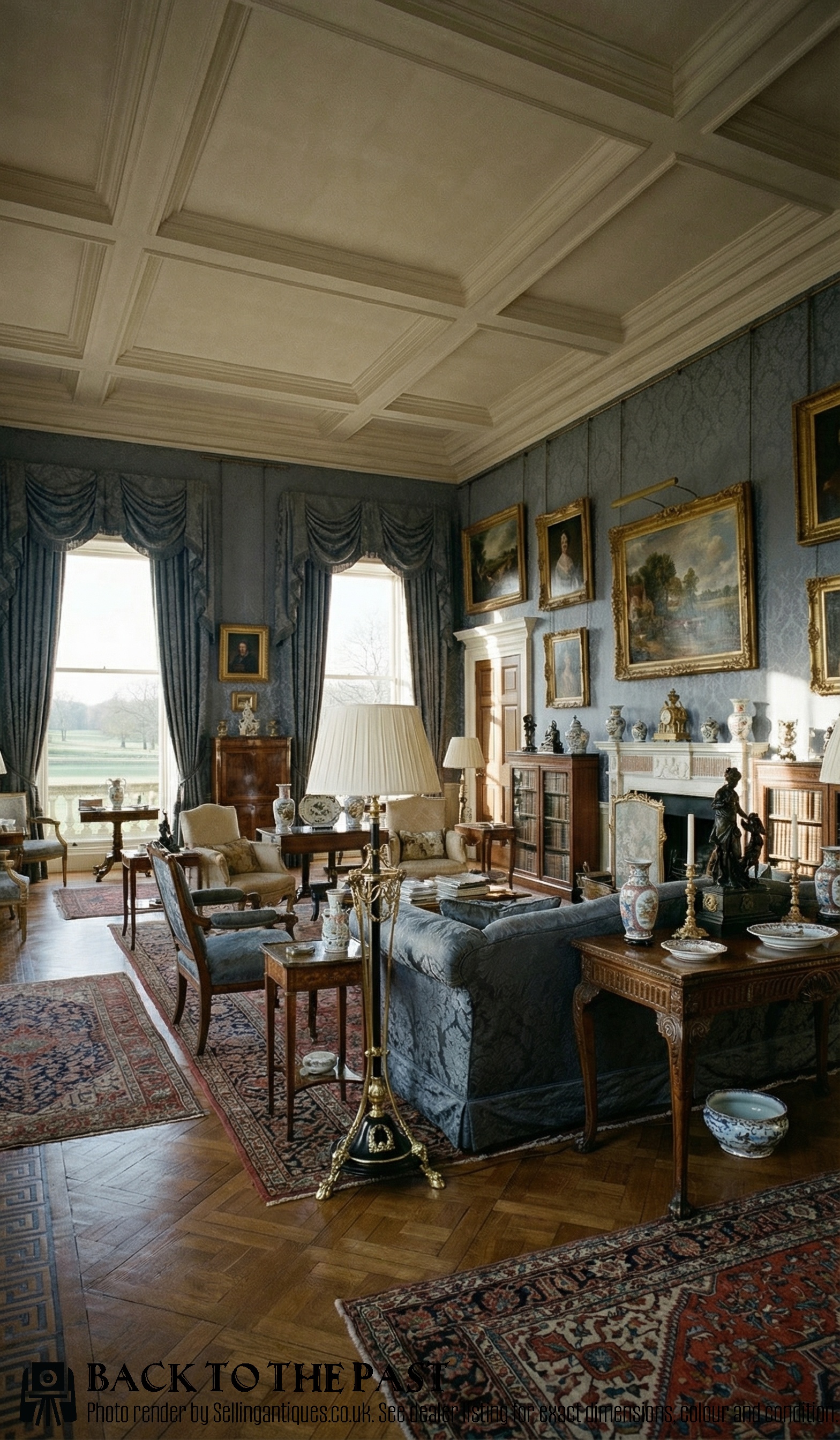
French Brass Standard Lamp
When you search for a french brass standard lamp, you encounter tall lighting fixtures that bring period character to a room. These pieces combine brass construction with forms ranging from 19th-century designs to mid-century interpretations.
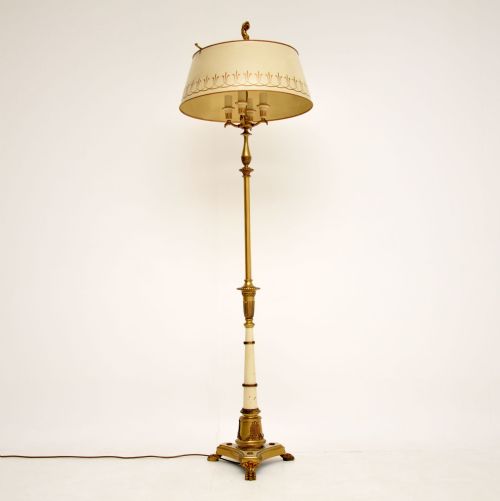
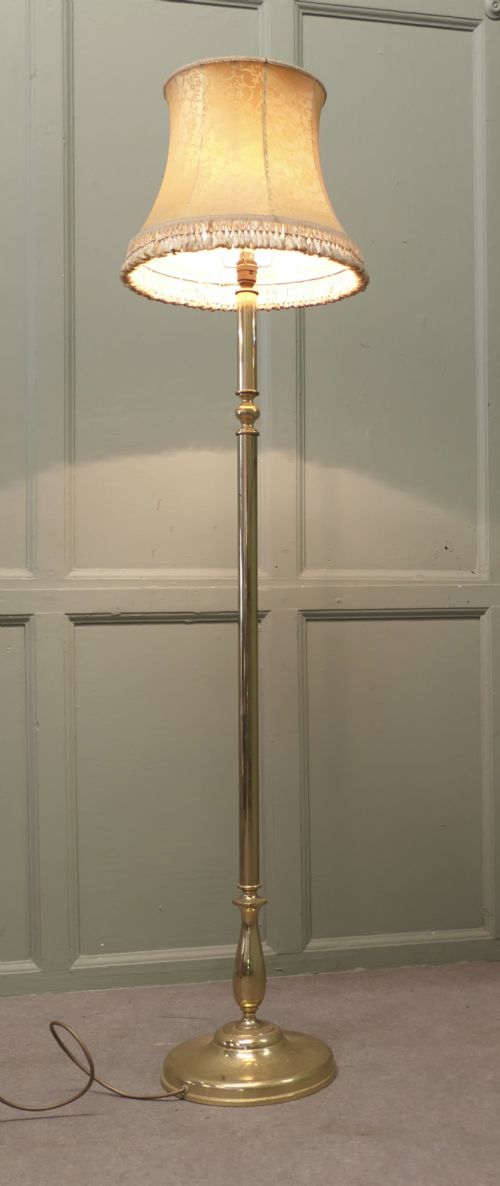
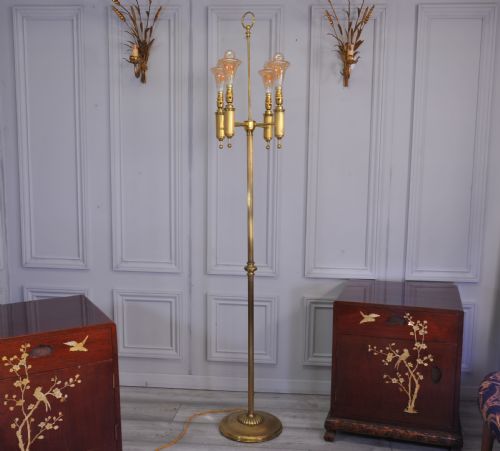
The selections on this page draw from periods such as the 19th Century, 1900, 1920, and 1930. Forms include adjustable twin candle lamps, column designs, and telescopic standards.
Makers and workshops of the past utilised styles spanning French Neoclassical, Rococo Revival, and Hollywood Regency. The typical pieces available combine brass frames with elements of marble, glass, or fabric.
How they were made
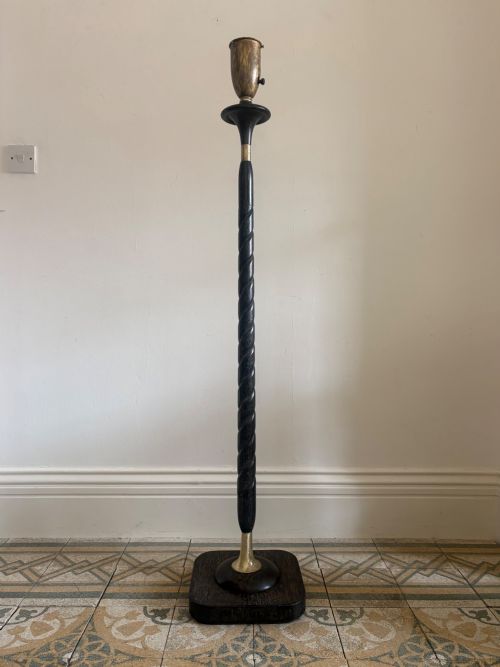
Makers utilised cast and spun brass alongside ormolu and gilt bronze to build these upright lamp structures. Heavier bases often incorporated marble or ebonised wood to provide stability for the extended height.
Construction techniques involved adjustable telescoping shafts, threaded joints, and applied decorative mounts. Wiring and fittings were integrated into existing columns, frequently adapting older candle and oil mechanisms for electrical use.
Some slender boudoir reading lamps are small enough to sit beside a bedside table rather than stand on the floor.
What varies in quality
The distinction between tiers rests upon the weight of the cast brass and the crispness of the chasing on ormolu mounts. Finer examples display heavier gauge metalwork and more complex structural mechanisms.
Detailing on decorative elements, such as neoclassical urns, fluted columns, and barley twist stems, separates standard production from superior workshop output.
Maison Bagues·Rene Mathieu
The French Brass Standard Lamp Glossary
- Ormolu
- Gilded bronze applications used for decorative mounts and enrichments on furniture and lighting. This technique involved applying a mercury and gold amalgam to a bronze base.
- Bouillotte
- A style of lamp featuring a central standard and adjustable shade, originally designed for card playing. These often incorporate twin candle arms.
- Telescopic
- An extendable mechanism allowing the height of the standard lamp to be adjusted. This engineering feature is found on reading and floor lamps from the nineteenth and twentieth centuries.
- Neoclassical
- A design style drawing inspiration from classical antiquity, characterised by symmetry, fluted columns, and urn motifs. It appears frequently in French lighting from the nineteenth century.
French Brass Standard Lamp: Frequently Asked Questions
How do I adjust a telescopic lamp?
Telescopic lamps use an internal sliding mechanism secured by a thumbscrew or collar near the upper section of the shaft. Loosing this collar allows the inner tube to rise or fall to the desired height before tightening again.
Take care to support the lamp head while loosening the mechanism to prevent sudden drops or strain on internal wiring.
What is a bouillotte lamp?
A bouillotte lamp is a traditional lighting form featuring a central standard, a metal shade, and typically two candle arms. These were originally designed to illuminate card games on small round tables.
In modern interiors, they function well as reading lights or desk lamps due to the adjustable shade directing light downward.
Where should I place a standard lamp?
Standard lamps suit corners, reading areas, and spaces beside seating where they provide ambient vertical illumination. Their height allows them to anchor furniture groupings without occupying table surface area.
Ensure the heavy base, often marble or cast metal, rests on stable flooring away from heavy foot traffic.
How do I identify a neoclassical style?
Neoclassical style pieces feature formal symmetry, straight lines, and decorative motifs derived from ancient Greece and Rome. Look for fluted columns, acanthus leaves, and urn shapes in the brasswork.
This aesthetic dominated French decorative arts during the late eighteenth and nineteenth centuries, influencing subsequent revival periods.