
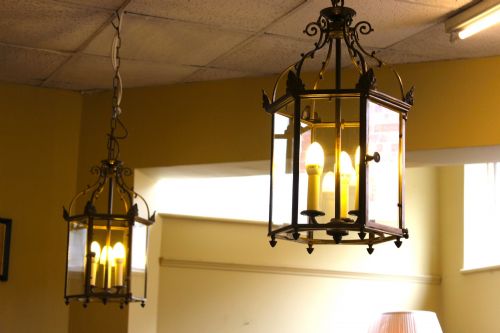


Classic Ceiling Pendant Lantern
A classic ceiling pendant lantern brings focused illumination to an entrance hall or high-ceilinged room through metalwork and glass.
Classic Ceiling Pendant Lantern
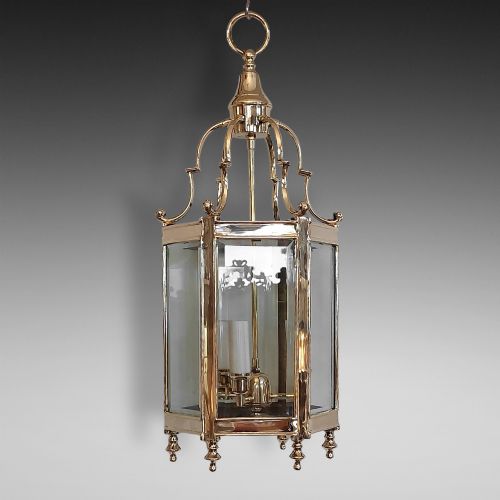
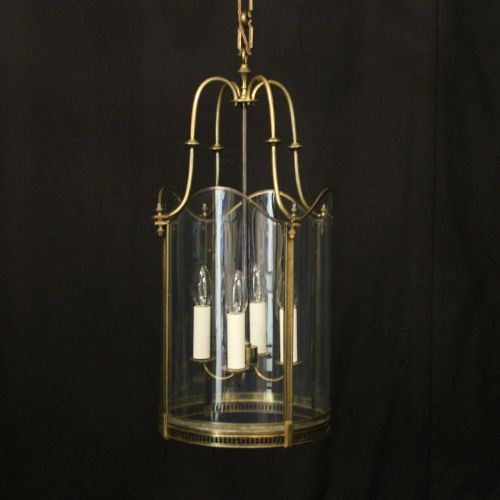
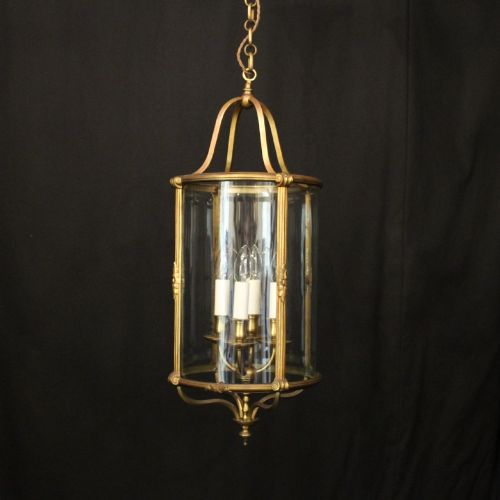
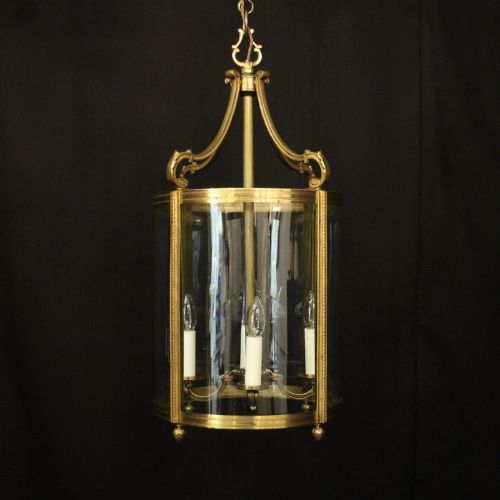
A classic ceiling pendant lantern suspends from an overhead fixing to provide functional illumination in hallways, corridors, and principal rooms. Buyers seeking a classic ceiling pendant lantern encounter hanging lights, hall lanterns, and pendant lighting originating from the Edwardian period through to the 1930s. These pieces include hexagonal, oval, and multi-light configurations designed to hang centrally within interior spaces.
The selection ranges from early twentieth-century examples dated 1910, 1920, and 1930 back to Edwardian and nineteenth-century designs. Many pieces demonstrate French origins, spanning French Chateau, French Neoclassical, French Rococo, French Louis XVI, and French Classical styles, alongside Italian Rococo Revival pieces. Forms vary from simple single-light fixtures to large oversized hanging lanterns accommodating four lights.
Materials and construction methods
Makers constructed these lanterns using robust structural metals including brass, gilt brass, bronze, gilt bronze, steel, and silver gilt metal. Brass and bronze frames provide the primary structural support, often treated with gilt finishes to enhance decorative appeal. Steel components appear in pairs and oversized lanterns from the nineteen-thirties, offering additional strength for larger hanging frames.
Panels of glass and etched glass enclose the metal frameworks to diffuse the internal light source. Metalwork techniques join shaped brass or bronze sections into hexagonal and oval geometries, securing glazed panels within the enclosing frames. Multi-light internal fittings accommodate wiring for single, twin, triple, or four-light configurations.
Listings feature materials spanning brass, bronze, steel, and etched glass across pieces dated from the nineteenth century through to nineteen-thirty.
Distinctions in execution and scale
Quality separates simple designs from heavily ornamented pieces through the depth of metal casting and the complexity of decorative detailing. Pieces executed in French Louis XVI or French Rococo styles display intricate chased or gilded bronze mounts that require greater artisan skill than plain brass or steel frames. The crispness of etching upon glass panels and the substantial weight of large oversized frames distinguish finer examples from standard production.
Scale and proportion govern the presence of each lantern within an architectural space. Standard single-light hall lanterns suit modest corridors, whereas oversized four-light models demand substantial ceiling heights to balance their physical bulk. The integrity of original gilding and the preservation of matched metal pairs further divide everyday items from superior specimens.
The Classic Ceiling Pendant Lantern Glossary
- Hall lantern
- A ceiling-hung lighting fixture specifically designed for narrow entrance spaces and passageways. These fixtures typically feature enclosed glass panels to protect the flame or bulb from draughts.
- Gilt bronze
- A bronze substrate treated with a thin layer of gold or gold-coloured alloy applied to the surface. This technique imparts a rich metallic lustre that resists tarnishing.
- Etched glass
- Glass panels treated with acid or abrasives to create decorative surface patterns or opaque finishes. This treatment softens the glare emitted by internal light sources.
- Hexagonal lantern
- A hanging light fixture featuring six distinct vertical sides enclosing the central illumination. This geometric form provides an even distribution of light in all directions.
Classic Ceiling Pendant Lantern: Frequently Asked Questions
Where should I hang a hall lantern?
A hall lantern hangs centrally in an entrance hallway, vestibule, or stairwell where downward illumination is required. It provides practical lighting while establishing a decorative focal point for visitors.
Ensure adequate clearance beneath the fixture so that doors swing clear and taller individuals pass underneath without obstruction. High ceilings in Edwardian and period properties accommodate these hanging lights most effectively.
How do I identify an Edwardian lantern?
Edwardian lanterns date from the early twentieth century and often exhibit restrained brass frames with clear or etched glass panels. They reflect the lighter decorative tastes that succeeded Victorian heaviness.
Look for hexagonal or oval forms that balance simplicity with refined metalwork. Construction details and patination on the brass components help confirm the period.
What is the difference between brass and gilt bronze?
Brass is an alloy of copper and zinc with a natural golden hue that develops a darker patina over time. Gilt bronze consists of a bronze base applied with a gold surface treatment.
Gilt bronze generally appears on more decorative French Neoclassical or Louis XVI style pieces where a brighter, more opulent finish was desired by the maker.
Can I use multi-light lanterns with modern electrics?
Multi-light lanterns accommodate internal wiring configurations designed for two, three, or four bulbs depending on the size of the frame. Electricians can adapt these fittings to meet current safety standards.
Rewiring preserves the historic metalwork and glass while allowing the fixture to function safely in a modern domestic interior.
How do French styles differ from Edwardian designs?
French styles encompass Rococo, Louis XVI, and Neoclassical vocabularies featuring elaborate cast mounts, gilt bronze, and ornate structural detailing. They project a more formal decorative character.
Edwardian designs tend toward simpler geometric forms in brass, emphasising clean lines and understated elegance suited to early twentieth-century domestic architecture.