


Brass Entry Light Fixture
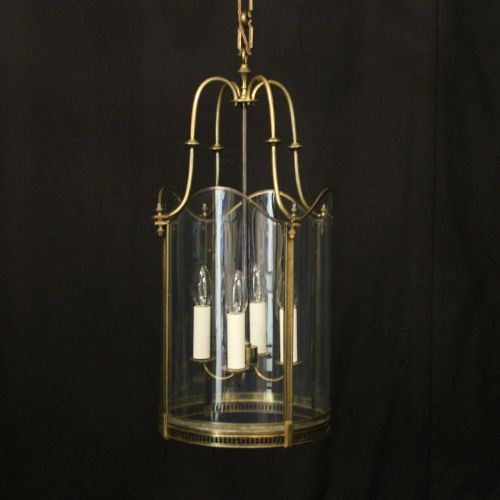
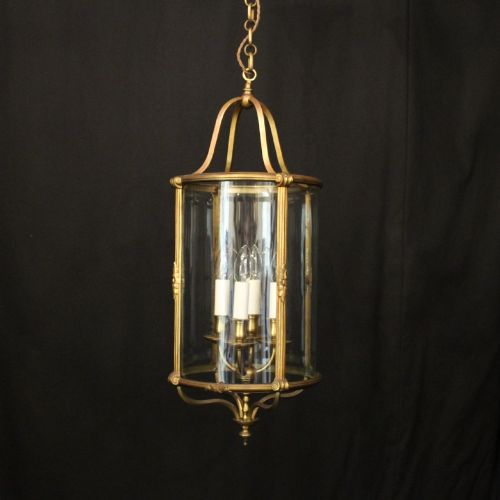
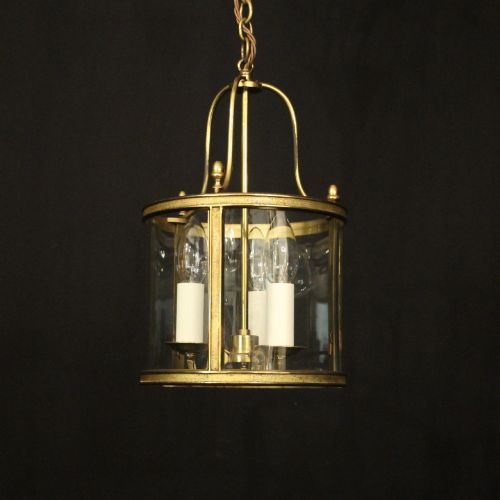
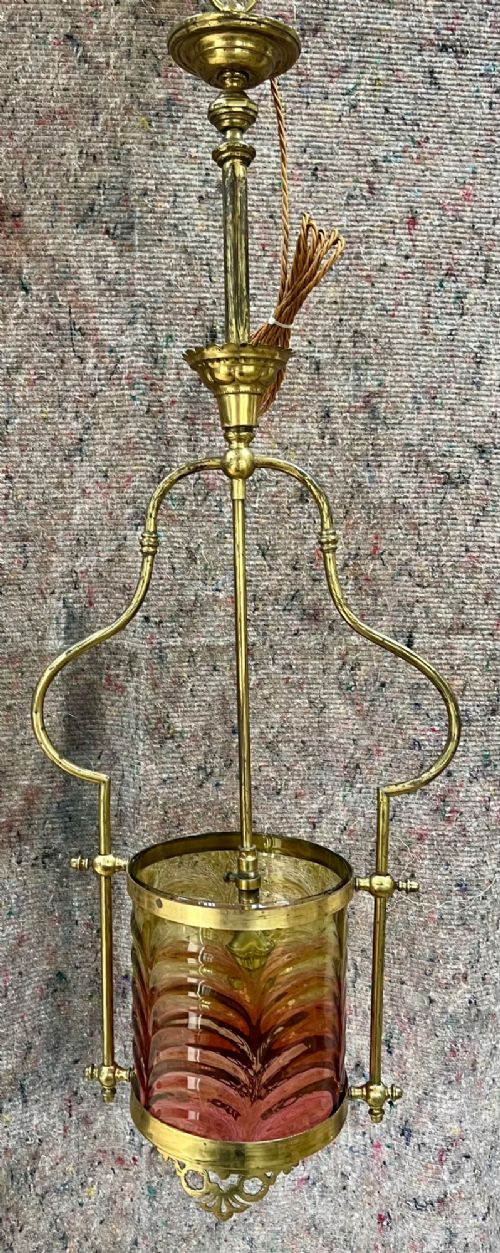
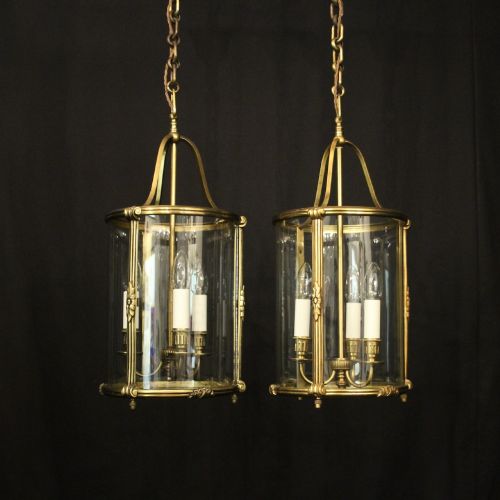
These brass entry light fixture examples bring genuine period character to a hallway, offering the precise warmth and illumination that older entranceways require.
Brass Entry Light Fixture
A brass entry light fixture serves as the primary hanging illumination in a hallway, vestibule or staircase. The pieces gathered here draw from Edwardian, Victorian and early twentieth century traditions, presenting practical overhead lighting designed specifically for transition spaces.
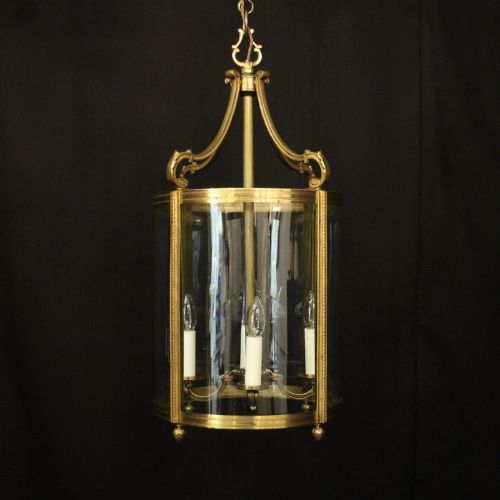
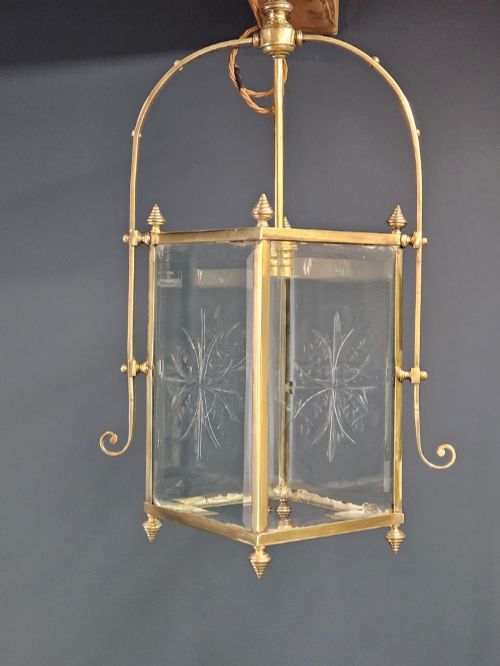
Most examples on this page take the form of hall lanterns and hanging ceiling lights. French models predominate, alongside English designs from the late nineteenth and early twentieth centuries, usually combining metal framing with glazed panels.
How they were made
Makers constructed these fixtures using brass, gilt brass, gilt bronze and copper for the structural frames. These metals were cast, shaped and joined to support the weight of the piece while providing decorative enrichment along the borders and suspension points.
Glass panels fitted into the metal frameworks diffuse the internal light, ranging from simple curved panes to convex formations. Gilded finishes applied to bronze and brass surfaces add reflective depth to the metalwork.
French styles strongly influence the selection, appearing alongside English Edwardian and Victorian forms.
What varies in quality
Quality rests upon the crispness of the metal casting and the complexity of the frame construction. Heavier bronze or brass castings with finely detailed ornamentation separate standard production pieces from finer examples.
The integration of curved or convex glass panels and the quality of the original gilding further distinguish the upper tier of these hanging lanterns.
The Brass Entry Light Fixture Glossary
- Convex
- Curved outward in a rounded shape. This term describes glass panels designed to bulge gently and catch the light from multiple angles.
- Gilt bronze
- Bronze coated with a thin layer of gold. This material provides a durable metallic base with a warm, reflective finish that resists tarnishing.
- Hall lantern
- A hanging light fixture intended for corridors and entrance spaces. These pieces typically feature enclosed glazed sides to protect the internal candleholders or bulbs.
- Edwardian
- Pertaining to the reign of King Edward VII, spanning the early years of the twentieth century. Pieces from this period often balance ornate detailing with lighter proportions.
Brass Entry Light Fixture: Frequently Asked Questions
Where should a hall lantern hang?
These fixtures suit entrance halls, vestibules and stairwells where overhead illumination is necessary. They provide a focal point upon entering a home.
Ensure adequate clearance beneath the fixture for foot traffic and door swings.
How do I identify an Edwardian lantern?
Edwardian pieces often feature lighter brass frames and simpler decorative restraint compared to heavier Victorian predecessors. They date from the early twentieth century.
Look for construction methods and material choices typical of that specific period.
What is the difference between brass and bronze?
Brass is an alloy of copper and zinc, whereas bronze primarily combines copper with tin. Bronze typically yields a heavier casting and takes gilding exceptionally well.
Both metals appear frequently in period hanging lanterns.