
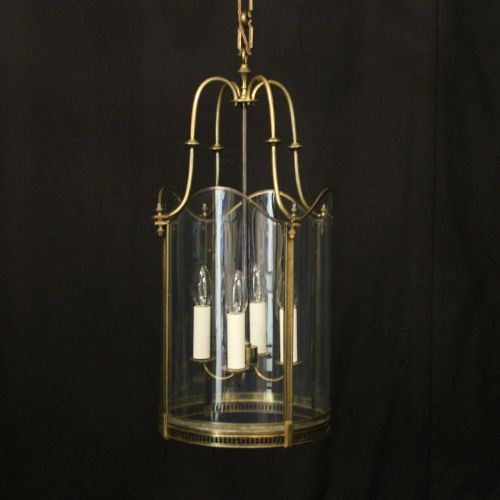
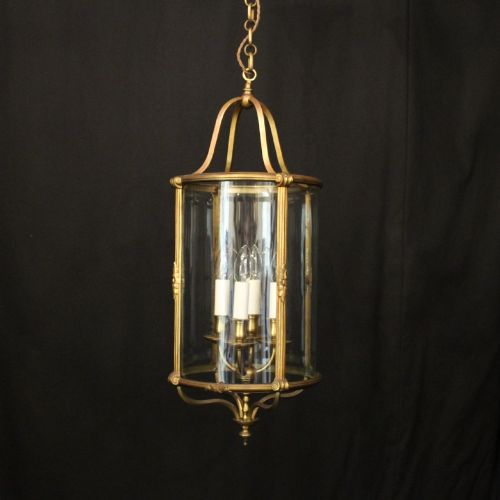
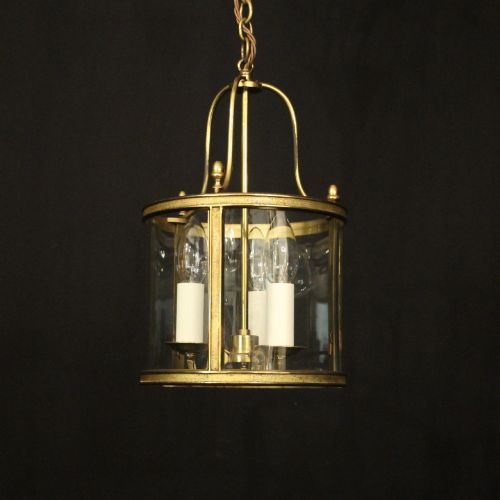
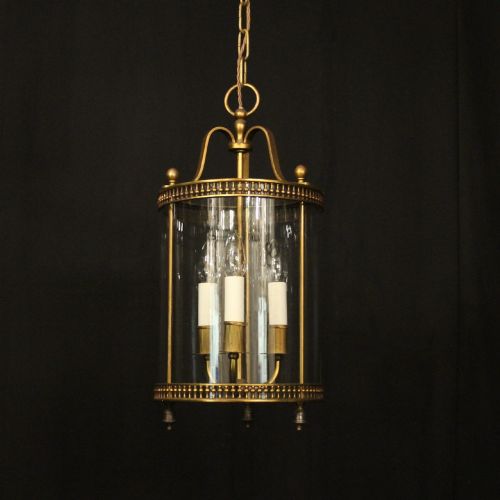


French Candle Pendant Lantern
These French candle pendant lantern designs bring historic hallway lighting into modern interiors through classic metalwork and glass.
French Candle Pendant Lantern
A french candle pendant lantern provides overhead illumination through hanging fixtures suspended from ceilings in hallways, entries, and principal rooms. The selection here leans heavily toward pieces from the nineteenth century up through the nineteen-thirties, reflecting classic design periods.
Most examples function as hanging lanterns or hall lanterns, while related ceiling lighting and chandeliers also appear across the inventory. Buyers find various configurations ranging from single bulbs to multi-light setups holding three or four lights.
Stylistic influences span from French Empire and neoclassical traditions to robust wrought iron arts and crafts models. These fixtures combine historical character with practical illumination for domestic spaces.
How they were made
Maker construction relies heavily on metal framing formed from brass, gilded brass, gilt bronze, steel, and wrought iron. Artisans shaped these robust structural elements to support suspended glass panels.
Glazing typically incorporates plain or bevelled glass panes, sometimes featuring convex shapes that refract light outward. Metal components receive finishes such as gilding or polishing to enhance their decorative appeal.
What varies in quality
Quality differences emerge in the weight and refinement of the metal casting or forging, alongside the precision of the glass bevelling. Heavier brass frames and deeply chased gilt bronze display superior craftsmanship compared to simpler folded metal structures.
The sophistication of the period style - whether executing precise French neoclassical motifs or heavy arts and crafts wrought iron work - determines the visual authority of each individual lantern.
The French Candle Pendant Lantern Glossary
- Bevelled glass
- Glass panes with angled edges cut and polished to a specific bevel angle. This treatment refracts light and adds decorative depth to the lantern body.
- Gilt bronze
- Bronze metal coated with a thin layer of gold or gold-coloured alloy. This technique provides a durable, lustrous finish found on finer antique mountings.
- Hall lantern
- A ceiling-suspended lighting fixture designed specifically for narrow entranceways and corridors. These fixtures project vertical illumination downwards.
- Convex lantern
- A hanging light featuring curved glass panes that bulge outward from the frame. The curved profile diffuses interior light across a wider angle.
French Candle Pendant Lantern: Frequently Asked Questions
Where should I hang a french candle pendant lantern?
These fixtures suit entrance halls, stairwells, and high-ceilinged corridors where their vertical drop creates an immediate focal point. They also work well above central tables in smaller reception rooms.
Ensure you hang the fixture high enough to maintain adequate clearance beneath, while keeping the light source proportionate to the room volume.
How do I date a brass hall lantern?
Dating relies on examining the construction methods of the metal frame, the style of the cast ornaments, and the characteristics of the glass panels. Pieces from the nineteenth century typically display heavier hand-finished components.
Later twentieth-century examples from the nineteen-twenties and thirties often incorporate standardised electrical fittings alongside traditional decorative motifs.
What is the difference between Empire and neoclassical styles?
French Empire designs draw inspiration from military and imperial Roman motifs, often featuring bolder, heavier bronze mounts and laurel wreaths. Neoclassical lighting leans toward lighter, restrained geometric symmetry.
Both styles utilise classical proportions, but Empire pieces project a heavier grandeur while neoclassical versions emphasise refined delicacy.