
Classic Brass Light
A classic brass light brings warmth and period character to a room, spanning chandeliers, wall sconces and table lamps from Victorian and later eras.
Classic Brass Light
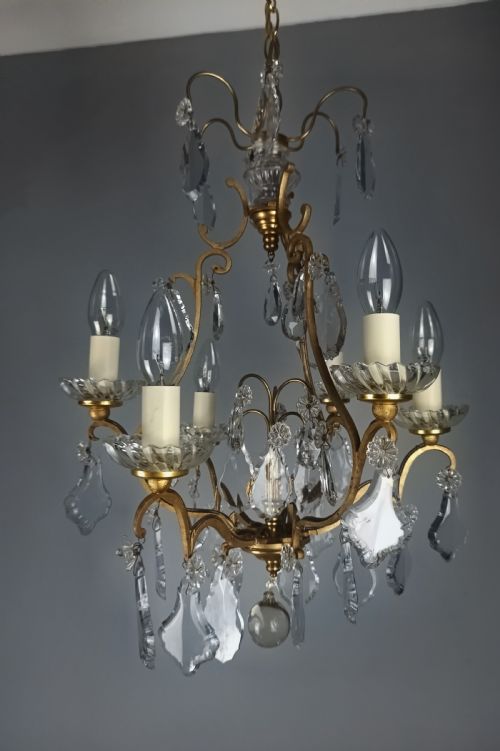
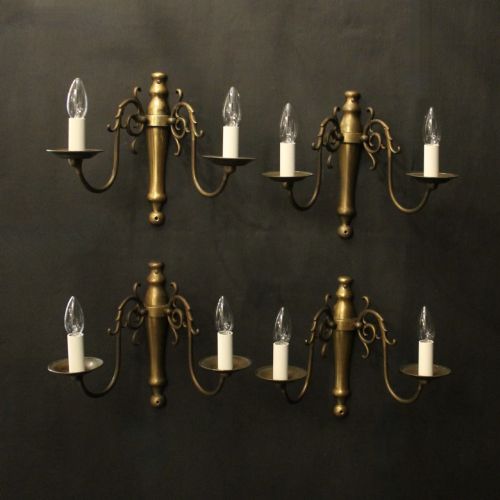
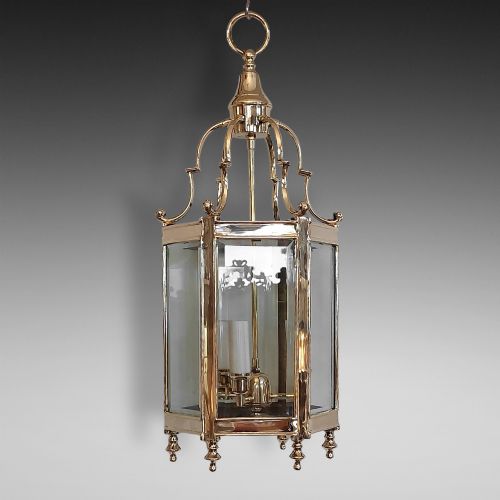
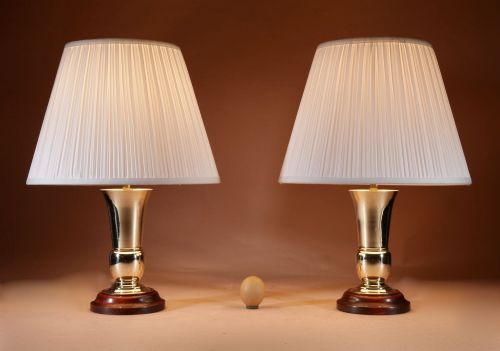
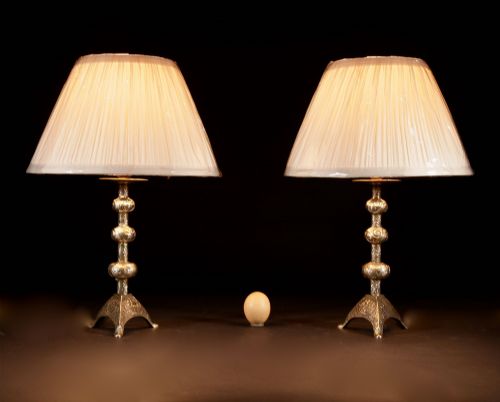
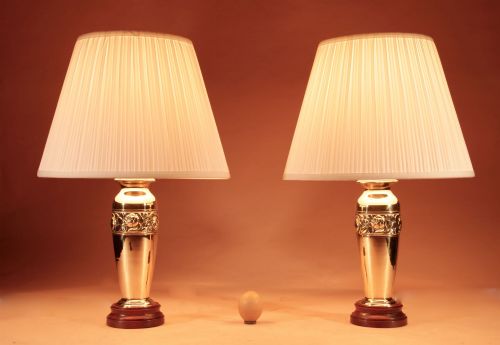
A classic brass light encompasses a wide variety of fixtures designed to illuminate interiors, including chandeliers, wall lights, table lamps, lanterns and floor lamps. When searching this phrase, a buyer meets pieces originating predominantly from the Victorian period through to the 1930s, alongside earlier revival styles.
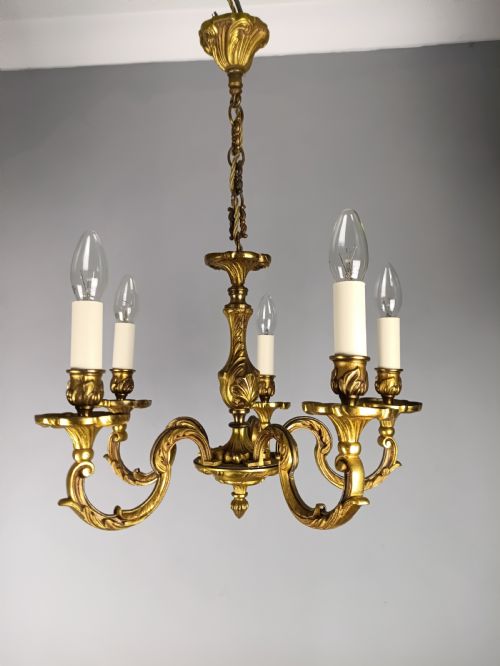
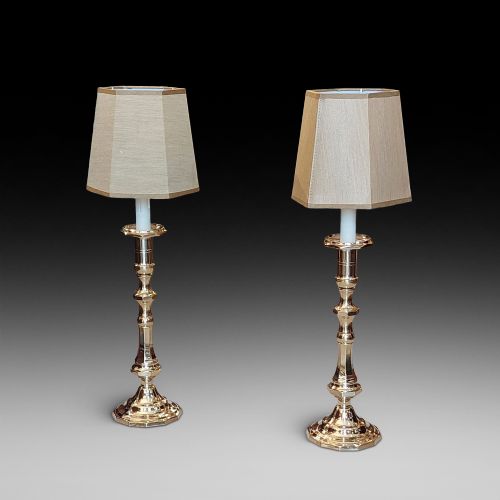
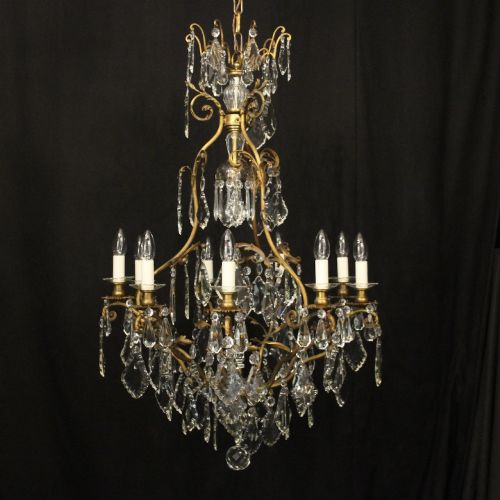
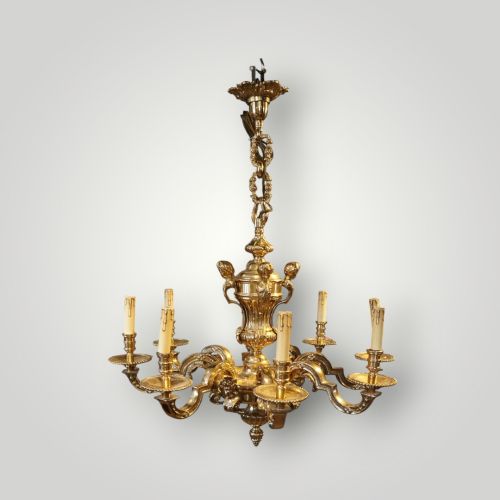
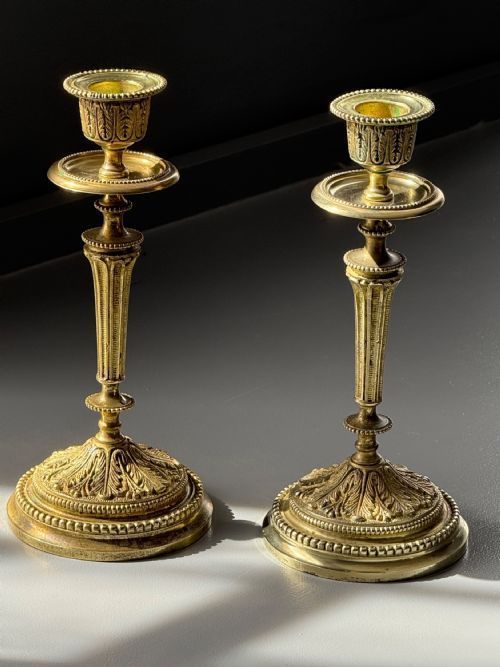
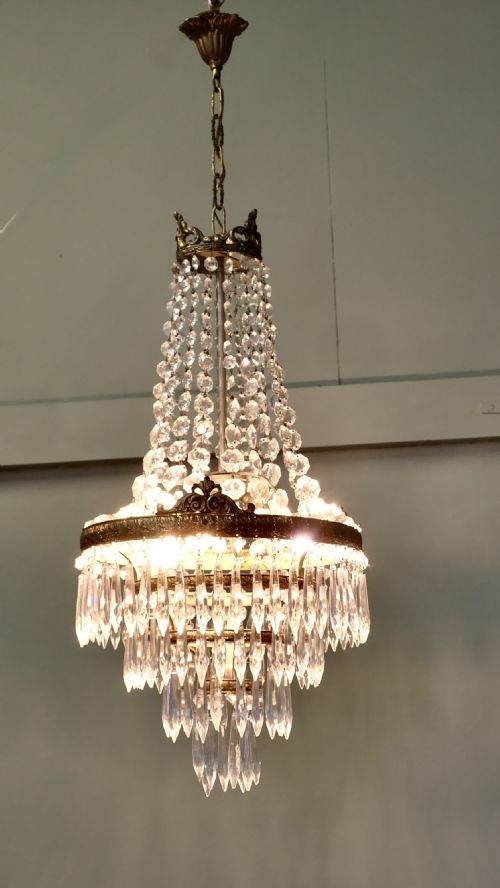
The selection ranges from English and French wall lights and grand crystal-trimmed chandeliers to utilitarian bankers desk lamps and converted candlesticks. French styles, particularly Empire, Rococo and neoclassical designs in gilt bronze or gilt brass, appear frequently alongside British Edwardian and Victorian works.
What varies in quality
Quality rests in the crispness of the metal casting, the weight of the brass and the finesse of hand-chased ornamentation on elements like gilt bronze mounts. Finer examples display harmonious proportions, integrated design details such as classical faces or floral embossing, and intact original crystal or glass components.
The integrity of the construction, from secure arm junctions to the quality of the original gilding or patination, distinguishes standard commercial production from master workshops. Pieces retaining matching sets or specialised forms like tent and waterfall chandeliers command particular attention.
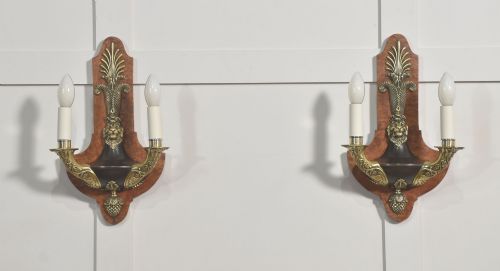
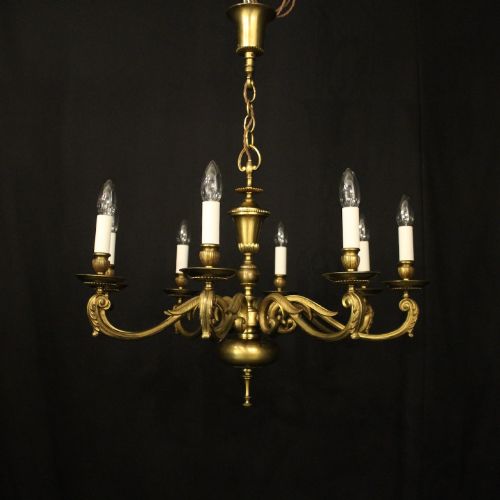
French neo-classical and Empire styles dominate the archived and current selections of wall sconces and grand multi-arm crystal chandeliers.
G.E.C·Royal Worcester
The Classic Brass Light Glossary
- Chandelier
- A branched ceiling-mounted lighting fixture designed to hold multiple bulbs or candles. They often feature crystal drops or elaborate metal frames.
- Ormolu
- A technique of applying finely ground, high-carat gold to a bronze object. It gives a rich, golden finish popular in French decorative arts.
- Sconce
- A wall-mounted lighting fixture that uses brackets to support one or more lamps or candles. These often reflect light off backplates.
- Ejector candlestick
- A candlestick fitted with an internal spring-loaded or sliding mechanism to push out the remaining stub of a candle. They date back centuries and are prized by collectors.
- Bouillotte lamp
- An adjustable metal desk or table lamp featuring a central shaft, twin candle arms, and a distinctive shade. They originated in France for card games.
Classic Brass Light: Frequently Asked Questions
How do I date a brass chandelier?
Dating relies on stylistic markers, construction methods, and fastening types used in the metalwork. Victorian and Edwardian pieces often show heavier casting and specific period revival motifs.
Examining the ceiling fitments, screw threads, and wiring channels provides further clues to the decade of manufacture, distinguishing older converted pieces from later reproductions.
Can antique wall lights be rewired?
Most antique wall lights and chandeliers can be safely rewired for modern electrical standards by a qualified professional. Rewiring ensures that older brass fittings comply with current safety regulations without altering the external appearance.
Many pieces found on the market have already undergone rewiring, while others retain older fittings that require updating before installation.
What is the difference between gilt brass and gilt bronze?
Gilt brass uses a copper and zinc alloy as the base metal beneath a gold-wash or electroplated gold finish. It tends to be slightly lighter in weight and brighter in tone.
Gilt bronze, often referred to as ormolu, utilises a copper and tin alloy that accepts finer detail during casting and carries a deeper, warmer golden hue.
Where were hall lanterns traditionally used?
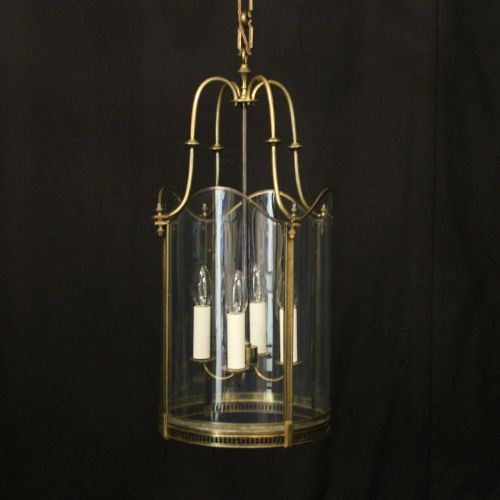
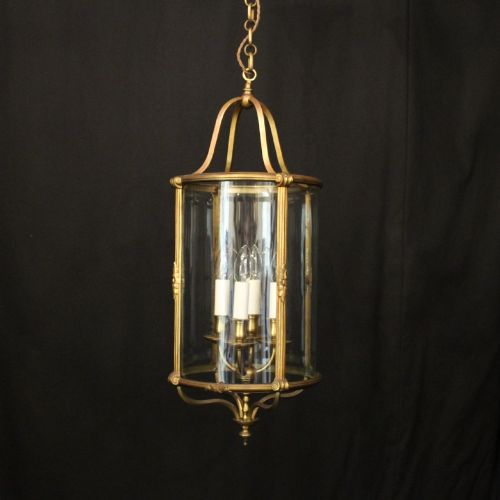
Hall lanterns were hung in entrance halls, vestibules, and stairwells of large townhouses and country homes. Their enclosed glass sides protected the internal candles or gas burners from draughts while casting welcoming illumination.
Today, these fixtures serve a similar purpose in domestic interiors, providing a focal point in hallways and high-ceilinged spaces.