

Glazed Ceiling Pendant
A glazed ceiling pendant brings character and warm illumination to hallways and porches, offering classic metalwork framing and clear panes.
Glazed Ceiling Pendant
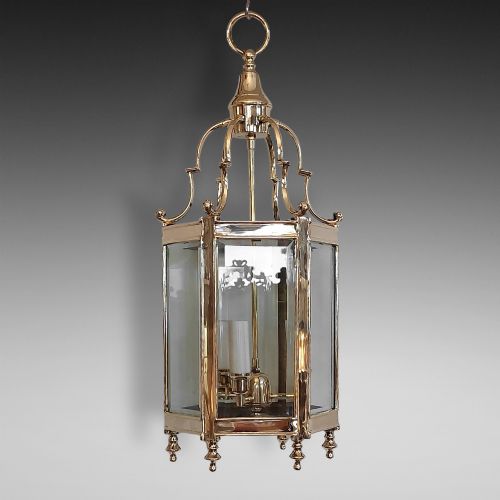
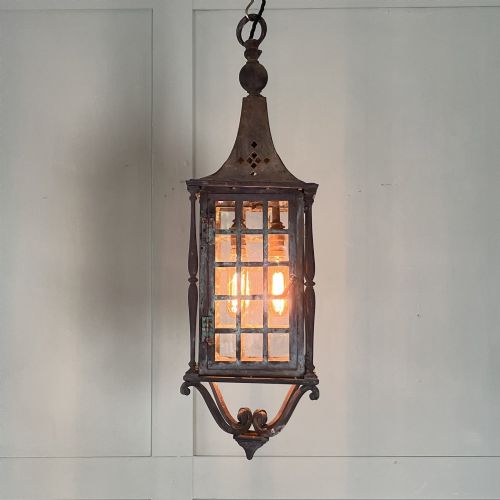
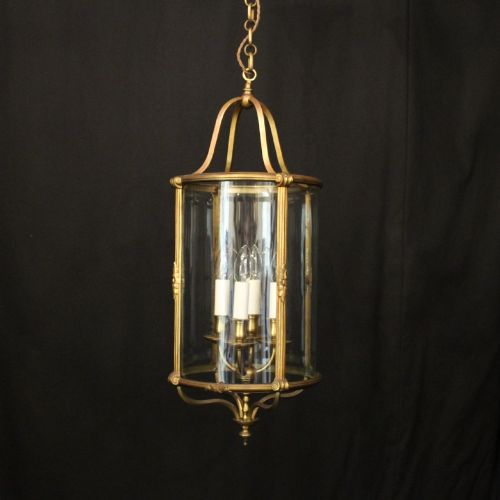
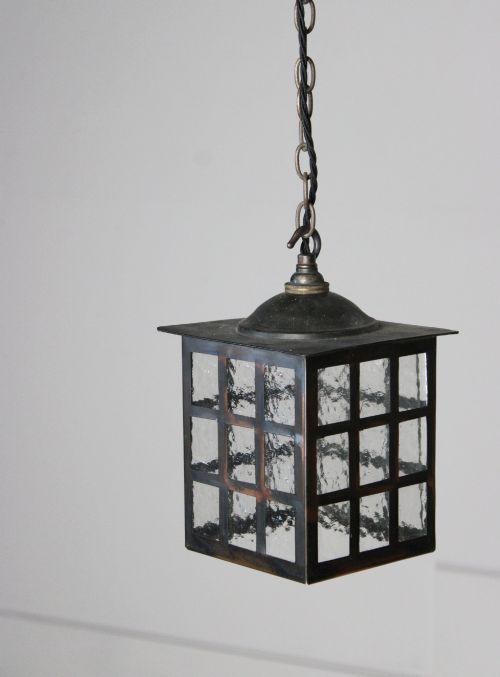
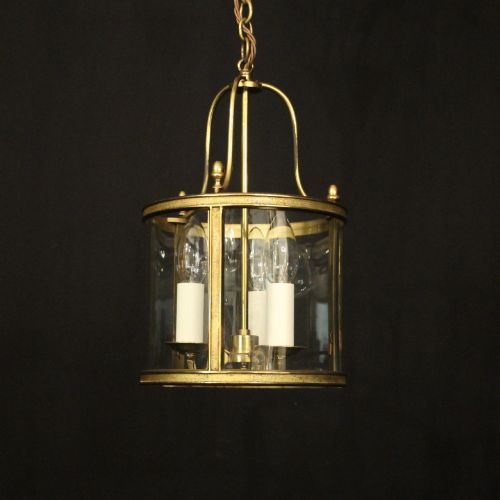
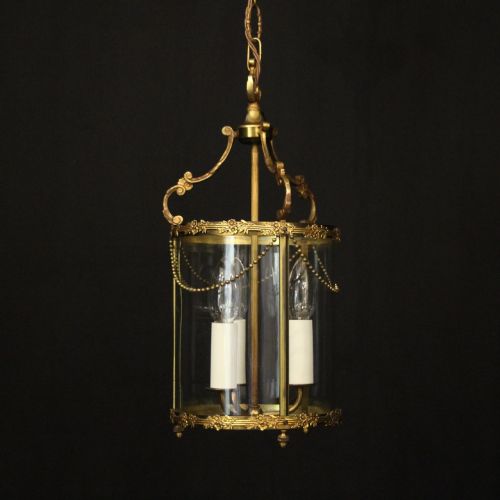
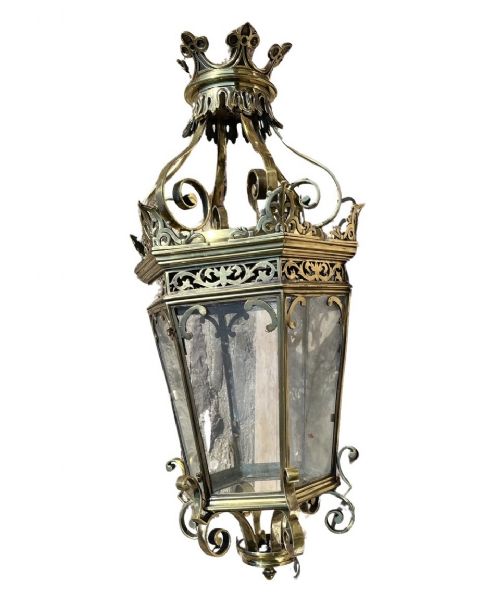
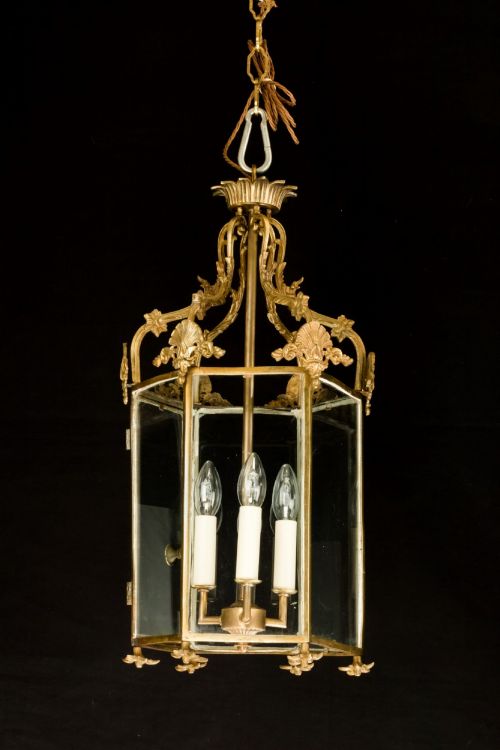
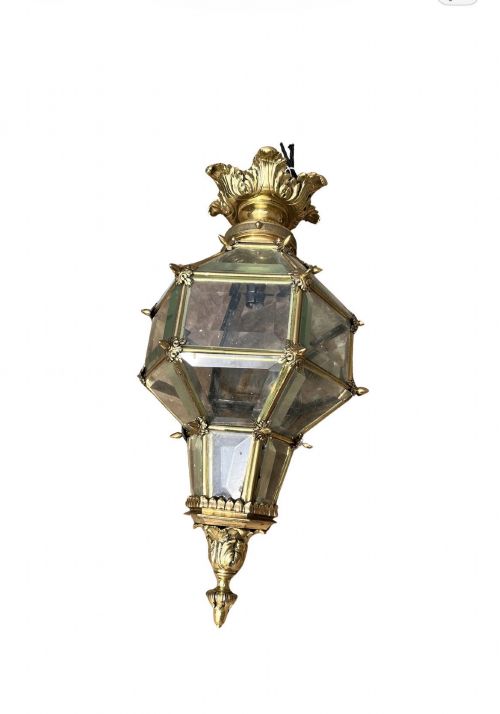
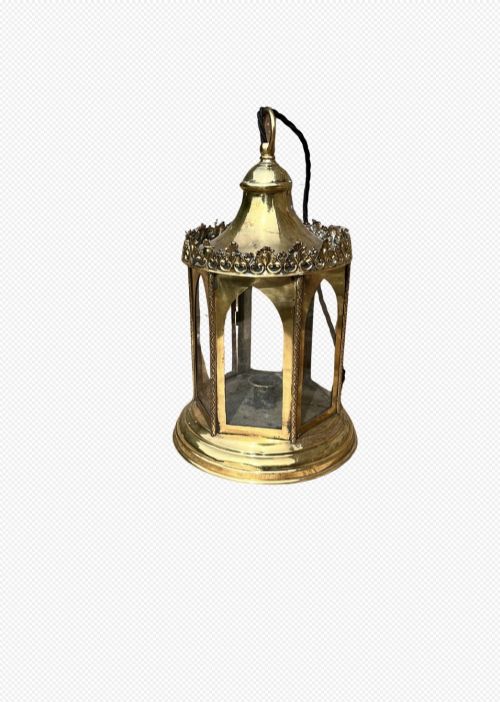
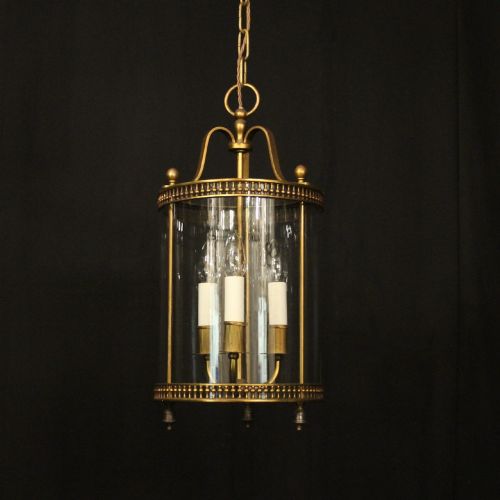
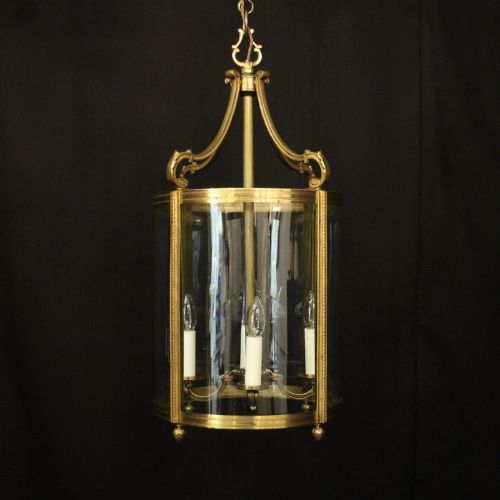
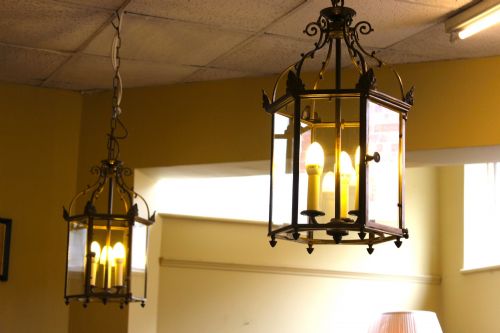
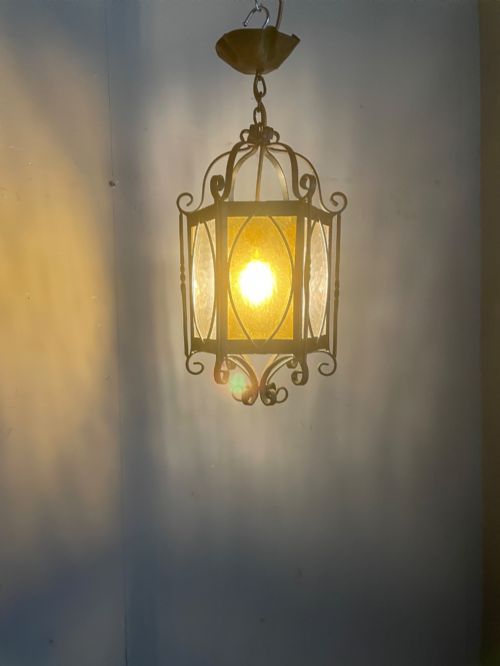
A glazed ceiling pendant is a hanging light enclosed in glass panels, designed to illuminate hallways, porches and high-ceilinged rooms. When buyers search for a glazed ceiling pendant, they encounter a variety of forms including hexagonal lanterns, hall lanterns and hanging lamps suspended by chains or rods.
The selections span multiple eras, most notably the Edwardian period and the early twentieth century, alongside Victorian and nineteenth-century examples. French chateau, neoclassical and gothic revival styles appear frequently alongside English designs.
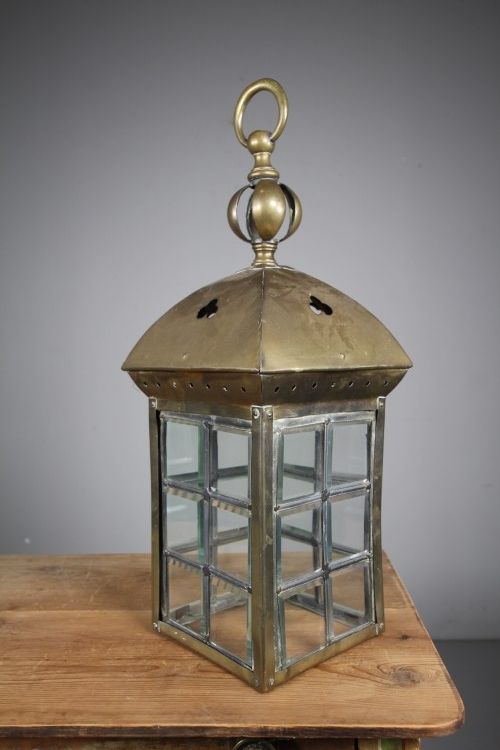
Hexagonal and square forms dominate the available selection, often featuring hinged doors for internal access to the bulbs or candles. These fixtures range from small vestibule lights to large country house lanterns intended for grand entranceways.
Materials and construction methods
These light fixtures are constructed primarily from metal frameworks holding glass panes in place. Brass, copper and bronze form the structural body, with many examples receiving a gilt or silvered finish.
Glazing typically consists of flat or bevelled glass panels secured within metal channels. Construction involves soldered or riveted joints that assemble the hexagonal or rectangular frames of the lanterns.
Assessing quality in hanging lanterns
Quality in these lanterns rests upon the weight and thickness of the metal frame and the clarity of the glass panels. Finer examples utilise heavy cast bronze or substantial brass with crisp decorative mouldings, whereas simpler pieces employ lighter folded sheet metal.
The sophistication of the surface finish distinguishes standard production from superior work, particularly in the depth and application of gilding. Additionally, the presence of bevelled glass edges and detailed cast ornamentation indicates a higher standard of manufacture.
The Glazed Ceiling Pendant Glossary
- Bevelled glass
- Glass with an angled edge cut around the perimeter. This treatment refracts light and adds a decorative dimension to the lantern panels.
- Hall lantern
- A ceiling-hung light fixture designed specifically for narrow entrance spaces and corridors. These fixtures usually feature enclosed glass sides to protect the flame or bulb from drafts.
- Gilt bronze
- Bronze metal treated with a thin layer of gold or gold-coloured alloy. This technique provides a rich, metallic lustre that resists tarnishing over time.
- Hexagonal form
- A geometric shape possessing six sides. Many traditional lanterns utilise this six-sided construction to distribute light evenly in all directions.
Glazed Ceiling Pendant: Frequently Asked Questions
Where should I hang a glass lantern?
These lanterns suit high-ceilinged entrance halls, landings and porches where they provide direct downward illumination and an architectural focal point. Their enclosed design protects the light source from breezes in transitional spaces.
Ensure adequate clearance below the fixture for foot traffic, particularly in narrow corridors or above stairways.
How do I date an antique lantern?
Dating relies on examining the metal alloys, construction techniques and stylistic motifs present in the frame. Edwardian and nineteenth-century pieces often display distinct casting methods and period-specific decorative details.
Hardware such as screws, hinges and suspension loops also provide reliable indicators of the manufacturing era.
Are these lights electrified?
Many examples have been adapted for modern electrical use while retaining their original exterior metalwork and glass panels. Wiring is typically routed through the central hanging loop or suspension rod.
Buyers should consult a qualified electrician to check compatibility with current safety standards upon installation.
What is the difference between brass and bronze?
Brass is an alloy of copper and zinc, yielding a bright golden hue when polished, whereas bronze is primarily copper combined with tin, offering a deeper and heavier metallic composition. Both metals were widely utilised for their durability in hanging light fixtures.
Over time, both materials develop natural patinas that reflect their age and history.