


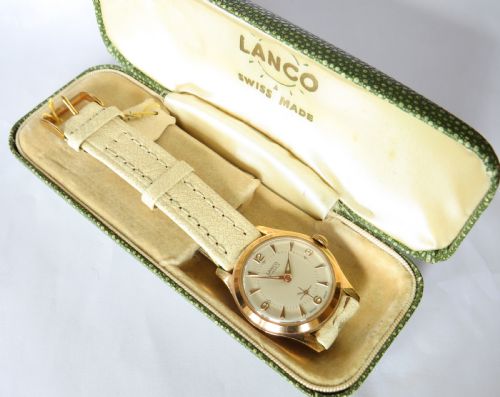


Classic Analogue Mechanical Timepiece
A classic analogue mechanical timepiece is a dependable wrist-worn instrument powered by springs and gears, offering enduring design from the mid-twentieth century.
Classic Analogue Mechanical Timepiece
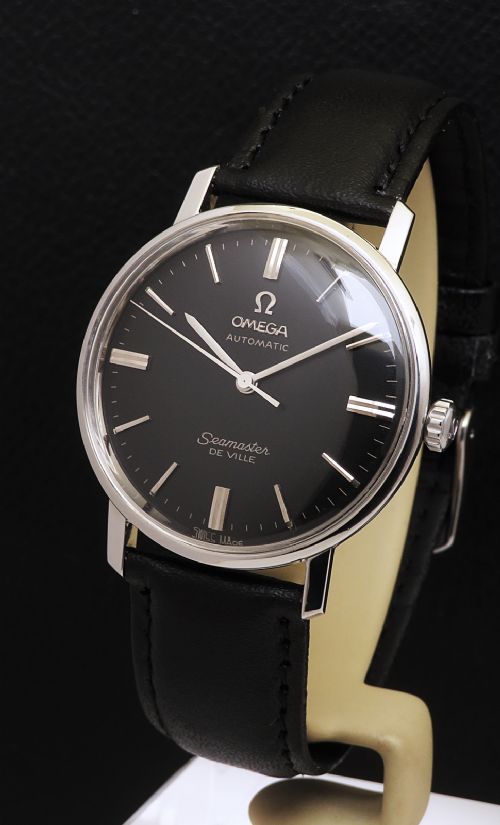
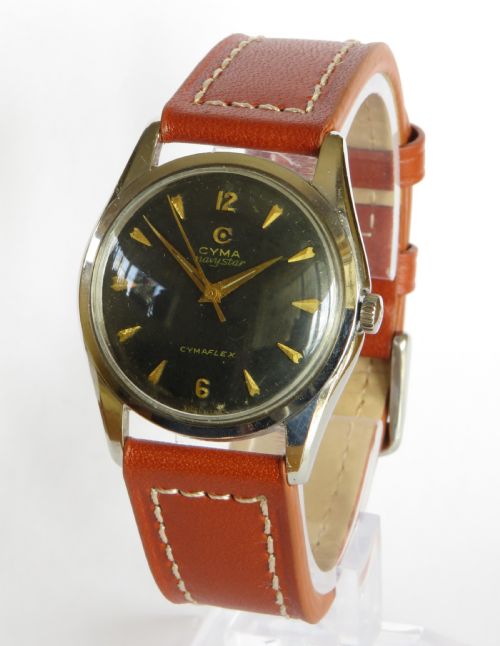
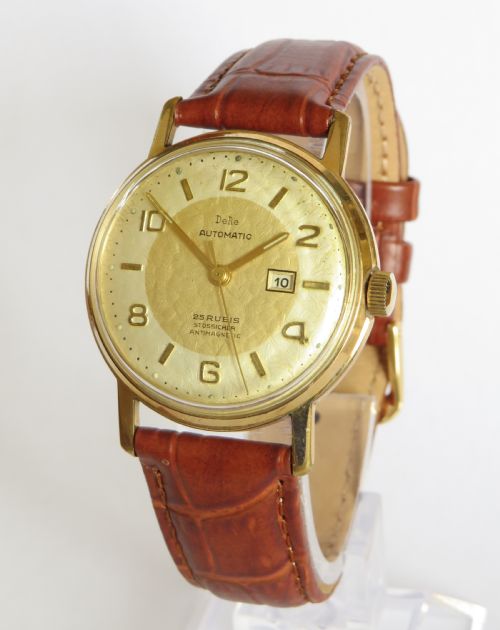
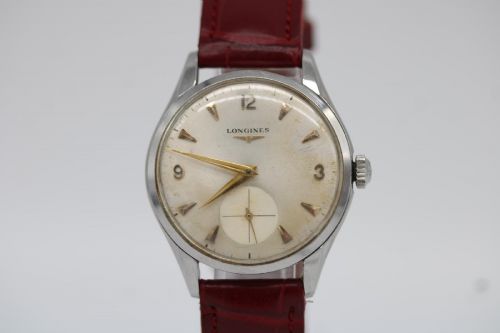
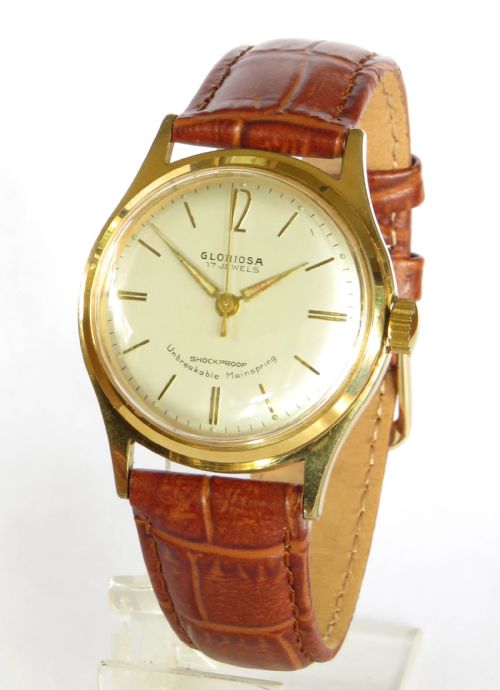
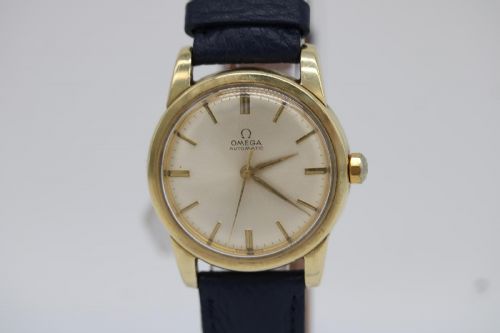
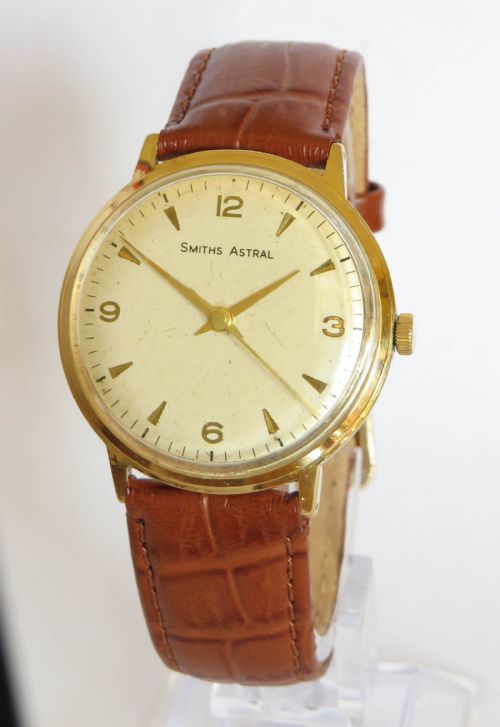
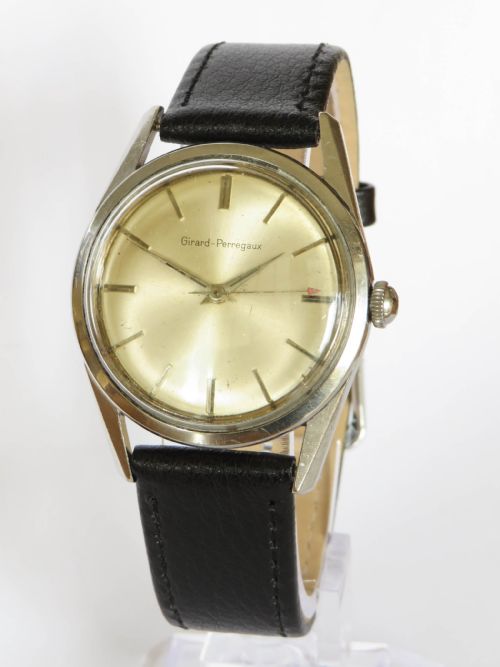
A classic analogue mechanical timepiece is a wrist-worn instrument from the 1940s, 1950s, or 1960s that displays time through hands moving across a dial. These objects represent mid-century horology, encompassing both manual wind and automatic movements housed in various case forms.
The versions most commonly met on this page are gents wristwatches reflecting Mid-Century Modern, Mid-Century British, and Art Deco styles. Examples span makers such as Omega, Longines, Cyma, Eterna, Girard Perregaux, and Smiths, often displaying distinctive mid-century dial layouts and case proportions.
Most entries function as traditional wristwatches featuring analogue displays, occasionally accompanied by original packaging or presented in new old stock condition. They capture a period when mechanical precision and wearable design intersected daily life.
How they were made
Cases combine stainless steel, gold plate, metal, and acrylic or acrylic glass over the dial, providing durable housing for internal mechanical movements. Leather and fabric straps complete the construction, securing the watch to the wrist with traditional pin buckles.
Movements rely on intricate arrays of springs and gears driven either by manual winding or automatic self-winding rotors. Swiss and British workshops utilised these mechanical systems to achieve reliable timekeeping before the widespread adoption of quartz technology.
Several pieces arrive complete with their original presentation boxes, preserving the exact moment they left the mid-century shop floor.
What varies in quality
Distinction across pieces rests on the complexity and finish of the internal movement, such as jewelled lever escapements and specific calibre numbers. Makers like Omega and Longines often incorporated higher-grade engineering compared to standard production models.
Material application and case execution also define the range, from standard stainless steel housings to gold-plated finishes and jumbo-sized cases. The presence of original elements, boxes, or untouched new old stock status further separates individual examples.
Omega·Cyma·Longines·Smiths·Eterna·Girard Perregaux·Lanco
The Classic Analogue Mechanical Timepiece Glossary
- Analogue
- A watch face displaying time with moving hands pointing to numbers or markers rather than digital digits. This traditional format defines the visual character of mid-century timepieces.
- Automatic
- A self-winding mechanical movement that uses a weighted rotor to wind the mainspring using the natural motion of the wearer's wrist. It removes the need for daily manual winding.
- Manual wind
- A mechanical movement powered by a mainspring that the owner winds by hand via the crown. These pieces require regular manual winding to maintain operation.
- Gold plate
- A layer of gold applied to a base metal case to provide the appearance of solid gold. This technique allowed makers to offer luxurious finishes at accessible price points.
- Calibre
- A specific manufacturer's model designation for a watch movement. Collectors use the calibre number to identify the exact internal mechanism and production era.
Classic Analogue Mechanical Timepiece: Frequently Asked Questions
How do I wind a mechanical watch?
Rotate the crown clockwise between your thumb and forefinger until you feel gentle resistance. Stop turning immediately when resistance increases to avoid damaging the mainspring.
For manual wind models, perform this action daily at a consistent time. Automatic models require winding only if the movement has run down from lack of wear.
What is a jumbo case watch?
A jumbo case refers to a wristwatch with a larger diameter housing than was standard for its production era. During the mid-twentieth century, these proportions offered a more prominent wrist presence.
Such pieces remain sought after by collectors who prefer substantial case dimensions. They combine period mechanical movements with bolder visual proportions.
Are vintage watches waterproof?
Original mid-century timepieces generally lack modern water resistance standards and modern rubber gaskets. Exposure to moisture, rain, or humidity can easily damage the delicate internal steel and brass components.
It is safest to keep these instruments entirely away from water. Even models bearing historical diving designations require professional inspection before any exposure to moisture.