
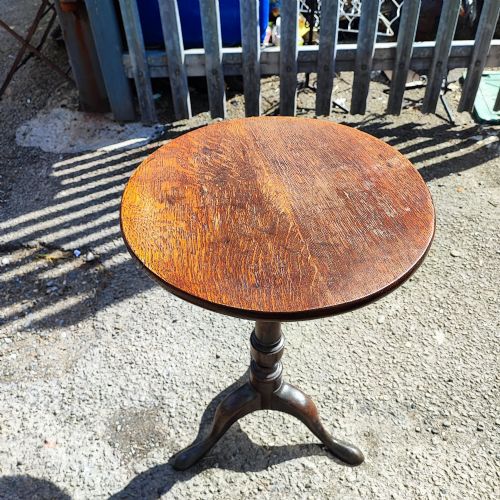
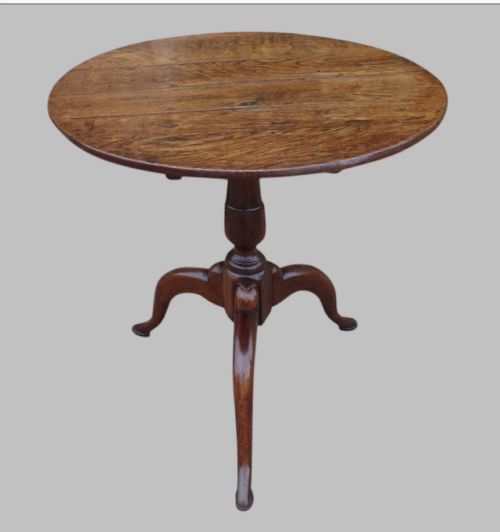



Circular Oak Tripod Table
A circular oak tripod table brings dependable utility and warmth to a room, offering a sturdy pillar for lamps, drinks or books.
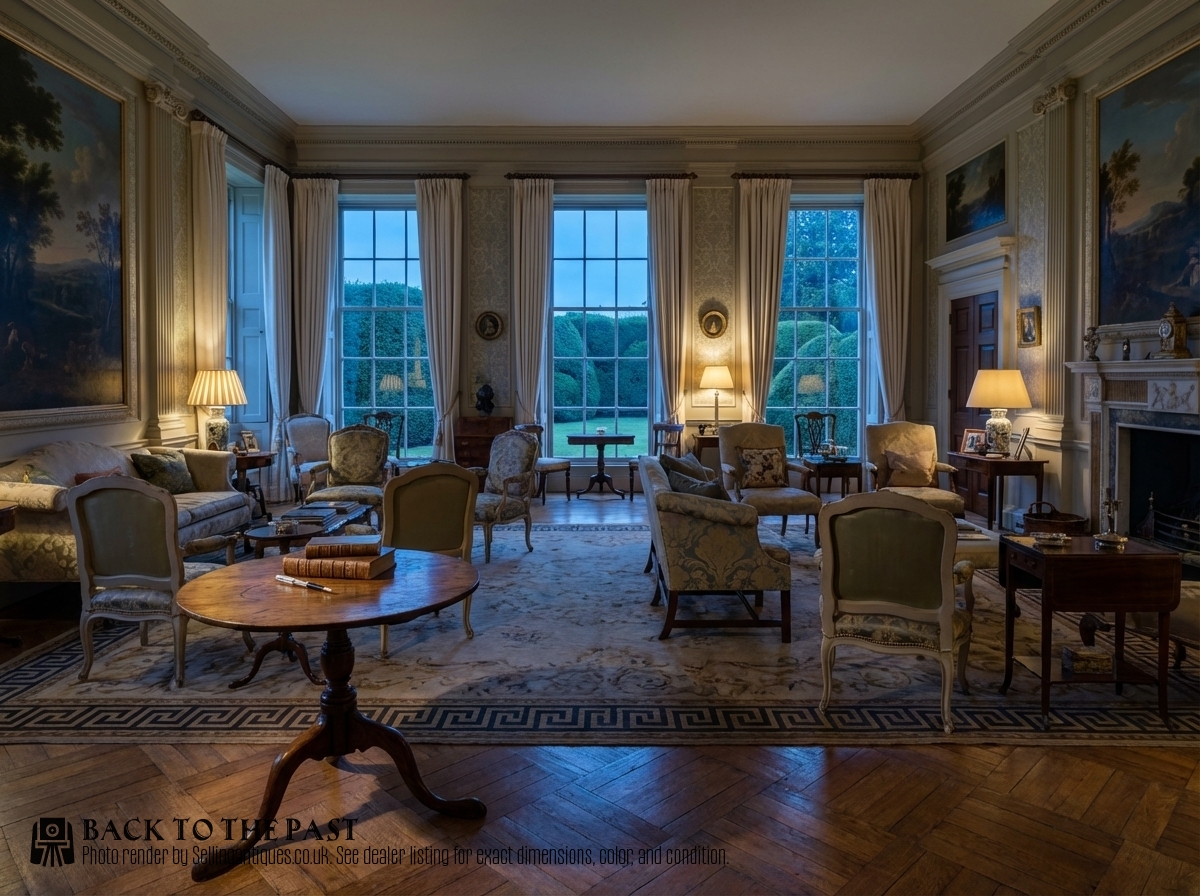
Circular Oak Tripod Table
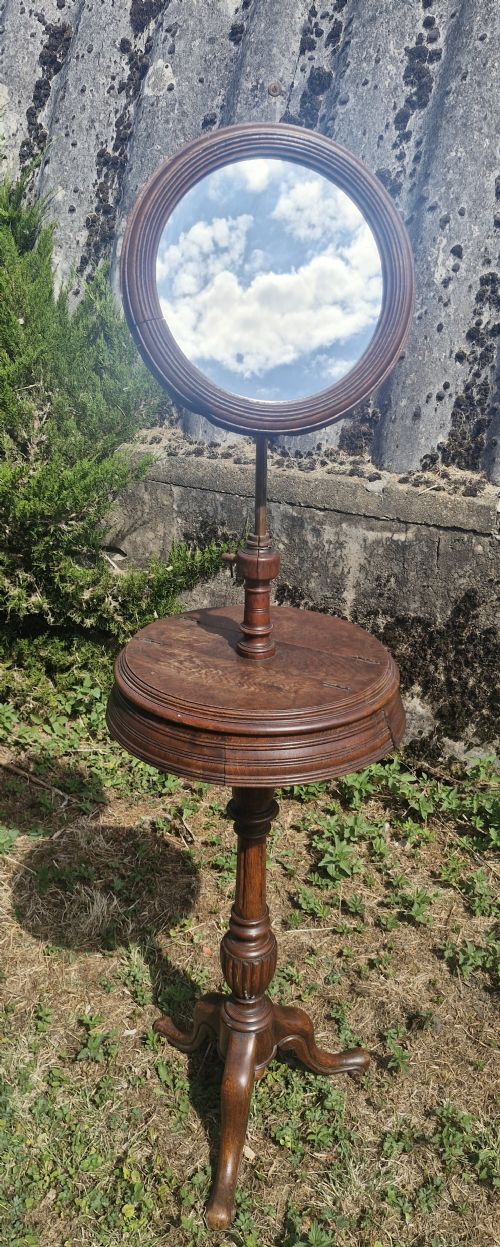
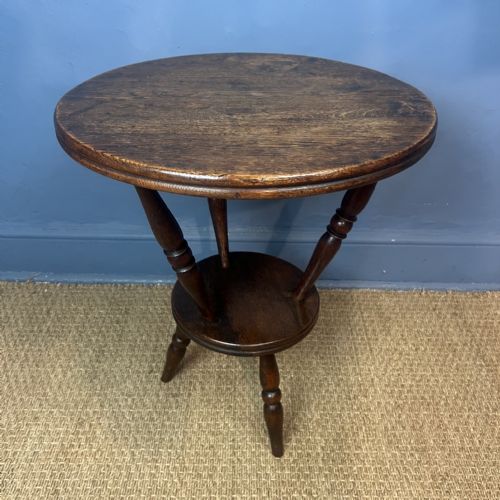
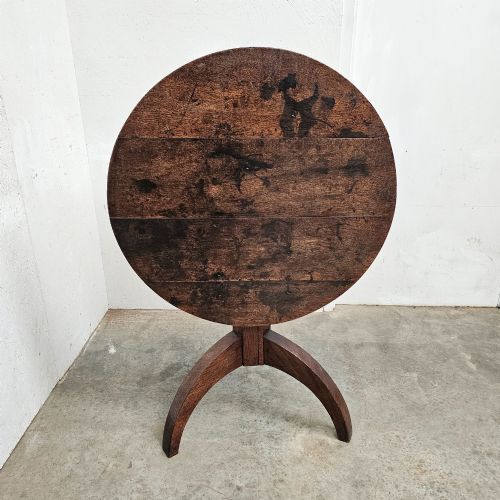
When you search for a circular oak tripod table, you encounter small-scale occasional furniture designed for practical service in domestic interiors. These pieces appear most frequently from the Georgian and Victorian eras, often taking the form of wine tables, lamp stands, or supper tables.
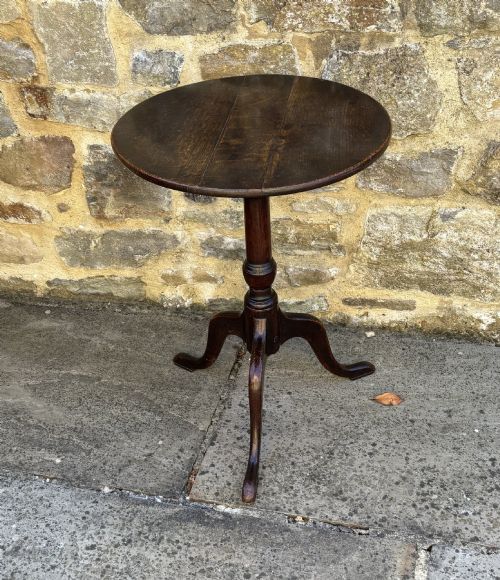
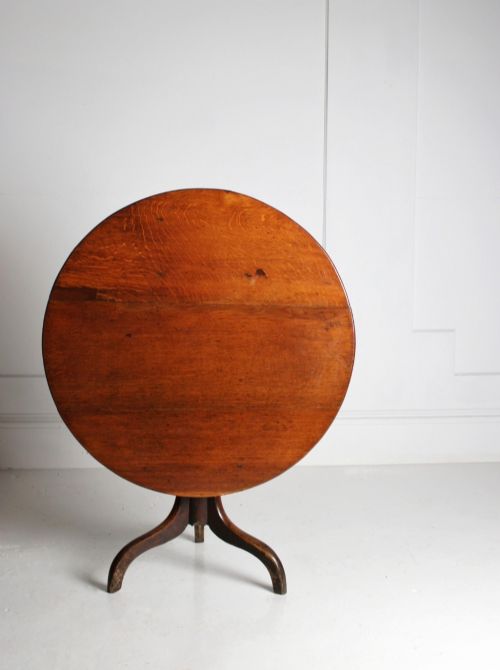
Many examples feature a tilt-top mechanism, allowing the round top to pivot vertically when not in use for convenient storage against a wall. The three-legged support base ensures the table sits firmly even on uneven historical floorboards without rocking.
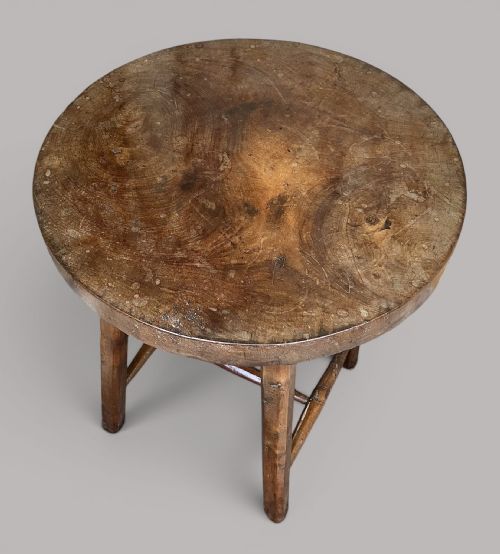
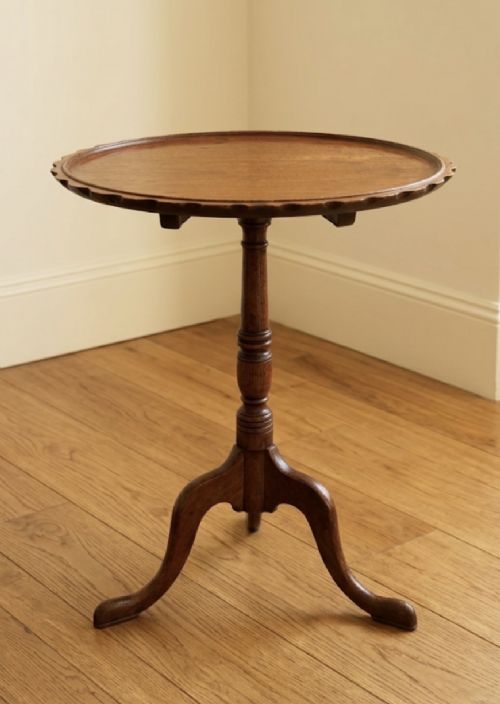
The materials span regional country workshops and urban cabinet makers, using solid native timber alongside occasional multi-wood variations. You will find simpler vernacular items alongside more formally styled George III specimens with moulded edges and birdcage mounts.
How They Were Made
Makers constructed these tables predominantly from solid oak, sometimes utilising burr oak, fruitwood, or elm for specific decorative tops or structural legs. Timber was selected for grain pattern and strength, then worked by hand with traditional saws, planes, and chisels.
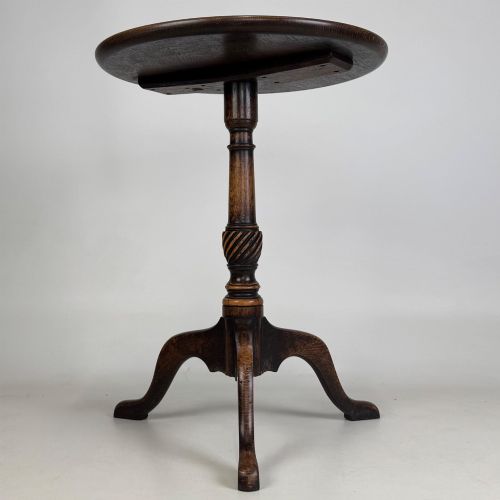
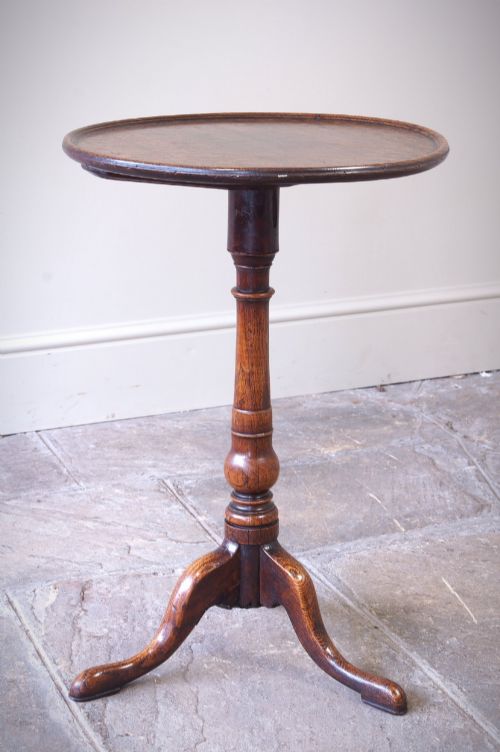
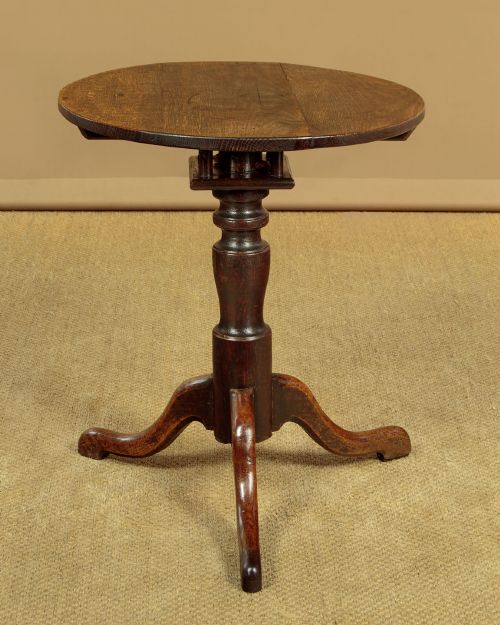
The top connects to the central pillar through a wooden block, birdcage box, or tilting mechanism secured by wooden pegs or iron fastenings. Three splayed legs join the turned central column using mortise and tenon joints to guarantee stability under daily use.
Circular Oak Tripod Table Retail Price Guide 2026
Typical asking prices for circular oak tripod table among the pieces listed under this phrase on Sellingantiques today, from the lower quarter to the upper quarter. They describe what is for sale here now, not the wider market.
Listings feature oak alongside alternative timbers including mahogany, walnut, fruitwood, satinwood, and elm across Georgian and Victorian periods.
What Varies in Quality
The distinction between ordinary and superior pieces rests on the handling of the timber and the crispness of the turning on the central pillar. Better tables display carefully matched grain on the circular top and well-proportioned legs that terminate in clean feet without clumsy repairs.
Sophisticated mechanisms, such as birdcage supports that permit both rotation and tilting, indicate a higher grade of workshop production. Surface finish and natural patination also set pieces apart, where decades of gentle waxing reveal the depth of the oak grain.
The Circular Oak Tripod Table Glossary
- Birdcage
- A timber framework beneath the tabletop that allows the surface to both rotate and tilt. This clever mechanism uses parallel wooden discs connected by small spindles.
- Tilt-top
- A hinged tabletop design enabling the surface to fold into a vertical position. This saved valuable floor space in smaller domestic rooms when the table was idle.
- Tripod base
- A support structure consisting of three splayed legs radiating from a central turned column. This configuration prevents wobbling on uneven floors.
- Vernacular
- Furniture produced by local country craftsmen following regional traditions rather than metropolitan high styles. These pieces often show charming simplicity and robust construction.
- Patination
- The deep, lustrous surface sheen developed on old wood over centuries through handling, light exposure, and regular polishing. It serves as a visual indicator of age and authenticity.
Circular Oak Tripod Table: Frequently Asked Questions
How were these tables used originally?
These tables served primarily as portable stands for holding tea, wine glasses, or reading lamps beside seating areas. Their lightweight construction allowed servants to move them easily around the room depending on the household activity.
Tilt-top versions functioned as space-saving solutions, remaining upright against the parlour wall until evening tasks required a stable surface. Supper tables accommodated late meals in private rooms before larger dining suites became standard.
How do I care for an antique oak table?
Maintain the wood by applying natural beeswax sparingly and buffing it gently with a soft cloth to preserve the historic surface sheen. Avoid placing the table near direct heat sources or strong sunlight, which can dry out the oak and cause the top to split.
Use coasters beneath damp glasses to prevent water marks from penetrating the polish. Lift the table entirely when moving it rather than dragging it across the floor to protect the three-legged base joints.
How do I tell a Georgian table from a Victorian one?
Georgian examples, particularly from the George III period, often exhibit refined proportions, slender turned columns, and sophisticated mechanisms like birdcage mounts. The oak used in these earlier pieces tends to show rich colour and subtle figuring developed over centuries of polish.
Victorian pieces frequently display heavier proportions, bolder turning, and occasionally decorative adjustments such as carved borders or multi-tier structures. The manufacturing techniques in nineteenth-century workshops also incorporated more precise machine tools alongside traditional hand working.
Will a tripod table fit in a modern room?
The compact footprint of a three-legged base makes these tables exceptionally adaptable for placement beside contemporary sofas, armchairs, or in narrow hallways. Their modest diameter provides a convenient surface for lamps or books without crowding small living spaces.
The warm tones of aged oak introduce natural texture and historical character that complement both minimalist modern interiors and traditional period rooms.